
Image Source: www.shinearmor.com
How To Get Coffee Stains Out Of Car Seats Now
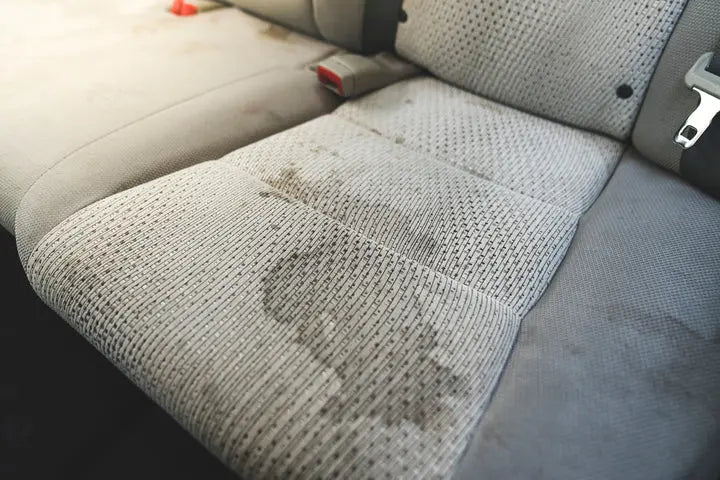
Can you get coffee stains out of car seats? Yes, you absolutely can! Coffee stains on car seats are a common, yet frustrating, automotive interior cleaning challenge. Whether it’s a quick commute sip or a road trip beverage, that dark brown liquid has a knack for finding its way onto your upholstery. But don’t despair! With the right approach and some common household items, you can effectively tackle coffee stain removal and restore your car’s interior to its former glory. This guide will walk you through everything you need to know about how to clean coffee spills, from immediate action to deep cleaning techniques, ensuring your fabric seat cleaning is successful.
Acting Fast: The Key to Successful Coffee Stain Removal
The most crucial factor in successful coffee stain removal is speed. The longer coffee sits on your car seats, the deeper it penetrates the fabric fibers, making it much harder to lift out. Fresh spills are always easier to manage than old, set-in stains. So, the moment coffee hits your car seat, it’s time to act. This immediate response is the first step in effective car interior cleaning and crucial for getting coffee out of car upholstery without leaving a trace.
Your Coffee Stain Removal Toolkit
Before diving into the actual cleaning process, gather your supplies. Having everything ready will make the task smoother and more efficient. Here’s a list of items that will be your allies in this car interior cleaning mission:
- Clean cloths or paper towels: For blotting and applying cleaning solutions.
- Spray bottle: For mixing and applying cleaning solutions.
- Water: Both cool and warm, depending on the cleaning solution.
- Dish soap: A mild degreaser that can help lift coffee oils.
- White vinegar: An excellent natural cleaner and deodorizer.
- Baking soda: A mild abrasive and odor absorber.
- Hydrogen peroxide (3% solution): For tougher stains, but use with caution on colored fabrics.
- Rubbing alcohol: Can be effective on certain types of coffee stains.
- Upholstery cleaner: A specialized product for car interior cleaning.
- Soft-bristled brush: For gently working cleaning solutions into the fabric.
- Vacuum cleaner with upholstery attachment: For removing loose debris and dried cleaning residue.
- Optional: Enzyme cleaner: For organic stains like coffee.
The Golden Rule: Blot, Don’t Rub!
When dealing with any spill, especially coffee, the cardinal rule of car interior cleaning is to blot, don’t rub. Rubbing a fresh coffee stain will push the liquid deeper into the fabric fibers and can spread the stain, making it larger and more difficult to remove. Instead, use a clean cloth or paper towel to gently dab at the spill, working from the outside of the stain inward. This process of blotting coffee stains is essential for containing the mess and maximizing your chances of complete coffee stain removal.
Step-by-Step Guide to Coffee Stain Removal
Let’s break down the process of how to clean coffee spills and get coffee out of car upholstery effectively.
Step 1: Immediate Action – Blotting Coffee Stains
As soon as the spill occurs, grab your clean cloths or paper towels. Gently blot up as much of the liquid as possible. Continue blotting with fresh sections of the cloth until no more coffee is transferring onto the towel. This initial step is critical for preventing the stain from setting.
Step 2: Choose Your Cleaning Solution (Household Coffee Stain Remedies)
You have several options for cleaning solutions, ranging from simple household remedies to specialized upholstery stain remover products.
Option A: Dish Soap and Water
This is a gentle yet effective method for fresh spills.
- Mix the solution: In a spray bottle, combine 1 cup of cool water with 1 teaspoon of mild dish soap.
- Apply to the stain: Lightly spray the solution onto the stained area. Avoid over-saturating the fabric.
- Blot gently: Use a clean cloth to blot the treated area, working from the outside in.
- Rinse (blotting): Dampen a clean cloth with plain water and blot the area to rinse away the soap residue.
- Dry: Blot the area with a dry cloth to absorb excess moisture.
Option B: White Vinegar and Water
Vinegar is a fantastic natural cleaner that can help break down coffee pigments.
- Mix the solution: In a spray bottle, combine 1 cup of warm water with 1 cup of white vinegar.
- Apply to the stain: Spray the solution onto the coffee-stained area.
- Let it sit: Allow the solution to sit on the stain for about 5-10 minutes.
- Blot thoroughly: Use a clean cloth to blot the stain, absorbing the liquid and lifting the coffee.
- Rinse: Dampen a clean cloth with plain water and blot the area to remove the vinegar smell and residue.
- Dry: Blot with a dry cloth.
Option C: Baking Soda Paste
Baking soda can be effective for slightly more stubborn stains and also helps with odors.
- Make the paste: Mix baking soda with a small amount of water to create a thick paste.
- Apply to the stain: Gently apply the paste to the coffee stain, ensuring it covers the area.
- Let it dry: Allow the paste to dry completely on the seat. This can take several hours.
- Brush and vacuum: Once dry, gently brush away the dried paste with a soft brush and then vacuum the area thoroughly with your upholstery attachment.
Option D: Hydrogen Peroxide (Use with Caution)
Hydrogen peroxide is a mild bleach and can be very effective, but it can also lighten colored fabrics. Always test this solution on an inconspicuous area of your car seat first.
- Mix the solution: Combine 1 part 3% hydrogen peroxide with 3 parts water in a spray bottle.
- Test first: Spray a small amount on a hidden spot of the fabric and let it sit for a few minutes. Check for any color changes.
- Apply to the stain: If no adverse reaction occurs, lightly spray the solution onto the coffee stain.
- Blot immediately: Blot with a clean cloth.
- Rinse: Dampen a clean cloth with plain water and blot the area.
- Dry: Blot with a dry cloth.
Option E: Specialized Upholstery Stain Remover
For particularly tough or old coffee stains, a commercial upholstery stain remover is often the best coffee stain remover.
- Read instructions: Carefully follow the product’s instructions for use.
- Test first: Always test the product on an inconspicuous area of your car seat.
- Apply: Apply the stain remover as directed.
- Blot or agitate: Use a clean cloth or a soft-bristled brush to gently work the product into the stain.
- Follow up: Some products may require rinsing or further blotting.
Step 3: Rinse and Dry
After applying any cleaning solution, it’s crucial to rinse the area thoroughly. Use a clean cloth dampened with plain water to blot the area. This removes any cleaning solution residue that could attract dirt or cause further staining. Finally, blot the area with a dry towel to absorb as much moisture as possible.
Step 4: Air Dry and Inspect
Allow the cleaned area to air dry completely. You can open your car doors or windows to help with ventilation. Once dry, inspect the area. If the stain is still visible, you may need to repeat the cleaning process or try a different method. Patience is key in effective coffee stain removal.
Tackling Stubborn or Old Coffee Stains
For stains that have set or are particularly challenging, you might need to employ more aggressive techniques or repeat the cleaning process.
Repeat Applications
Sometimes, a single application isn’t enough. For persistent coffee stains, repeat your chosen cleaning method. You might find that a combination of methods works best. For instance, you could start with dish soap and water, and if that doesn’t fully remove it, try the vinegar solution.
Enzyme Cleaners
Enzyme cleaners are specifically designed to break down organic stains like coffee. They work by using enzymes to digest the stain molecules.
- Select a cleaner: Choose a reputable upholstery stain remover that contains enzymes.
- Test: Always test on a hidden area first.
- Apply: Apply the cleaner according to the product’s instructions.
- Allow time: Enzyme cleaners often need to sit for a period to work effectively.
- Blot and rinse: Blot and rinse as directed by the product.
Steam Cleaning
For fabric seats, a steam cleaner can be a powerful tool for deep cleaning and coffee stain removal. The heat and moisture help to loosen and lift stubborn stains.
- Pre-treat: Lightly spray the stained area with a fabric cleaner or a vinegar solution before steaming.
- Steam: Use the upholstery attachment on your steam cleaner to pass over the stained area.
- Blot: Immediately blot the area with a clean, dry towel to absorb the lifted moisture and stain.
- Repeat if necessary: You may need to repeat the steaming and blotting process.
What About Different Car Seat Materials?
The type of car seat material you have will influence the best approach to coffee stain removal.
Fabric Seats
Fabric seats (like cloth or velour) are porous and can absorb spills quickly. The methods described above are generally suitable for most fabric seats. Always test any cleaning solution on an inconspicuous area first to avoid discoloration or damage.
Leather Seats
Leather seats require a different approach. Coffee spills on leather are usually easier to clean as they don’t penetrate the material in the same way as fabric.
- Immediate wipe: Wipe up the spill immediately with a clean, damp cloth.
- Mild soap solution: If a stain remains, mix a few drops of mild, pH-neutral soap (like saddle soap or a specialized leather cleaner) with distilled water.
- Clean gently: Apply the solution to a clean cloth and gently wipe the stained area.
- Rinse: Wipe the area with a cloth dampened with plain distilled water.
- Dry: Buff dry with a soft, clean towel.
- Condition: After cleaning, it’s essential to condition your leather seats to restore moisture and prevent cracking.
Vinyl Seats
Vinyl seats are the most forgiving. Coffee stains usually sit on the surface and can be wiped away easily.
- Wipe immediately: Use a damp cloth to wipe up the spill.
- Mild cleaner: If needed, use a mild all-purpose cleaner or a solution of soap and water.
- Wipe clean: Wipe the area with a clean, damp cloth.
- Dry: Dry with a soft towel.
Tips for Preventing Future Coffee Stains
Prevention is always better than cure. Here are some tips to minimize the risk of coffee stains in your car:
- Use a travel mug with a secure lid: Ensure your coffee container is leak-proof.
- Avoid drinking coffee while driving in heavy traffic: Take sips when your car is stopped or when you’re a passenger.
- Keep a car cleaning kit handy: Include paper towels or microfiber cloths for immediate spill cleanup.
- Consider seat covers: For particularly spill-prone drivers or passengers, seat covers can offer an extra layer of protection.
- Regular car interior cleaning: Keep your car’s interior clean regularly to make spot cleaning easier if a spill does occur.
Frequently Asked Questions (FAQ)
Q1: What is the best coffee stain remover for car seats?
The “best” coffee stain remover often depends on the age and severity of the stain, as well as your seat material. For fresh stains on fabric, a mixture of dish soap and water or white vinegar and water is often very effective. For tougher, set-in stains, a specialized upholstery stain remover or an enzyme cleaner is usually the best bet. Always remember to test any product on an inconspicuous area first.
Q2: Can I use bleach on my car seats?
Generally, no, you should not use bleach on car seats, especially fabric seats. Bleach is a harsh chemical that can easily discolor and damage upholstery fibers. While diluted hydrogen peroxide can be used with caution on some fabrics, straight bleach is too aggressive and can lead to permanent damage.
Q3: How long does it take for a coffee stain to set?
Coffee stains can start to set in as little as a few minutes to an hour. The longer the coffee is left on the fabric without being blotted up, the deeper it will penetrate the fibers, making it significantly harder to remove. This is why immediate action is so important for effective coffee stain removal.
Q4: My coffee stain is old and dried. What should I do?
For old, dried coffee stains, you’ll likely need a more robust cleaning approach. Start by gently scraping away any dried residue. Then, try applying a solution of white vinegar and water or a dedicated upholstery stain remover. You might need to let the solution sit for a longer period (10-15 minutes) to rehydrate and loosen the stain before blotting. Repeating the process or using an enzyme cleaner or steam cleaner may be necessary.
Q5: How do I prevent coffee stains from coming back after cleaning?
After successfully cleaning a coffee stain, ensure the area is completely dry. Vacuuming the area again once dry can help lift the fibers. For fabric seats, using a fabric protector spray designed for automotive interiors can help repel future spills and make cleaning easier. Regular vacuuming of your car’s interior also helps prevent dirt from getting embedded in the fabric, which can make stains appear worse.
By following these detailed steps and understanding the nuances of coffee stain removal for different materials, you can confidently tackle those unwelcome brown marks and keep your car’s interior looking its best. Remember, acting fast and using the right products are your greatest allies in maintaining pristine automotive interior care.