
Yes, in most cases, you can safely turn on your electric car (EV) while it is plugged in and charging. This is a common practice and is generally designed to be safe by EV manufacturers. However, there are a few nuances to consider for optimal EV charging safety.
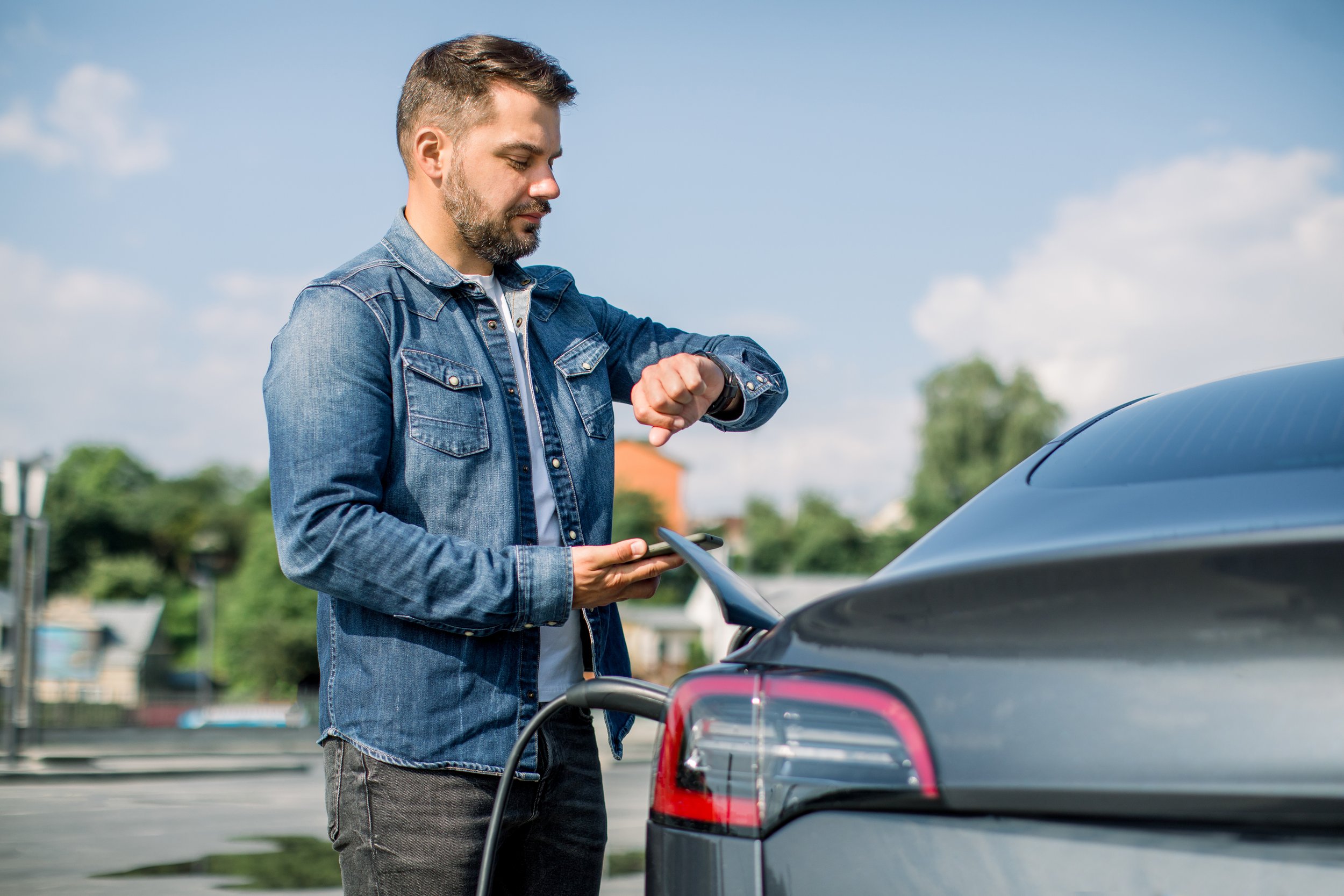
Image Source: images.squarespace-cdn.com
The Basics of EV Power and Charging
Electric vehicles operate on a fundamentally different principle than gasoline-powered cars. Instead of an internal combustion engine, they use electric motors powered by a large battery pack. When you plug in your EV to a charging station usage, you are essentially replenishing that battery pack.
How Charging Works
When an EV is plugged in, a sophisticated charging protocols system manages the flow of electricity from the grid to the vehicle’s battery. This system ensures that the power transfer is efficient and safe, preventing overcharging or damage to the battery.
Electric Vehicle Power Flow
The electric vehicle power that drives your car comes directly from the battery. When you turn on the car, you are activating the systems that allow you to select a drive mode (like “Drive” or “Reverse”) and send power from the battery to the electric motor(s).
Turning On Your EV While Plugged In: Is It Safe?
The primary concern for many EV owners is whether it’s safe to operate the vehicle’s systems – including turning it on – while it’s connected to a charger.
Manufacturer Design and Safety Features
EV manufacturers invest heavily in ensuring the safety of their vehicles. The charging system and the vehicle’s propulsion system are designed to operate independently when necessary. When your EV is plugged in, the charging system is active, managing the power input. Turning on the car typically activates auxiliary systems or the drivetrain, drawing power from the battery, not directly from the charging cable.
- Isolation: Modern EVs employ robust isolation techniques. The high-voltage battery system is isolated from the low-voltage systems that control vehicle functions. This means that even when charging, the internal electronics and the driver’s interface are safe.
- Safety Interlocks: EV charging systems have multiple safety interlocks. These ensure that power is only delivered to the battery when a proper connection is established and that the charging port is securely locked during charging. Similarly, the drive system is disengaged until specific conditions are met, such as the charger being unplugged or the vehicle being put into a specific mode.
Battery Charging Behavior
The battery charging behavior of an EV is precisely controlled. When the car is turned on, it doesn’t typically draw power from the charger to operate its internal systems; it uses power from the battery itself. This prevents any conflict or surge between the charging input and the vehicle’s operational power demands.
Stationary EV Charging
Stationary EV charging refers to the process of charging your electric vehicle while it is parked. This is the most common charging scenario. During stationary charging, the vehicle is designed to safely manage both the incoming power and any internal operations initiated by the driver.
Scenarios Where You Might Turn On Your EV While Charging
There are several practical reasons why an EV owner might want to turn on their car while it’s still plugged in.
Using Cabin Amenities
Many EV owners like to precondition their car’s cabin – heating or cooling it to a comfortable temperature – before driving. This is often done while the car is charging to avoid depleting the battery’s range. Turning on the car to activate the climate control is a common and safe practice.
Checking Vehicle Status
You might want to turn on your EV to check battery charge levels, tire pressure, or other vehicle diagnostics displayed on the dashboard or infotainment system.
Updating Software
Some EVs allow for over-the-air (OTA) software updates. These updates can sometimes be initiated or completed while the vehicle is plugged in and turned on.
Accessing Infotainment
Some drivers might want to use the infotainment system for music, navigation, or other features while waiting for their EV to charge.
Plug-In Hybrid Electric Vehicles (PHEVs)
The rules for plug-in hybrid charging are similar, but with a slight difference due to the presence of a gasoline engine.
PHEV Operation During Charging
For PHEVs, turning on the vehicle while charging might activate the electric motor if there’s sufficient charge. However, the gasoline engine typically remains off unless needed for extended driving or to maintain a specific battery state of charge. The charging process is managed independently, ensuring safety for both the electrical and mechanical systems.
The Concept of “Charge and Drive”
The idea of being able to charge and drive simultaneously is a key advantage for some electric vehicles, though it’s important to clarify what this means in practice.
True “Charge and Drive” Capability
Some EVs are designed with advanced battery management systems that allow for some level of power to be drawn from the charger to assist propulsion while the vehicle is moving and charging. This is less common for standard AC charging and more likely with some specialized DC fast charging setups or specific vehicle designs. However, for typical home or public charging, you are primarily drawing power to replenish the battery when stationary.
Using EV Accessory Modes
Many EVs have an “accessory mode” (often called “Ready” or similar) which allows you to power on certain vehicle systems like the radio, lights, or climate control without fully engaging the drivetrain. This mode can usually be activated while plugged in.
Regenerative Braking While Charging
A fascinating aspect of EV technology is regenerative braking while charging.
How Regenerative Braking Works
Regenerative braking converts the kinetic energy of the vehicle into electrical energy, which is then stored back in the battery. When you lift your foot off the accelerator or press the brake pedal lightly in an EV, the electric motor acts as a generator, slowing the car down and recharging the battery.
Regenerative Braking and Charging Compatibility
When an EV is plugged in and turned on, the system is generally smart enough to manage regenerative braking. If the battery has capacity to accept charge, regenerative braking can still contribute to topping it up. However, if the battery is already at its maximum charge level, the regenerative braking might be limited or disabled to prevent overcharging or system damage.
Potential Risks and Precautions
While generally safe, there are a few minor points to keep in mind.
Cable Integrity
Ensure the charging cable and connector are in good condition and properly seated. A damaged cable or a loose connection can pose a safety risk.
Charging Station Conditions
Make sure the charging station itself is in good working order and not damaged. Follow any instructions provided by the charging station operator.
Extreme Temperatures
While EVs are built to withstand various temperatures, extreme heat or cold can affect charging speed and battery performance. Most EVs have thermal management systems to mitigate these effects.
Maximum Charge Rates and Vehicle Limitations
It’s important to recognize that most EVs will limit how much power is drawn for propulsion while charging at standard rates to prioritize battery replenishment.
Home Charging vs. Public Charging
| Charging Level | Typical Output | Safety While On | Notes |
|---|---|---|---|
| Level 1 (AC) | 1.4 – 2.4 kW | Yes | Uses a standard household outlet. Slowest charging speed. |
| Level 2 (AC) | 3.7 – 22 kW | Yes | Uses a higher voltage outlet (e.g., 240V). Much faster than Level 1. |
| DC Fast Charge | 50 kW – 350+ kW | Usually Yes | Provides DC power directly to the battery. Fastest charging speed. |
Note: While safe to turn on the car at all levels, using cabin amenities heavily or driving aggressively while charging at lower rates (Level 1) will slow down the charging process significantly.
Battery State of Charge
When your battery is nearly full, the charging rate will slow down. In such cases, if you were to turn on the car and draw significant power for, say, aggressive climate control, it might momentarily reduce the charging input to balance the demand.
Frequently Asked Questions (FAQ)
Can I drive my electric car while it’s charging?
Typically, no, you cannot drive your electric car while it’s plugged into a standard charger. The car’s safety systems prevent the drivetrain from engaging when the charging cable is connected. Some specialized systems or vehicles might allow limited “charge and drive” functionality, but it’s not the norm for everyday charging.
Will turning on my EV while charging drain the battery faster?
Yes, any activity that uses power from the battery, such as running the climate control, infotainment, or accessory modes, will use energy that could otherwise go into charging the battery. However, it won’t typically affect the safety of the charging process itself.
What happens if I unplug my EV mid-charge?
When you unplug your EV mid-charge, the charging process immediately stops. The vehicle’s battery management system safely disconnects the power flow.
Is it safe to use fast chargers while the car is on?
Yes, it is generally safe to have your EV turned on while using DC fast chargers. The charging protocols are designed to handle this. However, remember that while the car is on, it might use some of the incoming power for its own systems, potentially slightly reducing the rate at which the battery itself charges.
Can I charge my EV in the rain?
Yes, EV charging stations and cables are designed to be weatherproof and safe for use in the rain. The connectors have safety features that prevent power flow if they are not properly mated.
By adhering to these guidelines and trusting the robust safety features built into modern electric vehicles, you can confidently turn on and use your EV while it’s plugged in and charging.