
Can you get coffee stains out of car seats? Yes, you absolutely can get coffee stains out of car seats! With the right approach and a little patience, you can successfully tackle those unwelcome coffee spills. This guide will walk you through effective methods to clean coffee stains car seat, ensuring your car’s interior looks fresh and tidy again. We’ll cover everything from immediate spill management to deeper stain removal, using both commercial products and DIY coffee stain removal car seat solutions.
Spilling coffee in your car can feel like a minor disaster. That dark brown liquid can spread quickly, leaving behind stubborn marks on your car seats. Whether your car has fabric, leather, or vinyl seats, there are proven ways to remove coffee from upholstery and restore your car’s interior. This article will equip you with the knowledge to tackle car seat coffee spill removal effectively.
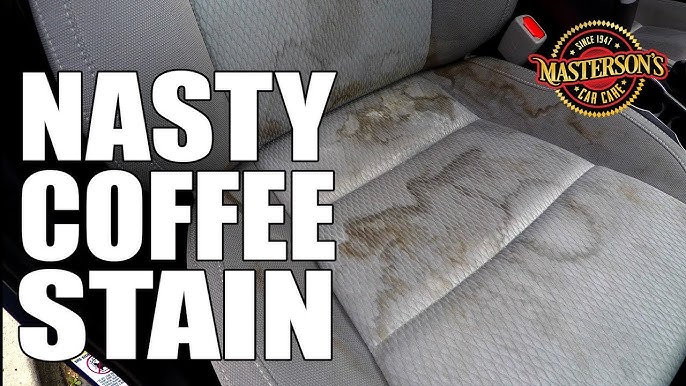
Image Source: i.ytimg.com
Immediate Action: The First Line of Defense
The key to a successful stain removal is acting fast. The longer coffee sits on your car seat, the harder it will be to remove. Here’s what to do immediately after a spill:
Blotting is Key
- Do not rub: Rubbing can spread the stain and push it deeper into the fabric fibers.
- Use a clean cloth or paper towel: Gently blot the wet area.
- Work from the outside in: This helps prevent the stain from spreading further.
- Continue blotting: Keep blotting with a dry section of the cloth or a fresh paper towel until no more liquid is absorbed.
Remove Excess Coffee
If there’s a significant amount of liquid, use a spoon or the edge of a credit card to gently scoop up any pooled coffee before blotting.
Tackling Stubborn Coffee Stains: Cleaning Methods
Once the immediate moisture is absorbed, you’ll need to address the stain itself. The best way to clean coffee stains car depends on the type of upholstery you have.
For Fabric Car Seats
Fabric upholstery is common in many vehicles and can be porous, making stains a bit trickier.
Method 1: Mild Soap and Water
This is often the first line of defense for fresh stains.
- Prepare the solution: Mix a few drops of mild dish soap (like Dawn) with a cup of cool water.
- Apply the solution: Dip a clean cloth into the soapy water and wring it out so it’s damp, not soaking wet.
- Blot the stain: Gently blot the stained area with the damp cloth.
- Rinse: Use a separate clean cloth dampened with plain water to blot the area and remove soap residue.
- Dry: Blot the area with a dry towel to absorb excess moisture. You can also use a fan to speed up drying.
Method 2: Vinegar Solution (Natural Coffee Stain Remover Car Option)
Vinegar is a fantastic natural coffee stain remover car users can rely on. Its acidity helps break down the stain.
- Mix the solution: Combine equal parts white vinegar and cool water in a spray bottle.
- Spray lightly: Lightly spray the solution onto the stained area. Avoid over-saturating the fabric.
- Let it sit: Allow the solution to sit for about 5-10 minutes.
- Blot: Blot the stain with a clean cloth.
- Rinse: Dampen another cloth with plain water and blot to rinse out the vinegar.
- Dry: Blot dry with a clean towel. The vinegar smell will dissipate as it dries.
Method 3: Baking Soda Paste
Baking soda is a mild abrasive and absorbent, making it useful for lifting stains.
- Make a paste: Mix baking soda with a small amount of water to create a thick paste.
- Apply the paste: Gently spread the paste over the coffee stain.
- Let it dry: Allow the paste to dry completely. This may take a few hours.
- Brush away: Once dry, gently brush away the baking soda with a soft brush.
- Vacuum: Vacuum the area to remove any remaining residue.
Method 4: Hydrogen Peroxide (Use with Caution)
Hydrogen peroxide is a mild bleaching agent and can be effective, but it should be used with caution, especially on darker fabrics, as it can cause fading. Always test on an inconspicuous area first.
- Dilute: Mix one part 3% hydrogen peroxide with two parts water.
- Test: Apply a small amount to a hidden area of the seat to check for colorfastness.
- Apply to stain: If no adverse reaction occurs, dab the solution onto the stain with a clean cloth.
- Let it sit briefly: Allow it to sit for only a minute or two.
- Blot: Blot with a clean, damp cloth.
- Rinse: Blot with a cloth dampened with plain water.
- Dry: Blot dry with a clean towel.
For Leather Car Seats
Leather is less porous than fabric, but coffee can still stain and dry into the material.
Method 1: Mild Soap and Water
- Wipe up: Blot any excess liquid immediately.
- Prepare solution: Mix a few drops of mild, pH-neutral soap (like saddle soap or a gentle dish soap) with distilled water.
- Clean: Dampen a soft microfiber cloth with the solution and gently wipe the stained area.
- Wipe clean: Use a separate cloth dampened with plain water to remove soap residue.
- Dry: Immediately dry the area with a clean, dry microfiber cloth.
- Condition: Apply a leather conditioner to keep the leather supple and prevent drying or cracking.
Method 2: Leather Cleaner
Commercial leather cleaners are specifically formulated for car leather and can be very effective. Always follow the product’s instructions.
- Choose a quality cleaner: Select a reputable leather cleaner designed for automotive interiors.
- Test: Test the cleaner on an inconspicuous spot first.
- Apply: Apply the cleaner to a microfiber cloth, not directly to the seat.
- Wipe: Gently wipe the stained area.
- Buff: Buff with a clean, dry cloth.
- Condition: As with the soap and water method, follow up with a leather conditioner.
For Vinyl Car Seats
Vinyl is generally easier to clean than fabric or leather.
Method 1: Soap and Water
- Wipe up: Blot any excess liquid.
- Clean: Use a cloth dampened with warm water and a little mild dish soap to wipe the stain.
- Rinse: Wipe with a cloth dampened with plain water.
- Dry: Dry with a clean towel.
Method 2: All-Purpose Cleaner (Car Interior Specific)
Many all-purpose interior cleaners are safe for vinyl.
- Choose a cleaner: Select an interior cleaner safe for vinyl surfaces.
- Spray: Lightly spray the cleaner onto a cloth.
- Wipe: Gently wipe the stained area.
- Wipe clean: Use a damp cloth to remove any residue.
- Dry: Dry with a clean towel.
Using Upholstery Cleaners for Coffee Stains
When DIY coffee stain removal car seat isn’t enough, or for particularly stubborn stains, a dedicated upholstery cleaner for coffee can be your best bet. These products are formulated to break down and lift various types of stains.
How to Choose an Upholstery Cleaner:
- Check the label: Ensure it’s suitable for your car seat material (fabric, leather, or vinyl).
- Look for stain-specific formulas: Some cleaners are designed for coffee, wine, or pet stains.
- Read reviews: See what other users say about their effectiveness.
How to Use Upholstery Cleaner:
- Vacuum: Start by vacuuming the car seat to remove loose dirt and debris.
- Test: Always test the cleaner on an inconspicuous area of the seat first to ensure it doesn’t cause discoloration or damage.
- Apply: Follow the product instructions carefully. Typically, you’ll spray the cleaner onto a clean cloth or directly onto the stain.
- Agitate (if recommended): Some cleaners may suggest gently agitating the stain with a soft brush or cloth.
- Blot: Blot the stain with a clean, damp cloth to lift the stain and the cleaner.
- Rinse: Use a clean cloth dampened with plain water to blot the area and remove any cleaner residue.
- Dry: Blot the area thoroughly with a dry towel. Allow the seat to air dry completely.
Advanced Techniques for Tough Stains
If the stain persists, you might need to employ more targeted approaches. These are for when you need to how to lift coffee stains from fabric car seats effectively.
Enzyme Cleaners
Enzyme cleaners are excellent for organic stains like coffee because they break down the stain molecules.
- How they work: Enzymes target and digest the protein and organic matter that form the stain.
- Application: Follow product instructions, but typically you’ll spray, let sit for a period, and then blot.
- Benefits: Effective and can neutralize odors.
Steam Cleaning
A steam cleaner can be a powerful tool for deep cleaning and stain removal.
- How it works: The heat and moisture help loosen and lift stains from fabric fibers.
- Procedure: Use a fabric upholstery attachment and work slowly over the stained area. Make sure not to over-saturate the fabric.
- Caution: Ensure your car seat material can withstand heat and moisture. Test in a hidden spot.
Fabric Spot Cleaner Coffee Options
A fabric spot cleaner coffee formulation can be ideal for targeting specific marks without cleaning the entire seat.
- Application: Apply directly to the stain according to product directions.
- Blotting: Use a clean cloth to blot the loosened stain.
- Rinsing: Always rinse the area with a damp cloth to remove the spot cleaner.
What About Older, Set-In Coffee Stains?
For coffee stains that have had time to dry and set, the process might require a bit more effort.
Repeat Applications
Don’t be discouraged if the stain isn’t gone after the first attempt. Repeat the chosen cleaning method (mild soap, vinegar, or upholstery cleaner) a couple of times. Patience is key.
Longer Dwell Time
For stubborn stains, you might need to let the cleaning solution (especially vinegar or enzyme cleaners) sit for a longer period, as recommended by the product or your chosen DIY method.
Combining Methods
Sometimes, a combination of methods works best. For example, you might start with a mild soap and water, then follow up with a vinegar solution if the stain remains.
Maintaining Your Car’s Interior
Preventing stains is always easier than removing them.
Coffee Cup Holders
Ensure your coffee cups have secure lids and are placed firmly in the cup holders.
Travel Mugs
Invest in good quality travel mugs with spill-proof lids.
Immediate Cleanup
Make it a habit to always address spills as soon as they happen. Keeping a small cleaning kit in your car (microfiber cloths, a small spray bottle with water, and perhaps a small upholstery cleaner) can be invaluable.
Specific Material Considerations
It’s crucial to know your car seat material to avoid damage.
Fabric
- Pros: Generally comfortable and absorbs spills quickly.
- Cons: Prone to deep stains and can hold odors.
- Best approach: Blotting, mild detergents, specialized fabric cleaners. Avoid harsh chemicals that can damage fibers or cause color loss.
Leather
- Pros: Easy to wipe clean, water-resistant (to a degree).
- Cons: Can dry out and crack if not conditioned, susceptible to ink and dye transfer.
- Best approach: Gentle soap and water, dedicated leather cleaners, regular conditioning. Avoid abrasive cleaners or excessive water.
Vinyl
- Pros: Durable, water-resistant, easy to clean.
- Cons: Can become stiff or crack over time with sun exposure, susceptible to scratches.
- Best approach: Mild soap and water, all-purpose interior cleaners. Avoid petroleum-based cleaners that can degrade vinyl.
Frequently Asked Questions (FAQ)
Here are some common questions about removing coffee stains from car seats:
What is the most effective way to clean coffee stains from fabric car seats?
The most effective way often involves a combination of immediate blotting, followed by a mild soap and water solution or a vinegar and water spray. For tougher stains, a dedicated upholstery cleaner for coffee or an enzyme cleaner can be highly effective. Always test any cleaner in an inconspicuous area first.
Can I use bleach on coffee stains in my car seat?
No, it is highly advisable not to use bleach on car seats, especially fabric ones. Bleach is a harsh chemical that can permanently damage the fibers, strip color, and even weaken the material, leading to premature wear and tear.
How do I remove a dried coffee stain from my car seat?
For dried coffee stains, you’ll likely need to rehydrate the stain first. You can do this by lightly dampening the area with water or your chosen cleaning solution. Let it sit for a few minutes to soften the stain before proceeding with blotting and cleaning. Multiple applications may be necessary.
Is it safe to use a pressure washer on car seats?
Generally, no. Pressure washers use high-pressure water, which can force stains deeper into fabric, damage delicate upholstery fibers, and even force moisture into the car seat padding, leading to mold or mildew. Gentle blotting and appropriate cleaning solutions are safer and more effective for car interior coffee stain fix.
What is the best natural coffee stain remover for car seats?
White vinegar mixed with water is an excellent natural coffee stain remover car owners can use. Baking soda paste can also be effective for absorbing the stain.
How can I prevent coffee stains in my car?
The best prevention is to use travel mugs with secure, spill-proof lids, avoid drinking coffee in the car if you’re prone to spills, and clean up any drips or spills immediately before they have a chance to set.
My car seat is leather. Can I use the same methods as fabric?
No, leather requires different care. While you should blot spills immediately, avoid harsh detergents or excessive water. Use a pH-neutral soap specifically designed for leather or a commercial leather cleaner, followed by a good leather conditioner.
Conclusion: Restoring Your Car Seat’s Appearance
Dealing with coffee stains on your car seat doesn’t have to be a permanent problem. By acting quickly and using the right techniques and products, you can effectively clean coffee stains car seat and keep your vehicle’s interior looking its best. Remember to always test any cleaning solution in a hidden spot before applying it to the main stain, and be patient. With a little effort, you can successfully remove coffee from upholstery and enjoy a clean, fresh car. Whether you opt for DIY coffee stain removal car seat methods or a specialized upholstery cleaner for coffee, the goal is a spotless finish.