
Yes, in most cases, you can repair your own car after filing an insurance claim. This means that if you’ve been involved in an accident and have an auto insurance policy, you generally have the right to choose where your vehicle is repaired, including performing the repairs yourself. However, there are important considerations and potential pitfalls to be aware of when opting for self-repair vehicle claim or DIY car repair after insurance.
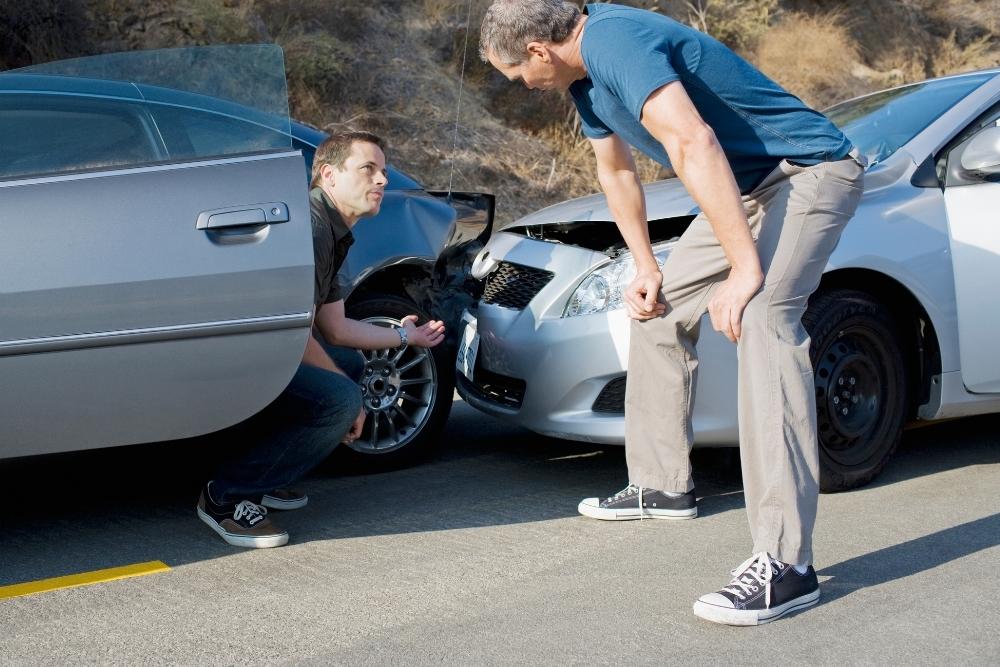
Image Source: www.knellerins.com
Why DIY Auto Body Repair Insurance Might Seem Appealing
Filing an insurance claim often involves navigating the repair process. Many policyholders consider filing insurance claim own repairs for several reasons:
- Cost Savings: Performing repairs yourself can significantly reduce labor costs, which are often a substantial portion of a repair bill. This is particularly attractive if you have mechanical aptitude or a passion for fixing car yourself insurance.
- Control Over Quality: You might have a trusted mechanic, or you might feel confident in your ability to perform a high-quality repair. This gives you direct control over the parts used and the workmanship.
- Speed and Convenience: If your insurance company is slow to approve repairs or if you need your vehicle back quickly, doing it yourself can sometimes be faster. This is especially relevant for post-claim auto repair scenarios where delays can be frustrating.
- Learning and Satisfaction: For many, the process of repairing their own vehicle is rewarding. It’s a chance to learn more about their car and gain satisfaction from a job well done. This ties into the concept of personal repair after auto claim.
Navigating the Insurance Process for DIY Repairs
When you file an auto insurance claim, your insurer’s primary goal is to assess the damage and determine the cost of repair. They will typically assess the damage and issue an estimate. This estimate usually includes parts, labor, and any associated fees.
Your Right to Choose Repairs
Your insurance policy likely grants you the right to choose your repair shop. This is a crucial aspect of independent repair after claim. Your insurer may recommend a network shop, but you are generally not obligated to use it. This right extends to performing the repairs yourself.
Working with Your Insurance Adjuster
- Initial Assessment: After you file a claim, an insurance adjuster will be assigned to your case. They will inspect the damage to your vehicle.
- The Estimate: The adjuster will create an estimate for the repairs. This estimate is the basis for the payout from your insurance company.
- Discussing Your DIY Intentions: It’s vital to communicate your intention to perform DIY auto body repair insurance or insurance claim DIY auto work to your adjuster early on. They need to understand your plan to adjust their process accordingly.
How Insurance Payouts Work for DIY Repairs
This is where things can get a bit intricate. When you opt for self-repair vehicle claim, the insurance company’s payout is generally based on their approved estimate for the repairs.
Receiving Payment
There are a few common ways insurance companies handle payouts for post-accident car repair owner scenarios where the owner is doing the work:
- Direct Payment: The insurer may issue a check directly to you for the amount of the approved estimate, minus your deductible. You are then responsible for purchasing the parts and completing the repairs.
- Payment for Parts: In some cases, especially for complex parts or if you require specialized materials, the insurer might pay for the parts directly to the supplier.
- Labor Reimbursement: If you provide receipts for parts you purchased, the insurer might reimburse you for the labor costs based on their estimate of what a professional shop would have charged. However, they will not pay you for your time or the value of your labor unless your policy specifically states otherwise.
The Deductible
Remember, your deductible is the amount you pay out-of-pocket before your insurance coverage kicks in. You will still be responsible for paying your deductible, regardless of whether you or a shop performs the repairs.
Key Considerations for DIY Car Repair After Filing A Claim
While the freedom to repair your own vehicle after a claim is a significant right, it’s not without its complexities. Here are crucial aspects to ponder before embarking on DIY auto body repair insurance:
1. The Insurance Estimate vs. Actual Costs
- Insurer’s Estimate: The insurance company’s estimate is based on industry standards and their assessment of the damage. It often includes specific labor rates and parts pricing.
- Your Costs: Your actual costs for parts and materials might differ. You might find cheaper parts, or you might end up spending more if you encounter unforeseen issues or choose premium parts.
- Discrepancies: If your actual costs exceed the insurer’s estimate, the difference is typically your responsibility. This is a crucial point for filing insurance claim own repairs.
2. Quality of Parts and Workmanship
- OEM vs. Aftermarket Parts: Insurance estimates often use the cost of Original Equipment Manufacturer (OEM) parts. You might choose aftermarket parts, which can be less expensive but may not fit or perform as well.
- Workmanship Standards: The insurance company bases its payout on the expected quality of work from a professional technician. If your DIY work falls short of these standards, it could impact future claims or resale value.
3. Safety and Structural Integrity
- Complex Repairs: Some repairs, particularly those involving the vehicle’s frame, suspension, or advanced safety systems (like airbags or pre-tensioners), require specialized knowledge, equipment, and calibration.
- Professional Assessment: Even if you plan to do most of the work, it might be wise to have a professional mechanic or body shop inspect critical repairs, especially those affecting the structural integrity or safety of your vehicle. This is a critical aspect of post-accident car repair owner.
4. Warranty Concerns
- Parts Warranty: If you use aftermarket parts, ensure they come with a warranty.
- Vehicle Warranty: Performing extensive DIY repairs yourself might void certain aspects of your vehicle’s manufacturer warranty, especially if the repairs are not done to manufacturer specifications.
5. Reassembly and Testing
- System Integration: Modern vehicles have complex electronic systems. Improper reassembly can lead to malfunctions in anything from sensors to infotainment systems.
- Road Testing: Thorough road testing is essential to ensure all repairs are sound and that no new issues have arisen.
6. What If the Insurer Won’t Pay for DIY?
While you generally have the right to repair your vehicle yourself, insurance companies operate based on their policies and estimates. If you want to perform self-repair vehicle claim work, you must align with their payout structure.
- Communicate Clearly: Be upfront about your intentions. If you want to do the work yourself, you’ll likely receive a check for the approved repair costs.
- Provide Documentation: Keep meticulous records of all parts purchased and any expenses incurred. This is crucial for reimbursement if applicable.
- Potential for Disputes: If the insurer denies your claim or offers an amount significantly lower than what you believe is fair for DIY repairs, you may need to negotiate or explore dispute resolution options.
The Role of Independent Repair Shops
For those who don’t wish to do the entire repair themselves but still want more control or a different option than the insurer’s preferred shops, independent repair after claim is a viable route.
- Choosing Your Shop: You have the right to select any licensed and reputable repair shop.
- Shop Estimates: Independent shops will provide their own estimates, which you can then submit to your insurance company.
- Negotiation: If there’s a significant difference between your chosen shop’s estimate and the insurance company’s estimate, you may need to negotiate. This is common when filing insurance claim own repairs.
When DIY Might Not Be the Best Option
While the idea of fixing car yourself insurance can be attractive, it’s not always practical or advisable.
- Complex Damage: Frame damage, extensive electrical issues, or airbag deployment require specialized equipment and expertise.
- Lack of Tools/Space: Many DIY repairs require specific tools and a suitable workspace that not everyone has access to.
- Time Constraints: Modern vehicle repairs can be time-consuming, especially if you’re learning as you go.
- Safety Concerns: Compromising safety for cost savings is never a good trade-off.
Documenting Everything for Insurance Claim DIY Auto
If you are pursuing insurance claim DIY auto work, thorough documentation is your best friend.
- Before and After Photos: Take clear photos of the damage before you start any work and at various stages of the repair.
- Receipts: Keep all receipts for parts, materials, and any tools you had to purchase specifically for the repair.
- Communication Records: Save emails or notes from conversations with your insurance adjuster.
Table: Comparing DIY vs. Shop Repairs After a Claim
| Feature | DIY Repairs (Self-Repair Vehicle Claim) | Professional Shop Repairs (Independent Repair After Claim) |
|---|---|---|
| Control | Full control over parts, process, and timeline. | Control over shop choice; insurer influences estimates. |
| Cost Savings | Potential for significant savings on labor. | Can be more expensive due to shop labor rates. |
| Workmanship | Depends entirely on your skill and effort. | Generally performed by certified professionals. |
| Warranty | May void vehicle warranty; depends on parts used. | Reputable shops offer workmanship warranties. |
| Time | Can be faster if you have the skills; can be much slower if learning. | Usually more efficient and predictable timelines. |
| Complexity | Best for simpler cosmetic or mechanical repairs. | Equipped for all types of repairs, including complex ones. |
| Documentation | Requires diligent self-documentation of all expenses. | Shop handles most repair documentation. |
| Safety Risk | Higher if safety-critical systems are involved and not handled properly. | Lower, as professionals are trained in safety standards. |
Frequently Asked Questions (FAQ)
Q1: Will my insurance pay me for my labor if I do my own repairs after a claim?
A1: Generally, no. Insurance companies will typically reimburse you for the cost of parts and materials based on their approved estimate, and potentially for labor if they have a labor rate they agree to pay out. However, they do not pay for your time or the value of your labor. The payout is meant to cover the cost of repairs as if a professional performed them.
Q2: Can I use cheaper aftermarket parts if I’m doing my own repairs?
A2: Yes, you can typically choose to use aftermarket parts. However, your insurance company’s estimate may be based on the cost of Original Equipment Manufacturer (OEM) parts. If you use cheaper aftermarket parts, the insurer might only pay the cost of the aftermarket part, not the OEM equivalent, or their payout might be capped at the estimated OEM part cost.
Q3: What if I discover more damage than the initial estimate when I’m doing my own repairs?
A3: If you find additional damage during your DIY repairs, you should immediately contact your insurance adjuster. They will likely need to inspect the new damage and revise the estimate. It’s crucial to have documented proof (photos) of the newly discovered damage before proceeding with those specific repairs.
Q4: Does doing my own repairs affect the resale value of my car?
A4: It can. If the repairs are done to a high standard, with quality parts, and there’s documentation to support it, it might not significantly impact the resale value. However, if the repairs are not done professionally, or if the wrong parts are used, it could be flagged during a pre-purchase inspection and negatively affect your car’s value.
Q5: Can I get an advanced payment from my insurer to buy parts for my DIY repair?
A5: Some insurance companies may be willing to provide an advance payment for parts, especially if you can provide a detailed parts list and quotes. This varies by insurer and policy. It’s best to discuss this possibility with your adjuster.
Q6: What if my DIY repair doesn’t pass a state inspection?
A6: If your DIY repair doesn’t meet safety or emissions standards required for your state’s inspections, you will be responsible for redoing the work to meet those standards. This highlights the importance of knowing and adhering to all relevant regulations.
Q7: How do I ensure my DIY repairs are safe and compliant?
A7: Research the specific repair procedures for your vehicle. Consult service manuals and reputable online automotive forums. For critical components like steering, suspension, brakes, and airbags, consider having a qualified mechanic inspect your work.
In conclusion, the ability to perform personal repair after auto claim is a valuable right that can offer financial and personal benefits. However, it demands careful planning, meticulous execution, and clear communication with your insurance provider. By being informed and diligent, you can successfully manage your post-accident car repair owner experience while ensuring your vehicle is safe and properly repaired.