
Can you put supreme gas in any car? Yes, you can physically put supreme gasoline, also known as premium gasoline, into almost any car. However, whether you should is a different question entirely, and the answer depends on your vehicle’s specific fuel requirements. While it won’t damage your engine, it’s often an unnecessary expense.
This article will delve deep into the world of gasoline types, exploring octane ratings, their significance for engine performance, and the impact of using the wrong fuel. We’ll clarify common misconceptions and provide you with the knowledge to make informed decisions about what goes into your fuel tank, ensuring optimal fuel efficiency and the longevity of your vehicle.
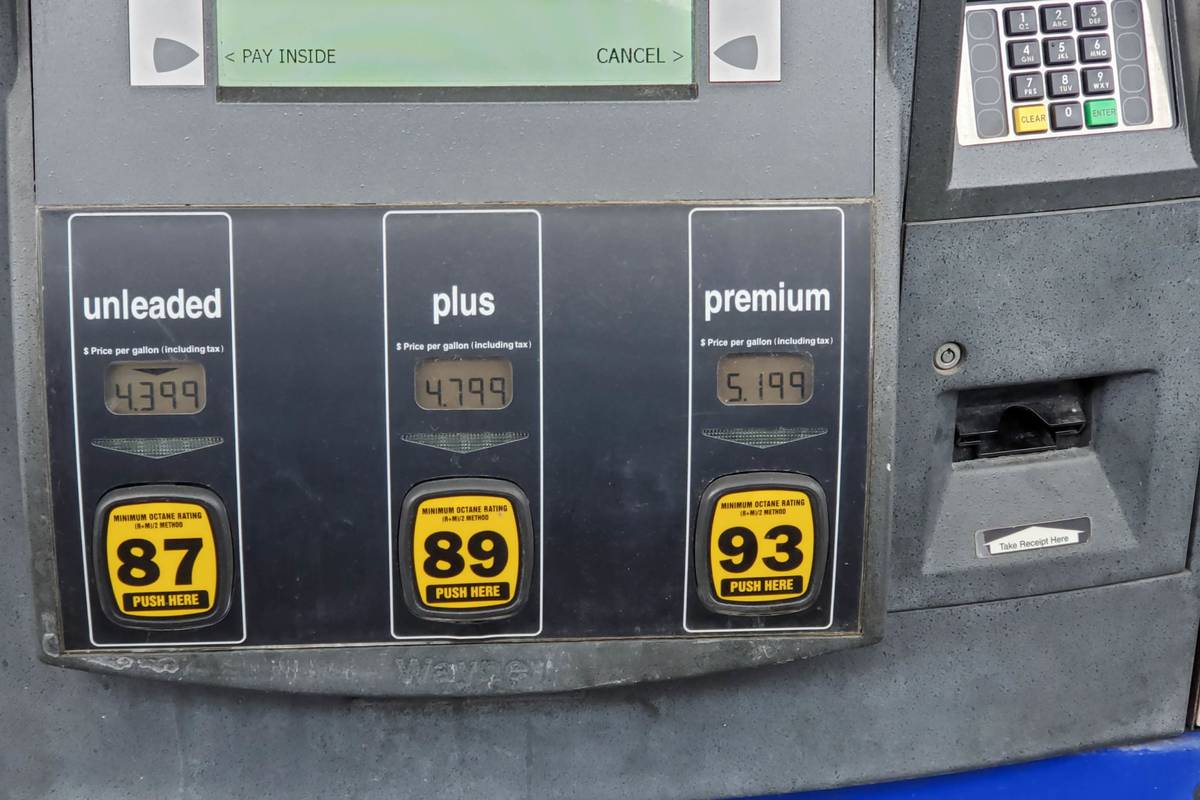
Image Source: images.cars.com
Deciphering Gasoline Types and Octane Ratings
Gasoline isn’t just one single product. It’s a complex blend of hydrocarbons, and one of its key characteristics is its octane rating. This rating is crucial for understanding fuel compatibility and why certain gasoline types exist.
What is Octane?
Octane isn’t an additive; it’s a measure of a fuel’s resistance to knocking or pinging. When gasoline combusts inside your engine, it’s supposed to burn smoothly and evenly. However, under high pressure and temperature, the fuel-air mixture can ignite prematurely in pockets, leading to a knocking sound. This is called engine knock or detonation.
The Octane Rating Explained
The octane rating you see at the pump (like 87, 89, 91, or 93) is determined by testing the fuel’s ability to withstand these premature ignitions. The higher the octane number, the greater the fuel’s resistance to knocking.
- 87 Octane (Regular): This is the most common and least expensive gasoline. It’s suitable for the vast majority of vehicles on the road today.
- 89 Octane (Mid-grade): A step up from regular, offering slightly more resistance to knocking.
- 91-93 Octane (Premium Gasoline/Supreme): This is the highest octane fuel available at most stations. It’s designed for vehicles that require or benefit from higher octane fuel.
Why Do Cars Have Different Fuel Requirements?
Your car’s manufacturer specifies the type of fuel it needs based on its engine design. This is a critical aspect of car fuel requirements.
Engine Design and Compression Ratio
The primary factor dictating car fuel requirements is the engine’s compression ratio. The compression ratio is the ratio of the volume of the cylinder when the piston is at the bottom of its stroke to the volume when the piston is at the top.
- Higher Compression Ratios: Engines with higher compression ratios compress the fuel-air mixture more tightly. This increased compression generates more heat and pressure. Without a higher octane rating, this compressed mixture is more likely to knock.
- Lower Compression Ratios: Engines with lower compression ratios don’t experience the same extreme pressures and temperatures. Regular 87 octane fuel is perfectly adequate for these engines.
The Role of Engine Performance
Engine performance is a key consideration. Some high-performance engines are designed to operate at their peak when using premium gasoline.
- Forced Induction: Engines with turbochargers or superchargers force more air into the cylinders, increasing compression and the risk of knock. These engines often require premium fuel to achieve their advertised engine performance.
- High-Performance Engines: Some naturally aspirated engines (without turbos or superchargers) are also designed with high compression ratios for greater power output. These too may recommend or require premium fuel.
Using Premium Gas in a Car That Doesn’t Need It
This is where the “can you, but should you?” question comes into play.
Physical Compatibility
As mentioned, you can physically put premium gasoline into any car. The nozzle size at the pump is standardized, and the fuel itself is an unleaded fuel that will flow into your tank without issue.
The Myth of “Cleaning” Your Engine
A common misconception is that using premium gas will “clean” your engine or make it run better, even if your car doesn’t require it. This is generally false. While some premium fuels may contain slightly more detergent additives, most regular and mid-grade fuels also have sufficient detergents to keep your engine clean. The primary benefit of premium fuel is its higher octane rating, not enhanced cleaning properties for engines not designed for it.
Impact on Fuel Efficiency
Will using premium gas improve fuel efficiency in a car that doesn’t need it? The answer is overwhelmingly no. If your car is designed for 87 octane, its engine control unit (ECU) is calibrated to optimize combustion with that fuel. Putting higher octane fuel in won’t magically increase your miles per gallon. In fact, because premium fuel is more expensive, your cost per mile will likely increase.
Engine Performance Without the Need
For cars designed to run on 87 octane, using premium fuel will not result in any noticeable improvement in engine performance. The engine’s knock sensors are designed to detect pre-ignition in engines that need higher octane fuel. If your engine doesn’t need it, these sensors won’t be activated by using lower octane fuel, and the engine will run as intended. Using premium fuel won’t unlock hidden power.
When Should You Use Premium Gasoline?
The decision to use premium gasoline is simple: follow your manufacturer’s recommendations.
Check Your Owner’s Manual
The most reliable source of information regarding car fuel requirements is your vehicle’s owner’s manual. It will explicitly state the minimum octane rating required or recommended for your car.
Fuel Door Sticker
Many cars also have a sticker on the inside of the fuel filler door that indicates the required or recommended octane level.
- “Required”: If your owner’s manual or fuel door states that premium fuel is “required,” you should absolutely use it. Using a lower octane fuel could lead to engine knock, potentially causing long-term damage and affecting engine performance.
- “Recommended”: If it states that premium fuel is “recommended,” it means your car can run on regular fuel, but it may achieve slightly better engine performance or fuel efficiency if premium is used. In these cases, the difference might be negligible, and it’s a personal choice whether the extra cost is worth a potentially minor benefit.
Signs Your Car Might Need Premium Fuel
If your owner’s manual isn’t readily available, you might notice certain symptoms if you accidentally put lower octane fuel into a car that needs higher octane:
- Knocking or Pinging: This is the most obvious sign. A metallic pinging or rattling sound from the engine, especially under acceleration, indicates detonation.
- Reduced Power: The engine might feel sluggish or less responsive.
- Check Engine Light: In some cases, persistent knocking can trigger the check engine light.
What Happens If You Use the Wrong Octane Gas?
The consequences of using the wrong gasoline types depend on whether you’re going too high or too low in octane numbers.
Using Lower Octane Than Required
This is the most critical scenario. If your car requires premium fuel and you put in regular (87 octane), you risk engine knock.
- Engine Knocking (Detonation): As explained earlier, this is the uncontrolled burning of the fuel-air mixture. Modern cars have knock sensors that can detect this and adjust engine timing to prevent damage. However, this adjustment often leads to reduced power and fuel efficiency.
- Potential for Damage: While modern systems are good at preventing immediate catastrophic damage, prolonged or severe knocking can lead to serious internal engine damage, such as damaged pistons, valves, and cylinder heads. This can be very expensive to repair.
Using Higher Octane Than Required
This is the scenario where you put premium gas in a car that only needs regular.
- No Harm to Engine: As mentioned, using premium fuel in a car designed for regular unleaded fuel will not harm your engine. The higher octane rating simply means the fuel is more resistant to knocking than necessary.
- No Performance Benefit: Your car’s engine is not designed to take advantage of the higher octane. It won’t provide more power, better fuel efficiency, or a cleaner engine.
- Wasted Money: The primary consequence is financial. You’re paying more for a fuel that offers no tangible benefit to your vehicle.
The Science Behind Octane and Knock Prevention
Let’s dive a bit deeper into the science to solidify why octane rating is so important.
Octane Number and Anti-Knock Index
The octane number is technically a measure of a fuel’s resistance to auto-ignition. It’s determined using standardized tests that compare the fuel’s behavior to that of isooctane (which is assigned an octane number of 100) and n-heptane (assigned an octane number of 0). A fuel with an octane rating of 91, for example, behaves like a mixture of 91% isooctane and 9% n-heptane.
How Knocking Occurs
Under pressure within the combustion chamber, fuel molecules can break down and form unstable compounds that auto-ignite before the spark plug fires. This creates multiple flame fronts that collide, causing the characteristic knocking sound. Higher octane fuels have molecular structures that are more stable and less prone to this premature auto-ignition.
Engine Control Unit (ECU) and Timing
The ECU plays a vital role in managing engine performance and preventing knock.
- Knock Sensors: These sensors are essentially microphones tuned to the frequency of engine knock.
- Ignition Timing Adjustment: When a knock sensor detects detonation, it signals the ECU to retard (delay) the ignition timing. This means the spark plug fires later in the combustion cycle. Retarding timing reduces the pressure and temperature in the cylinder, preventing knock.
- Consequences of Retarded Timing: While effective at preventing damage, retarded ignition timing also reduces the amount of power the engine can produce and can negatively impact fuel efficiency. This is why using a fuel with an insufficient octane rating in an engine that requires it leads to a noticeable decrease in performance.
Common Gasoline Additives and Their Purpose
Beyond the octane rating, gasoline also contains various additives.
Detergents
Most unleaded fuel sold today contains detergents. These additives help prevent the buildup of carbon deposits on fuel injectors, intake valves, and combustion chambers.
- Top Tier Gasoline: Some brands are designated “Top Tier” gasoline. These fuels meet a higher standard for detergent additives, which can lead to better engine cleanliness and potentially improved engine performance and fuel efficiency over the long term. This benefit applies regardless of the octane level.
Other Additives
Gasoline can also contain other additives like corrosion inhibitors, anti-foam agents, and stabilizers. These contribute to the overall quality and stability of the fuel.
Making the Right Fuel Choice for Your Vehicle
Here’s a breakdown to help you make the best decision.
Summary of Fueling Decisions
| Scenario | Recommendation | Potential Outcome |
|---|---|---|
| Car requires premium fuel | Always use premium gasoline (91+ octane). | Optimal engine performance, fuel efficiency, and engine longevity. Using lower octane risks knock and potential engine damage. |
| Car recommends premium fuel | Consider using premium. Regular fuel is acceptable but may result in slightly reduced engine performance. | Using premium might offer marginal benefits in engine performance or fuel efficiency. Using regular is safe but might be less optimal. |
| Car requires regular fuel (e.g., 87 octane) | Always use regular gasoline (87 octane). | Optimal engine performance and fuel efficiency. Using premium is unnecessary and a waste of money. |
| Car recommends regular fuel | Use regular gasoline (87 octane). | Engine performance and fuel efficiency will be as intended. Using premium is unnecessary. |
What if You Accidentally Use the Wrong Fuel?
- Premium in a Regular Car: If you accidentally fill up with premium gas in a car that only requires regular unleaded fuel, don’t panic. The car will run fine, but you’ve spent more money than necessary. Simply fill up with the correct 87 octane fuel the next time your tank is low.
- Regular in a Premium-Required Car: If you accidentally fill up with regular gas in a car that requires premium, the immediate effect might be the ECU retarding ignition timing to prevent knocking. You might notice a loss of power or pinging. If the tank is nearly empty, fill it with the correct premium fuel as soon as possible. If the tank is full, it’s best to consult your owner’s manual or a mechanic. Some recommend draining the tank, while others suggest simply topping it off with premium fuel as you use it to gradually increase the octane level.
Frequently Asked Questions (FAQ)
Q1: Will using premium gas clean my engine if I have a car that doesn’t require it?
A: Generally, no. While some premium fuels have enhanced detergent packages (like Top Tier gasolines), most regular and mid-grade fuels also contain sufficient detergents to keep your engine clean. The primary benefit of premium gas is its higher octane rating, not superior cleaning power for engines not designed for it.
Q2: Can I mix different octane fuels in my tank?
A: Yes, you can mix them. If your car recommends premium but you only have regular available, you can add regular fuel. The resulting octane level in your tank will be somewhere between the two. However, if your car requires premium, mixing too much lower octane fuel can still lead to knocking.
Q3: How do I know if my car needs premium gas?
A: The most reliable way to know is to check your owner’s manual or the sticker on the inside of your fuel filler door. These will clearly state the minimum required or recommended octane rating for your vehicle.
Q4: What happens if I ignore the “premium fuel required” recommendation?
A: Ignoring the recommendation can lead to engine knocking (detonation). While modern engines have systems to mitigate this, prolonged or severe knocking can cause significant and costly engine damage over time, affecting engine performance and the overall health of your vehicle.
Q5: Is it okay to use 89 octane gas in a car that requires 91 octane premium gas?
A: If your car requires 91 octane, using 89 octane (mid-grade) is not ideal. You might experience some reduction in engine performance and fuel efficiency, and your engine’s knock sensors may engage. It’s best to stick to the manufacturer’s specified octane rating for optimal operation and to avoid potential issues.
Q6: Does premium gasoline have more energy than regular gasoline?
A: No, premium gasoline does not contain more energy than regular unleaded fuel. The difference lies solely in the fuel’s resistance to knocking. All gasoline types have roughly the same energy content per gallon.
Q7: What is the octane rating of regular gasoline?
A: The octane rating of regular gasoline is typically 87 octane in most of the United States. This can vary slightly in different regions or countries.