
Yes, a cyclist can absolutely claim against a car driver, especially if the driver’s actions contributed to an accident. This guide will help you understand your rights following a car vs cyclist accident and how to pursue road accident compensation.
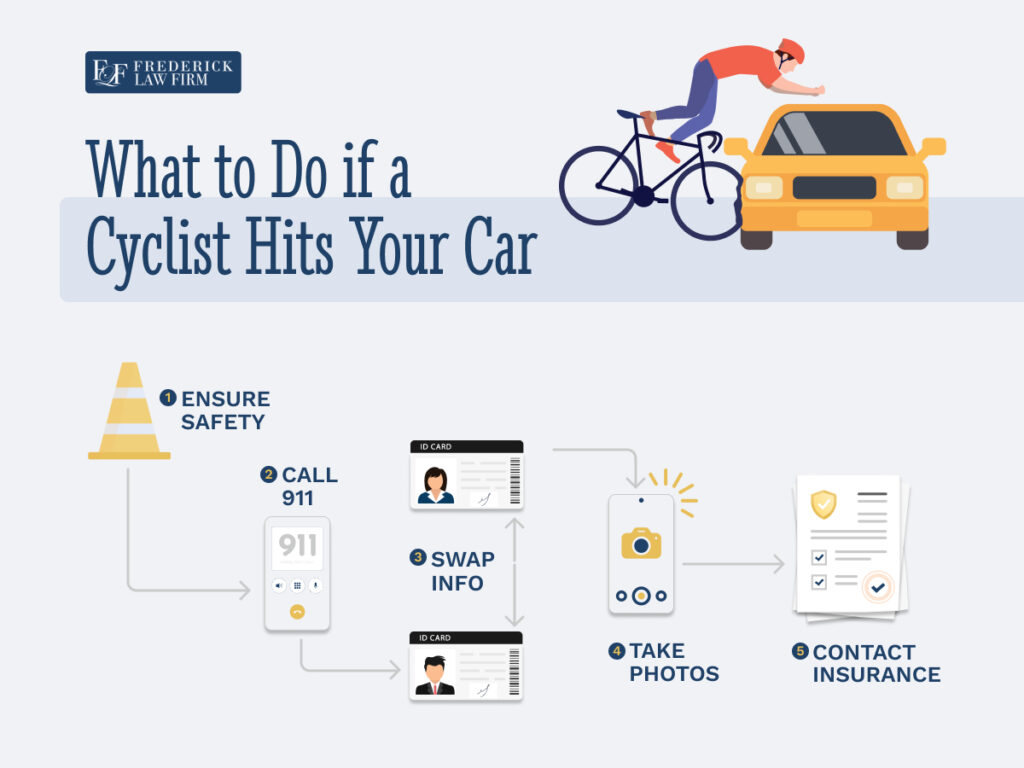
Image Source: www.fredericklaw.net
Your Rights as a Cyclist in a Traffic Accident
Being involved in a traffic accident as a cyclist can be a frightening and disorienting experience. If a car driver is at fault, you have legal rights to seek compensation for your injuries and losses. This guide aims to clarify those rights and the process of making a bicycle accident claim.
Proving Negligence of a Car Driver
To successfully claim against a car driver, you need to establish their negligence. Negligence in a legal context means that the driver failed to exercise reasonable care, and this failure directly caused your injuries. Common examples of driver negligence include:
- Speeding: Driving above the posted speed limit or too fast for road conditions.
- Distracted Driving: Using a mobile phone, eating, or engaging with passengers instead of focusing on the road.
- Impaired Driving: Driving under the influence of alcohol or drugs.
- Failure to Yield: Not giving way to cyclists when required by law, such as at intersections or when turning.
- Following Too Closely: Not maintaining a safe distance from the cyclist ahead.
- Improper Lane Changes: Moving into a cyclist’s lane without checking their presence.
- Ignoring Traffic Signals: Running red lights or stop signs.
Establishing Liability in a Car vs Cyclist Accident
Determining the liability car driver is crucial for any injury claim cyclist. Liability refers to legal responsibility for the accident and the resulting damages. In most cases, the driver of the motor vehicle will be held liable if their actions or omissions directly caused the collision. However, liability isn’t always straightforward.
Factors influencing liability include:
- Traffic Laws: Adherence to or violation of traffic laws by both the cyclist and the driver.
- Road Conditions: Weather, visibility, and road surface quality.
- Equipment: The condition of both the bicycle and the car.
- Witness Testimony: Statements from individuals who saw the accident occur.
- Police Reports: Official documentation of the incident.
- Accident Reconstruction: Expert analysis to determine the sequence of events.
Common Scenarios Leading to Cyclist Claims
Many types of incidents can lead to a successful bicycle accident claim:
- Dooring: A car occupant opening a door into the path of an oncoming cyclist.
- Side-swipe Collisions: A driver drifting into the cyclist’s lane.
- Rear-end Collisions: A car hitting a cyclist from behind.
- Turning Accidents: A car turning across a cyclist’s path, often at an intersection.
- Pedestrian Path Incidents: Cars entering or crossing designated cycling paths or sidewalks.
What Damages Can a Cyclist Claim?
If you are successful in your claim, you may be entitled to several types of damages to compensate you for your losses. The goal of these damages is to restore you, as much as possible, to the position you were in before the accident.
Economic Damages
These are quantifiable financial losses:
- Medical Expenses:
- Hospital stays and emergency room visits.
- Doctor’s appointments and specialist fees.
- Surgeries and rehabilitation services (physical therapy, occupational therapy).
- Medications and medical supplies.
- Cost of assistive devices (crutches, wheelchairs).
- Future medical care, if ongoing treatment is required.
- Lost Wages and Earning Capacity:
- Income lost due to time off work for recovery.
- Loss of future earning potential if the injuries prevent you from returning to your previous job or limit your career advancement.
- Property Damage:
- Repair or replacement cost for your damaged bicycle.
- Cost of replacing damaged clothing, helmet, or other personal belongings.
Non-Economic Damages
These are intangible losses that are harder to quantify but are equally important:
- Pain and Suffering:
- Physical pain experienced due to the injuries.
- Emotional distress, anxiety, and fear resulting from the accident.
- Mental anguish and psychological trauma.
- Loss of Enjoyment of Life:
- Inability to participate in hobbies, sports, or social activities you previously enjoyed.
- Loss of Consortium:
- In some jurisdictions, a spouse may claim for the loss of companionship and support due to your injuries.
- Disfigurement and Scarring:
- Compensation for permanent physical changes that affect your appearance.
The Legal Process for a Bicycle Accident Claim
Navigating a bicycle accident claim can be complex. It often involves several stages, from initial investigation to potential litigation.
Initial Steps After an Accident
- Seek Medical Attention: Your health is paramount. Even if injuries seem minor, some can worsen over time. A medical report also serves as crucial evidence.
- Report the Accident: Call the police immediately. A police report is an official record that can be vital for your claim.
- Gather Information:
- Driver’s Information: Name, address, phone number, insurance details, license plate number.
- Witness Information: Names and contact details of anyone who saw the accident.
- Scene Details: Take photos of the accident scene, road conditions, traffic signals, and any damage to your bike or the vehicle.
- Document Your Injuries: Keep detailed records of all medical treatments, appointments, and expenses. Note down how your injuries affect your daily life.
- Avoid Admitting Fault: Do not apologize or admit any responsibility at the scene, even if you feel partially to blame. Let investigators and legal professionals determine fault.
Working with a Personal Injury Lawyer
A personal injury lawyer who specializes in cyclist accidents can be invaluable. They understand the nuances of traffic accident law and can:
- Investigate the Accident: Gather evidence, interview witnesses, and potentially hire accident reconstruction experts.
- Deal with Insurance Companies: Insurance adjusters may try to minimize payouts. A lawyer will negotiate on your behalf.
- Calculate Your Damages: Ensure all economic and non-economic losses are accounted for.
- File the Claim: Prepare and submit all necessary paperwork and legal documents.
- Represent You in Court: If a settlement cannot be reached, your lawyer will represent you in legal proceedings.
The Claims Process
- Notification of Claim: Informing the at-fault driver’s insurance company of your intention to claim.
- Investigation and Negotiation: The insurance company will investigate the claim. Your lawyer will present evidence and negotiate a settlement.
- Settlement Agreement: If an agreement is reached, you will sign a release, and the insurance company will issue payment.
- Litigation: If negotiations fail, your lawyer may file a lawsuit to pursue your claim in court.
Contributory Negligence and Its Impact
In some jurisdictions, if the cyclist is found to be partly at fault for the accident (contributory negligence), it can affect the amount of road accident compensation they receive. The rules vary:
- Pure Contributory Negligence: If you are found even 1% at fault, you may be barred from recovering any damages.
- Pure Comparative Negligence: Your recovery is reduced by your percentage of fault. For example, if you are 10% at fault, you can only recover 90% of your damages.
- Modified Comparative Negligence: You can recover damages as long as your fault is below a certain threshold (e.g., 50% or 51%). If you exceed this threshold, you recover nothing.
It is essential to discuss how contributory negligence laws apply in your specific location with your legal representative.
Statute of Limitations for Claims
Every jurisdiction has a time limit within which a lawsuit must be filed, known as the statute of limitations. If you miss this deadline, you may lose your right to pursue compensation. The typical timeframe can range from one to several years from the date of the accident. It is vital to consult with a personal injury lawyer cyclist promptly to ensure your claim is filed within the legal timeframe.
What If the Driver Flees the Scene?
If the driver leaves the scene of the accident without exchanging information (a hit-and-run), it complicates the claim. However, you may still have options:
- Uninsured/Underinsured Motorist (UM/UIM) Coverage: If you have this coverage on your own auto insurance policy, you may be able to file a claim under your own policy.
- Police Investigation: Provide all details to the police to help them identify the driver.
Key Legal Rights for Cyclists
Your legal rights as a cyclist are fundamental to ensuring fair treatment after an accident.
Right to the Road
Cyclists have the right to use public roads, just like motor vehicles. This includes sharing lanes, using bike lanes when available, and following traffic laws. Drivers have a responsibility to share the road safely.
Right to Safety
All road users have a right to safety. Drivers are legally obligated to operate their vehicles in a manner that does not endanger others. This means being aware of cyclists, maintaining safe distances, and yielding when necessary.
Right to Compensation
As mentioned, if a driver’s negligence causes you harm, you have the legal right to seek compensation for your damages. This ensures that victims are not left to bear the financial burden of another person’s carelessness.
How to Choose a Personal Injury Lawyer Cyclist
Selecting the right legal representation is a critical step in securing a fair settlement car accident. Consider these factors:
- Experience: Look for a lawyer with a proven track record in handling bicycle accident claims and personal injury cases.
- Specialization: Lawyers who specialize in cyclist accidents are more likely to understand the specific challenges and legal arguments involved.
- Reputation: Research client testimonials, peer reviews, and case results.
- Communication: Ensure the lawyer and their team are responsive and keep you informed about your case.
- Fee Structure: Most personal injury lawyers work on a contingency fee basis, meaning they only get paid if you win your case. Understand the percentage and any upfront costs.
Frequently Asked Questions (FAQ)
Q1: Can I claim if I was not wearing a helmet?
A: Yes, you can still claim. While wearing a helmet is advisable for safety, not wearing one does not automatically preclude you from seeking compensation, although it might be used by the defense to argue comparative negligence in some cases.
Q2: What if the accident happened on a bike path?
A: If a car is involved in an accident with a cyclist on a bike path, the driver is likely liable, as these paths are often designated for non-motorized traffic. However, specifics depend on local laws regarding vehicle access to such paths.
Q3: How long does a bicycle accident claim typically take?
A: The duration varies significantly. Simple cases with clear liability and minor injuries might resolve in a few months. More complex cases involving severe injuries, disputed liability, or litigation can take years.
Q4: What evidence is most important for my claim?
A: Key evidence includes the police report, medical records and bills, witness statements, photographs of the scene and injuries, and expert testimony (e.g., accident reconstructionists).
Q5: Should I talk to the driver’s insurance adjuster directly?
A: It is generally best to let your lawyer handle communications with the insurance adjuster. Anything you say can be used against you.
By understanding your legal rights and the process involved, you can navigate the aftermath of a car vs cyclist accident with greater confidence. Seeking legal advice from a qualified personal injury lawyer cyclist is a crucial step towards achieving fair road accident compensation and a just settlement car accident.