
Yes, a car accident can absolutely cause a herniated disc. The sudden and forceful impact of a collision can put immense pressure on your spine, leading to the soft, jelly-like center of an intervertebral disc to push through its tougher outer layer, resulting in a herniated disc. This type of injury is a common form of spinal injury car accident and can affect any part of the spine, but it’s particularly prevalent in the lower back (lumbar region) and neck.
When you’re involved in a car crash herniated disc is a significant concern. The forces involved in a car accident are unlike anything your body typically experiences. Even a seemingly minor fender-bender can generate enough momentum to jolt your spine, causing damage that might not be immediately apparent. This blog post will explore how car accidents lead to herniated discs, the symptoms to watch for, and what steps you can take if you suspect you’ve suffered this type of back injury auto accident.
Image Source: images.squarespace-cdn.com
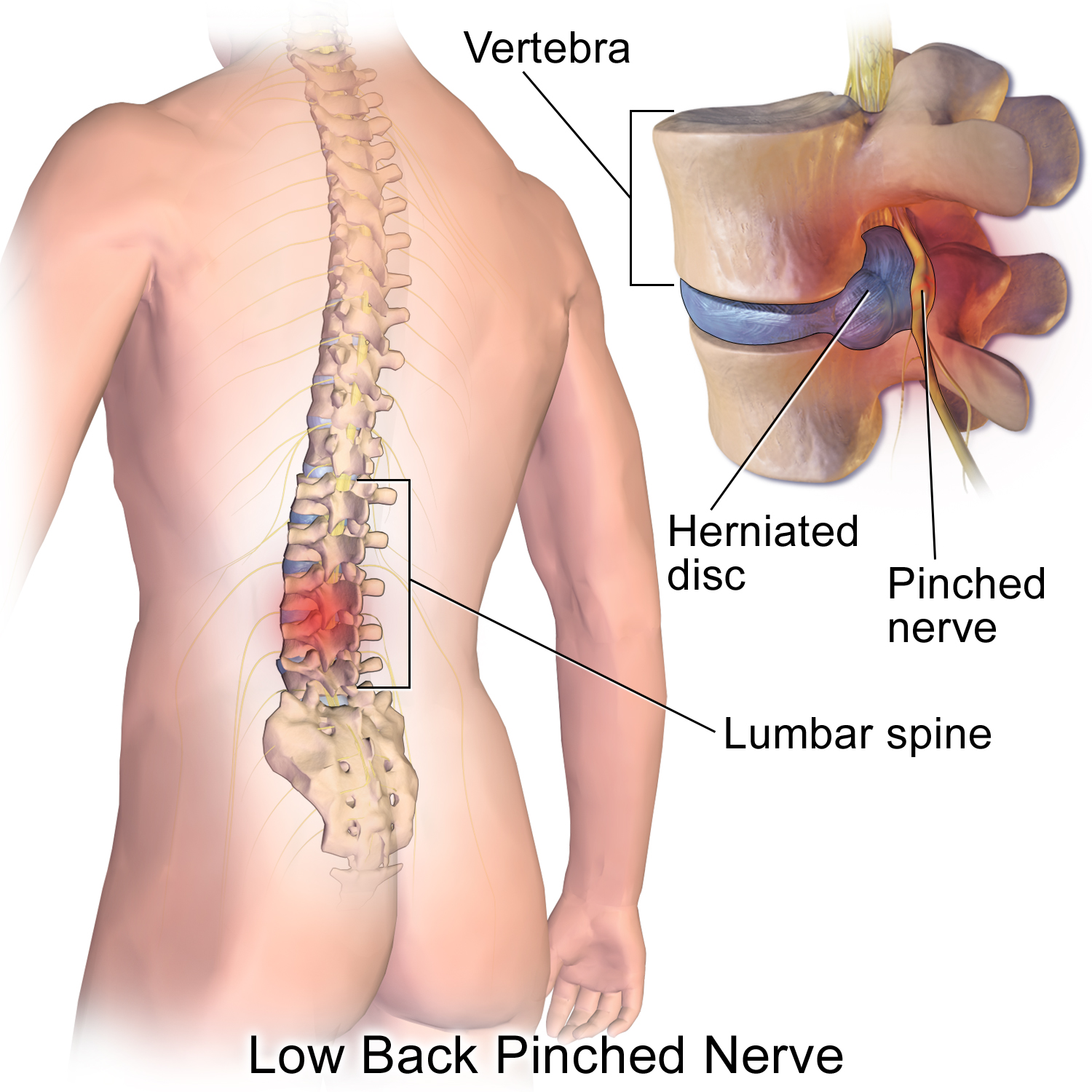
Deciphering the Spinal Column and Disc Herniation
Your spine is a marvel of biological engineering, designed for both strength and flexibility. It’s made up of individual bones called vertebrae, stacked one on top of the other. Between most of these vertebrae are intervertebral discs. Think of these discs as shock absorbers. They are like jelly donuts, with a tough outer ring (annulus fibrosus) and a soft, gel-like center (nucleus pulposus). These discs allow your spine to bend, twist, and absorb impact.
What Happens During a Disc Herniation?
A disc herniation occurs when the annulus fibrosus tears or weakens. This allows the nucleus pulposus to bulge or leak out. When this happens, it can press on nearby spinal nerves. This pressure is what causes pain, numbness, tingling, or weakness in the areas served by those nerves.
The Mechanics of Injury in a Car Accident
Car accidents generate immense forces that can severely impact the delicate structures of your spine. The sudden deceleration, twisting motions, and direct impact can all contribute to disc damage.
Whiplash and its Link to Disc Issues
One of the most common injuries associated with car accidents is whiplash. Whiplash disc herniation can occur as a direct result of this type of injury. Whiplash happens when your head is suddenly forced backward and then forward (or vice versa) during a collision. This rapid and extreme movement can strain and damage the muscles, ligaments, and discs in your neck. The force can be so powerful that it causes a disc to herniate in the cervical spine, leading to a neck injury collision.
Forces at Play During a Collision
- Sudden Deceleration: When a vehicle stops abruptly, your body continues to move forward due to inertia. This can cause your spine to compress and bend in unnatural ways.
- Rotational Forces: Side-impact collisions often involve significant twisting forces on the spine, which can tear the annulus fibrosus of a disc.
- Impact Trauma: Direct impact to the back or torso can transmit shockwaves through the spine, potentially damaging the discs.
Symptoms of a Herniated Disc After a Car Accident
The symptoms of a herniated disc can vary greatly depending on the location and severity of the herniation, as well as which nerve roots are being compressed. It’s important to note that some people may experience no symptoms at all, while others can have severe pain.
Common Symptoms to Watch For:
- Pain: This is often the most prominent symptom. The pain can be localized to the area of the herniation or radiate down an arm or leg. For instance, a lumbar disc herniation accident can cause pain that shoots down the back of your leg, a symptom commonly associated with sciatica car accident.
- Numbness or Tingling: You might feel a pins-and-needles sensation or a loss of feeling in the areas served by the affected nerve.
- Weakness: Muscles controlled by the affected nerve may become weaker, making it difficult to move or bear weight.
- Changes in Reflexes: A doctor might notice diminished reflexes in the affected limb.
- Bowel or Bladder Changes (Rare but Serious): In severe cases, particularly with large herniations in the lower spine, compression of the cauda equina nerve bundle can lead to serious issues with bladder or bowel control. This requires immediate medical attention.
Differentiating Symptoms Based on Location:
A herniated disc in the neck (cervical disc herniation collision) will present differently than one in the lower back.
Table 1: Symptoms by Spinal Location
| Spinal Region | Common Symptoms |
|---|---|
| Cervical | Neck pain, pain radiating into the shoulder, arm, and hand, numbness or tingling in the arm, weakness in the arm. |
| Lumbar | Lower back pain, pain radiating down the buttock and leg (sciatica), numbness or tingling in the leg or foot, weakness in the leg or foot. |
| Thoracic | Less common, but can cause mid-back pain, chest pain, or abdominal pain. |
It’s crucial to seek medical attention if you experience any of these symptoms after a car accident, even if they seem mild at first. The initial impact might cause a post-accident disc bulge that can worsen over time.
Factors Influencing the Severity of Injury
Not everyone who experiences a car accident will develop a herniated disc. Several factors can influence the likelihood and severity of such an injury.
Pre-existing Spinal Conditions
If you had any pre-existing issues with your spine, such as degenerative disc disease or a prior disc bulge, you might be more susceptible to a herniation following trauma.
The Nature of the Accident
- Speed of Impact: Higher speeds generally mean greater forces and a higher risk of injury.
- Type of Collision: Head-on collisions and severe side-impacts often exert more stress on the spine than rear-end collisions.
- Vehicle Safety Features: While safety features like airbags and seatbelts are designed to protect occupants, they can also contribute to the forces experienced by the body in certain types of impacts.
Body Position and Seatbelt Use
The way you are positioned in the car and whether you are wearing a seatbelt can significantly impact how your body absorbs the forces of a crash.
Diagnosis and Medical Evaluation
If you suspect you have a herniated disc after a car accident, a thorough medical evaluation is essential. This typically involves a physical examination and imaging tests.
The Diagnostic Process:
- Medical History: Your doctor will ask detailed questions about the accident, your symptoms, and any previous back or neck problems.
- Physical Examination: This will involve assessing your range of motion, muscle strength, reflexes, and sensation. They will also check for tenderness in specific areas of your spine.
- Imaging Tests:
- X-rays: While X-rays can’t directly show herniated discs, they can help rule out other potential causes of your pain, such as fractures or spinal instability.
- MRI (Magnetic Resonance Imaging): This is the gold standard for diagnosing herniated discs. An MRI uses magnetic fields and radio waves to create detailed images of your soft tissues, including the intervertebral discs and nerves. It can clearly show a disc bulge or herniation and identify any nerve compression.
- CT Scan (Computed Tomography): A CT scan can also be used to visualize the spine and may be helpful if an MRI is not possible.
Treatment Options for Herniated Discs
The treatment for a herniated disc after a car accident aims to relieve pain, reduce inflammation, and restore function. Treatment plans are often conservative initially and may progress to more invasive options if necessary.
Conservative Treatments:
- Rest and Activity Modification: Limiting activities that aggravate your pain is important in the initial stages. However, prolonged bed rest is generally not recommended.
- Medications:
- Pain Relievers: Over-the-counter pain relievers like ibuprofen or naproxen can help reduce pain and inflammation.
- Muscle Relaxants: These can be prescribed to alleviate muscle spasms.
- Nerve Pain Medications: Medications like gabapentin or pregabalin may be used to manage nerve-related pain.
- Physical Therapy: A physical therapist can guide you through specific exercises to strengthen your core muscles, improve flexibility, and promote proper posture. They can also use modalities like heat, ice, or ultrasound to help manage pain.
- Epidural Steroid Injections: These injections deliver corticosteroids directly to the area around the inflamed nerve roots, providing significant pain relief for many individuals.
Surgical Interventions:
Surgery is typically considered only when conservative treatments have failed to provide adequate relief or if there are signs of significant nerve damage, such as progressive weakness or loss of bowel or bladder control. Surgical options may include:
- Discectomy: Removal of the herniated portion of the disc.
- Laminectomy/Laminotomy: Removal of a small portion of the lamina (the bony arch of the vertebra) to create more space for the spinal cord and nerves.
- Spinal Fusion: In cases of significant instability, vertebrae may be fused together to provide stability.
The Importance of Prompt Medical Attention and Legal Counsel
If you’ve been in a car accident and are experiencing symptoms that could indicate a herniated disc, it’s crucial to seek immediate medical attention. Early diagnosis and treatment can significantly improve your prognosis and help prevent long-term complications.
Why Early Diagnosis Matters:
- Pain Management: Prompt treatment can help control pain and prevent it from becoming chronic.
- Preventing Further Damage: Early intervention can stop the herniated disc from causing more significant nerve damage.
- Facilitating Recovery: A well-structured treatment plan can speed up your recovery and return to daily activities.
Navigating the Legal Aspects:
A herniated disc resulting from a car accident can have significant financial and personal consequences, including medical bills, lost wages, and pain and suffering. If the accident was not your fault, you may be entitled to compensation. Consulting with a personal injury attorney specializing in back injury auto accident cases is highly recommended. They can help you:
- Gather evidence to support your claim.
- Navigate the complexities of insurance claims.
- Negotiate with insurance adjusters.
- Represent you in court if a settlement cannot be reached.
Remembering the connection between a neck injury collision or any other type of car crash herniated disc is vital when seeking legal recourse. A lawyer can help ensure you receive fair compensation for your injuries and losses.
Living with a Herniated Disc After an Accident
Recovering from a herniated disc can be a journey, and some individuals may experience lingering effects. Maintaining a healthy lifestyle and continuing with recommended therapies are key to managing the condition long-term.
Lifestyle Adjustments:
- Ergonomics: Pay attention to your posture and workstation setup to minimize strain on your spine.
- Weight Management: Excess weight can put additional stress on your back.
- Regular Exercise: Continue with low-impact exercises as recommended by your doctor or physical therapist to maintain strength and flexibility.
- Smoking Cessation: Smoking can impede healing and contribute to disc degeneration.
Long-Term Outlook:
With appropriate treatment and lifestyle modifications, many people recover well from herniated discs caused by car accidents. However, some may experience recurring symptoms or require ongoing management. It’s important to maintain open communication with your healthcare provider throughout your recovery.
Frequently Asked Questions (FAQ)
Q1: How soon after a car accident can a herniated disc develop?
Symptoms can appear immediately, or they may develop over days, weeks, or even months following the accident. Some injuries, like a post-accident disc bulge, might not cause significant pain until further degeneration occurs.
Q2: Can a minor car accident cause a herniated disc?
Yes, even minor car accidents can cause a herniated disc. The forces involved can be significant, and the outcome depends on various factors, including the angle of impact, your body’s position, and pre-existing spinal health. A seemingly minor car crash herniated disc can still lead to serious long-term issues.
Q3: What is the difference between a disc bulge and a disc herniation?
A disc bulge occurs when the outer layer of the disc weakens and distends outwards, but the outer layer remains intact. A disc herniation occurs when the outer layer tears, and the inner gel-like material protrudes through the tear. Both can press on nerves and cause pain.
Q4: Will I need surgery for a herniated disc caused by a car accident?
Most herniated discs caused by car accidents do not require surgery. Conservative treatments like physical therapy, medication, and injections are often successful in managing symptoms. Surgery is usually a last resort.
Q5: Can I claim compensation for a herniated disc after a car accident?
If the car accident was caused by someone else’s negligence, you can typically claim compensation for your medical expenses, lost wages, pain and suffering, and other related damages. Consulting with a personal injury lawyer is crucial for pursuing a claim. This is particularly important for injuries like sciatica car accident or lumbar disc herniation accident.
Q6: How long does it take to recover from a herniated disc after a car accident?
Recovery times vary significantly depending on the severity of the herniation and the treatment received. Some people may feel better within weeks, while others may take several months or longer to recover fully. The impact of a neck injury collision might have a different recovery timeline than a lumbar disc herniation accident.
Q7: Can a herniated disc caused by a car accident lead to long-term pain?
It is possible for a herniated disc to cause chronic pain, especially if it is not treated effectively or if there is significant nerve damage. However, with proper management, many individuals can significantly reduce or eliminate their pain.
In conclusion, a car accident can undoubtedly cause a herniated disc through the immense forces exerted on the spine. Recognizing the symptoms, seeking prompt medical evaluation, and understanding your legal rights are critical steps if you find yourself in this situation. Early intervention and proper care are key to a successful recovery and minimizing long-term impact.