
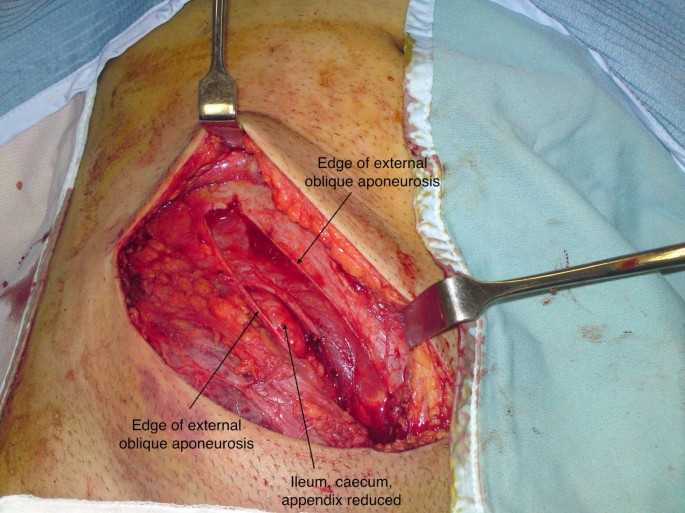
Image Source: media.springernature.com
Can You Get A Hernia From A Car Accident? Yes!
Yes, you can absolutely get a hernia from a car accident. A hernia can develop due to the significant forces and abdominal trauma experienced during a crash.
Car accidents, unfortunately, are a common source of severe car accident injuries. While many people associate these incidents with broken bones or head injuries, the internal damage can be just as devastating and sometimes less immediately obvious. The intense pressure and sudden shifts in body position can create the perfect storm for a hernia to form. This blog post will delve into how this happens, the types of hernias most commonly linked to accidents, and what to do if you suspect you have one.
The Mechanics of Hernia Formation in Collisions
A hernia occurs when an internal organ or fatty tissue pushes through a weak spot or tear in the surrounding muscle or connective tissue wall. Think of it like a tire with a bulge – the rubber has weakened, and the air pressure inside is pushing outward. In the context of a car accident, this “pressure” and “weakening” come from several potent forces:
- Sudden Deceleration and Impact: When a vehicle rapidly stops or collides, your body continues to move forward due to inertia. This can cause your internal organs to shift and press forcefully against your abdominal wall.
- Seatbelt Pressure: While essential for safety, the force of a seatbelt restraining your body during a sudden stop can concentrate immense pressure on specific areas of your abdomen. This direct, forceful pressure can be a primary cause of a seatbelt injury hernia.
- Blunt Force Trauma: Direct impact to the abdomen, even if the skin isn’t broken, can cause significant damage to the underlying muscle and tissue. This blunt force trauma hernia can lead to tears or weaknesses that allow hernias to develop.
- Abdominal Cavity Pressure: The overall jarring and pressure within the abdominal cavity during a crash can strain the abdominal wall to its breaking point. This is a significant factor in many impact related injuries.
These forces can create or exacerbate existing weaknesses in the abdominal wall, leading to a trauma induced hernia.
Types of Hernias Linked to Car Accidents
Several types of hernias can be caused or worsened by car accidents:
Groin Hernias
These are very common in car accidents, especially in men.
- Inguinal Hernias: This is the most frequent type. The intestines or bladder push through a weak spot in the abdominal wall in the groin area. The forceful impact and downward pressure during a crash can push these organs through the inguinal canal.
- Femoral Hernias: Less common than inguinal hernias, femoral hernias occur when tissue pushes through the femoral canal, which is also in the groin area. This is more common in women and can be serious due to the close proximity of blood vessels.
Abdominal Wall Hernias
These affect the front of the abdomen.
- Umbilical Hernias: While often seen in infants, adults can develop them too. They occur when tissue pushes through the navel. The intense pressure from a seatbelt or direct impact can cause this.
- Ventral Hernias: This is a general term for hernias that occur in the front abdominal wall, away from the groin. A direct blow to the abdomen or extreme strain from the impact can cause a tear in the abdominal muscles, leading to a ventral hernia. This is a significant concern with abdominal trauma.
- Epigastric Hernias: These appear in the upper abdomen, between the navel and the breastbone.
Diaphragmatic Hernias
These are less common but can be very serious.
- Diaphragmatic Hernia: The diaphragm is the muscle that separates your chest from your abdomen. A severe impact, particularly to the upper abdomen or chest, can cause a tear in the diaphragm, allowing abdominal organs to move into the chest cavity. This can lead to breathing difficulties and other severe complications.
The Role of the Seatbelt: A Double-Edged Sword
The seatbelt is a life-saving device, but it plays a complex role in car accident injuries. During a sudden impact, the seatbelt applies a significant restraining force. While it prevents ejection from the vehicle and reduces the risk of hitting the dashboard or windshield, this force can also create a localized pressure point.
A seatbelt injury hernia can develop if the belt digs deeply into the abdomen, particularly if the occupant is leaning forward or is in an awkward position at the moment of impact. The pressure can cause a tear or weakness in the abdominal wall. This is sometimes referred to as a “seatbelt sign” if there’s bruising or laceration from the belt, often accompanying internal injuries like a hernia.
Blunt Force Trauma and Internal Organ Damage
Beyond the seatbelt, the overall blunt force trauma of a car accident is a major contributor to hernias. Imagine your internal organs being jostled and slammed against the abdominal wall. This forceful impact can create microscopic tears that, over time or immediately, can develop into a full-blown hernia.
The risk of internal damage is high in severe accidents. This can include bruising of the organs, tearing of connective tissues that hold organs in place, or even lacerations. A trauma induced hernia is a direct consequence of this severe internal trauma. The body’s natural repair mechanisms might try to patch up minor tears, but severe impacts can overwhelm this process, leading to weakness.
Recognizing the Signs: What to Watch For
Symptoms of a hernia after a car accident may not always be immediate. They can develop days, weeks, or even months later as the initial trauma site heals imperfectly or as internal pressures shift.
Common Signs and Symptoms:
- A Visible Bulge: This is often the most noticeable sign. You might see or feel a lump or swelling in your groin, abdomen, or near your navel. This bulge may be more apparent when you stand, cough, or strain, and it might disappear when you lie down.
- Pain or Discomfort: You might experience a dull ache, sharp pain, or a feeling of heaviness or pressure in the affected area. This pain can worsen with physical activity, coughing, or lifting.
- Feeling of Fullness or Heaviness: A general sensation of fullness in the abdomen or groin can indicate a hernia.
- Nausea and Vomiting: In more severe cases, especially if the hernia becomes “strangulated” (where blood supply to the trapped tissue is cut off), you might experience nausea, vomiting, and severe pain. This is a medical emergency.
- Changes in Bowel Habits: If the hernia affects the intestines, you might experience constipation or difficulty passing gas.
The Connection with Concussions
It’s important to note that concussion and hernia might not seem directly related, but they can both stem from the same traumatic event. A concussion is a brain injury caused by the violent shaking or impact of the head. Similarly, a hernia is a physical injury to the abdominal wall caused by the forces of the accident. Both are impact related injuries and require separate medical evaluation. If you experience symptoms of a concussion, such as dizziness, confusion, or headaches, it’s crucial to seek medical help, and during that evaluation, you should also mention any abdominal discomfort or changes you’ve noticed.
When to Seek Emergency Medical Attention Hernia
If you experience any of the following after a car accident, it’s critical to seek emergency medical attention hernia immediately:
- Sudden, severe pain in the abdomen or groin.
- A bulge that becomes firm, tender, or cannot be pushed back in.
- Nausea and vomiting.
- Inability to pass gas or have a bowel movement.
- Fever.
These symptoms can indicate a strangulated hernia, which is a life-threatening condition that requires immediate surgery.
Medical Evaluation and Diagnosis
After a car accident, a thorough medical evaluation is crucial, even if you feel fine initially. Doctors will ask about the accident details and your symptoms.
Diagnostic Tools:
- Physical Examination: The doctor will likely feel for a bulge and check for tenderness.
- Imaging Tests:
- Ultrasound: This is often the first imaging test used. It uses sound waves to create images of the abdominal organs and tissues and can clearly identify a hernia.
- CT Scan (Computed Tomography): This provides more detailed cross-sectional images of the abdomen and can help identify the extent of the injury and any other internal organ damage.
- MRI (Magnetic Resonance Imaging): MRI uses magnetic fields and radio waves to create detailed images, useful for assessing soft tissues and identifying complex hernias.
Treatment Options for Hernias
The treatment for a hernia depends on its type, size, and whether it is causing symptoms.
Non-Surgical Management
- Observation: For small, asymptomatic hernias, a doctor might recommend watchful waiting. However, after a car accident, even a small hernia could worsen over time, so this approach is less common for trauma-induced hernias.
- Hernia Support Belts: These can provide temporary relief for some hernias by supporting the protruding tissue, but they do not fix the underlying weakness.
Surgical Intervention
Surgery is the most effective treatment for hernias caused by trauma. The goal is to return the protruding tissue to its proper place and repair the weakened abdominal wall.
- Open Surgery: This involves a larger incision directly over the hernia. The surgeon pushes the protruding tissue back into the abdomen and then repairs the muscle wall, often using strong, durable sutures or a synthetic mesh to reinforce the weakened area.
- Laparoscopic Surgery: This is a minimally invasive technique performed using a laparoscope (a thin, lighted tube with a camera) and small surgical instruments inserted through several small incisions. The surgeon repairs the hernia from the inside. Laparoscopic surgery often results in less pain and faster recovery than open surgery.
Mesh Repair: In many hernia repairs, especially after significant trauma, a synthetic mesh is used to strengthen the abdominal wall. This mesh acts as a scaffold for new tissue to grow, providing long-term support.
The Recovery Process
Recovery from hernia surgery varies depending on the type of surgery, the individual’s overall health, and the extent of the original injury.
General Recovery Timeline:
- First Few Days: Expect some pain and swelling. Pain medication will be prescribed. You’ll be advised to rest and avoid strenuous activity.
- First Few Weeks: Gradually increase your activity level. Avoid lifting anything heavier than 10-15 pounds. You might still experience some discomfort when moving or coughing.
- Several Months: Most people can return to their normal activities, including exercise and lifting, within 4-6 weeks for laparoscopic surgery and 6-8 weeks for open surgery, but your surgeon will provide specific guidance.
Long-Term Implications and Legal Considerations
If you believe your hernia was caused by a car accident, it’s crucial to document everything.
- Medical Records: Keep meticulous records of all doctor’s visits, tests, and treatments related to your injury.
- Legal Counsel: Consult with a personal injury attorney. They can help you understand your rights and pursue compensation for medical expenses, lost wages, pain and suffering, and other damages. Evidence linking the accident to the hernia will be vital for your claim.
Frequently Asked Questions (FAQ)
Q1: Can a seatbelt directly cause a hernia?
A1: Yes, the significant pressure exerted by a seatbelt during a sudden impact can cause a weakness or tear in the abdominal wall, leading to a seatbelt injury hernia.
Q2: How long does it take for a hernia to appear after a car accident?
A2: Symptoms can appear immediately, or they might develop weeks or even months after the accident as the initial trauma site heals or as internal pressures shift.
Q3: Is a hernia from a car accident always serious?
A3: While not all hernias are immediately life-threatening, any hernia resulting from trauma warrants prompt medical evaluation. Symptoms like severe pain, nausea, or vomiting indicate a medical emergency.
Q4: What if I had a hernia before the accident?
A4: If you had a pre-existing hernia that was asymptomatic or minor, and the car accident significantly worsened it or caused new symptoms, the accident can still be considered the cause of the worsened condition. Your medical and legal professionals can help establish this link.
Q5: Can a concussion lead to a hernia?
A5: No, a concussion itself does not cause a hernia. However, both can be the result of the same traumatic forces experienced in a car accident. They are distinct impact related injuries stemming from the same event.
Q6: What should I do if I suspect I have a hernia after a car accident?
A6: Seek immediate medical attention from a doctor or go to the emergency room, especially if you experience severe pain, nausea, vomiting, or if a bulge becomes hard and tender.
In conclusion, while often not the first injury people consider, hernias are a very real and serious consequence of car accidents. The immense forces involved, from direct impacts to the specific pressure of seatbelts, can create the perfect conditions for these injuries to occur. Prompt medical attention and a thorough evaluation are essential for diagnosis and treatment, ensuring the best possible outcome after a traumatic event.