
Why Would The Heat Stop Working In A Car: Common Causes
If your car’s heat isn’t working, it usually means a problem with the cooling system, the air delivery system, or the engine itself. The most common reasons for no heat in car cabin include low coolant levels, a faulty thermostat, or a clogged heater core. You might also experience a car heater not blowing if the blower motor or its resistor is bad, or if the car heater fan not working. When your car heater blowing cold air, it’s a clear sign something is amiss within these systems. Let’s delve deeper into why your car heating system might be failing.
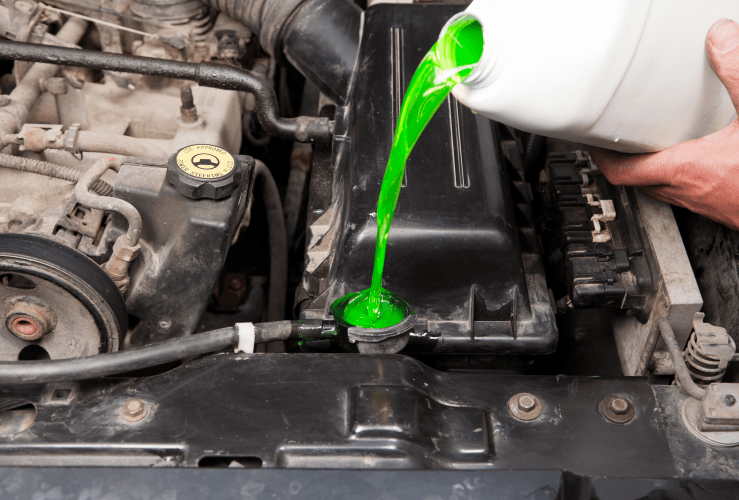
Image Source: www.startrescue.co.uk
Fathoming Your Car’s Heating System
Your car’s heating system is a marvel of engineering, cleverly using the heat generated by the engine to warm your cabin. It’s a closed-loop system, meaning the same coolant circulates through the engine, radiator, and heater core. When you turn on your heat, hot coolant flows through a small radiator-like device called the heater core, located behind your dashboard. A blower motor then pushes air across the heater core, warming the air before it’s directed into the cabin through your vents.
Deciphering Common Car Heating Problems
Several issues can lead to your car’s heater failing to deliver warmth. Let’s break down the most frequent culprits:
1. Low Coolant Levels
The lifeblood of your car’s heating system is its coolant, also known as antifreeze. This fluid absorbs heat from the engine and transfers it to the heater core.
- How it Happens: Leaks are the primary reason for low coolant. These can occur anywhere in the cooling system, from hoses and the radiator to the water pump and heater core itself. Over time, small amounts of coolant can also evaporate.
- Symptoms: Besides a lack of heat, you might notice the temperature gauge climbing higher than normal, or you might see puddles of coolant under your car. A sweet smell inside or outside the car can also indicate a coolant leak.
- Why it Affects Heat: If there isn’t enough coolant, the system can’t effectively circulate hot fluid to the heater core. Air pockets can also form in the system, preventing hot coolant from reaching the heater core, leading to car heater blowing cold air.
- What to Do: Check your coolant reservoir when the engine is cool. If it’s low, you can top it off with the correct type of coolant. However, it’s crucial to find and fix the leak, as simply adding coolant is a temporary solution.
2. Car Thermostat Failure
The thermostat acts as a valve, regulating the flow of coolant. It stays closed when the engine is cold to help it warm up quickly and opens when the engine reaches its optimal operating temperature, allowing coolant to flow to the radiator.
- How it Happens: Thermostats can fail in a few ways. They can get stuck open, closed, or partially open. Mineral deposits from the coolant can also cause them to seize.
- Symptoms of a Stuck-Open Thermostat: If the thermostat is stuck open, coolant will continuously flow to the radiator, even when the engine is cold. This prevents the engine from reaching its proper operating temperature, and consequently, the coolant won’t get hot enough to adequately heat the cabin, resulting in no heat in car cabin. The temperature gauge may also read lower than normal or fluctuate.
- Symptoms of a Stuck-Closed Thermostat: If the thermostat is stuck closed, coolant can’t flow to the radiator. This leads to the engine overheating rapidly, and while the heater might initially blow hot air, the engine overheating will take priority, potentially causing severe damage.
- Why it Affects Heat: A malfunctioning thermostat directly impacts the temperature of the coolant circulating through the heater core. If the coolant isn’t hot enough, the heater won’t work effectively.
- What to Do: Replacing a thermostat is a relatively straightforward repair for a mechanic. It’s a critical component for engine health and proper heating.
3. Car Heater Core Issues
The heater core is essentially a small radiator tucked away behind your dashboard. Hot coolant from the engine flows through it, and the blower motor pushes air across its fins to heat the cabin.
- How it Happens: Heater cores are prone to leaks and clogs. Over time, sediment and corrosion can build up inside the heater core, restricting coolant flow. Leaks can develop due to corrosion or physical damage.
- Symptoms of a Clogged Heater Core: You might experience weak heat or car heater blowing cold air even when other symptoms suggest the engine is warm. You might also notice that the temperature of the air coming from the vents fluctuates.
- Symptoms of a Leaking Heater Core: A common sign is a sweet smell inside the car, as the coolant is leaking and vaporizing. You might also see fogging or moisture on the inside of your windshield, especially when the heater is on, and possibly wet floor mats.
- Why it Affects Heat: A clogged heater core prevents sufficient hot coolant from circulating, reducing the heat transferred to the air. A leak means less coolant is available to reach the heater core in the first place.
- What to Do: Clogged heater cores can sometimes be flushed, but a persistent leak or severe blockage often requires replacement. This can be a labor-intensive job as the dashboard often needs to be partially dismantled to access it.
4. Car Blower Motor Malfunction
The blower motor is the fan that pushes air through your car’s ventilation system and into the cabin. If it’s not working, you won’t feel any air coming from the vents, regardless of the temperature.
- How it Happens: Blower motors can fail due to worn-out bearings, electrical issues (like a blown fuse or faulty relay), or a damaged blower motor resistor.
- Symptoms: The most obvious symptom is that no air is coming from the vents at all, or the fan only works on certain speed settings. This is a classic sign of a car heater not blowing. You might also hear unusual noises like grinding or squealing when the fan is on.
- Why it Affects Heat: Even if your engine is producing plenty of heat and the coolant is flowing, without a functional blower motor, that warm air can’t reach you. The car heater fan not working is a direct cause of no heat being delivered.
- What to Do: If the blower motor isn’t working, check the fuse and relay first. If those are fine, the blower motor itself or the blower motor resistor likely needs replacement.
5. Issues with the Blower Motor Resistor
The blower motor resistor controls the speed of the blower motor, allowing you to adjust how much air comes out of your vents.
- How it Happens: The resistor can burn out due to overheating, often caused by a failing blower motor that draws too much current.
- Symptoms: Typically, the blower motor will only work on the highest speed setting. If you turn the fan speed down, no air will come out. This indicates the resistor is faulty.
- Why it Affects Heat: While the blower motor itself might be functioning, the inability to control its speed, or a complete failure on lower settings, means you can’t get air circulating at the desired rate, impacting your ability to regulate cabin temperature.
- What to Do: Replacing the blower motor resistor is usually a relatively simple and inexpensive repair.
6. Air Blend Door Actuator Failure
Modern cars use air blend doors (or actuators) to control which vents the air flows through and to mix hot and cold air to achieve your desired temperature.
- How it Happens: These actuators are small electric motors that can fail due to internal motor issues or problems with their electrical connections.
- Symptoms: You might find that the temperature control doesn’t work at all – the air is always hot or always cold. You might also hear clicking or grinding noises from behind the dashboard when you try to adjust the temperature or vent selection. This is another reason why you might have car heater blowing cold air.
- Why it Affects Heat: If the blend door is stuck in a position that doesn’t allow hot air into the cabin, you won’t get any heat, even if the heater core is hot.
- What to Do: Replacing a faulty blend door actuator usually requires accessing it behind the dashboard, so it’s often a job for a professional.
7. Radiator Cap Issues
While less common, a faulty radiator cap can also impact your heating system.
- How it Happens: The radiator cap maintains pressure in the cooling system. If it’s not sealing properly, it can allow coolant to escape as steam, lowering the overall coolant level.
- Symptoms: Similar to low coolant, you might experience poor heating and potential engine overheating.
- Why it Affects Heat: Reduced coolant pressure means the coolant’s boiling point is lowered, making it more likely to turn into steam and escape the system, leading to less hot coolant reaching the heater core.
- What to Do: A new radiator cap is inexpensive and easy to replace. However, if it was leaking, investigate why the cap failed in the first place.
8. Water Pump Problems
The water pump circulates coolant throughout the engine and cooling system, including to the heater core.
- How it Happens: The impeller inside the water pump can wear out or break, or the pump’s seal can fail, leading to leaks.
- Symptoms: Besides poor heating, you might notice a whining or grinding noise from the front of the engine, coolant leaks, and engine overheating.
- Why it Affects Heat: If the water pump isn’t circulating coolant effectively, hot coolant won’t reach the heater core, leading to a lack of heat.
- What to Do: A failing water pump needs to be replaced by a qualified mechanic.
9. Clogged Heater Hoses
The hoses carry coolant to and from the heater core.
- How it Happens: These hoses can become kinked or clogged with debris or rust over time.
- Symptoms: You might notice that one hose going to the heater core is hot, while the other is cool, indicating poor circulation. This can lead to car heater blowing cold air.
- Why it Affects Heat: A blockage prevents hot coolant from entering the heater core or prevents the cooled coolant from returning to the engine.
- What to Do: Hoses can sometimes be flushed, but if they are significantly clogged or damaged, they will need to be replaced.
Troubleshooting: A Step-by-Step Approach
When your car’s heating system isn’t working, a systematic approach can help pinpoint the problem.
Step 1: Check Coolant Levels and Condition
- Action: Inspect the coolant reservoir. Ensure the level is between the “min” and “max” lines when the engine is cool. Also, check the coolant for any signs of contamination (e.g., oil, rust, debris).
- Outcome: If low, top up with the correct coolant and look for leaks. If contaminated, the system may need flushing.
Step 2: Assess Blower Motor Function
- Action: Turn on the fan at all speed settings. Do you hear any air movement? Does the fan speed change?
- Outcome: If no air, or only on high, suspect the blower motor or resistor. If the fan works but blows cold air, the issue lies with the coolant circulation.
Step 3: Feel the Heater Hoses
- Action: With the engine warmed up (and cautiously, as they can be hot), carefully feel the two hoses going into the firewall (where the heater core is located).
- Outcome: If one hose is hot and the other is cold, it suggests a blockage in the heater core or a problem with coolant flow. If both are cool, the engine might not be reaching operating temperature, or the water pump could be failing.
Step 4: Monitor the Temperature Gauge
- Action: Observe your car’s temperature gauge while driving.
- Outcome: If the gauge reads normal and you have no heat, it points to issues like the blend door, blower motor, or a clogged heater core. If the gauge is reading low, suspect the thermostat. If it’s reading high, suspect low coolant or a faulty water pump/radiator.
Step 5: Inspect for Leaks
- Action: Look for any signs of coolant leaks under the car, around hoses, the radiator, and the water pump. Also, check the interior for wet floorboards or fogged windows.
- Outcome: Leaks indicate a breach in the cooling system that needs immediate attention.
Key Components and Their Role
| Component | Function | Potential Failure | Symptoms of Failure |
|---|---|---|---|
| Coolant | Absorbs and transfers engine heat | Low level, contamination, incorrect mixture | Car heater blowing cold air, engine overheating |
| Thermostat | Regulates coolant flow to maintain optimal engine temperature | Stuck open or closed | Car heater blowing cold air (stuck open), engine overheating (stuck closed) |
| Heater Core | Small radiator that heats cabin air | Clogged, leaking | Weak heat, no heat in car cabin, sweet smell inside, fogged windows, wet carpets |
| Blower Motor | Fan that circulates air through the HVAC system | Electrical failure, worn bearings | Car heater not blowing, no air from vents, strange noises |
| Blower Motor Resistor | Controls blower motor speed | Burned out | Fan only works on highest setting, car heater not blowing on lower speeds |
| Water Pump | Circulates coolant throughout the system | Leaking seal, worn impeller | No heat in car cabin, engine overheating, whining noise, coolant leaks |
| Heater Hoses | Carry coolant to and from the heater core | Kinked, clogged, leaking | Uneven hose temperatures, car heater blowing cold air |
| Blend Door Actuator | Directs air and mixes hot/cold air | Motor failure, electrical issues | Temperature control malfunction, clicking noises, car heater blowing cold air |
| Radiator Cap | Maintains pressure in the cooling system | Faulty seal | Coolant loss, car heater blowing cold air, potential overheating |
Frequently Asked Questions (FAQ)
Q1: My car heater is blowing air, but it’s cold. What’s the most common reason for this?
A1: The most common reasons for car heater blowing cold air are low coolant levels, a faulty thermostat that isn’t opening to allow hot coolant to circulate, or a clogged heater core.
Q2: The fan in my car heater isn’t blowing at all. What should I check first?
A2: If the car heater fan not working, you should first check the fuse for the blower motor and the blower motor resistor. If those are okay, the blower motor itself may need replacement.
Q3: I smell a sweet smell inside my car and my windows keep fogging up. What could this be?
A3: This is a classic sign of a leaking heater core. The sweet smell is from the leaking coolant, and the fogging is caused by the coolant vapor on your windshield.
Q4: Can I drive my car if the heater isn’t working?
A4: Generally, yes, you can drive your car if the heater isn’t working, as long as the engine isn’t overheating. However, it’s important to address the issue promptly, as a problem that causes lack of heat can also lead to engine overheating if it’s related to the cooling system.
Q5: Why is my car heating system failing if the engine temperature gauge is normal?
A5: The engine temperature gauge only reflects the overall engine temperature. It doesn’t specifically measure the temperature of the coolant reaching the heater core. Issues like a clogged heater core, a faulty blend door actuator, or a problem with the blower motor can cause no heat in car cabin even when the engine is operating at its normal temperature.
By familiarizing yourself with these common causes and troubleshooting steps, you can better diagnose why your car’s heat isn’t working and get it repaired before the cold weather truly sets in. Regular maintenance of your cooling system is the best defense against these frustrating and uncomfortable problems.