
A clicking sound in your car can be unsettling. The most common reasons for a clicking sound in your car are issues with the CV joints, wheel bearings, suspension components, brake pads, or even engine parts like lifters or exhaust leaks. This blog post will delve into the various sources of this common automotive ailment and guide you through deciphering its meaning.
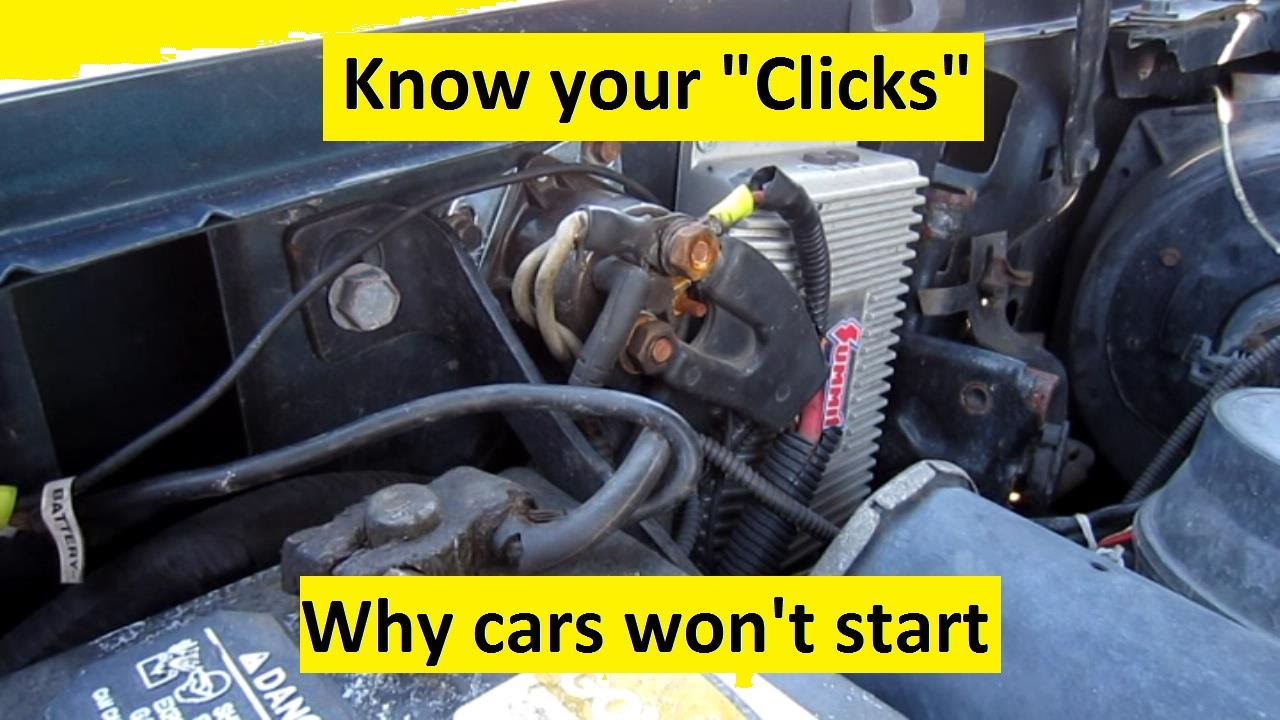
Image Source: i.ytimg.com
Fathoming the Clicking Noise While Driving
Experiencing a clicking noise while driving can be a source of anxiety for any car owner. This sound, often intermittent or constant, can originate from a multitude of sources, each pointing to a specific problem within your vehicle’s intricate systems. Pinpointing the exact cause requires careful observation and a systematic approach.
Deciphering the Front of Car Clicking
When the front of car clicking becomes apparent, it often signals a problem localized to the front axle, steering, or braking components. The precise nature of the click can offer clues. For instance, a rhythmic click that speeds up with your vehicle’s speed might relate to a rotating component.
CV Joints: The Usual Suspects
One of the most frequent culprits for a clicking sound, especially when turning, is a worn-out Constant Velocity (CV) joint. These crucial components allow your front wheels to turn and receive power simultaneously. They are protected by a rubber boot, which, if torn, allows dirt and moisture to enter, quickly degrading the joint’s lubrication and leading to wear.
- How CV Joints Work: CV joints are essentially flexible couplings that transmit power from the transmission to the wheels while allowing for steering and suspension movement. They are designed to operate smoothly even at extreme angles.
- Symptoms of a Failing CV Joint:
- Clicking noise, particularly when turning sharply.
- A vibration felt through the steering wheel or chassis.
- Grease leakage from the torn CV boot.
Wheel Bearings: A Different Kind of Click
While often associated with a humming or grinding sound, a failing wheel bearing can sometimes manifest as a clicking noise, especially as it worsens. This is because the bearing surfaces are becoming damaged and are no longer rotating smoothly.
- The Role of Wheel Bearings: Wheel bearings are essential for allowing your wheels to rotate freely with minimal friction. They are located within the wheel hub.
- Identifying Wheel Bearing Issues:
- Clicking or grinding sounds that change with speed.
- A humming noise that gets louder as you accelerate.
- Wobbling or looseness in the steering.
Other Front-End Noises
Beyond CV joints and wheel bearings, other components in the front of your car can produce clicking sounds:
- Ball Joints: These connect the control arms to the steering knuckles and allow for pivoting. Wear can lead to clicking.
- Tie Rod Ends: Part of the steering system, worn tie rod ends can cause clicking, especially during steering.
- Struts and Shocks: While typically associated with bouncing or clunking, sometimes a worn strut mount or internal component can click.
The Click When Turning: Steering and Suspension Clues
A clicking sound when turning is a very specific symptom that often narrows down the possibilities. This is because the act of turning places unique stresses on various components, making pre-existing issues more pronounced.
CV Joints Revisited
As mentioned, CV joints are prime suspects for clicking when turning. The faster you turn, and the sharper the turn, the more the worn joint is stressed, leading to a more audible click.
Steering Rack or Power Steering Pump
While less common for a distinct “click,” issues within the steering rack (the mechanism that translates steering wheel movement into wheel direction) or the power steering pump can sometimes produce unusual noises, including clicks, under certain conditions.
- Steering Rack Problems: Leaks or internal wear within the steering rack can cause noises.
- Power Steering Pump Issues: Low fluid levels or a failing pump can sometimes create various sounds, including clicks.
Suspension Components
The suspension system is a complex network of arms, linkages, and shock absorbers designed to keep your wheels in contact with the road. Worn bushings, ball joints, or even loose components within the suspension can lead to clicking noises when the suspension is articulated during turns.
The Engine Clicking Noise: What’s Happening Under the Hood?
An engine clicking noise is a different category of sound, often originating from the heart of your vehicle. These sounds can be more serious and warrant immediate attention.
Lifter Tick: A Common Engine Sound
One of the most prevalent engine clicking noises is known as “lifter tick.” This typically occurs when the hydraulic lifters, which are part of the valve train, are not properly filled with oil.
- How Lifters Work: Hydraulic lifters are small components that sit between the camshaft and the valves. They use oil pressure to maintain a constant contact, ensuring proper valve operation.
- Causes of Lifter Tick:
- Low Oil Level or Pressure: Insufficient oil prevents lifters from functioning correctly.
- Dirty Oil: Sludge or debris can clog the small passages within the lifters.
- Worn Lifters: Over time, lifters can wear out, losing their ability to hold oil pressure.
- Incorrect Oil Viscosity: Using oil that is too thick or too thin for your engine can affect lifter operation.
Exhaust Leaks
A small exhaust leak, particularly at the manifold or where exhaust pipes connect, can sometimes produce a ticking sound, especially when the engine is cold. As exhaust gases escape under pressure, they can create a rhythmic tapping or clicking noise.
Other Engine-Related Clicks
- Fuel Injectors: Modern fuel injectors operate electronically and can produce a rapid, light clicking sound as part of their normal operation. This is usually a subtle, consistent sound.
- Spark Plug Wires/Coils: If a spark plug wire is loose or a coil pack is failing, it can sometimes cause an electrical arcing sound that might be perceived as a click.
- Timing Belt/Chain: While less common to produce a distinct click, a problem with the timing belt tensioner or a worn timing chain can sometimes create unusual noises.
Clicking Noise From Wheels: Beyond the CV Joint
When you hear a clicking noise from wheels, especially at lower speeds or when coasting, the possibilities expand beyond just the CV joints.
Brake Components
Brake systems are complex and have many moving parts. A worn brake pad, a loose brake caliper, or even a foreign object caught in the brake assembly can cause a clicking sound.
- Worn Brake Pads: As brake pads wear down, the metal backing plate can sometimes contact the rotor, creating a clicking or scraping sound.
- Loose Caliper: If a brake caliper is not properly secured, it can shift and make noise.
- Debris in Brakes: A small stone or debris lodged between the brake rotor and dust shield can cause a persistent clicking.
Wheel Hubs and Lug Nuts
While less common for a pure “click,” a loose wheel hub assembly or even improperly tightened lug nuts can sometimes produce sounds that might be interpreted as clicking, especially under load or when the wheel is turning.
Suspension Clicking: The Ride Quality Factor
Suspension clicking directly impacts your driving comfort and can be a sign of wear in various suspension parts.
Bushings and Ball Joints
The suspension system relies on numerous bushings (rubber or polyurethane components that absorb shock and vibration) and ball joints to allow for movement. When these components wear out, they can develop play, leading to clicking or clunking sounds as the suspension articulates.
- Worn Bushings: Rubber bushings can degrade over time, crack, or dry out, losing their cushioning properties and allowing metal-on-metal contact.
- Worn Ball Joints: Similar to CV joints, ball joints allow for pivoting. Wear in a ball joint can create a clicking or popping sound, especially when turning or going over bumps.
Sway Bar Links
The sway bar (or anti-roll bar) helps reduce body roll during cornering. The links connecting the sway bar to the suspension can wear out, leading to a clicking or rattling sound, particularly on uneven roads or during turns.
The Mysterious Clicking Under Hood
When the clicking under hood is persistent and difficult to pinpoint, it’s often a sign of issues within the engine bay that are not directly related to the wheels or suspension.
Accessory Belt System
The accessory belt (or serpentine belt) drives various components like the alternator, power steering pump, and air conditioning compressor. A worn belt tensioner or a pulley that is starting to fail can sometimes produce a clicking or chirping sound.
- Belt Tensioner: This component maintains the correct tension on the accessory belt. A failing tensioner can cause the belt to slip or wobble, leading to noise.
- Pulley Bearings: Bearings within components driven by the belt (like the alternator or idler pulleys) can wear out and start to click or grind.
Vacuum Leaks
While often associated with hissing sounds, a significant vacuum leak can sometimes cause unusual noises, including a ticking or clicking, as air is drawn into the system through an unintended opening.
Diagnosing the Clicking Sound: What to Do
When you notice a car clicking noise, the most important step is to not ignore it. Early diagnosis can prevent more significant and costly repairs down the line.
Listen Carefully
- When does it happen? When turning, braking, accelerating, at idle, over bumps?
- Where does it seem to come from? Front, rear, left, right, under the engine?
- What is the rhythm? Is it constant, intermittent, fast, slow?
Professional Inspection
For most clicking sounds, a professional mechanic is your best bet. They have the tools and expertise to safely lift your car and inspect the relevant components.
Table of Common Clicking Sounds and Their Likely Causes
| Sound Description | Likely Cause(s) | Location |
|---|---|---|
| Clicking when turning sharply | Worn CV Joint | Front wheels |
| Rhythmic clicking that speeds up | Worn CV Joint, Wheel Bearing, Loose Lug Nuts | Wheels, Front Axle |
| Clicking when braking | Worn Brake Pads, Loose Brake Caliper, Debris in brakes | Wheels, Brake System |
| Clicking from under the hood | Lifter Tick, Exhaust Leak, Accessory Belt Tensioner/Pulley | Engine Bay |
| Clicking over bumps | Worn Suspension Bushings, Ball Joints, Sway Bar Links | Suspension System |
| Consistent, light clicking (engine) | Fuel Injectors (normal operation) | Engine Bay |
| Clicking that worsens when turning | Worn CV Joint, Steering Component, Suspension Component | Front of car, Wheels |
Can I Drive With a Clicking Noise?
While a minor clicking noise might not immediately disable your vehicle, it’s generally not advisable to drive with a persistent clicking noise, especially if it’s related to steering, suspension, or the braking system. Continuing to drive can exacerbate the problem, leading to more severe damage and potentially compromising your safety. For example, a failing CV joint can eventually break, leaving you stranded.
Frequently Asked Questions (FAQ)
Q1: What is the most common cause of a clicking sound when turning?
A1: The most common cause of a clicking sound when turning is a worn-out Constant Velocity (CV) joint on the front axle.
Q2: Can a clicking noise from the wheels indicate a problem with the brakes?
A2: Yes, a clicking noise from the wheels can indicate issues with the brake pads, brake calipers, or debris caught in the brake assembly.
Q3: I hear a clicking noise from the engine. What could it be?
A3: Engine clicking noises can stem from several sources, including ticking hydraulic lifters due to low oil pressure or volume, minor exhaust leaks, or issues with accessory belt pulleys or tensioners.
Q4: Is it safe to ignore a clicking sound?
A4: No, it is generally not safe to ignore a clicking sound. It often signals a component that is wearing out and could lead to more significant problems or safety hazards if left unaddressed.
Q5: How much does it cost to fix a clicking sound?
A5: The cost of repair varies significantly depending on the cause. A minor brake issue might be relatively inexpensive, while a CV joint replacement or a more complex engine repair can be more costly. It’s best to get a professional diagnosis for an accurate estimate.
By paying close attention to the sounds your car makes and seeking professional help when needed, you can keep your vehicle running smoothly and safely.