
Can you drive your car immediately after a ceramic coating? The short answer is no, you cannot drive your car immediately after a ceramic coating. You need to allow sufficient time for the coating to cure properly, which typically involves a waiting period before regular use. This guide will delve into the crucial aspects of ceramic coating, from its curing process to when it’s truly safe to hit the road.
Ceramic coatings are a fantastic way to protect your car’s paintwork, offering superior gloss, hydrophobicity, and resistance to environmental contaminants. However, the effectiveness and longevity of this protection hinge on allowing the coating to cure correctly. Rushing the process can lead to suboptimal results and diminished protection.
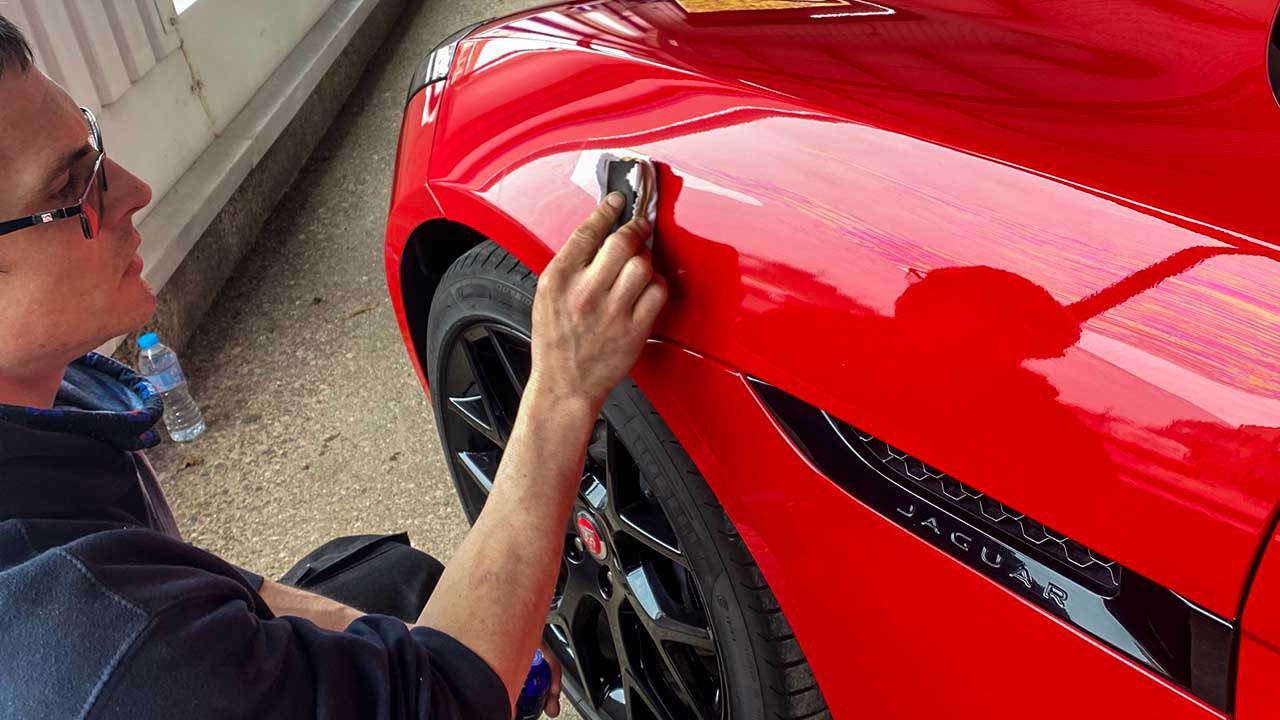
Image Source: cars.newagain.co.uk
Deciphering Ceramic Coating Cure Time
Understanding ceramic coating cure time is paramount for anyone who has recently had their vehicle coated or is considering it. This isn’t just about the coating feeling dry to the touch; it’s about the chemical bonding process that solidifies the coating’s protective layer.
The Science Behind the Shine: How Ceramic Coatings Work
Ceramic coatings are typically silica (SiO₂) based liquids. When applied to a vehicle’s surface, they react with the ambient air, humidity, and temperature. This chemical reaction forms a hard, flexible, and durable layer that bonds molecularly to the factory paint. This layer is significantly harder and more robust than traditional waxes or sealants.
Stages of Curing: From Wet to Rock Hard
The curing process of a ceramic coating isn’t instantaneous. It occurs in distinct stages:
- Flash Dry: This is the initial stage where the solvents in the coating evaporate, leaving a tack-free surface. This usually happens within minutes to an hour after application, depending on the product and environmental conditions.
- Initial Cure (Gassing Off): During this phase, the remaining chemical bonding is taking place. The coating is still somewhat vulnerable and can be easily damaged by environmental factors. This stage can last from several hours to a couple of days.
- Full Cure: This is when the coating has reached its maximum hardness and chemical resistance. This can take anywhere from 7 days to 30 days, or even longer, depending on the specific product formulation and the environmental conditions.
Factors Influencing Ceramic Coating Drying Time
Several factors can influence how quickly a ceramic coating dries and cures:
- Temperature: Warmer temperatures generally speed up the evaporation of solvents and the curing process. Colder temperatures can significantly slow it down.
- Humidity: High humidity can impede the evaporation of water-based carriers in some coatings, slowing the drying process. Conversely, very low humidity might accelerate solvent evaporation but can sometimes impact the bonding process for certain formulations.
- Product Formulation: Different brands and types of ceramic coatings have varying chemical compositions, leading to different curing times. Some professional-grade coatings might cure faster than DIY options.
- Application Thickness: Applying the coating too thickly can lead to uneven curing and potential streaking. Proper application is key.
- Airflow: Good ventilation can help with solvent evaporation, but excessive direct airflow immediately after application might not be ideal for all products.
When is it Safe to Drive After Ceramic Coating?
The question of driving after ceramic coating is a common one, and the answer lies in respecting the ceramic coating cure time.
The Critical Waiting Period: What the Professionals Advise
Most reputable detailers and manufacturers recommend a specific waiting period before exposing a newly coated vehicle to the elements and the rigors of driving.
- Minimum Waiting Period: Typically, the minimum recommended time before driving a newly coated car is 24 to 72 hours. This allows the coating to achieve its initial cure, meaning it’s dry to the touch and resistant to light water contact.
- Ideal Curing Period: For optimal ceramic coating protection period, it’s best to avoid driving or exposing the car to rain, dew, bird droppings, or other contaminants for 7 to 14 days. This allows the coating to reach a significant level of hardness and bond strength.
- Full Hardness: While the coating might feel hard within a few days, achieving its ultimate ceramic coating hardness can take up to 30 days or even longer. During this full cure period, the coating is most vulnerable.
Why Avoid Driving Too Soon?
Driving a newly coated car before it has adequately cured can have several negative consequences:
- Contamination: Uncured coatings are more susceptible to etching from contaminants like bird droppings, bug splatter, or even tree sap. These can bond to the coating before it’s fully hardened, leaving permanent marks.
- Water Spotting: While ceramic coatings are hydrophobic, if exposed to water before fully cured, especially hard water that evaporates quickly, it can leave water spots that are harder to remove from the uncured layer.
- Swirling and Scratching: The coating’s ceramic coating hardness develops over time. Driving on dusty roads or encountering minor abrasions before full cure can lead to swirls and scratches in the coating itself, compromising its protective capabilities.
- Uneven Curing: Driving subjects the car to varying temperatures, humidity, and airflow, which can lead to uneven curing across the surface if the coating hasn’t bonded properly.
What About Driving in Light Rain?
Even light rain during the initial curing period (the first 24-72 hours) should ideally be avoided. While the coating might repel water, the interaction of the water with the still-forming chemical bonds can potentially cause issues. After the initial 24-72 hour period, light rain is less of a concern, but avoiding prolonged exposure or heavy downpours for the first week is still advisable.
Navigating Driving After Ceramic Coating: Best Practices
If you absolutely must drive your car shortly after it’s been coated, or once the initial waiting period has passed, there are best practices to follow to minimize any risks.
Post-Application Care: Protecting Your Investment
Proper post-application care is as crucial as the application itself.
- Avoid Washing: Do not wash the vehicle for at least 7-14 days after application. This allows the coating to cure without the potential harshness of soaps or the mechanical action of washing mitts.
- Gentle Cleaning: If unavoidable dirt or debris accumulates, use a gentle detail spray and a clean, high-quality microfiber towel to lightly wipe it off. Avoid aggressive scrubbing.
- No Waxes or Sealants: Do not apply any other waxes, sealants, or glazes over the ceramic coating. The coating is designed to be the final protective layer.
- Monitor for Issues: Keep an eye out for any unusual spotting or imperfections and address them according to the coating manufacturer’s recommendations.
Driving a Newly Coated Car: Minimizing Risk
When you do start driving a newly coated car, be mindful of the following:
- Choose Your Routes: Opt for cleaner roads and avoid areas known for heavy dust, construction, or excessive salt usage (in winter).
- Park Smart: If possible, park in a garage or shaded area to protect the coating from direct sunlight and potential environmental contaminants.
- Immediate Wipe-Down: If you encounter fresh bird droppings or bug splatter, use a quick detailer and a clean microfiber towel to gently remove them as soon as safely possible.
Ceramic Coating Drying Time vs. Curing Time: A Crucial Distinction
It’s important to differentiate between ceramic coating drying time and ceramic coating curing time.
- Drying Time: This refers to the time it takes for the solvents or carrier liquids in the coating to evaporate, leaving the surface feeling dry and tack-free. This is a relatively short period.
- Curing Time: This is the much longer process where the chemical reaction takes place, and the coating hardens and bonds to the paintwork. This is the period that dictates when you can safely use your car.
Think of it like paint on a wall. It might be dry to the touch within an hour, but it takes days or weeks to reach its full hardness and durability.
Ceramic Coating Hardness Development: A Timeline
The ceramic coating hardness is not static immediately after application. It develops over time.
| Stage | Timeframe | Description | Driving Allowed? | Vulnerability to Contamination |
|---|---|---|---|---|
| Flash Dry | 0-2 Hours | Solvents evaporate, surface is tack-free but not bonded. | No | High |
| Initial Cure | 24-72 Hours | Coating is dry to touch, initial chemical bonding has occurred. | Yes (with caution) | Moderate |
| Partial Cure | 7-14 Days | Coating is significantly harder and more resistant. | Yes | Low |
| Full Cure | 14-30+ Days | Coating has reached maximum hardness, chemical resistance, and durability. | Yes | Very Low |
Immediate driving after coating is strongly discouraged because the coating is still in its most vulnerable stages (Flash Dry to Initial Cure).
Ceramic Coating Reapplication Time: When is it Needed?
While a well-maintained ceramic coating can last for several years, eventually, it will degrade. The ceramic coating reapplication time depends on several factors:
- Coating Quality: Higher quality, professional-grade coatings typically last longer.
- Maintenance: Regular washing with pH-neutral soaps and proper drying techniques will extend the coating’s life.
- Environmental Exposure: Cars exposed to harsh climates, heavy UV radiation, or frequent contaminants may see their coating degrade faster.
- Wear and Tear: Over time, the top layers of the coating can wear down from regular washing and minor abrasions.
Generally, you might consider ceramic coating reapplication time every 2-5 years, depending on the product and its performance. You’ll notice a decrease in hydrophobicity (water beading) and gloss as the coating starts to wear out.
Frequently Asked Questions (FAQ)
Q1: Can I wash my car after a ceramic coating?
A1: No, you should not wash your car for at least 7-14 days after the ceramic coating is applied. This allows the coating to fully cure and harden.
Q2: What happens if I drive my car too soon after a ceramic coating?
A2: Driving too soon can expose the uncured coating to contaminants like bird droppings, bug splatter, or dust, which can permanently bond to the surface. It can also lead to uneven curing, scratching, or damage to the protective layer before it has reached its full hardness.
Q3: My ceramic coating feels dry. Can I drive my car now?
A3: Feeling dry to the touch (flash dry) is not the same as being fully cured. While you might be able to drive it cautiously after 24-72 hours, it’s best to wait for the full curing period (typically 7-14 days, ideally 30) before resuming normal driving habits to ensure maximum protection.
Q4: Is it okay to park my car outside after a ceramic coating?
A4: It’s best to park in a garage during the initial curing period (first 7-14 days) if possible. If not, try to avoid parking under trees or in areas prone to bird droppings or heavy dew. While the coating offers protection, the uncured layer is more susceptible.
Q5: What are the signs that my ceramic coating is wearing out?
A5: Signs include a significant reduction in water beading (water no longer sheets off the surface effectively), a decrease in gloss, and increased susceptibility to water spots or etching from contaminants.
Q6: How long does a ceramic coating last?
A6: A properly applied and maintained ceramic coating can last anywhere from 2 to 5 years, and in some cases, even longer, depending on the product quality, environmental conditions, and maintenance routine.
By respecting the ceramic coating cure time, you ensure that this advanced protective layer performs at its best, keeping your car looking pristine for years to come. Patience during the curing phase is truly the key to unlocking the full potential of your ceramic coating.