
Can you prevent tree sap from getting on your car windshield? Yes, there are several effective ways to prevent tree sap from ruining your car’s appearance. While complete prevention can be challenging, especially during peak sap seasons, employing a combination of proactive measures and timely cleaning can significantly reduce its impact. This guide will delve into the best strategies for keeping your windshield free from this sticky nuisance.
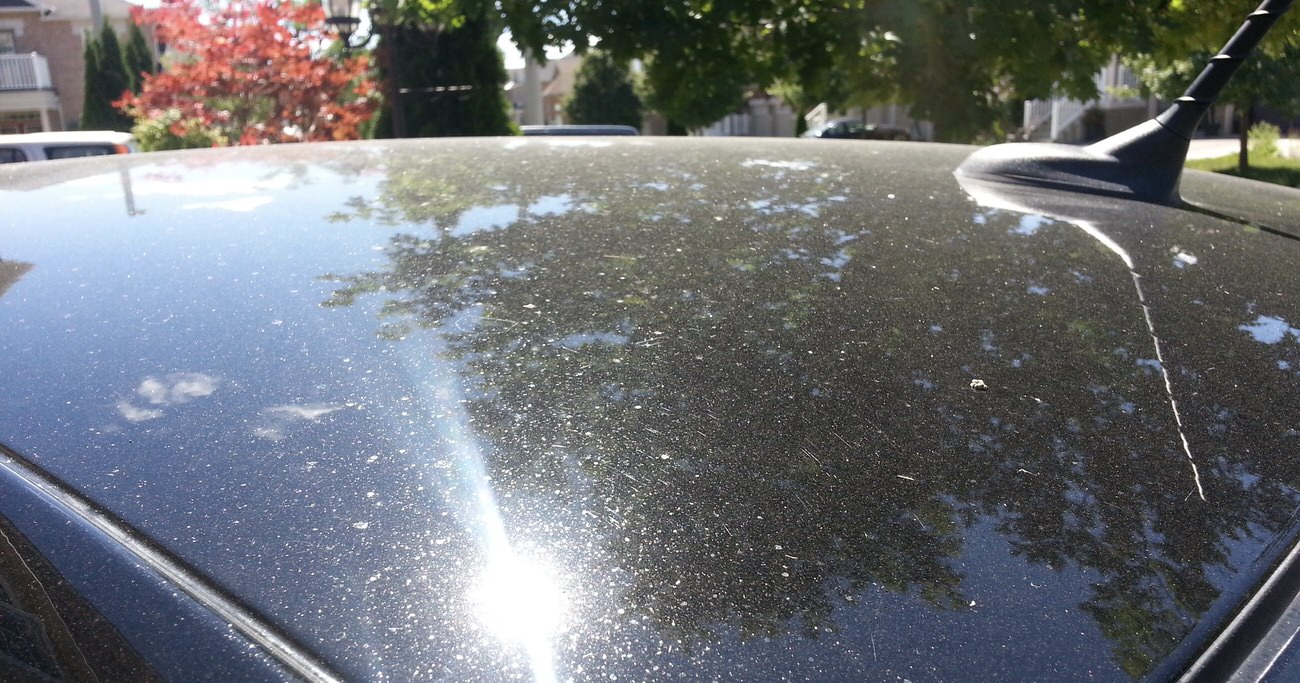
Image Source: cjsautobling.com
Why Tree Sap Attacks Your Car
Tree sap is a natural substance produced by trees, primarily to heal wounds and transport nutrients. However, when trees, particularly evergreens like pines or certain deciduous varieties, are in season or stressed, they can exude a sticky, clear or amber-colored liquid. This liquid, often referred to as tree resin, is the culprit behind those frustrating spots on your car. It’s especially prevalent in warmer months when trees are actively growing and can release significant amounts. Factors like high temperatures and sunlight can even “bake” the sap onto your paintwork and glass, making it harder to remove. Understanding the nature of pine sap and other tree exudates helps in devising the right prevention and removal strategies.
The Sticky Situation: What Happens When Sap Lands
When tree sap lands on your car, it doesn’t just sit there. It’s sticky and can attract dirt and debris, creating a grimy film. If left unattended, especially under the sun, it hardens and can bond to the surface, leading to stubborn sap stain removal challenges. This is where the need for a good tree sap remover or specialized automotive cleaning products becomes apparent. The longer sap stays on your car, the more difficult it becomes to remove without damaging the finish or glass. Ignoring it can lead to permanent etching on your paint or cloudiness on your windshield.
Proactive Prevention: Your First Line of Defense
The best approach to dealing with tree sap is to avoid it altogether. While this isn’t always possible, there are several proactive steps you can take.
Strategic Parking: Dodging the Drip
- Know Your Trees: Familiarize yourself with which trees in your area are prone to sap production. Evergreens, maples, oaks, and birches are common culprits.
- Seek Shade Wisely: While parking in the shade is generally good for your car, be mindful of the types of trees providing that shade. A tree known for sap is often worse than a few minutes in direct sun.
- Avoid “Sap Sap Trap” Zones: Identify areas that are consistently “drip zones” for sap. These might be under specific branches or near particularly active trees.
- Consider Alternatives: If you have a driveway, park there. If street parking is your only option, try to find a spot away from heavily sapping trees.
Protective Measures: Creating a Barrier
- Car Covers: A high-quality car cover is one of the most effective ways to shield your vehicle from environmental contaminants, including tree sap. Look for covers that are breathable and UV-resistant. This creates a physical barrier between the sap and your car’s surface.
- Wax or Sealant: Applying a good coat of car wax or a paint sealant creates a sacrificial layer on your car’s paint and glass. This layer can be cleaned or reapplied more easily than removing hardened sap directly from the finish. Wax provides a few weeks to a couple of months of protection, while sealants can last several months. This acts as a form of protective coating.
- Ceramic Coatings: For long-term protection, consider a professional ceramic coating. These are much harder and more durable than waxes or sealants, offering superior resistance to environmental contaminants. They create a highly hydrophobic surface, making it harder for sap to adhere.
Timely Cleaning: The Key to Easy Removal
Even with the best prevention, some sap might still land on your car. The key to easy removal is acting quickly.
The “Sap Sap Trap” Cleanup Routine
- Immediate Wipe-Down: If you notice fresh sap, use a soft microfiber cloth dampened with water or a dedicated car wash solution to gently wipe it away. Avoid scrubbing, as this can spread the sap and potentially scratch the paint.
- Regular Car Washes: Regular car wash sap removal is crucial. Even if you don’t see visible sap, a routine wash helps remove any residue before it has a chance to bond. Use a high-quality car wash soap designed for automotive cleaning.
Effective Removal Techniques: Tackling the Sticky Stuff
When prevention fails and sap has bonded to your car, you’ll need specific cleaning methods. It’s important to choose the right product to avoid damaging your car’s finish.
What You’ll Need
- Microfiber Towels: Plenty of clean, soft microfiber towels are essential to avoid scratching.
- Car Wash Soap: A pH-neutral car wash soap.
- Water Source: A hose with a spray nozzle or buckets of water.
- Tree Sap Remover: Specialized products designed for this purpose.
- Bug and Tar Remover: Many bug and tar remover products are also effective on tree sap due to their solvent properties.
- Rubbing Alcohol (Isopropyl Alcohol): Diluted rubbing alcohol can be effective on glass.
- Glass Cleaner: For the final polish of your windshield.
Step-by-Step Removal Strategies
For Fresh Sap:
- Pre-rinse: Gently rinse the affected area with water to remove loose dirt and debris.
- Wash: Wash the area with your car wash soap and a microfiber wash mitt.
- Gentle Wipe: If sap remains, use a clean, damp microfiber cloth to gently wipe the area. You might need to re-dampen the cloth a few times.
- Rinse and Dry: Rinse the area thoroughly and dry with a clean microfiber towel.
For Stubborn, Dried-On Sap:
Important Note: Always test any cleaning product on an inconspicuous area of your car first to ensure it doesn’t damage the paint or clear coat.
-
Using a Specialized Tree Sap Remover:
- Apply: Follow the product instructions carefully. Typically, you’ll spray the tree sap remover directly onto the hardened sap.
- Dwell Time: Allow the product to sit for the recommended time to break down the sap’s sticky bonds.
- Wipe: Gently wipe away the loosened sap with a clean microfiber cloth. You may need to reapply the product for very stubborn spots.
- Wash: Once the sap is removed, wash the entire area with car wash soap to remove any residue from the cleaner.
- Rinse and Dry: Rinse and dry the car thoroughly.
-
Using a Bug and Tar Remover:
- Application: Apply a small amount of bug and tar remover to a microfiber cloth, not directly to the car.
- Gentle Rubbing: Gently rub the affected area in a circular motion. The solvents in the product will dissolve the sticky residue.
- Wipe Away: Use a clean part of the cloth to wipe away the dissolved sap.
- Immediate Wash: It is crucial to wash the area immediately after using a bug and tar remover, as these products can sometimes strip wax or sealant.
- Rinse and Dry: Rinse and dry the car.
-
Using Diluted Rubbing Alcohol (for Glass Only):
- Dilute: Mix isopropyl alcohol with water in a 1:1 ratio. Never use pure alcohol on paint.
- Apply: Dampen a clean microfiber cloth with the diluted alcohol solution.
- Gently Rub: Gently rub the sap on the windshield. The alcohol helps to break down the tree resin.
- Wipe Clean: Use a clean, dry microfiber cloth to wipe away the loosened sap.
- Glass Cleaner: Finish by cleaning the windshield with a good quality glass cleaner for a streak-free finish.
-
The Heat Method (Use with Caution):
- For very tough sap, a hairdryer on a low setting can sometimes help soften it. Hold the dryer a few inches away from the sap and move it constantly to avoid overheating the glass or paint.
- Once softened, try to carefully wipe it away with a microfiber cloth dampened with car wash soap.
- Caution: Avoid using a heat gun, as this can easily crack or damage your windshield.
What NOT To Do When Removing Tree Sap
Certain methods, while tempting, can do more harm than good.
Common Mistakes to Avoid
- Scraping: Never use a razor blade, scraper, or abrasive sponge to remove hardened sap. This will almost certainly scratch your paint or glass.
- Harsh Solvents: Avoid using strong, undiluted solvents like nail polish remover, gasoline, or harsh household cleaners unless specifically recommended for automotive use and tested first. These can damage your car’s finish.
- Dry Wiping: Never try to wipe sap off a dry surface. This will only spread it and potentially cause scratches. Always use lubrication (water, soap, or cleaning product).
- Ignoring It: The longer you leave sap on your car, the harder it becomes to remove, and the higher the risk of permanent damage.
Maintaining a Sap-Free Windshield
Consistency is key to preventing sap stain removal headaches.
Long-Term Strategies
- Regular Detailing: Schedule regular professional or DIY detailing sessions to keep your car protected and clean.
- Quick Detailer Sprays: Keep a bottle of quick detailer spray and a microfiber cloth in your car. These are perfect for quickly removing light contaminants like bird droppings or fresh sap spots between washes.
- Windshield Treatments: Some advanced windshield cleaning products or treatments can create a slick surface that makes it harder for sap to adhere. Consider water-repellent coatings that can also offer some sap resistance.
Tree Sap Types and Their Behavior
Different types of trees produce sap with slightly different compositions, affecting how they behave and how they need to be removed.
Understanding Tree Resin
- Pine Sap: This is perhaps the most common type encountered, especially from pine trees. It’s typically very sticky, yellowish or brownish, and can harden quite rigidly. Its strong resinous nature requires effective solvents.
- Maple Sap: While maple syrup comes from maple sap, the sap dripping from maple trees onto cars can be sticky and translucent. It might not harden as severely as pine sap but can still attract dirt.
- Birch Sap: Birch trees can also exude a sticky substance, often clear or light amber.
- Oak Sap: Some oak varieties can produce sap that attracts insects and becomes sticky.
The goal of any tree sap remover is to break down the complex organic compounds in this tree resin without harming the car’s surface.
Frequently Asked Questions (FAQ)
Q1: How quickly should I try to remove tree sap?
A: The sooner, the better. Fresh sap is much easier to remove than sap that has been baked onto your car by the sun. Ideally, try to remove it within a few hours of noticing it.
Q2: Can I use window cleaner to remove sap from my windshield?
A: Standard window cleaner might remove very fresh, light sap, but it’s generally not strong enough for hardened sap or significant amounts. For tougher jobs on glass, a diluted alcohol solution or a dedicated glass cleaner designed for automotive use that can handle road film might be more effective.
Q3: Will a car wash remove tree sap?
A: A regular, thorough car wash with good quality soap and mitts can remove light, fresh sap. However, hardened or extensive sap deposits often require pre-treatment with a specialized tree sap remover or bug and tar remover before washing.
Q4: Is it safe to use WD-40 for sap stain removal?
A: While WD-40 can break down some sticky residues, it’s not specifically designed for automotive paint and can potentially strip wax or sealant, and in some cases, even affect the clear coat if left on too long. It’s generally better to use products specifically formulated for automotive cleaning or tree sap remover. If you do use it, wash the area immediately afterward with car wash soap.
Q5: How do I remove sap from a convertible soft top?
A: This requires extreme caution. Never use harsh solvents or abrasive materials. Use a mild soap solution specifically designed for convertible tops and a very soft brush or cloth. Test any cleaner in an inconspicuous spot first. For stubborn spots, consult the manufacturer’s recommendations for your specific soft top material.
Q6: My car has a protective coating. Can sap still stick to it?
A: Yes, sap can still stick to a protective coating, but it will be much easier to remove. The coating acts as a barrier, and the sap will typically adhere to the coating rather than the paint itself. You can often remove it with a simple wash or a quick detailer.
Q7: What is the best way to get pine sap off my car?
A: Pine sap is notoriously sticky. The best methods involve using a dedicated tree sap remover, a bug and tar remover, or a diluted alcohol solution for glass. Always apply the product to a cloth first, and gently work the sap away. A thorough wash afterward is essential.
Q8: Can I prevent sap by parking under a car shelter?
A: Yes, parking in a garage or under a solid car shelter (like a carport) is an excellent way to prevent tree sap and other environmental contaminants from reaching your car’s surface. This offers the ultimate protective coating against nature’s sticky surprises.
Q9: What’s the difference between tree sap and tar?
A: While both are sticky contaminants that can land on your car, tree sap is an organic exudate from trees, often called tree resin. Tar is typically a byproduct of asphalt or road construction. Both require specific cleaning agents for effective sap stain removal and tar removal, often found in bug and tar remover products.
Q10: How often should I apply wax or sealant to protect against sap?
A: This depends on the product. Waxes typically need reapplication every 1-3 months, while paint sealants can last 6 months or more. Ceramic coatings offer protection for years. Regular application of a protective coating is your best bet for making sap removal easier.
By following these preventive measures and employing effective cleaning techniques, you can significantly reduce the hassle of dealing with tree sap and keep your car looking its best. Remember, a little proactive care goes a long way in preserving your vehicle’s finish and ensuring a clear view through your windshield.