
Yes, you can wash your car in cold weather, but it requires extra care and specific techniques to prevent damage. While it might seem counterintuitive, keeping your car clean in winter is crucial for its longevity and appearance. This guide will walk you through the safest and most effective ways to tackle winter car cleaning and ensure your vehicle stays protected from the harsh elements, providing essential cold weather car care tips. We’ll delve into the specifics of washing car exterior cold, car washing tips winter, and the best way to wash car winter, all while focusing on preventing car damage winter and general winter car maintenance.
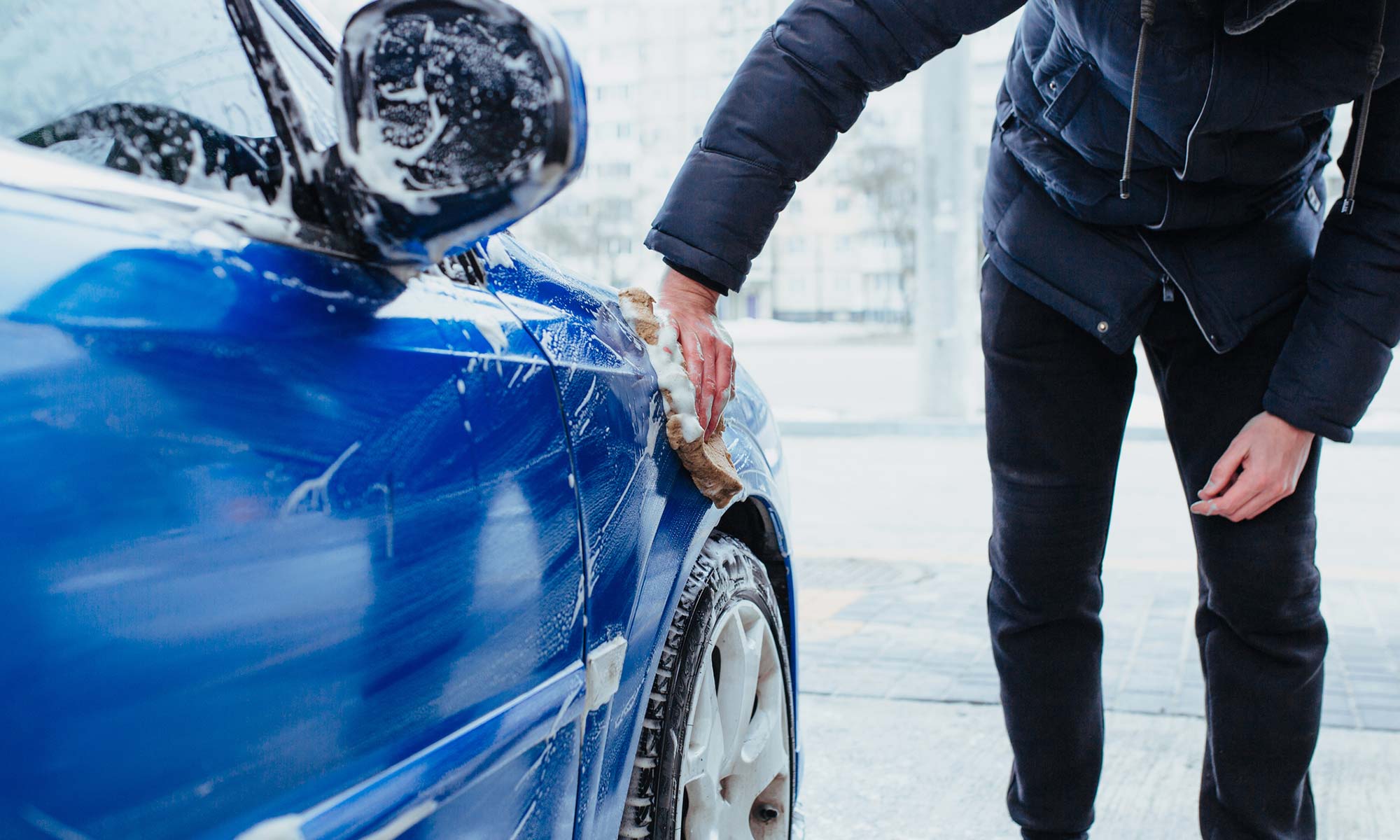
Image Source: www.endurancewarranty.com
The Risks of Washing Your Car in the Cold
Washing your car in freezing temperatures, or washing car in freezing temperatures, presents unique challenges. Water can freeze in locks, door seals, and on the paintwork, leading to potential problems. Ice formation can also affect moving parts like wipers and windows, making them stick or even break. Furthermore, if not done correctly, harsh chemicals can freeze on the surface, causing damage. Understanding these risks is the first step to protecting car in winter.
Ice Formation and its Consequences
- Frozen Door Locks and Seals: Water seeping into locks or clinging to rubber seals can freeze, making it impossible to open your doors or windows.
- Frozen Window Mechanisms: Water can get into the tracks of power windows, freezing them in place or causing damage to the motor and regulator.
- Ice on Wiper Blades: Frozen wiper blades can be torn from the windshield or their rubber damaged if you try to operate them while frozen.
- Surface Ice: Water left to dry on the paint can freeze, potentially lifting wax or sealant, and even causing micro-scratches when it’s chipped or scraped off.
Chemical Concerns
- Freezing Soaps and Waxes: Many car cleaning products have a specific temperature range for effective use. If they freeze, their chemical properties can change, rendering them less effective or even damaging to your car’s finish.
- Residue and Streaking: If water or cleaning solutions freeze before they can be properly rinsed and dried, they can leave behind streaks and unsightly marks that are difficult to remove.
How to Wash Your Car When It’s Cold: A Step-by-Step Approach
When the temperature drops, how to wash car when it’s cold becomes a critical question for any car owner. The key is to minimize the time water spends on your car’s surface and to work quickly and efficiently.
Choosing the Right Time and Place
The best time to wash your car in cold weather is on a day when the temperature is above freezing, even if it’s just barely. Aim for the warmest part of the day, typically late morning or early afternoon.
- Indoors is Ideal: If you have access to a heated garage or an indoor car wash facility, this is the absolute best option. It eliminates the risk of freezing entirely.
- Outdoor Considerations: If you must wash outdoors, choose a sheltered spot out of direct wind. Avoid washing your car if the temperature is expected to drop below freezing immediately after.
Essential Supplies for Winter Washing
Having the right tools and supplies is crucial for winter car maintenance.
- Warm Water: Use lukewarm or warm water for washing. Cold water can exacerbate the freezing problem.
- Quality Car Wash Soap: Opt for a pH-neutral car wash soap specifically designed for automotive use.
- Multiple Buckets: Use the two-bucket method: one for soapy water and one for rinsing your wash mitt. This prevents grit from being transferred back onto the paint.
- Soft Wash Mitts: Microfiber or lamb’s wool mitts are gentle on the paint.
- Drying Towels: High-quality, plush microfiber drying towels are essential for absorbing water quickly and preventing water spots.
- Door Seal Lubricant: A silicone-based spray or protectant can be applied to door seals to prevent them from freezing shut.
- Lock De-icer (Optional but Recommended): Keep a can handy in case a lock freezes.
- Tire Inflator and Sealant (Optional): In case of a flat tire due to cold, dry weather.
The Washing Process
- Pre-Rinse: Start by thoroughly rinsing your car with warm water. This helps to remove loose dirt and salt, and it also warms the surface slightly. Pay attention to the wheel wells and undercarriage where salt and grime accumulate most.
- Wash from Top to Bottom: Apply the soapy water using your wash mitt. Work from the roof downwards, tackling one section at a time. This ensures that dirtiest water doesn’t run over clean surfaces.
- Rinse Frequently: Rinse each section thoroughly as you go. Don’t let the soap dry on the paint.
- Wheel Cleaning: Clean your wheels separately with a dedicated wheel cleaner and brush. Be mindful of the temperature of the cleaner, as some can freeze.
- Final Rinse: Give the entire car a final rinse with warm water.
Drying: The Most Critical Step in Cold Weather Car Care
Drying your car properly is arguably the most important part of washing car exterior cold to prevent freezing.
- Thorough Drying: Use high-quality microfiber towels to dry the car completely. Work from the top down, ensuring no water is left behind.
- Focus on Problem Areas: Pay extra attention to door jambs, window seals, mirrors, the gas cap area, and the grille. These are areas where water can easily accumulate and freeze.
- Open Doors and Trunk: Open each door, the trunk, and the hood to dry the jambs and seals thoroughly. Use a separate dry towel for these areas.
- Check Nooks and Crannies: Blow compressed air into tight spaces and around trim if you have access to it. This removes trapped water.
Protecting Your Car in Winter: Beyond the Wash
Protecting car in winter involves more than just washing. Regular cleaning and proactive measures are key to preventing car damage winter.
Applying Protection
- Wax or Sealant: After washing and drying, apply a good quality wax or paint sealant. This creates a protective barrier against salt, grime, and moisture, making future cleaning easier.
- Door Seal Treatment: Apply a silicone-based lubricant or protectant to rubber door seals, the trunk seal, and even window seals. This prevents them from sticking to the car body when temperatures drop below freezing.
- Glass Treatment: Apply a hydrophobic glass treatment to your windshield and windows. This will help water and snow bead off, improving visibility and making ice removal easier.
Interior Care
Don’t forget the inside of your car during winter car maintenance.
- Floor Mats: Use rubber or all-weather floor mats to catch snow, salt, and mud tracked in by your feet. This protects your carpet from corrosive salt stains.
- Interior Cleaning: Regularly vacuum and wipe down interior surfaces. A damp cloth can help remove salt residue from door panels and dashboards.
- Defrosting and Defogging: Ensure your defroster and air conditioning systems are working properly to combat interior fogging, which is common in cold weather due to the temperature difference between the inside and outside of the car.
Alternative Winter Cleaning Methods
If the weather is too severe for a traditional wash, consider these alternatives for winter car cleaning:
Waterless Car Wash Products
Waterless car wash sprays are designed to clean your car without using water. They contain lubricants and cleaning agents that lift dirt and grime, allowing you to wipe it away safely with microfiber towels. This is an excellent option for light dirt and dust.
- How they work: The product encapsulates dirt particles, lifting them from the surface so they can be wiped away without scratching the paint.
- Best for: Light dirt, dust, and maintaining a clean look between washes. Not suitable for heavily soiled vehicles.
Rinseless Car Wash Solutions
Rinseless car wash products allow you to wash your car with minimal water. You typically mix the concentrated solution with water in a bucket, then use a wash mitt to clean one panel at a time, wiping it dry immediately with a separate microfiber towel. No final rinse with a hose is needed.
- Benefits: Uses significantly less water than a traditional wash and reduces the risk of water freezing.
- Technique: Work panel by panel, drying each section immediately after washing.
Drive-Thru Car Washes
Automatic car washes can be a quick solution for washing car exterior cold. However, there are some considerations:
- Touchless vs. Brush Washes: Touchless washes are generally safer for your paint as they use high-pressure water and chemicals. Brush washes can sometimes cause micro-scratches, especially if dirt and grit are not adequately rinsed off the brushes first.
- Drying Cycle: Ensure the car wash has a robust drying cycle to remove as much water as possible.
- Post-Wash Check: Even after an automatic wash, it’s a good idea to do a quick check and dry of door jambs and seals.
Car Washing Tips Winter: A Quick Reference
Here’s a summary of key car washing tips winter to keep your vehicle in top condition:
- Temperature is Key: Wash when the ambient temperature is above freezing.
- Warm Water is Your Friend: Use lukewarm or warm water for all stages of the wash.
- Bucket Method Matters: Always use the two-bucket method to prevent scratching.
- Dry, Dry, Dry: Thorough drying is paramount to preventing car damage winter.
- Protect Seals: Lubricate door and trunk seals to prevent freezing.
- Exterior Protection: Apply wax or sealant for an added layer of defense.
- Interior Preparedness: Use all-weather mats and keep the interior clean.
- Consider Alternatives: Waterless or rinseless washes are great for milder conditions or light dirt.
Dealing with Specific Winter Grime
Winter brings its own set of cleaning challenges, primarily road salt and de-icing agents. These are highly corrosive and can cause significant damage to your car’s paint, undercarriage, and metal components if left unchecked.
Salt and De-icing Agents
- Undercarriage Washing: It’s vital to wash the undercarriage of your car regularly during winter. Salt and chemicals can cause rust and corrosion, especially on brake lines, suspension components, and the exhaust system. Many automatic car washes offer undercarriage washes. If washing at home, consider using a pressure washer with an undercarriage attachment.
- Wheel Well Cleaning: These areas trap a lot of salt and grime. Ensure they are thoroughly cleaned during your washes.
- Rinse, Rinse, Rinse: When washing, be extra thorough in rinsing away all traces of salt.
Mud and Grime Buildup
Heavy mud and grime from winter roads can be stubborn.
- Soaking: For heavily soiled areas, a pre-soak with a good quality car wash solution can help loosen the dirt before you start scrubbing with your wash mitt.
- Wheel Brushes: Use a dedicated wheel brush to get into all the nooks and crannies of your wheels and wheel wells.
Winter Car Maintenance: A Broader Perspective
Beyond washing, winter car maintenance encompasses several other important checks to ensure your car runs reliably and safely during the colder months.
Tire Care
- Tire Pressure: Cold temperatures can cause tire pressure to drop. Check your tire pressure regularly and inflate them to the recommended PSI.
- Tread Depth: Ensure your tires have adequate tread depth for grip on icy or snowy roads. Consider winter tires if you live in an area with frequent snow and ice.
Fluids
- Windshield Washer Fluid: Top up your windshield washer fluid with a formula that is rated for freezing temperatures. You’ll be using it a lot to clear your windshield of salt spray and grime.
- Antifreeze: Ensure your engine coolant has the correct antifreeze mixture to prevent it from freezing. Check your owner’s manual for the recommended type and concentration.
Battery
- Battery Health: Cold weather significantly impacts battery performance. Have your battery tested before winter sets in to ensure it’s in good condition.
- Clean Terminals: Ensure battery terminals are clean and free from corrosion for optimal connection.
Frequently Asked Questions (FAQ)
Q1: Can I wash my car if it’s below freezing outside?
A1: It is not recommended to wash your car if the ambient temperature is significantly below freezing. Water can freeze on surfaces, leading to damage. If you must wash, ensure the temperature is at least above 32°F (0°C) and dry your car meticulously, paying close attention to seals and locks.
Q2: What is the best way to wash a car in winter?
A2: The best way is to do it in a heated garage or at an indoor car wash. If washing outdoors, choose a warmer day, use warm water, wash quickly, and dry your car thoroughly, focusing on all seals and crevices.
Q3: How do I prevent my car doors from freezing shut after washing?
A3: After washing and drying, apply a silicone-based lubricant or protectant to all rubber door seals, trunk seals, and window seals. This creates a barrier against water freezing.
Q4: Is it safe to use a pressure washer in cold weather?
A4: Using a pressure washer in cold weather carries risks. Water can freeze in the pump and hose, causing damage. If you do use one, ensure you use warm water and completely drain all water from the unit after use, running it dry for a few seconds to expel residual water.
Q5: What are the best car washing tips for winter?
A5: Key tips include washing on warmer days, using warm water, employing the two-bucket method, drying thoroughly (especially seals), applying a wax or sealant, and lubricating door seals. Also, consider undercarriage washing to remove corrosive salt.
Q6: Can I wash my car at an automatic car wash in winter?
A6: Yes, you can. Touchless washes are generally preferred to avoid potential scratches from brushes. Be sure to dry the car thoroughly yourself afterward, especially door seals, to prevent freezing.
By following these detailed guidelines, you can confidently keep your car clean and protected throughout the winter months, ensuring it remains in excellent condition and ready for any road conditions.