
How long do you need to wait after using an ozone generator in your car? You should wait at least 2-3 hours after the ozone treatment is complete and the car has been thoroughly ventilated.
Using an ozone generator in your car can be a powerful way to eliminate stubborn odors and sanitize the interior. However, it’s crucial to know the proper waiting period before re-entering your vehicle to ensure your safety. Ozone (O₃) is a highly reactive gas, and while effective, it can be irritating to your respiratory system if inhaled in high concentrations. This article will guide you through everything you need to know about ozone car ventilation time, car ozone treatment airing out, and ozone generator car safety.
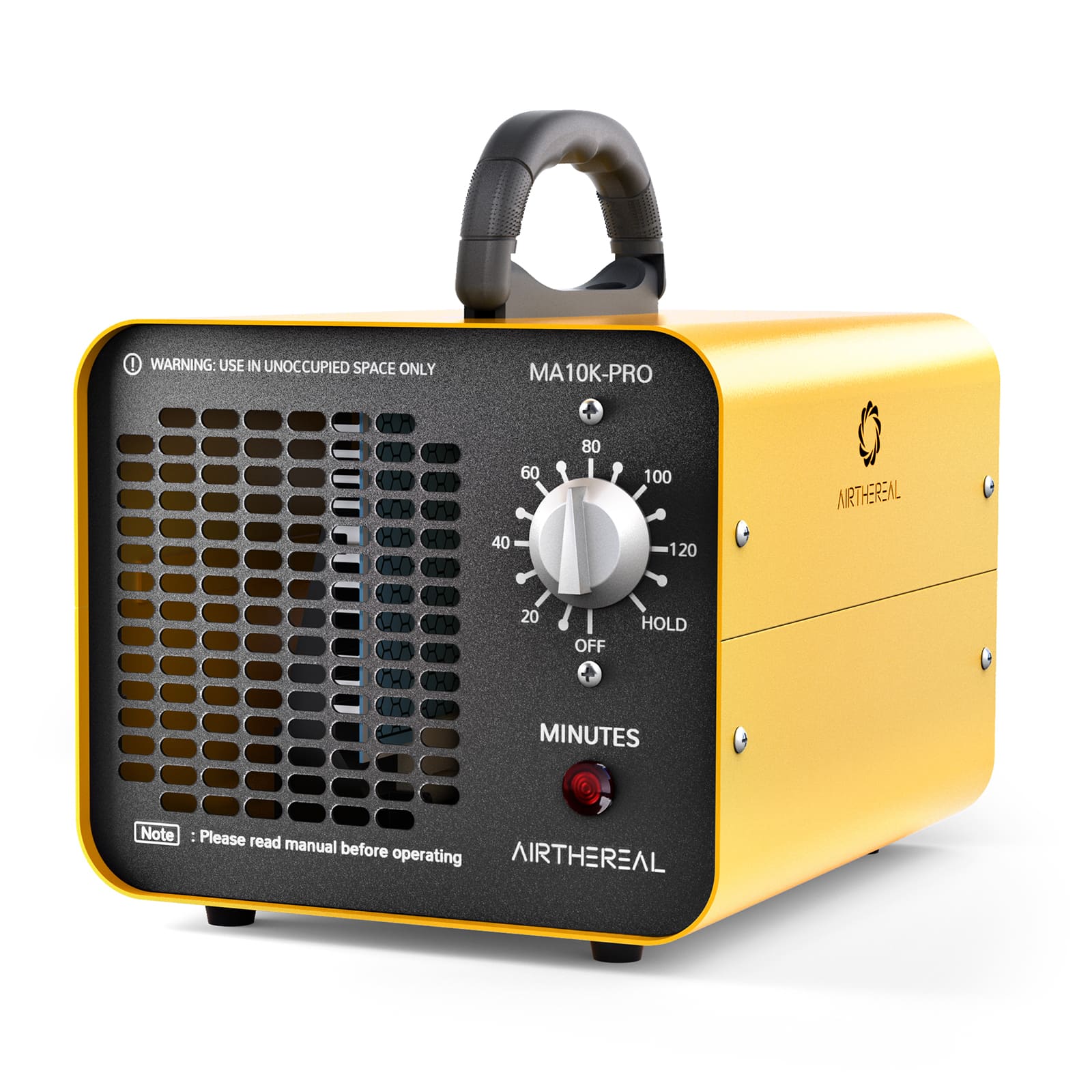
Image Source: airthereal.com
Why Ozone Treatment?
Ozone generators work by producing ozone gas, a molecule made of three oxygen atoms. This ozone then oxidizes and breaks down odor-causing molecules, bacteria, viruses, and mold spores. It’s particularly effective for tackling tough smells like smoke, pet odors, mildew, and the lingering scent of spilled food or chemicals. The process is a form of ozone car odor removal duration that seeks to neutralize contaminants at a molecular level.
The Science Behind the Waiting Period
Ozone is a gas that naturally occurs in the Earth’s atmosphere, but the levels produced by generators for cleaning are much higher. Its effectiveness comes from its unstable nature; it readily gives up one of its oxygen atoms to react with other molecules. This is what breaks down odor and kills microbes.
However, this same reactivity makes ozone harmful to breathe. When inhaled, ozone can irritate the lungs, throat, and airways, leading to coughing, shortness of breath, and chest pain. For individuals with respiratory conditions like asthma, the effects can be more severe. Therefore, ozone generator car safety hinges on allowing sufficient time for the ozone to dissipate and for any residual gas to break down back into regular oxygen (O₂).
What is the Safe Waiting Period After Ozone Car Treatment?
The safe waiting period after ozone car treatment is primarily determined by the need for the ozone gas to break down. Ozone naturally decays back into oxygen. The rate of this decay depends on factors like temperature and the presence of other reactive substances.
- Initial Decay: Immediately after the generator is turned off, the concentration of ozone is highest.
- Ventilation: Opening doors and windows significantly speeds up the dissipation of ozone from the vehicle’s interior. This process is often referred to as car ozone treatment airing out.
- Natural Breakdown: Even with ventilation, some residual ozone will break down naturally over time.
Considering these factors, a general guideline for the ozone car decontamination waiting time is crucial.
Recommended Waiting Times
While specific durations can vary slightly based on the generator’s power, the size of the vehicle, and ambient conditions, here are the general recommendations:
- Treatment Duration: Follow the manufacturer’s instructions for the ozone generator. Typically, this might be 30 minutes to a few hours, depending on the severity of the odor or contamination.
- Ventilation: After the treatment, open all doors and windows of the car. Let the car air out for at least 1-2 hours. This is the crucial how long to air out car after ozone step.
- Post-Ventilation Waiting Period: After the initial ventilation, it’s advisable to wait an additional 1-2 hours before re-entering the car to ensure any remaining ozone has dissipated. This means a total waiting time of at least 2-3 hours from the moment the generator is turned off.
This extended period allows for both active airing out and passive breakdown of ozone into breathable oxygen.
Factors Influencing Ozone Decay and Waiting Times
Several factors can influence how quickly ozone dissipates and what constitutes a safe waiting period. Understanding these can help you adjust the ozone car ventilation time appropriately.
1. Ozone Generator Wattage and Output
Higher wattage generators produce ozone more rapidly. This means a more thorough treatment in a shorter period, but it also implies a higher concentration of ozone that needs to dissipate. If you’re using a powerful generator, you might lean towards the longer end of the recommended waiting times.
2. Vehicle Size and Interior Volume
A larger vehicle (like an SUV or van) will contain more air volume than a small car. This means the ozone will be less concentrated initially but might take slightly longer to fully ventilate. However, the larger surface area also means more places for ozone to react. For smaller cars, the concentration can build up faster.
3. Ambient Temperature and Humidity
- Temperature: Ozone breaks down faster in warmer temperatures. A car parked in direct sunlight on a hot day might see ozone dissipate more quickly than one parked in a cool garage.
- Humidity: Higher humidity can also play a role in ozone’s decay rate, though the effect is generally less pronounced than temperature.
4. Presence of Odor Sources
If the car has particularly stubborn odors (e.g., heavy smoke damage), the ozone may be reacting with these sources for a longer period. While the generator is off, the ongoing chemical reactions can influence the air quality.
5. Thoroughness of Ventilation
Simply opening the doors is good, but actively fanning the air or using a fan to circulate air can significantly speed up the post ozone treatment car airing. Maximizing airflow during the airing-out phase is key to reducing the ozone car ventilation time.
Understanding Ozone Car Cleaning Residual Gas
The concern about ozone car cleaning residual gas is valid. Ozone is an oxidant, and in high concentrations, it can damage certain materials over prolonged exposure. More importantly, as discussed, it’s harmful to breathe. The goal of the waiting period is to ensure that the concentration of ozone in the car drops below levels that could cause irritation or harm.
The ozone molecule (O₃) is unstable and will naturally revert to diatomic oxygen (O₂) over time. The half-life of ozone varies, but under typical conditions, it can be anywhere from 20 minutes to a few hours. Ventilation dramatically shortens this time.
How to Ensure Safe Ozone Treatment
Adhering to best practices for ozone generator safety car use is paramount.
Before Treatment:
- Remove All Occupants and Pets: Absolutely no living beings should be inside the vehicle during the treatment.
- Remove Sensitive Items: While ozone is generally safe for most car interiors, consider removing delicate electronics or anything that might be sensitive to oxidation if you are concerned. However, for typical odor removal, this is rarely necessary.
- Seal the Vehicle: Close all doors, windows, and sunroofs to contain the ozone gas within the vehicle during the treatment.
During Treatment:
- Use a Timer: Never leave an ozone generator running unattended for excessively long periods. Follow the manufacturer’s recommended treatment duration.
- Place Generator Appropriately: Ensure the generator is stable and in a position where it can effectively circulate ozone throughout the cabin.
After Treatment:
- Ventilate Thoroughly: This is the most critical step. Open all doors, windows, and the trunk/hatch.
- Use Fans (Optional but Recommended): Place fans in the car to help circulate air and expel the ozone more rapidly. This significantly reduces the car ozone treatment airing out duration.
- Allow Sufficient Waiting Time: Stick to the recommended safe waiting period after ozone car treatment. It’s better to wait a little longer than to risk exposure.
- Check for Odor (Optional): Once the waiting period is over, you can cautiously open a door and sniff the air. If you detect any lingering “ozone smell” (often described as like a fresh thunderstorm or electric smell), it’s best to ventilate for a little longer. However, a complete absence of any smell doesn’t necessarily mean all ozone is gone, which is why the timed waiting period is important.
Can I Re-enter My Car Sooner?
While the temptation to get back into your freshly “ozone-cleaned” car might be strong, it’s generally not recommended to significantly shorten the recommended waiting period. The ozone car odor removal duration requires time for dissipation. Re-entering too soon could lead to respiratory irritation.
Think of it like steaming vegetables: you need to wait for the steam to clear before you can handle them. Ozone is similar; it’s a powerful cleaning agent that needs time to settle back into harmless oxygen.
Comparing Ozone Treatment to Other Methods
Ozone treatment is often chosen for its effectiveness against deep-seated odors that other methods struggle with.
| Method | Effectiveness Against Stubborn Odors | Safety Concerns During Use | Post-Use Waiting Period (General) |
|---|---|---|---|
| Ozone Treatment | Very High | Requires careful ventilation and waiting period; harmful if inhaled | 2-3 hours (minimum) |
| Steam Cleaning | High | Can introduce moisture; requires drying time | A few hours (for drying) |
| Baking Soda/Charcoal | Moderate | Generally safe | Minimal |
| Chemical Deodorizers | Variable (can mask) | Potential for chemical sensitivities; can leave residues | Minimal |
| Professional Detailing | High | Varies based on products used; professionals follow safety protocols | Varies (follow their advice) |
The primary difference and consideration for ozone generator car safety is the gaseous nature of ozone and its direct impact on respiratory health. This is why the ozone car decontamination waiting time is so critical.
Frequently Asked Questions About Ozone Generators in Cars
Here are some common questions people have about using ozone generators in their vehicles.
Q1: How to know if the ozone has dissipated?
A1: The best way is to follow the recommended waiting period (2-3 hours minimum) with thorough ventilation. You might detect a faint “electric” or “thunderstorm” smell from ozone, but its absence doesn’t guarantee zero residual gas. Over time, the smell dissipates completely, but safe breathing levels are achieved well before the smell is gone.
Q2: Can ozone damage my car’s interior?
A2: While ozone is a powerful oxidant, short-term treatments with proper ventilation are generally safe for most modern car interiors. Prolonged exposure to very high concentrations or frequent treatments without adequate airing could potentially degrade certain materials over time, but this is uncommon with responsible use.
Q3: What if I accidentally breathe ozone?
A3: If you re-enter the car too soon and experience coughing, throat irritation, or difficulty breathing, leave the vehicle immediately. Continue to ventilate the car and avoid re-entry until the waiting period is over. If symptoms persist, consult a medical professional.
Q4: How often can I use an ozone generator in my car?
A4: This depends on the need. For persistent odors that return, you might need periodic treatments. However, it’s not a daily or weekly maintenance task for most people. Use it when you have a specific odor problem to address.
Q5: Is ozone effective for all odors?
A5: Ozone is highly effective against organic odors (smoke, mold, pet dander, body odor) by breaking them down. It’s less effective against strong chemical odors or non-organic smells, though it can still help to some extent.
Q6: How does ozone affect car air conditioning systems?
A6: Ozone can help to clean the air recirculation system and the evaporator core, where mold and bacteria often thrive, leading to musty smells. This is one of the primary benefits of ozone car odor removal duration. Ensure the AC system is set to recirculate during treatment to circulate the ozone effectively.
Q7: What is the role of recirculating the AC during treatment?
A7: Setting the AC to recirculate helps the ozone gas to circulate more effectively throughout the entire cabin and the ventilation system. This ensures that the ozone reaches all nooks and crannies, including the air ducts, leading to more comprehensive ozone car cleaning.
Final Thoughts on Ozone Generator Safety in Your Car
Using an ozone generator in your car can be an extremely effective way to refresh and sanitize your vehicle’s interior. By understanding the importance of ozone car ventilation time, practicing proper ozone generator car safety, and adhering to the recommended waiting periods for car ozone treatment airing out, you can enjoy the benefits of a clean and odor-free car without compromising your health.
Always prioritize safety. When in doubt, err on the side of caution and allow for extra ventilation and waiting time. The investment of a few extra hours will ensure you can safely enjoy your rejuvenated vehicle. Remember the safe waiting period after ozone car treatment is your ally in achieving a truly clean and safe environment.
This comprehensive guide aims to demystify the process, ensuring you have the knowledge for effective and safe ozone car odor removal duration and ozone car decontamination waiting time.