
Repainting a car can be a significant undertaking, and a common question is: How long to repaint a car? The time it takes to repaint a car varies greatly depending on several factors, including the complexity of the job, whether you’re doing it yourself or hiring a professional, the condition of the original paint, and the type of paint used. Generally, a full car repaint can take anywhere from a few days for a basic job to several weeks for a high-quality, meticulous restoration.
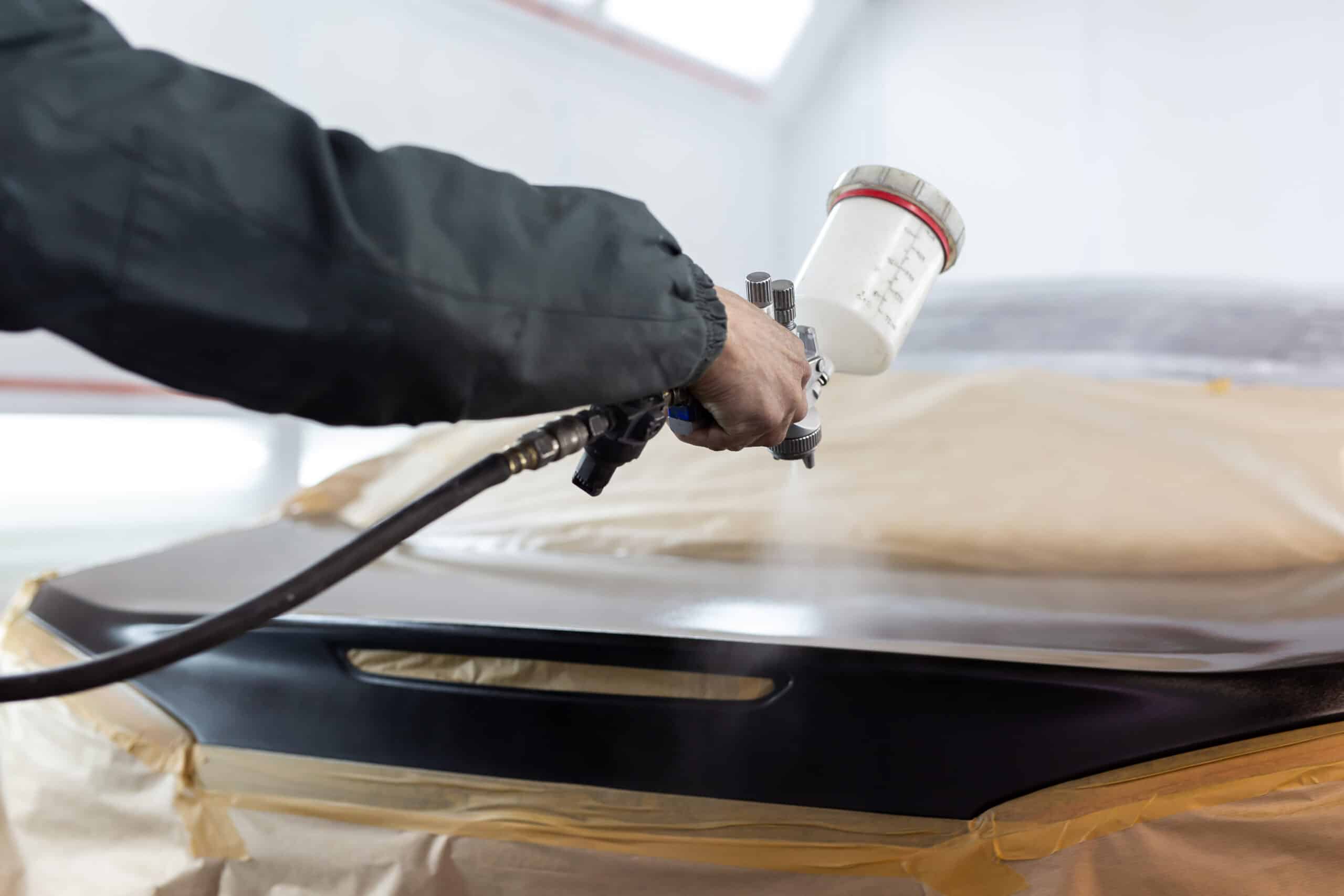
Image Source: valleycollision.com
Factors Influencing Car Painting Duration
Several key elements play a significant role in determining the overall car painting duration. It’s not just about applying the paint; it’s a multi-step process that requires precision and time at each stage.
1. Extent of the Job
The scope of the repaint is the most obvious factor. Are you looking for a simple color change, or is this part of a larger restoration project?
- Minor Touch-Ups: For small scratches or chips, car paint touch up drying time is relatively short. The paint itself might dry to the touch in a few hours, but full curing can take days.
- Panel Repainting: If only a few panels need repainting due to damage, the process is quicker than a full car.
- Full Body Repaint: This is the most time-consuming option, involving the entire exterior of the vehicle.
2. Preparation Work
This is arguably the most critical and time-consuming phase. Skipping or rushing preparation leads to a poor finish.
- Disassembly: Removing trim, lights, door handles, mirrors, and other components is essential for a seamless paint job. This can take several hours to a full day or more.
- Sanding: The old paint needs to be sanded down to create a smooth, uniform surface. This process can involve multiple grits of sandpaper.
- Bodywork: If there are dents, rust, or damage, these must be repaired with body filler and then sanded smooth. This adds significant time.
- Masking: Protecting areas that should not be painted is crucial. This involves meticulous masking with tape and paper.
- Priming: Applying primer helps the new paint adhere better and hides imperfections. Priming often involves multiple coats with drying and light sanding between coats.
3. Paint Type and Application Method
The type of paint and how it’s applied significantly impacts the repaint car time frame.
- Basecoat/Clearcoat: This is the most common system. The basecoat provides the color, and the clearcoat offers protection and shine. Each layer requires drying time before the next can be applied.
- Single-Stage Paint: This combines color and protection in one layer. It’s generally faster to apply but may not offer the same depth or durability as a basecoat/clearcoat system.
- Waterborne vs. Solvent-borne Paints: Waterborne paints often require specific flash-off times (evaporation of water) before the next layer. Solvent-borne paints have their own drying characteristics.
- Application Method: Spraying with a professional spray gun is the standard. Drying times vary depending on the paint manufacturer’s recommendations and environmental conditions.
4. Drying and Curing Times
This is a major component of the overall duration. Car paint drying time is not the same as exterior car paint cure time.
- Drying to the Touch: This is when the paint surface is dry enough to handle lightly without smudging. This can be a few hours.
- Flash-Off Time: This is the time between applying coats to allow solvents or water to evaporate from the wet paint. This is crucial for proper layer adhesion.
- Curing: This is the process where the paint hardens and reaches its maximum durability. This can take days, weeks, or even months depending on the paint chemistry and environmental factors. During the initial curing period, the paint is more susceptible to damage.
5. Environmental Conditions
Temperature, humidity, and airflow all affect drying and curing rates.
- Temperature: Warmer temperatures generally speed up drying and curing. Too cold, and it can slow down considerably or prevent proper curing.
- Humidity: High humidity can slow down drying, especially for waterborne paints.
- Airflow: Good ventilation helps solvents evaporate, speeding up the process.
6. Skill and Experience Level
If you’re asking how long does car paint take to cure yourself, your own skill level will be a major determinant. Professionals have established workflows and experience that can streamline the process, while DIYers may take longer due to learning curves and equipment setup.
Timelines for Different Repainting Scenarios
Let’s break down how long to paint a car based on common scenarios. These are estimates, and actual times can vary.
Scenario 1: Professional Full Car Repaint (High Quality)
This involves a thorough job with attention to detail, often for show cars or older vehicles needing a complete makeover.
- Disassembly and Preparation: 2-5 days
- Bodywork and Dent Repair: 1-7 days (depending on damage)
- Sanding and Masking: 1-2 days
- Priming and Wet Sanding: 1-2 days
- Basecoat Application (Multiple Coats): 1-2 days (including flash-off times)
- Clearcoat Application (Multiple Coats): 1-2 days (including flash-off times)
- Drying and Light Curing (before reassembly): 1-3 days
- Reassembly: 1-2 days
- Buffing and Polishing (for final finish): 1-2 days
Total Estimated Time: 9-26 days
This timeline assumes a dedicated shop with optimal conditions. The actual car respray time frame can extend if there are unexpected issues or scheduling conflicts.
Scenario 2: Professional Full Car Repaint (Standard Quality)
This is more common for everyday vehicles where the goal is a good-looking finish without extreme meticulousness.
- Preparation (may skip some disassembly): 1-2 days
- Minor Bodywork/Sanding: 0.5-2 days
- Masking: 0.5-1 day
- Priming: 0.5-1 day
- Basecoat/Clearcoat Application: 1-2 days
- Drying (before reassembly): 1-2 days
- Reassembly: 0.5-1 day
Total Estimated Time: 5-10 days
This is a more typical turnaround time from a professional auto body shop.
Scenario 3: DIY Full Car Repaint
This is a significant commitment for a home mechanic. The time to paint a car yourself can be much longer due to limited tools, space, and experience.
- Learning and Gathering Supplies: Ongoing, but initial setup can take days.
- Disassembly and Preparation: 3-7 days (potentially much longer if unfamiliar)
- Bodywork: 2-14 days (highly variable based on skill and damage)
- Sanding and Masking: 2-4 days
- Priming and Wet Sanding: 2-4 days
- Paint Application (multiple coats, waiting for flash-off): 3-7 days (very dependent on technique and conditions)
- Drying and Curing (before handling extensively): 3-7 days (at minimum)
- Reassembly: 2-5 days
- Wet Sanding and Polishing: 2-4 days
Total Estimated Time: 20-50+ days
The time to paint a car yourself can easily span weeks or even months, especially if you can only work on it during weekends or evenings.
Scenario 4: DIY Car Paint Touch Up
This is a much smaller project, focusing on specific areas.
- Surface Preparation (cleaning, light sanding): 0.5-2 hours
- Primer Application (if needed): 0.5-1 hour (including drying between coats)
- Color Coat Application: 0.5-1 hour (multiple thin coats)
- Clearcoat Application (if needed): 0.5-1 hour (multiple thin coats)
- Car paint touch up drying time: Dry to touch in 2-4 hours. Full curing can take 24-72 hours before light use, and longer for full hardness.
Total Estimated Time: 1-3 days (active work spread over days due to drying)
The Automotive Paint Drying Process Explained
The automotive paint drying process is more complex than simply waiting for the liquid to disappear. It involves chemical reactions and physical evaporation.
1. Evaporation (Flash-Off)
- For solvent-borne paints, volatile organic compounds (VOCs) evaporate from the paint film, leaving behind the solid binders and pigments.
- For waterborne paints, water evaporates.
- This stage is critical for allowing the next layer to bond properly. Insufficient flash-off can lead to solvent pop (bubbles) or poor adhesion.
2. Chemical Curing
- This is where the paint molecules cross-link, forming a hard, durable film.
- In two-component (2K) paints (like most modern automotive finishes), a hardener is mixed with the base coat or clear coat. This initiates a chemical reaction that causes curing.
- Heat can accelerate this process, which is why professional shops often use bake ovens.
3. Hardening and Full Cure
- Hardening: The paint becomes hard enough to withstand light touch and handling. This is when the car paint drying time is essentially complete for basic handling.
- Full Cure: The paint continues to harden and gain its maximum durability over a longer period. The exterior car paint cure time can range from 30 days to 90 days or even longer for some formulations. During this period, the paint is more vulnerable to scratches and damage.
Stages of a Car Repaint and Time Allocation
A typical full car repaint can be broken down into these stages, with estimated time allocations:
| Stage | Description | Estimated Time (Professional) | Estimated Time (DIY) |
|---|---|---|---|
| Vehicle Prep & Disassembly | Removing trim, lights, door handles, stripping existing paint (if necessary). | 0.5 – 2 days | 1 – 4 days |
| Bodywork & Repair | Fixing dents, rust, sanding smooth. | 0.5 – 5 days | 2 – 14 days |
| Sanding & Masking | Sanding surfaces, applying masking tape and paper. | 0.5 – 1 day | 1 – 3 days |
| Priming | Applying primer coats, drying, sanding between coats. | 0.5 – 1 day | 1 – 3 days |
| Paint Application (Base) | Applying color coats, allowing for flash-off time between coats. | 1 – 2 days | 2 – 5 days |
| Paint Application (Clear) | Applying clear coats, allowing for flash-off time. | 1 – 2 days | 2 – 5 days |
| Drying & Initial Cure | Allowing paint to dry enough for handling and reassembly. | 1 – 3 days | 3 – 7 days |
| Reassembly | Putting all the removed parts back on. | 0.5 – 1 day | 1 – 3 days |
| Finishing (Cut & Buff) | Wet sanding, compounding, polishing for a mirror finish. | 1 – 2 days | 2 – 4 days |
| Final Curing | The paint reaches maximum hardness and durability. | N/A (ongoing) | N/A (ongoing) |
Total Project Time: Varies significantly, as seen above.
How Long Does Car Paint Take to Cure? The Crucial Factor
This is a critical question for anyone planning to wax their car, wash it extensively, or even park it under harsh sunlight soon after painting.
- Initial Hardness: The paint might feel dry to the touch and be safe for careful reassembly within 24-72 hours.
- Usable Hardness: The paint reaches a state where it can withstand a gentle wash and light buffing within about a week.
- Full Curing: This is when the paint achieves its ultimate strength and chemical resistance. This typically takes 30 to 90 days.
During the full curing period, avoid:
- Waxing or applying sealants.
- Aggressive washing or using abrasive cleaners.
- Parking under direct sunlight for extended periods (can cause premature surface hardening leading to micro-cracking).
- Minor impacts or abrasions.
When you ask how long does car paint take to cure, remember it’s a gradual process, not an instant switch.
Time to Paint a Car Yourself: A Realistic Outlook
If you’re considering the time to paint a car yourself, be prepared for a marathon, not a sprint.
- Commitment: It requires significant dedication, patience, and physical effort.
- Space: You need a clean, well-ventilated space, ideally a spray booth or a garage that can be thoroughly cleaned and prepared.
- Tools & Equipment: Professional spray guns, air compressors, sanders, safety gear (respirator, gloves, suits), masking supplies, and lighting are essential.
- Learning Curve: Mastering spray gun techniques takes practice. Your first attempt might not be perfect.
- Drying Space: You need a dust-free area where the car can sit undisturbed for days to allow for proper drying and initial curing.
A realistic estimate for a DIY full repaint is 1-3 months of weekend and evening work. This accounts for the learning curve, potential mistakes, and the need to wait for drying and curing between steps.
Car Paint Touch Up Drying Time: Specifics for Small Jobs
For car paint touch up drying time, the process is similar but on a much smaller scale.
- Preparation: Clean the area thoroughly. Lightly sand if necessary.
- Application: Apply thin, even coats using a small brush, touch-up pen, or a miniature spray gun.
- Drying:
- Between Coats: Allow 15-30 minutes for each coat to dry to the touch before applying the next.
- To Handle: The touched-up area will be dry to the touch within 2-4 hours.
- Full Cure: It’s advisable to avoid washing the specific area for at least 24-72 hours. For maximum durability, wait a week or two before aggressive cleaning.
Frequently Asked Questions (FAQ)
Q1: Can I speed up the car painting process?
While some stages can be slightly accelerated with controlled environments (like heated spray booths), rushing critical steps like drying and curing can lead to poor results, adhesion problems, or a less durable finish. Patience is key.
Q2: How long does it take for a professional to repaint a car?
A professional full repaint typically takes between 5 to 10 working days for a standard job, and up to 3-4 weeks for a high-quality, meticulous restoration, including bodywork.
Q3: What affects the exterior car paint cure time?
The type of paint (e.g., acrylic, urethane, enamel), the number of coats applied, the thickness of each coat, and environmental conditions (temperature, humidity) all significantly influence the exterior car paint cure time.
Q4: Is it better to DIY or hire a professional for a repaint?
This depends on your budget, skill level, available tools, and desired outcome. Professionals offer expertise and equipment for a superior finish, but at a higher cost. DIY saves money but requires significant time, effort, and a willingness to learn.
Q5: What happens if I wax my car too soon after repainting?
Applying wax before the paint has fully cured can seal in solvents that are still evaporating, leading to a hazy finish, poor adhesion of the wax, or even damage to the new paint. It’s best to wait at least 30-90 days.
Q6: Does the color of the paint affect drying time?
While the base chemistry of the paint is the primary factor, darker colors can sometimes absorb more heat from sunlight, potentially speeding up surface drying slightly in warm conditions. However, the internal curing process is more influenced by the paint formulation itself.
Q7: What is the difference between car paint drying time and cure time?
Car paint drying time refers to when the surface is dry enough to touch without smudging. Car paint cure time is the longer process where the paint hardens through chemical reactions, achieving its maximum durability and resistance.