
A person dies in a car accident due to severe trauma to vital organs, massive blood loss, or brain damage. This comprehensive guide delves into the intricate mechanisms behind car accident fatalities, exploring the primary causes of death in car crashes and the factors contributing to vehicle accident mortality. We’ll examine fatal car crash causes, the physics of death in car wrecks, and the reality of severe car accident outcomes. You’ll gain insight into car crash injury fatalities, learn about traffic accident death statistics, and discover the common reasons for car accident fatalities.
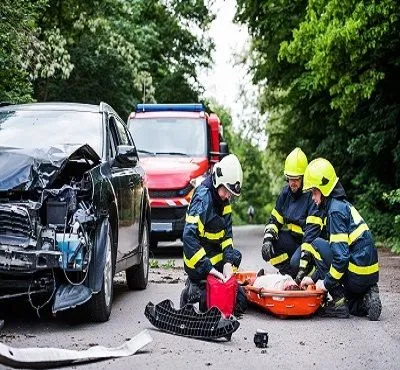
Image Source: www.lawofficesofsamuelfishman.com
The Force of Impact: Physics of Fatalities
Car accidents are violent events where immense forces are unleashed. When vehicles collide, the occupants are subjected to rapid deceleration or acceleration. The human body, while resilient, has limits. These limits are often exceeded in high-speed collisions, leading to catastrophic injuries.
Deceleration Trauma
Imagine a car traveling at 60 miles per hour. If it hits a solid object, like a wall, it stops almost instantly. The occupants, however, continue to move forward at 60 mph until something stops them. This could be the steering wheel, dashboard, windshield, or even the seatbelt. The force exerted on the body during this sudden stop is immense.
- Forward Momentum: The body’s inertia keeps it moving forward.
- Restraining Forces: Seatbelts, airbags, and the car’s interior components apply forces to stop the body.
- Internal Injury: Organs within the body can continue to move even after the skeleton has stopped, leading to tearing of tissues and blood vessels.
Acceleration Trauma
While less common for direct fatalities, acceleration in crashes can also cause severe injuries. Think of rear-end collisions. The car moves forward suddenly, pushing the occupants forward.
- Whiplash: The head is often thrown backward and then forward, straining the neck and spinal cord.
- Secondary Impacts: Occupants can be thrown against the interior of the car or even ejected, leading to further injuries.
Primary Causes of Death in Car Crashes
Several critical factors contribute to car accident fatalities. These range from the direct impact forces to the secondary events that follow a collision.
Blunt Force Trauma
This is the most common cause of death in car accidents. Blunt force trauma occurs when the body is subjected to impact without penetration of the skin.
- Head Injuries: Traumatic Brain Injury (TBI) is a leading cause of death. The brain can be bruised, lacerated, or bleed due to impacts with the car’s interior or severe shaking. This can lead to loss of consciousness, coma, and death.
- Severity Spectrum: From mild concussions to severe, fatal brain damage.
- Mechanisms: Direct impact, rotational forces, and pressure waves.
- Chest Injuries: The chest can be crushed or impacted, leading to rib fractures, sternum fractures, and damage to internal organs like the heart and lungs.
- Cardiac Tamponade: Blood filling the sac around the heart, preventing it from pumping.
- Pulmonary Contusion: Bruising of the lungs, impairing breathing.
- Abdominal Injuries: Impacts to the abdomen can cause rupture of internal organs like the liver, spleen, or intestines, leading to severe internal bleeding.
- Hemorrhage: Significant blood loss is a major contributor to traffic collision deaths.
- Spinal Cord Injuries: Severe impacts can damage the spinal cord, leading to paralysis and, in cases of cervical spine injury, can affect respiratory function, leading to death.
Penetrating Trauma
While less common in typical car accidents, penetrating trauma can occur, especially in severe rollovers or when vehicle structures are compromised.
- Debris: Sharp metal fragments or broken glass can penetrate the body, causing deep wounds and damaging vital organs.
- Vehicle Components: Intrusion of vehicle parts into the passenger compartment can cause direct puncture wounds.
Asphyxiation and Suffocation
These can occur in several ways:
- Airbag Deployment: While airbags save lives, improper deployment or placement can obstruct breathing, especially for children or if a person is too close to the airbag.
- Suffocation from Entrapment: In severe rollovers or rollovers into water, occupants can become trapped and unable to breathe.
- Crushed Airway: Severe chest trauma can crush the airway, preventing airflow.
Burns
Fires following car accidents, though less frequent now due to improved vehicle safety, can still be a cause of death.
- Inhalation of Smoke and Toxic Gases: This can cause severe damage to the lungs and airway.
- Thermal Burns: Direct contact with flames or hot surfaces.
Factors Influencing Fatalities in Car Crashes
Several elements determine whether a car crash injury fatality occurs and its severity.
Speed of Impact
This is arguably the most significant factor. The kinetic energy of a vehicle increases with the square of its speed. Doubling the speed quadruples the energy.
- Low-Speed Collisions: Often result in whiplash or minor injuries.
- High-Speed Collisions: Dramatically increase the forces on the human body, making severe injuries and fatalities much more likely. A 30 mph difference in speed can be the difference between survivable and fatal car accident fatalities.
Vehicle Safety Features
Modern vehicles are equipped with numerous safety features designed to mitigate injuries.
- Seatbelts: Crucial for restraining occupants and preventing ejection or impact with the car’s interior. Reasons for car accident fatalities often involve unbuckled occupants.
- Airbags: Provide a cushion during impact, reducing head and chest injuries.
- Crumple Zones: Designed to absorb impact energy by deforming.
- Reinforced Passenger Cages: Help maintain the integrity of the passenger compartment.
- Anti-lock Braking Systems (ABS) and Electronic Stability Control (ESC): Can help drivers avoid accidents altogether.
Occupant Behavior and Positioning
How an occupant behaves and is positioned during a crash plays a vital role.
- Seatbelt Usage: As mentioned, this is paramount.
- Child Restraint Systems: Properly installed car seats are essential for infants and young children.
- Sitting Position: Leaning forward or having objects in the lap can increase the risk of injury from airbags or direct impact.
Type of Collision
The nature of the impact significantly influences the outcome.
- Head-on Collisions: Often result in severe frontal impact forces, affecting the driver and front-seat passenger most directly. These are among the most dangerous types of collisions.
- Side-Impact Collisions (T-bone): Can be devastating as vehicles offer less protection on the sides. Occupants are vulnerable to direct impact with doors, pillars, and lateral structures.
- Rear-end Collisions: Can cause whiplash and, if the impact is severe, can lead to secondary collisions.
- Rollover Crashes: Extremely dangerous, increasing the risk of ejection and multiple impacts. The human body is not designed to withstand the forces of tumbling.
- Pedestrian and Cyclist Collisions: The impact forces are directly transferred to the vulnerable road user, often resulting in severe injuries and traffic collision deaths.
Road Conditions and Environment
External factors can contribute to the severity of a crash.
- Road Surface: Icy, wet, or uneven surfaces can reduce traction, leading to loss of control.
- Visibility: Fog, heavy rain, snow, or darkness can impair drivers’ ability to see hazards.
- Road Design: Sharp curves, inadequate signage, or lack of barriers can increase accident risk.
Data and Statistics on Vehicle Accident Mortality
Understanding traffic accident death statistics provides a stark picture of the issue. While improvements in vehicle safety and road infrastructure have reduced car accident fatalities over the decades, road traffic accidents remain a significant public health concern globally.
Table 1: Leading Causes of Injury and Death Worldwide (Illustrative)
| Cause of Injury/Death | Global Deaths (Approximate) | Percentage of Total Deaths |
|---|---|---|
| Cardiovascular Diseases | 17.9 million | 31% |
| Cancers | 9.6 million | 16% |
| Respiratory Diseases | 3.2 million | 5% |
| Road Injuries | 1.3 million | 2% |
| Neonatal Conditions | 2 million | 3% |
| Source: World Health Organization (WHO) – Note: Specific figures may vary by year and source. Road injuries are a leading cause of death for young people. |
- Global Impact: Millions are injured or killed on the roads each year.
- Vulnerable Road Users: Pedestrians, cyclists, and motorcyclists are disproportionately affected.
- Age Group: Road traffic injuries are a leading cause of death for young people aged 5-29 years.
Reasons for Car Accident Fatalities: A Deeper Look
Beyond the direct physical forces, several underlying reasons for car accident fatalities are rooted in human behavior and system failures.
Human Factors
- Distracted Driving: Using mobile phones, eating, or engaging with passengers diverts attention, leading to delayed reactions and errors. This is a major contributor to fatal car crash causes.
- Impaired Driving: Alcohol and drug consumption significantly impair judgment, coordination, and reaction time.
- Speeding: Exceeding speed limits reduces the time available to react to hazards and increases impact forces.
- Fatigue: Drowsy driving can be as dangerous as drunk driving, impairing cognitive function and reaction times.
- Reckless Driving: Aggressive behaviors like tailgating, improper lane changes, and ignoring traffic signals.
- Failure to Use Safety Devices: Not wearing seatbelts or improperly using child restraints significantly increases the risk of car crash injury fatalities.
Vehicle Factors
- Mechanical Failure: Though less common, issues like brake failure, tire blowouts, or steering system malfunctions can lead to accidents.
- Poor Maintenance: Worn tires, faulty lights, or malfunctioning safety systems can increase risks.
Environmental and Infrastructure Factors
- Road Design: Poorly designed roads, lack of signage, or inadequate lighting can contribute to crashes.
- Weather Conditions: Rain, snow, ice, fog, and high winds can reduce visibility and traction.
- Traffic Congestion: High volumes of traffic increase the probability of multi-vehicle collisions.
Severe Car Accident Outcomes Beyond Immediate Death
Even if an accident is not immediately fatal, the injuries sustained can have life-altering consequences, leading to long-term disability or death from complications. These are the severe car accident outcomes that underscore the gravity of road trauma.
Traumatic Brain Injury (TBI)
A severe TBI can lead to:
- Long-term Cognitive Impairments: Memory problems, difficulty concentrating, and changes in personality.
- Motor Deficits: Paralysis, difficulty with coordination, and speech problems.
- Seizures: An increased risk of developing epilepsy.
- Coma and Vegetative State: In the most severe cases, individuals may remain unconscious.
- Death from Complications: Swelling in the brain, infections, or secondary organ failure can occur weeks or months after the initial injury.
Spinal Cord Injuries (SCIs)
Injuries to the spinal cord can result in:
- Paralysis: Loss of sensation and motor control below the level of the injury.
- Loss of Bowel and Bladder Control: Requiring lifelong management.
- Respiratory Issues: High cervical injuries can affect the diaphragm, requiring mechanical ventilation.
- Autonomic Dysreflexia: A potentially life-threatening condition where blood pressure rises dangerously.
- Increased Susceptibility to Infections: Such as pneumonia and urinary tract infections.
Internal Organ Damage and Hemorrhage
- Organ Failure: Damage to kidneys, liver, or lungs can lead to multi-organ failure.
- Chronic Pain: Nerve damage and long-term inflammation can cause persistent pain.
- Post-Traumatic Stress Disorder (PTSD): The psychological impact of surviving a severe car accident can be profound.
Preventing Car Accident Fatalities
Preventing death in car wrecks relies on a multi-faceted approach involving individual responsibility, technological advancements, and systemic improvements.
Individual Actions
- Drive Sober and Alert: Never drive under the influence of alcohol or drugs, and avoid driving when fatigued.
- Eliminate Distractions: Put away mobile phones and avoid other distracting activities while driving.
- Obey Speed Limits: Drive at a speed appropriate for the conditions.
- Wear Seatbelts: Always buckle up, and ensure all passengers are buckled.
- Use Proper Child Restraints: Ensure children are in age- and size-appropriate car seats or booster seats.
- Maintain Your Vehicle: Regularly check tires, brakes, lights, and other essential components.
- Defensive Driving: Be aware of your surroundings and anticipate potential hazards.
Technological Advancements
- Advanced Driver-Assistance Systems (ADAS): Features like automatic emergency braking, lane departure warnings, and blind-spot monitoring can help prevent accidents.
- Autonomous Driving Technologies: While still evolving, these systems aim to reduce human error, a major cause of fatal car crash causes.
- Improved Vehicle Structure: Continued research into more effective crumple zones and passenger safety cell designs.
Infrastructure and Policy
- Road Safety Engineering: Designing safer roads with better lighting, signage, and barriers.
- Stricter Enforcement of Traffic Laws: Targeting speeding, impaired driving, and distracted driving.
- Public Awareness Campaigns: Educating the public about the dangers of risky driving behaviors.
- Improved Emergency Response: Faster and more effective medical care at the scene of an accident can improve survival rates.
Frequently Asked Questions (FAQ)
Q1: What is the most common cause of death in car accidents?
A1: The most common cause of death in car accidents is blunt force trauma, particularly severe head injuries (Traumatic Brain Injury).
Q2: Can airbags cause death in a car accident?
A2: While airbags are designed to save lives, they can pose a risk if occupants are too close to them during deployment, if they are not properly installed, or if used incorrectly for children. However, the life-saving benefits far outweigh the risks when used as intended.
Q3: How much faster does kinetic energy increase with speed?
A3: Kinetic energy increases with the square of the speed. This means if you double your speed, your kinetic energy increases by four times.
Q4: What is the role of seatbelts in preventing fatalities?
A4: Seatbelts are critical for restraining occupants, preventing them from being thrown around the vehicle’s interior or ejected during a crash. This significantly reduces the risk of severe injuries and car accident fatalities.
Q5: Are side-impact collisions more dangerous than head-on collisions?
A5: Both are extremely dangerous. Side-impact collisions are particularly perilous because vehicles offer less structural protection on the sides compared to the front, making occupants more vulnerable to direct impacts with vehicle structures and external objects. Head-on collisions involve the most direct transfer of force.
Q6: What does “vehicle accident mortality” refer to?
A6: “Vehicle accident mortality” refers to the rate or number of deaths that occur as a result of motor vehicle accidents. It’s a key metric in understanding the impact of road safety.
Q7: How do traffic collision deaths happen?
A7: Traffic collision deaths occur when the forces involved in a crash cause fatal injuries to occupants or other road users, such as pedestrians or cyclists. These injuries often involve severe damage to the brain, heart, lungs, or major blood vessels.
Q8: What are the main reasons for car accident fatalities?
A8: The primary reasons for car accident fatalities include high-speed impacts, driver error (distraction, impairment, fatigue, speeding), failure to use safety restraints, and the inherent physics of impact forces that can overwhelm the human body’s capacity to survive.
By delving into the causes and the stark realities of traffic collision deaths, we can better appreciate the importance of safe driving practices and the continuous efforts to improve road safety. The fight against car accident fatalities is ongoing, driven by the goal of making every journey safer for everyone.