
Can you get a car wash in freezing temperatures? Yes, but with significant caveats. While many automatic car washes can operate in cold weather, it’s crucial to be aware of the risks, especially if the temperature is at or below the freezing point of water. Washing your car in extremely cold conditions, particularly if you’re doing it yourself, can lead to issues like frost damage and ice formation on critical car components.
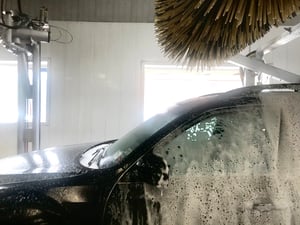
Image Source: www.thesilverlining.com
Navigating the Chill: When to Avoid the Car Wash
Winter brings its own set of challenges for car owners, and keeping your vehicle clean is no exception. The question of how cold is too cold for a car wash is a common one, especially as freezing temperatures become the norm. While it might seem counterintuitive, a dirty car can actually lead to long-term damage, particularly from road salt and grime. However, washing your car in low temperatures requires careful consideration to avoid causing more harm than good.
The Science Behind the Freeze: Water and Your Car
Water’s behavior at its freezing point (32°F or 0°C) is the primary concern. When water freezes, it expands. This expansion can put stress on various parts of your car, from door seals to exterior paint. Understanding this fundamental principle is key to safe winter car care.
Key Factors to Consider:
- Ambient Temperature: This is the most obvious factor. The colder it is outside, the higher the risk of water freezing.
- Drying Process: How effectively the water is removed after washing is critical. Any residual water left on the car can freeze.
- Type of Car Wash: Automatic washes often have drying systems, but their effectiveness can vary in extreme cold. Hand washing requires meticulous drying.
- Vehicle Condition: Older vehicles with worn seals or existing paint damage might be more susceptible to cold weather issues.
Automatic Car Washes: A Safer Bet in the Cold?
Automatic car washes are generally designed to operate in a wider range of temperatures than hand washing. They often employ high-pressure systems that can blast away much of the water, and many have heated drying cycles. However, even these aren’t entirely foolproof.
Potential Issues at Automatic Washes in Cold Weather:
- Frozen Sprinklers/Nozzles: In very low temperatures, the water supply or the spray nozzles themselves can freeze, disrupting the wash process.
- Incomplete Drying: While automated dryers are common, they might not get every single drop of water, especially in nooks and crannies. This can lead to ice forming on door handles, locks, and window seals.
- Freezing of Car Wash Equipment: The tracks and machinery of the car wash itself can be affected by extreme cold, potentially leading to malfunctions.
- “Ice Block” Doors: If water freezes in the door jambs, it can prevent doors from opening or closing properly, sometimes creating a temporary “ice block.”
A good rule of thumb for automatic car washes: If the temperature is consistently below 20°F (-7°C), you might want to err on the side of caution. While many can still operate, the risk of residual water freezing increases.
Hand Washing Your Car in Winter: A High-Risk Endeavor
Washing your car by hand in freezing temperatures is generally not recommended unless you have specific conditions and precautions in place. The chances of leaving water behind that can freeze and cause damage are significantly higher.
Why Hand Washing is Risky in the Cold:
- Moisture Trapped in Seals: Water can seep into door seals, window frames, and other crevices. If this water freezes, it can expand and potentially tear or damage these components over time.
- Frozen Locks and Door Handles: Leaving water on door locks or handles can result in them freezing shut, making it impossible to access your car.
- Brake Components: Water can get into brake systems. While unlikely to cause immediate issues, repeated exposure to freezing and thawing can potentially lead to corrosion or reduced braking efficiency over the long term.
- Windshield Wipers: Water freezing on windshield wipers can damage the rubber blades and even the wiper motor if they are activated while frozen to the glass.
- Sprinkler System: If you use a hose, the water in the hose can freeze, damaging the hose and potentially your home’s water supply.
Car wash safety is paramount. If you’re considering a hand wash, ensure you have access to a heated garage or a very mild winter day.
Deciphering the “Too Cold” Threshold
So, what’s the magic number? While there aren’t universally strict car wash guidelines, common advice centers around the freezing point of water.
- Above 40°F (4°C): Generally considered safe for most types of car washing, including hand washing, provided you dry the car thoroughly.
- Between 32°F (0°C) and 40°F (4°C): Automatic car washes are usually fine. Hand washing requires extra caution and thorough drying. Be mindful of residual water.
- Below 32°F (0°C): This is where the risk escalates significantly. Automatic washes might work, but the chance of ice formation on your car is higher. Hand washing is strongly discouraged unless you have a controlled environment.
- Below 20°F (-7°C): Very few situations are safe for washing your car yourself. Even automatic washes should be approached with caution, as their drying systems might struggle in extreme cold.
Protecting Your Vehicle: Winter Car Care Tips
Regular cleaning is part of good winter car care, but it needs to be done smartly. Here’s how to keep your car clean without causing damage during the colder months:
When Washing is Necessary:
- Choose the Right Time: If you must wash your car, do it on the warmest part of the day.
- Thorough Drying is Key: If hand washing, use high-quality microfiber towels and dry every nook and cranny. Pay special attention to door jambs, locks, and window seals.
- Use Warm Water (Carefully): For hand washing, using warm water can help melt ice and speed up the drying process. However, avoid using boiling water, as the sudden temperature change can shock and crack paint or glass.
- Lubricate Locks: Before washing, consider spraying a lubricant like silicone spray into your door locks to prevent them from freezing.
- Don’t Forget the Undercarriage: Road salt and grime accumulate underneath your car. An undercarriage wash is beneficial, but again, ensure the car is dried as much as possible afterward.
Alternative Cleaning Methods for Winter:
- Waterless Car Wash Sprays: These are excellent for light dirt and dust. They come in spray bottles and are used with microfiber towels. They minimize the use of water, reducing the risk of freezing.
- Quick Detailer Sprays: Similar to waterless washes, these can help maintain a clean appearance and remove light surface contaminants.
- Rinseless Washes: These products use a small amount of water in a bucket with a special solution. You use wash mitts or towels that are pre-soaked in the solution and then wiped onto the car. They require less water than a traditional wash and are easier to manage in cooler temperatures, but still require diligent drying.
- Professional Detailers: If you’re concerned about the risks, consider a professional detailer who has the equipment and expertise to wash cars safely in cold weather, often in a controlled environment.
The Impact of Ice Formation
Ice formation is the enemy when it comes to washing your car in winter. Water that is left behind can freeze and expand, potentially causing:
- Door and Window Seal Damage: Frozen water can stretch or tear rubber seals, leading to leaks and drafts in the future.
- Frozen Door Locks and Handles: This is a common and frustrating issue that can immobilize your car.
- Damage to Exterior Trim: Water trapped in crevices and then freezing can compromise plastic and rubber trim pieces.
- Paint Chips and Cracks: While less common, if water penetrates existing micro-cracks in the paint and freezes, the expansion can worsen the damage.
Car Wash Guidelines for Different Scenarios
Here’s a quick breakdown of car wash guidelines based on common scenarios:
| Temperature Range | Recommended Action | Potential Risks |
|---|---|---|
| Above 40°F (4°C) | Safe for both automatic and hand washing. Ensure thorough drying. | Minimal, provided drying is adequate. |
| 32°F – 40°F (0°C-4°C) | Automatic washes are usually fine. Hand washing requires diligent drying, especially of seals and locks. Consider using waterless or rinseless wash. | Residual water freezing in crevices, door locks, seals. |
| 20°F – 32°F (-7°C-0°C) | Automatic washes are risky. Hand washing is not recommended unless in a heated garage. Use waterless washes if needed. | Significant risk of ice formation on all exterior surfaces, frozen locks/handles, seal damage. |
| Below 20°F (-7°C) | Avoid washing your car altogether. Use waterless sprays or quick detailers for light cleaning. | High probability of extensive ice formation, potential for serious damage to seals, locks, and paint. |
Addressing the “Why” of Winter Washing
It’s easy to ask, “Why bother washing the car in winter?” The answer lies in protecting your investment.
- Road Salt and Chemicals: In many regions, roads are treated with salt and de-icing chemicals. These are highly corrosive and can wreak havoc on your car’s paint, undercarriage, and metal components. Washing your car regularly helps remove these damaging substances.
- Grime and Mud: Winter driving often means dealing with slush, mud, and dirt. This not only makes your car look bad but can also trap moisture against the paint, leading to rust.
- Visibility: Keeping your windows and mirrors clean is crucial for safe driving.
Comprehending Car Wash Safety in Cold
Car wash safety isn’t just about protecting your car; it’s also about personal safety.
- Slippery Surfaces: Automatic car washes can have wet and potentially icy floors, especially around the entrance and exit. Be cautious when walking.
- Equipment Malfunctions: In extreme cold, equipment can fail, potentially causing issues for your vehicle or even yourself if you’re attempting a hand wash outdoors.
Fathoming the Risks of Frost Damage
Frost damage can occur not just from freezing water but also from the rapid temperature fluctuations that winter brings. When washing your car, you introduce water which then freezes. This repeated cycle of wetting, freezing, and thawing puts stress on materials.
Grasping the Impact of Extreme Cold
Extreme cold poses the most significant challenges. At these temperatures, the effectiveness of drying systems is reduced, and the potential for water to freeze instantly upon contact with cold surfaces is high.
Final Thoughts on Cold Weather Car Washes
Keeping your car clean during winter is a balancing act. While it’s important to remove corrosive road treatments, it’s equally important not to cause damage through the washing process. When in doubt, it’s always better to wait for warmer temperatures or opt for methods that use minimal water. Prioritizing thorough drying after any wash, especially in cooler conditions, is the single most effective way to prevent issues like ice formation and frost damage.
Frequently Asked Questions (FAQ)
Q1: Can I wash my car at home when it’s 30°F (-1°C)?
A1: It’s risky. While not technically below freezing, the chances of water freezing in door locks, seals, or on surfaces are high. If you do, dry your car extremely thoroughly with microfiber towels, paying close attention to all crevices.
Q2: Are touchless car washes better in winter?
A2: Touchless car washes reduce the risk of scratching your paint, which is a benefit. However, they still use water, so the ice formation risk is the same as other automatic washes. Their drying capabilities will determine their effectiveness in cold weather.
Q3: What if my car doors freeze shut after a car wash?
A3: Try not to force them open, as this can cause damage. Use a hairdryer on a low setting to warm the area around the door, or a de-icing spray specifically designed for car locks and doors.
Q4: Is it safe to use hot water to wash my car in winter?
A4: Using very hot or boiling water can shock and crack glass or damage paint. Warm water is acceptable for hand washing, but ensure it’s not excessively hot.
Q5: How often should I wash my car in winter?
A5: Ideally, if you have access to a car wash that can thoroughly dry your vehicle, washing it every two weeks or after driving on treated roads is recommended to remove salt and chemicals. If your options are limited, focus on rinsing the undercarriage and lower body panels if possible.