
Image Source: www.etrailer.com
Can A Smart Car Be Flat Towed Safely? Your Guide
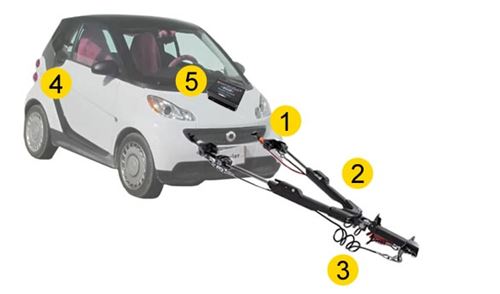
Yes, a Smart car can be flat towed safely, but it requires specific equipment and careful attention to the vehicle’s setup. This method, often called dinghy towing, involves pulling a vehicle behind an RV or another larger vehicle with all four wheels on the ground. It’s crucial to ensure the Smart car is configured correctly for this type of towing to prevent damage and ensure safety on the road.
Fathoming Flat Towing a Smart Car
Flat towing is the most convenient way to bring a smaller vehicle along on a longer journey, especially with an RV. It means you don’t need a trailer or a car dolly towing setup, which can be cumbersome. However, not all cars are designed to be towed this way. Some vehicles have transmissions or drivetrains that can be damaged if towed with the drive wheels on the ground. This is where specific knowledge about the Smart car’s design becomes vital.
What is Dinghy Towing?
Dinghy towing is the practice of towing a motor vehicle behind a recreational vehicle (RV) or another motor vehicle with all four wheels on the ground. This is often referred to as “towing a toad” or “flat towing.” The towed vehicle is connected to the towing vehicle via a specialized tow bar installation.
Smart Car Models and Flat Towing Suitability
Historically, certain Smart car models, particularly those with manual transmissions, were often considered candidates for flat towing. However, the newer models, especially those with the automated manual transmission (AMT), present a more complex situation. The AMT, while not a traditional automatic, still has components that can be stressed or damaged if not properly prepared for flat towing.
Key Considerations for Smart Car Models:
- Transmission Type: Manual transmission Smart cars are generally more amenable to flat towing than those with automated manual transmissions.
- Drivetrain: Most Smart cars are rear-wheel drive, which can be a factor in towing setups.
- Owner’s Manual: Always consult the owner’s manual for the specific model year of your Smart car. It will contain definitive guidance on whether flat towing is permissible and any specific procedures that must be followed.
Essential Equipment for Safe Flat Towing
Successfully flat towing a Smart car hinges on having the right equipment. This isn’t a situation where you can just hook up a chain and go. Every component needs to be designed for this purpose to ensure safety and prevent damage.
The Crucial Role of a Tow Bar
A tow bar installation is the primary connection between your towing vehicle and the Smart car. These are robust, specialized hitches designed to withstand the forces involved in towing. They attach to the towing vehicle’s frame and the Smart car’s front or rear bumper/frame.
Types of Tow Bars:
- Base Plate Mounted: These are the most common and secure. A sturdy base plate is bolted directly to the Smart car’s frame, providing a solid attachment point for the tow bar.
- Bumper Mounted: Less common for Smart cars and generally not recommended for flat towing due to potential stress on the bumper.
Safety Cables or Chains
In the unlikely event of a tow bar failure, safety cables or chains are a critical backup. They connect the Smart car to the towing vehicle, preventing the towed car from breaking free completely. These must be rated for the weight of the Smart car.
Towed Vehicle Braking System for Towing
This is arguably the most important safety component for any towed vehicle, including a Smart car. Most states legally require the towed vehicle to have its own braking system. This system activates the Smart car’s brakes when the towing vehicle brakes, significantly reducing stopping distances and preventing trailer sway.
Types of Auxiliary Braking Systems:
- Portable Systems: These are self-contained units that activate the Smart car’s existing brakes. They are typically placed on the floor of the towed vehicle and are controlled by a unit inside the RV.
- Permanent Systems: These are more involved installations that integrate directly with the Smart car’s braking system.
The choice of a braking system for towing depends on your budget, the frequency of towing, and your preference for ease of use. However, for a Smart car, a system that doesn’t put excessive stress on the light-duty braking components is essential.
Towed Vehicle Battery Protection
Most Smart cars have a battery that powers the vehicle’s electronics, including lights and any braking system. When flat towing, the Smart car’s engine is off, meaning the alternator isn’t charging the battery. This can lead to a dead battery, especially if you have an auxiliary braking system or are towing for long periods.
Solutions for Towed Vehicle Battery Issues:
- Battery Disconnect Switch: Some owners install a switch to completely disconnect the battery to prevent drain. However, this also disables any electrical braking system or lights.
- Battery Charge Line: A more common solution is to run a charge line from the towing vehicle’s battery to the Smart car’s battery. This keeps the Smart car’s battery topped up during towing.
- Towed Vehicle Battery Trickle Charger: Small solar chargers or battery maintainers can also be used if the vehicle has access to sunlight.
Lighting and Electrical Connections
The Smart car needs to have its taillights, brake lights, and turn signals functioning correctly to signal to other drivers. This requires an electrical connection from the towing vehicle to the Smart car.
Common Lighting Connection Methods:
- Diode Kit: This is installed on the Smart car’s wiring to prevent the towing vehicle’s electrical system from back-feeding and damaging the Smart car’s electronics.
- Direct Wiring Harness: A dedicated harness that taps into the Smart car’s lights and connects to the towing vehicle’s system.
- Magnetic Tow Lights: Portable lights that attach to the Smart car and plug into the towing vehicle. These are a simpler solution but may not be as secure or durable.
Step-by-Step Towed Vehicle Setup
Properly preparing your Smart car for flat towing is a meticulous process. Skipping steps or doing them incorrectly can lead to costly repairs.
1. Consult Your Owner’s Manual
This cannot be stressed enough. Your Smart car’s owner’s manual is the ultimate authority on whether it can be flat towed and what specific procedures are required. It will detail any necessary transmission protection measures or specific settings.
2. Ensure Proper Transmission Protection
For Smart cars, especially those with automated manual transmissions, transmission protection is paramount. The manual transmission is generally simpler and more robust for flat towing.
Smart Car Transmission Considerations:
- Manual Transmission: Typically, you would put the transmission in neutral and engage the clutch. Some manuals recommend leaving the key in the ignition in the “off” position but unlocked, or in an accessory position to disengage steering.
-
Automated Manual Transmission (AMT): This is where it gets tricky. Most AMTs have clutch packs and actuators that can be damaged if the transmission is not in a truly neutral state or if the wheels are turning the transmission in a way that engages gears or the clutch.
- Drive Shaft Disconnect: For some vehicles, a drive shaft disconnect is a recommended or required modification to ensure the transmission is completely isolated from the drive wheels. Whether this is necessary or even possible for a Smart car depends heavily on its specific drivetrain and transmission design.
- Neutral Gear Engagement: The manual often specifies a particular way to put the AMT into neutral for towing, which might involve specific sequences of ignition on/off and gear selection.
- Steering Lock: The steering wheel must not be locked. This usually means leaving the ignition key in the “accessory” or “on” position (without starting the engine) to unlock the steering column.
3. Install the Base Plate
The tow bar installation process begins with installing a compatible base plate onto the Smart car’s frame. This is a critical step that often requires specialized tools and knowledge of the vehicle’s chassis. If you’re not comfortable with mechanical work, it’s best to have a professional RV dealer or trailer hitch installer perform this.
4. Connect the Tow Bar
Once the base plate is installed, the tow bar itself can be connected. Ensure it latches securely to both the base plate and the towing vehicle’s hitch receiver.
5. Set Up the Braking System
Install your chosen auxiliary braking systems. This involves positioning the unit, connecting it to the Smart car’s brake pedal (often with a clamp or direct link), and wiring it to the towing vehicle’s brake light system.
6. Wire the Lights and Charging System
Connect the lighting harness and any battery charge line. Double-check all connections to ensure they are secure and that the Smart car’s lights function correctly when the towing vehicle’s lights are activated.
7. Prepare the Towed Vehicle Battery
If you’re using a charge line or trickle charger, ensure it’s properly connected to maintain the towed vehicle battery.
8. Final Checks
Before hitting the road, perform a thorough pre-tow inspection:
- Are all connections secure?
- Are the lights working?
- Is the towed vehicle’s steering unlocked?
- Is the transmission in the correct towing position?
- Are the safety cables attached correctly?
Tow Vehicle Requirements
The towing vehicle also needs to be adequately equipped for flat towing. The tow vehicle requirements are primarily focused on its towing capacity and the type of hitch installed.
Hitch Receiver Size
Most RVs and larger tow vehicles have a standard 2-inch hitch receiver. Ensure your tow bar is compatible with this.
Towing Capacity
Your towing vehicle must have a towing capacity that exceeds the weight of the Smart car plus all towing equipment. Smart cars are relatively lightweight, but it’s essential to know their exact weight and your tow vehicle’s limits.
Trailer Brake Controller (for some braking systems)
While most auxiliary braking systems for towed vehicles operate independently, some integrated systems might interface with a trailer brake controller in the towing vehicle.
Driving and Safety Precautions
Towing a vehicle changes the dynamics of driving. It requires increased awareness and adjustments to your driving habits.
Pre-Trip Inspection
Before every trip, and even before leaving a campground, perform a quick walk-around to check all connections, lights, and the positioning of the towed vehicle.
Speed Limits and Adjustments
Observe any posted speed limits for towed vehicles, which are often lower than regular speed limits. Drive at a moderate speed, avoiding sudden acceleration or braking.
Turning and Maneuvering
Be mindful of the increased turning radius required when towing. The Smart car will follow the towing vehicle, but there will be a wider path of travel. Wide turns are essential to avoid clipping curbs or other obstacles.
Parking
Parking with a towed vehicle requires extra space and careful planning. Always find a spot large enough to accommodate both vehicles.
Emergency Stops
In an emergency, brake smoothly and firmly. The auxiliary braking system should engage automatically, helping to slow both vehicles down.
Common Issues and Troubleshooting
Even with careful preparation, you might encounter problems. Here are a few common ones:
- Steering Wheel Lock: If the steering wheel locks unexpectedly, it usually means the ignition wasn’t left in the correct position or a safety feature engaged. Stop safely and re-check the towed vehicle setup.
- Towed Vehicle Battery Drain: If the battery dies, investigate the electrical connections, the efficiency of the charging line, or if any accessories were left on in the Smart car.
- Lights Not Working: Check fuses, bulbs, and all wiring connections between the towing vehicle and the Smart car.
- Excessive Sway or Drag: This can indicate an improperly adjusted tow bar, an issue with the towed vehicle’s alignment, or an inadequate braking system.
Can I Flat Tow a Smart Car with an Automatic Transmission?
Generally, no. Most Smart cars with automatic transmissions (or automated manual transmissions) are not recommended for flat towing by the manufacturer. The internal workings of these transmissions can be damaged by the wheels turning the gearbox without the engine running and lubricating the components properly. Attempting to flat tow an automatic Smart car can lead to expensive transmission failure. Always consult your owner’s manual.
Smart Car Flat Towing Compatibility Table
| Smart Car Model Year | Transmission Type | Generally Recommended for Flat Towing? | Key Considerations |
|---|---|---|---|
| Pre-2016 (approx.) | Manual | Yes (with proper setup) | Ensure neutral gear, unlock steering, use appropriate towing equipment. |
| Pre-2016 (approx.) | Automated Manual | Caution Advised; Consult Manual | Specific procedure for neutral, potential need for drive shaft disconnect. |
| 2016 onwards | Automated Manual | Generally No | Transmissions are often not designed for flat towing. Risk of damage is high. |
| Electric Drive (ED) | Electric | No | Electric drivetrains and charging systems are not designed for flat towing. |
Note: This table is a general guideline. Always verify with the specific year and model of your Smart car’s owner’s manual.
FAQs
Q1: What is the primary risk of flat towing a Smart car incorrectly?
A1: The primary risk is severe damage to the transmission and drivetrain, leading to costly repairs. The steering lock engaging unintentionally can also cause significant damage to the steering components and the suspension.
Q2: Do I need a special tow bar for a Smart car?
A2: Yes, you need a tow bar designed for the weight of your Smart car and a compatible base plate that is specifically manufactured for the Smart car model you own.
Q3: How do I prevent my Smart car’s battery from dying when flat towing?
A3: You need to either install a battery charge line from the towing vehicle to the Smart car’s battery or use a reliable trickle charger to keep the towed vehicle battery topped up.
Q4: Can I flat tow a Smart car without auxiliary brakes?
A4: While some very small, lightweight vehicles might technically be towable without brakes in certain jurisdictions, it is strongly discouraged due to safety reasons and is often illegal. For a Smart car, using a proper braking system for towing is essential for safe operation and legal compliance.
Q5: What is the difference between dolly towing and flat towing?
A5: Dolly towing involves using a small trailer that lifts the front or rear wheels of the towed vehicle off the ground. Flat towing, or dinghy towing, involves all four wheels of the towed vehicle being on the ground, connected by a tow bar.
Q6: What is a drive shaft disconnect, and do I need one for my Smart car?
A6: A drive shaft disconnect is a mechanism that physically separates the engine’s power from the drive wheels when towing. Whether you need one for a Smart car depends entirely on its transmission type and manufacturer recommendations for towing. Many Smart cars, particularly those with AMTs, might benefit from or even require this to protect the transmission.
Q7: How do I know if my Smart car is suitable for flat towing?
A7: The definitive answer lies in your Smart car’s owner’s manual. It will explicitly state whether flat towing is permissible and outline the specific procedures and equipment required. If it’s not mentioned or if it advises against it, you should not attempt flat towing.
In conclusion, flat towing a Smart car is achievable with the right knowledge, equipment, and meticulous attention to detail. Prioritize safety by understanding your vehicle’s limitations and adhering to best practices for towing.