
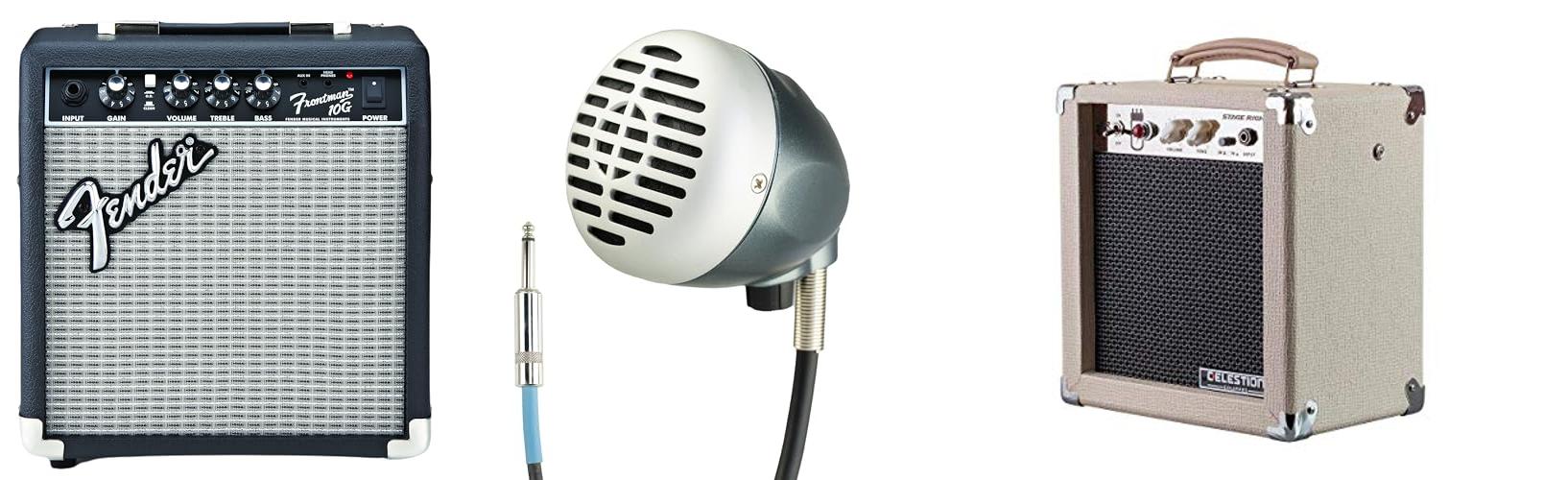
Imagine the soulful wail of a blues harp, soaring over a smoky barroom or echoing across an open field. That powerful sound doesn’t just happen; it starts with a great harmonica, but it truly comes alive with the right amplifier. But finding that perfect amp can feel like searching for a needle in a haystack. Do you go for vintage warmth or modern clarity? What about size, power, and those mysterious knobs?
Many harmonica players face this challenge. You want your instrument to sing, to cut through a band, or to simply sound amazing on its own. Yet, the world of harmonica amplifiers is vast and can be confusing. You might end up with an amp that’s too quiet, too noisy, or just doesn’t capture the tone you’re dreaming of. This can be frustrating and hold back your musical expression.
But don’t worry! In this post, we’re going to break down the essentials of harmonica amplifiers. We’ll explore what makes an amp great for your harp, the key features to look for, and how to avoid common pitfalls. By the end, you’ll have the knowledge to choose an amplifier that will make your harmonica sound its absolute best, giving you the confidence to play your heart out. Let’s dive in and discover the perfect partner for your harmonica!
Our Top 5 Harmonica Amplifier Recommendations at a Glance
| Image | Product | Rating | Links |
|---|---|---|---|
 |
Fender Frontman 10G Guitar Amp | 9.2/10 | Check Price |
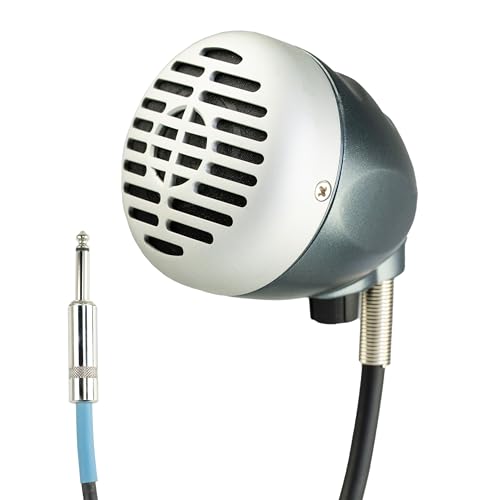 |
Superlux D112C Omnidirectional Dynamic Microphone – Hi-Z Vocal Mic for Blues/Harmonica | 9.3/10 | Check Price |
 |
Monoprice 5-Watt Guitar Combo Tube Amplifier (611705) | 9.0/10 | Check Price |
 |
Fender Mustang LT25 Guitar Amp | 9.2/10 | Check Price |
 |
Pignose 7-200 HOG-20 Amplifier | 9.0/10 | Check Price |
Top 5 Harmonica Amplifier Detailed Reviews
1. Fender Frontman 10G Guitar Amp
Rating: 8.9/10
The Fender Frontman 10G Guitar Amp is a fantastic choice for beginner guitarists and those looking for a practice amp. This compact amp delivers 10 watts of power, enough to practice at home or jam with friends. Its small size means it won’t take up much space, and it’s light enough to carry easily. The Fender Frontman 10G is built with quality in mind, just like other Fender products, and it even comes with a 2-year warranty.
What We Like:
- The 6-inch Fender Special Design speaker produces good sound for its size.
- It offers a variety of sounds, from bluesy tones to heavier metal sounds.
- You get lots of control over your sound with knobs for gain, volume, treble, and bass.
- The overdrive switch lets you easily add some grit to your playing.
- Its closed-back design helps create a fuller bass sound.
- Fender backs this amp with a 2-year limited warranty for peace of mind.
What Could Be Improved:
- While good for practice, 10 watts might not be loud enough for larger gigs.
- Some players might want more advanced features for extensive sound shaping.
This Fender Frontman 10G is a reliable and versatile practice amp that offers great value. It’s a solid starting point for anyone wanting to explore different guitar sounds.
2. Superlux D112C Omnidirectional Dynamic Microphone – Hi-Z Vocal Mic for Blues/Harmonica
Rating: 9.2/10
Get ready to channel your inner blues legend with the Superlux D112C Omnidirectional Dynamic Microphone. This mic is built for the raw, soulful sound of blues harmonica. Its vintage bullet design looks cool on stage, and it plugs right into your guitar amp, so you don’t need any extra gear. It’s made for players who want a simple, great-sounding setup.
What We Like:
- Perfectly designed for harmonica players, it plugs directly into guitar amps or other high-impedance equipment without needing adapters or preamps. Just plug it in and start playing.
- It captures a warm, classic blues tone with its omnidirectional pickup. The mic can handle loud volumes, up to 140dB SPL, making it great for live performances.
- The built-in volume knob lets you easily adjust your sound on the fly, without having to reach for your amp. It even has a center detent so you can feel your perfect volume setting.
- The mic’s smooth, curved design fits comfortably in either hand, making it easy to hold and play for long periods. It’s great for energetic stage performances or relaxed jam sessions.
- It comes with a long, 6-meter (about 20 feet) cable and a 6.3mm connector, so you’re ready to go right out of the box. The mic is lightweight, making it easy to use on stage.
What Could Be Improved:
- While the omnidirectional pickup is great for capturing nuance, it might pick up more background noise on very loud stages compared to a cardioid mic.
- The vintage design, while stylish, means it doesn’t have modern features like a mute switch.
The Superlux D112C is an excellent choice for any blues harmonica player looking for an authentic sound and simple setup. It delivers a classic tone and ease of use that makes it a joy to play.
3. Monoprice 5-Watt Guitar Combo Tube Amplifier (611705)
Rating: 9.2/10
The Monoprice 5-Watt Guitar Combo Tube Amplifier (611705) packs a punch of classic tube tone into a compact package. It’s designed for guitarists who appreciate the warm, rich sound that only tubes can provide, making it ideal for practice, recording, or even small gigs.
What We Like:
- It features a 5-watt tube power amplifier, delivering authentic tube sound.
- A genuine Celestion Super 8 GBA-15 speaker is included for great sound quality.
- It uses a ECC83/12AX7 preamplification tube and a 6V6GT power tube, essential for that classic tube amp character.
- The amplifier handles a wide frequency range from 80Hz to 10kHz, offering good sonic detail.
- It boasts a low hum and noise level (-75dB) and a low total harmonic distortion (0.5%), meaning a cleaner sound.
- Two input options, Low and High, allow you to control how easily the amp overdives for different tones.
- Tube amps naturally produce a richer, more dynamic sound with pleasing even-order harmonic distortion.
What Could Be Improved:
- The 5-watt power might be too quiet for loud band practices or larger venues without additional amplification.
- While the frequency range is decent, more advanced amps offer wider coverage for extreme tones.
- The “tone is always debatable” aspect means it might not perfectly match everyone’s personal preference without some tweaking.
This amp is a fantastic way to get into the world of tube amplification without breaking the bank. Its straightforward design and quality components make it a joy to play.
4. Fender Mustang LT25 Guitar Amp
Rating: 8.7/10
The Fender Mustang LT25 Guitar Amp is a fantastic choice for guitarists of all levels, especially those just starting out. This 25-watt combo amp packs a punch with its 8-inch Fender Special Design speaker, delivering that classic Fender sound you love. Its user-friendly design, complete with a bright 1.8-inch color display, makes it super easy to navigate. Plus, with 30 built-in presets, you can explore tons of different sounds and find your own unique style. And to top it all off, it comes with a 2-year limited warranty for peace of mind.
What We Like:
- Perfect for beginners with its easy-to-use interface and color display.
- Offers 30 diverse presets to experiment with different guitar tones.
- Includes a USB audio interface, making it simple to record your music.
- Comes with a reliable 2-year limited warranty from Fender.
- The 8-inch Fender speaker provides quality sound.
What Could Be Improved:
- While great for practice, it might not be powerful enough for larger gigs.
- The 1.8-inch display, while clear, is quite small.
The Fender Mustang LT25 is a solid amp that offers a lot for its price. It’s a great starting point for any guitarist looking to practice, record, and discover new sounds.
5. Pignose 7-200 HOG-20 Amplifier
Rating: 9.0/10
The Pignose 7-200 HOG-20 Amplifier is your go-to for jamming out wherever inspiration strikes. This portable powerhouse delivers impressive sound and incredible flexibility, making it a fantastic companion for any guitarist on the move. It’s built to last and designed for ease of use, so you can focus on your music.
What We Like:
- It’s perfect for playing anywhere!
- It recharges its own batteries when you plug it into a wall outlet.
- The battery life is great, giving you 6 to 10 hours of playtime between charges.
- It runs for 6 to 10 hours on a single charge or when plugged into AC power.
- A heavy-duty 6-1/2″ speaker is powered by a strong 20W amp.
- You can get both clean and crunchy tones.
- It features a squeal overdrive control for cool sound effects.
- There are two instrument inputs, so you can even play with a friend.
- A headphone jack lets you practice quietly without disturbing anyone.
- The adapter/recharger is included, so you have everything you need.
What Could Be Improved:
- While the speaker is heavy-duty, some users might want a larger speaker for bigger venues.
- The 20W amp is good for practice, but might not be loud enough for larger gigs.
The Pignose 7-200 HOG-20 Amplifier is a super versatile and reliable amp. It’s a smart choice for practice, jamming with friends, or even small performances.
Finding Your Sound: The Harmonica Amplifier Buying Guide
So, you’ve got a harmonica and you’re ready to make some noise! But to really let your harmonica sing, you need an amplifier. Amplifiers make your harmonica louder and give it a special tone. This guide will help you pick the right one.
Key Features to Look For
When you shop for a harmonica amplifier, keep these things in mind:
- Power Output (Watts): This tells you how loud the amp can get. For practice at home, 5-10 watts is usually enough. For playing with a band or on a small stage, you might want 15-30 watts. More watts mean more volume.
- Speaker Size: Amps have speakers that make the sound. Common sizes are 8-inch and 10-inch. A bigger speaker often gives a warmer, fuller sound.
- Input Jacks: Most amps have one input for your harmonica. Some might have an extra one for a microphone or another instrument.
- Tone Controls: These let you change the sound. Look for knobs for “Bass” (makes the sound deeper), “Treble” (makes it brighter), and sometimes “Mid” (controls the middle sound). A “Volume” knob is essential.
- Portability: Do you need to carry your amp around a lot? Some are small and light, while others are heavier. Think about handles and how easy it is to move.
- Effects (Optional): Some amps have built-in effects like “reverb” (makes the sound echo) or “overdrive” (makes the sound grittier, like old blues records). These can add a lot to your playing.
Important Materials
The way an amp is built matters.
- Cabinet Material: Most amps have cabinets made of wood. Plywood is strong and common. Some higher-end amps use solid wood, which some players believe sounds better.
- Speaker Cone: The speaker cone is the part that vibrates to make sound. Paper cones are typical and work well. Some speakers have different materials for a unique sound.
- Electronics: The parts inside the amp, like tubes or transistors, are important. Tube amps are famous for their warm, rich sound, but they can be more expensive and need more care. Solid-state (transistor) amps are usually lighter, cheaper, and more reliable.
Factors That Improve or Reduce Quality
- Good Quality Components: Amps built with better parts will generally sound better and last longer. This includes good tubes (if it’s a tube amp), quality speakers, and well-made knobs and jacks.
- Solid Construction: A well-built cabinet that doesn’t rattle or buzz will give you a cleaner sound.
- Design: The way the amp is designed affects its sound. Some amps are made to sound very clean, while others are designed to get that classic, “overdriven” blues tone.
- Brand Reputation: Some brands are known for making great harmonica amps. Researching brands can help you find reliable choices.
- Cheap Parts: Using very cheap parts can make an amp sound thin, noisy, or break easily.
User Experience and Use Cases
Harmonica amps are used in many ways:
- Home Practice: A small, low-wattage amp is perfect for practicing your scales and songs at home without disturbing others too much.
- Blues and Rock Gigs: Blues harp players often use amps that can overdrive naturally when turned up. Rock players might want more power and gain.
- Folk and Country Music: A cleaner, warmer tone is often preferred for these styles.
- Recording: Amps can add a special character to harmonica recordings.
A good harmonica amp will make your playing sound fuller, richer, and more expressive. It’s an investment that can really help you develop your unique sound.
Harmonica Amplifier FAQ
Q: What is the main difference between a tube amp and a solid-state amp for harmonicas?
A: Tube amps use vacuum tubes to make sound. They are known for a warm, natural, and often “gritty” sound when pushed. Solid-state amps use transistors. They are usually lighter, more affordable, and less prone to damage.
Q: Do I need a lot of watts to play my harmonica?
A: Not always. For practicing at home, 5-10 watts is usually plenty. If you play with a band or on a stage, you might need 15-30 watts or more to be heard.
Q: Can I use a regular guitar amplifier for my harmonica?
A: Yes, you can. However, guitar amps are designed for guitar frequencies. A dedicated harmonica amp is often voiced differently to better suit the harmonica’s sound and prevent feedback.
Q: What is “overdrive” on a harmonica amp?
A: Overdrive is a sound effect that makes the amp’s sound a bit distorted or “gritty.” Many blues harmonica players love this sound because it adds a lot of character and emotion.
Q: How important is the speaker size?
A: Speaker size affects the tone. Larger speakers (like 10-inch or 12-inch) tend to produce a fuller, warmer sound with more bass. Smaller speakers (like 8-inch) can be brighter and more focused.
Q: Should I look for an amp with built-in effects?
A: It depends on what sound you want. Effects like reverb can add depth. However, many players prefer to add effects using external pedals for more control. Simple amps without many effects are often preferred for a pure harmonica tone.
Q: Is it okay if my amp makes a little noise when it’s on?
A: Some minimal background noise, often called “hiss” or “hum,” is normal, especially with tube amps. However, loud, distracting noises or crackling usually mean there’s a problem.
Q: What is a “harp-friendly” amplifier?
A: This term usually refers to amplifiers that are specifically designed or known to work well with harmonicas. They often have a warmer tone and are less prone to unwanted feedback than some guitar amps.
Q: How do I connect my harmonica to an amplifier?
A: You’ll need a special cable. One end plugs into your harmonica’s microphone (if it has one, or you might need a clip-on mic), and the other end plugs into the amplifier’s input jack.
Q: What should I do if my amplifier sounds muddy or unclear?
A: You can try adjusting the tone controls (bass, mid, treble). Sometimes, reducing the bass and increasing the treble can help. Also, ensure your harmonica itself is clean and functioning properly.
In conclusion, every product has unique features and benefits. We hope this review helps you decide if it meets your needs. An informed choice ensures the best experience.
If you have any questions or feedback, please share them in the comments. Your input helps everyone. Thank you for reading.