
Ever felt the rumble of a bass guitar shake the very floor beneath you? That powerful sound doesn’t just happen on its own. It needs a special piece of equipment to make it loud and clear: a bass amplifier. But when you start looking for one, it’s like standing in front of a giant wall of knobs, buttons, and numbers. It can feel overwhelming, and choosing the wrong amp can lead to a weak sound that doesn’t do your playing justice.
That’s where this guide comes in! We know picking the perfect bass amp can be a bit confusing. There are so many different kinds, and each one does something a little different. You want an amp that makes your bass sound amazing, whether you’re practicing at home or playing on a stage. We’re here to break down all the jargon and help you understand what really matters.
By the time you finish reading, you’ll have a much clearer idea of what to look for. We’ll explore the different types of amps, what all those controls do, and how to find one that fits your budget and your sound. Get ready to discover the secrets to unlocking your bass guitar’s true potential, and let’s dive into the world of bass amplification!
Our Top 5 Bass Amplifier Recommendations at a Glance
Top 5 Bass Amplifier Detailed Reviews
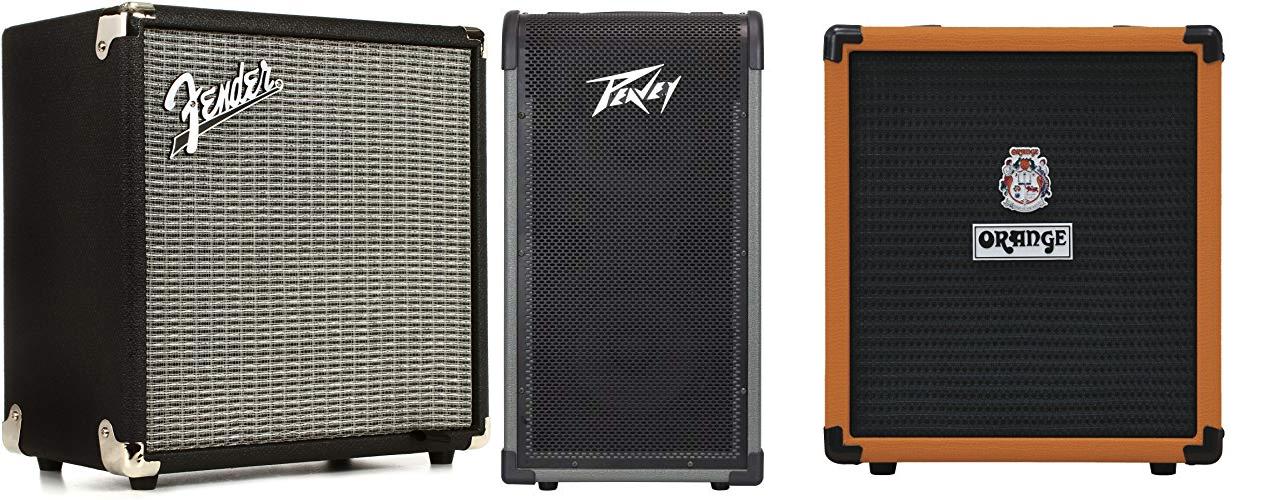
1. Fender Rumble 15 V3 Bass Amp for Bass Guitar

Rating: 9.0/10
The Fender Rumble 15 V3 Bass Amp is a fantastic choice for bass players looking for a reliable and great-sounding practice amp. It packs 15 watts of power, which is plenty for jamming at home or in small settings. This amp is built with Fender’s quality in mind, ensuring it will last. It’s also designed to be easy to use, so you can focus on your playing.
What We Like:
- It’s compact and lightweight, making it easy to move around.
- The 8-inch Fender Special Design speaker delivers surprisingly good sound for its size.
- The overdrive circuit adds a cool grit and character to your tone.
- The mid-scoop contour switch lets you easily shape your sound.
- The ivory “soft touch radio” control knobs look neat and are easy to grip.
- It comes with a 2-year limited warranty, which is a great sign of Fender’s confidence in its quality.
What Could Be Improved:
- For a full band setting, 15 watts might not be enough power.
- While the speaker is good for its size, a larger speaker would offer more low-end response.
The Fender Rumble 15 V3 is a solid little amp that offers a lot of bang for your buck. It’s a great companion for any bass player wanting to practice and experiment with their sound.
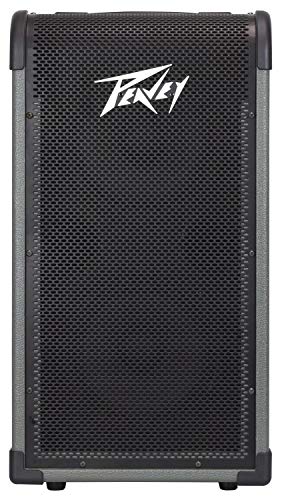
2. Peavey MAX 208 200-Watt Bass Amp Combo
Rating: 9.4/10
The Peavey MAX 208 200-Watt Bass Amp Combo is a powerful and versatile amp for bass players. It delivers a big sound with its 200 watts of power and two 8-inch speakers. This amp is built to handle practice sessions, small gigs, and even recording. It offers a lot of tone-shaping options, making it a great choice for bassists looking to find their perfect sound.
What We Like:
- It boasts a strong 200 watts of power, giving you plenty of volume.
- The two 8-inch speakers produce a full and clear bass tone.
- DDT speaker protection keeps your speakers safe from damage.
- The Pre-gain control with TransTube gain boost lets you add a nice growl to your sound.
- A three-band EQ with many switches (Overdrive, Contour, Mid-Shift, Bright, and Kosmos-C) allows for deep sound customization.
- It’s a great value for the features it offers.
What Could Be Improved:
- For very large venues, more power might be needed.
- Some players might find the number of switches a little overwhelming at first.
The Peavey MAX 208 is a fantastic amp that gives you a lot of bang for your buck. It’s a solid choice for any bassist wanting to upgrade their sound.
3. Orange Crush Bass 25 25W 8″ Bass Guitar Amplifier and Speaker Combo

Rating: 9.3/10
The Orange Crush Bass 25 is a fantastic little amp for bass players. It’s small and easy to carry. It makes your bass sound really good. It’s great for practicing at home or playing with friends.
What We Like:
- It sounds amazing. The 8-inch speaker makes your bass notes clear and full. You can hear every part of your music.
- It’s super easy to move around. It only weighs about 18 pounds. You can take it to band practice or small shows without a problem.
- It’s just the right power. The 25 watts are enough for practicing and playing in small rooms. It sounds strong without getting fuzzy.
- You can really tweak your sound. It has knobs for bass, middle, and treble. There’s also a cool pad switch to make things even better. You can find the perfect sound for any song.
- It’s built to last. Orange amps are known for being tough. This one has strong material and good parts, so it will keep working for a long time.
What Could Be Improved:
- It might not be loud enough for bigger gigs. For really big stages, you might need something more powerful.
- More effects would be nice. While the EQ is great, some built-in effects could add extra fun.
Overall, the Orange Crush Bass 25 is a solid choice for any bass player who needs a reliable and great-sounding practice amp. It offers quality sound and portability at a good value.
4. JOYO 10W Mini Bass Amp Bass Guitar Practice Amp Combo Bass Amplifier Portable Small Battery Powered Bass Amp Dual Channel (MA-10B)

Rating: 8.7/10
The JOYO MA-10B is a small but mighty bass guitar practice amp. It’s super portable and easy to use, making it great for beginners or anyone who wants to practice quietly. You can even take it outside with you!
What We Like:
- It’s very compact and lightweight, so you can carry it anywhere.
- You can switch between two channels: a normal sound and a drive sound for distortion.
- It has a headphone jack so you can practice without bothering anyone.
- An AUX input lets you play along with music from your phone.
- It can be powered by an adapter or batteries, giving you up to three hours of outdoor playtime.
- The tone control lets you adjust the sound to your liking.
- It’s very affordable for a practice amp.
What Could Be Improved:
- The 10-watt power might not be loud enough for jamming with others.
- While good for practice, the sound quality might not satisfy experienced musicians looking for a professional tone.
Overall, the JOYO MA-10B is a fantastic option for practicing bass at home or on the go. It offers a lot of features for its size and price.
5. JOYO 30W Bass Amp Portable Combo Amplifier 4″ Speaker with Bluetooth 5.1 + OTG Direct Recording

Rating: 8.7/10
The JOYO Vibe Cube BA-30 is a compact and powerful 30W bass amp designed for bassists on the go. It packs a punch with its 4-inch speaker and a passive radiator, delivering a full sound with deep lows and clear highs. This amp also comes loaded with features like Bluetooth 5.1 for streaming music and OTG recording to capture your ideas directly to your phone or computer.
What We Like:
- Excellent sound quality for its size, with punchy lows and clear highs.
- The 3-band EQ and MID FREQ control let you really dial in your tone.
- Built-in compression helps smooth out your playing and makes notes ring out.
- Bluetooth 5.1 makes it easy to jam along to tracks without messy cables.
- OTG recording is a fantastic feature for capturing demos or livestreams.
- It’s super portable, with a handle and the ability to run on a power bank.
- The headphone jack is perfect for quiet practice sessions.
What Could Be Improved:
- The amp requires a continuous power connection; it does not have a built-in battery.
- You need a specific type of power bank (PD 2.0+ 65W+) for portable operation.
This JOYO Vibe Cube BA-30 offers a lot of bang for its buck, making it a versatile tool for practice, recording, and small gigs. It’s a solid choice for any bassist looking for portability without sacrificing sound.
The Ultimate Buying Guide: Finding Your Perfect Bass Amp
So, you want to make your bass guitar sing? A great bass amplifier is your ticket to awesome sound. It makes your bass notes big, clear, and powerful. This guide will help you pick the best one for you.
Key Features to Look For
Let’s break down what makes a bass amp great.
Power (Wattage)
This is how loud your amp can get. More watts usually mean a louder amp. For playing at home, 20-50 watts is often enough. If you play with a band or in bigger rooms, you might need 100 watts or more.
Speaker Size
The speaker moves the air to make sound. Bigger speakers (like 10-inch or 12-inch) give you a fuller, deeper sound. Smaller speakers are good for practice. Some amps have more than one speaker.
EQ Controls
These let you shape your sound. You’ll usually find knobs for Bass, Mid, and Treble. Some amps have more detailed controls for finer tuning. This lets you get the exact tone you want.
Inputs and Outputs
You need an input for your bass guitar. Other useful things include an effects loop (to add pedals), a headphone jack (for quiet practice), and an output to connect to bigger speaker cabinets.
Portability and Weight
Will you move your amp a lot? Some are small and light, like practice amps. Others are bigger and heavier, built for the stage.
Important Materials
The parts inside and outside your amp matter.
Cabinet Material
Most amp cabinets are made of wood. Plywood is strong and common. MDF is cheaper but less durable. A good cabinet helps the sound be clearer.
Speaker Cones
The cone is the part of the speaker that vibrates. Paper cones are classic and warm. Materials like Kevlar or carbon fiber can be lighter and more responsive.
Grille Cloth
This covers the speaker. It protects the speaker and affects the sound slightly. Good quality grille cloth lets sound pass through easily.
Factors That Improve or Reduce Quality
Some things make an amp sound better, while others can make it sound worse.
Build Quality
A well-built amp feels solid. Knobs should turn smoothly. Wires inside should be neat. Better build quality means the amp lasts longer and sounds more reliable.
Component Quality
The electronic parts inside the amp are important. High-quality components can lead to a cleaner, more powerful sound. Cheap parts can sometimes cause noise or break easily.
Speaker Design
The way the speaker is made and how it fits in the cabinet affects the sound. A good speaker design gives you a balanced tone with good bass response.
Noise Floor
This is the background hiss or hum your amp makes. A good amp has a very low noise floor, so you only hear your bass.
User Experience and Use Cases
How will you use your amp?
Practice Amps
These are small and affordable. They are perfect for practicing at home. They usually have a headphone jack for silent playing.
Gigging Amps
These are louder and more powerful. They are built to handle playing in bands or at small venues. They often have more features for shaping your sound.
Stage Amps (Heads and Cabs)
These are for serious performers. You get a separate amp “head” and speaker “cabinets.” This gives you the most power and flexibility. They are usually the most expensive.
Choosing the right bass amp depends on your needs. Think about where you’ll play, how loud you need to be, and what sound you want. Happy bass playing!
Frequently Asked Questions (FAQ)
Q: What is the most important feature for a beginner?
A: For beginners, a good headphone jack for quiet practice and a simple EQ section are very important. Enough power to hear yourself clearly while practicing is also key.
Q: Do I need a lot of watts for playing at home?
A: No, not usually. For home practice, 20-50 watts is generally plenty. You don’t want to be too loud in your house!
Q: What’s the difference between a combo amp and an amp head and cabinet?
A: A combo amp has the amplifier and speaker all in one unit. An amp head and cabinet separates the amplifier from the speakers. You need to buy them separately.
Q: How important is the speaker size?
A: Speaker size affects the bass response. Larger speakers (10″ or 12″) generally give a deeper, fuller sound. Smaller speakers might sound thinner.
Q: Can I use my bass amp for other instruments?
A: You can sometimes plug in other instruments, but a bass amp is designed for bass frequencies. It might not sound ideal for guitar or keyboards.
Q: What does “impedance” mean for bass amps?
A: Impedance is like resistance to electrical flow, measured in ohms. You need to match the impedance of your speaker cabinet to your amp head to avoid damage.
Q: Should I buy a used bass amp?
A: Buying used can save money. Just make sure to test it thoroughly before buying to ensure it works well and has no hidden problems.
Q: How do I clean my bass amp?
A: You can wipe down the cabinet with a damp cloth. Be careful not to get water into any openings. The grille cloth can be gently vacuumed.
Q: What is an “effects loop”?
A: An effects loop lets you connect your effects pedals between the preamp and power amp sections of your amp. This can give you more control over your tone.
Q: How can I make my bass amp sound better?
A: Experiment with the EQ controls. Try different speaker sizes. Using good quality cables and pedals also helps improve your overall sound.
In conclusion, every product has unique features and benefits. We hope this review helps you decide if it meets your needs. An informed choice ensures the best experience.
If you have any questions or feedback, please share them in the comments. Your input helps everyone. Thank you for reading.