
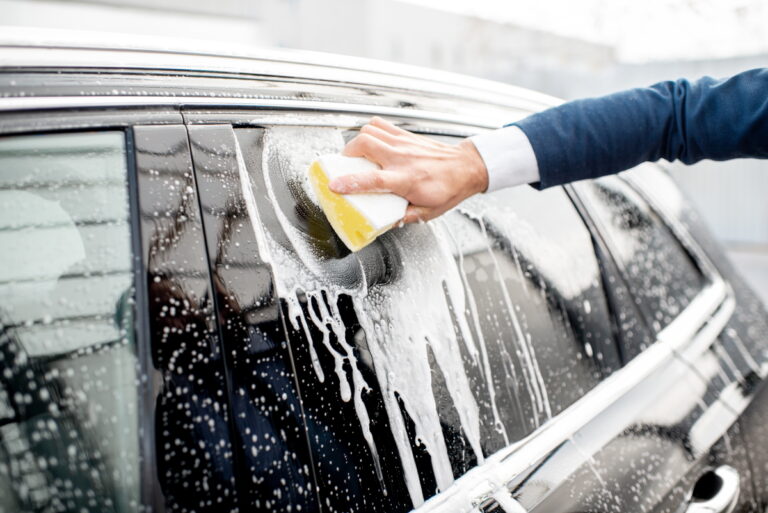
Image Source: qualityautoglasstint.com
Can You Wash A Car After Tint? Timing Guide
Yes, you can wash a car after tint, but you absolutely must wait for a specific period before doing so. The general rule of thumb is to wait at least 24 to 72 hours, and often up to a week, before your first car wash tint. This waiting period allows the window film adhesive to cure properly and bond securely to your vehicle’s glass. Rushing the washing tinted windows process can lead to premature peeling, bubbling, or damage to the delicate tint film, ultimately costing you more in repairs or re-tinting. This guide will delve into the essential timing and methods for a car washing after tint to ensure your tint job lasts.
The Crucial Curing Process: Why Patience is Key
Window tinting isn’t just slapping a film onto glass; it involves a complex chemical reaction. When the tint film is applied, a special adhesive is used. This adhesive contains water, which is essential for its application and for allowing the installer to position the film correctly. After the film is in place and squeegeed, this water needs to evaporate. As the water evaporates, the adhesive cures, creating a strong, lasting bond between the tint film and the glass.
This curing process is temperature-dependent. In warmer conditions, the water can evaporate more quickly, potentially shortening the recommended waiting time. Conversely, cooler or more humid conditions will slow down the evaporation process, meaning you might need to wait even longer.
- Adhesive Breakdown: Tint adhesives are designed to set and harden over time. This setting process is delicate. Exposure to high-pressure water streams or aggressive cleaning solutions too early can disrupt this bonding, causing the adhesive to break down or lose its grip.
- Microscopic Bubbles: Even with professional installation, tiny amounts of water can remain trapped under the film. The curing period allows this residual moisture to naturally escape through microscopic channels in the adhesive. Washing too soon can force this moisture back under the film, creating unsightly bubbles or pockets.
- Film Integrity: The tint film itself is also sensitive during the initial curing phase. It’s more prone to stretching, tearing, or lifting if handled roughly or exposed to undue stress.
How Long to Wait: A Detailed Breakdown
The exact waiting period for washing car with window film can vary slightly depending on the installer, the type of tint film used, and environmental conditions. However, there are general guidelines to follow:
General Waiting Periods
- 24-48 Hours: This is the absolute minimum waiting time. During this period, the most critical bonding occurs. Avoid any direct contact with the tinted windows.
- 3-7 Days: This is the most commonly recommended waiting period by professional installers. It ensures that the adhesive has sufficiently cured, significantly reducing the risk of damage from a tint safe car wash.
- Up to 10-14 Days: In colder climates or during winter months, the curing process can take longer. If the temperature is consistently below 60°F (15°C), it’s wise to extend the waiting period.
Factors Influencing Curing Time
- Temperature: Warmer temperatures accelerate drying. Cooler temperatures slow it down.
- Humidity: High humidity can slow down the evaporation of water from the adhesive.
- Sunlight: Direct sunlight, especially early on, can help speed up the curing process by warming the glass and the film. However, excessive heat might also cause issues if not managed properly by the installer.
- Type of Tint: Some advanced tint films and adhesives may have slightly different curing times. Always ask your installer for their specific recommendations.
What to Expect During the Curing Period
It’s normal to notice a few things during the initial curing phase:
- Hazy Appearance: The windows might appear a bit hazy or cloudy. This is due to residual moisture trapped within the film and adhesive. This haze should disappear as the water evaporates.
- Small Bubbles or Pockets: You might see small bubbles or water pockets. Again, as long as they are not trapped air bubbles with a distinct edge, they should resolve on their own. If you see a bubble that looks like a pocket of air with a sharp boundary, contact your installer.
- Edge Imperfections: Sometimes, the edges of the tint might seem slightly loose. This is usually temporary as the adhesive fully sets.
Important: If you notice any significant bubbling, peeling, or if the haze doesn’t dissipate after a week, contact your tint installer immediately.
The Art of the First After Tinting Car Wash
When the waiting period is over, your first washing car with window tint requires a gentle approach. Think of it as a delicate operation to preserve the integrity of the newly applied film.
What to Use for a Tint Safe Car Wash
- Mild Soap: Use a pH-neutral car wash soap. Avoid harsh detergents, ammonia-based cleaners, or abrasive soaps. Dish soap can sometimes be too harsh. Look for soaps specifically designed for automotive use.
- Soft Microfiber Towels: These are your best friends. They are non-abrasive and highly absorbent, minimizing the risk of scratching the tint. Have plenty on hand.
- Clean Water: Ensure your water source is free from contaminants that could scratch the film.
What to Avoid
- High-Pressure Washers: Never aim a high-pressure washer directly at the edges of the tint film. The intense water pressure can lift the film and damage the adhesive.
- Abrasive Materials: Steel wool, abrasive sponges, scrub brushes, or anything that can scratch the surface must be avoided.
- Ammonia-Based Cleaners: Ammonia is a powerful solvent that can break down the adhesive and damage the tint film, causing it to discolor or peel. This includes many common household glass cleaners.
- Razor Blades or Scrapers: Never use these on tinted windows, even if you see a small piece of debris stuck to the film.
- Sticky Labels or Residue: If you need to remove a sticker or stubborn residue, do so very carefully with a specialized adhesive remover recommended for window tint, and a soft cloth.
Step-by-Step Guide to Washing Tinted Windows
Follow these steps for a safe and effective washing tinted windows experience:
- Pre-Rinse: Begin by rinsing the vehicle thoroughly with a gentle stream of water to remove loose dirt and debris. This prevents scratching the tint during the washing phase.
- Gentle Washing:
- Mix your mild car soap with water according to the product instructions.
- Dip a clean microfiber wash mitt or sponge into the soapy water.
- Wash the windows using gentle, straight-line motions. Avoid circular scrubbing.
- Work from top to bottom.
- Rinse your wash mitt frequently in a separate bucket of clean water to avoid transferring dirt back onto the window.
- Rinsing: Rinse the windows thoroughly with clean water. Again, use a gentle stream. Ensure all soap residue is removed.
- Drying:
- Use a clean, dry microfiber towel to gently dry the windows.
- Blot the water or use very light wiping motions. Do not scrub.
- You can also use a squeegee, but ensure it’s a high-quality, soft rubber squeegee that is free of nicks or debris. Always keep the squeegee blade clean and lubricated with soapy water. Start from the top and work your way down in overlapping strokes, wiping the squeegee blade dry with a microfiber towel after each stroke.
Interior Window Cleaning
Cleaning the inside of your tinted windows requires the same level of care.
- Wait the full curing period before cleaning the interior.
- Use a dedicated glass cleaner that is ammonia-free. Spray the cleaner onto a microfiber cloth, not directly onto the window.
- Wipe the glass gently.
- Use a second dry microfiber cloth to buff the glass to a streak-free shine.
Tint Maintenance Car Wash Best Practices
Beyond the initial wash, regular tint maintenance car wash is crucial for longevity.
Regular Cleaning Schedule
- Frequent Gentle Washes: Wash your car regularly to prevent dirt and grime buildup, which can become abrasive over time.
- Spot Cleaning: For minor spots or splatters, you can often use a damp microfiber cloth to gently wipe them away.
What to Do When Removing Stubborn Debris
If you encounter tar, bug residue, or other stubborn substances on your tinted windows:
- Use Tint-Safe Cleaners: Purchase a specialized automotive bug and tar remover that is safe for window tint.
- Apply Sparingly: Apply the cleaner to a microfiber cloth, not directly to the window.
- Gentle Wiping: Gently dab or wipe the affected area. Avoid harsh scrubbing.
- Rinse and Dry: Once the residue is removed, rinse the area with water and dry with a clean microfiber towel.
How to Wash Tinted Car – A Summary Table
| Action | Recommended Method | What to Avoid |
|---|---|---|
| Initial Wash Wait Time | 24-72 hours minimum, ideally 3-7 days | Washing immediately after installation |
| Soap | pH-neutral car wash soap | Harsh detergents, ammonia-based cleaners, dish soap |
| Washing Tools | Soft microfiber wash mitts/sponges | Abrasive sponges, steel wool, rough cloths |
| Drying Tools | Soft microfiber towels, quality rubber squeegee | Paper towels, rough towels |
| Water Pressure | Gentle hose stream | High-pressure washers (especially on edges) |
| Cleaning Agents | Ammonia-free glass cleaner (for interior) | Ammonia-based cleaners, all-purpose cleaners |
| Debris Removal | Tint-safe cleaners, gentle dabbing, microfiber cloth | Razor blades, scrapers, abrasive scrubbing |
| Interior Cleaning Method | Spray cleaner onto cloth, gentle wiping | Spraying directly onto glass, harsh rubbing |
Addressing Common Concerns About Washing Vehicle With Window Tint
Many car owners worry about damaging their new tint. Here are some common questions and answers:
Can I take my car through an automatic car wash?
It’s generally best to avoid automatic car washes, especially those with brushes, for at least a few weeks after tinting, and ideally, forever. The brushes can be abrasive and may scratch the tint film or cause it to peel at the edges. Touchless automatic car washes are a safer option, but still use high-pressure water, so exercise caution and check your installer’s specific advice. Hand washing is always the safest bet for tint maintenance car wash.
What if I see a small scratch on my tint?
If you notice a minor scratch, resist the urge to try and buff it out. Tint film is a delicate surface. Small, superficial scratches might be unnoticeable over time as the film settles. If the scratch is deep enough to affect visibility or appears to be lifting the film, contact your installer.
Is it okay to use window cleaner inside the car?
Yes, but only if it’s ammonia-free. Ammonia can damage the tint from the inside out. Always read the label of your glass cleaner to ensure it’s safe for tinted windows.
My installer said I can wash after 24 hours, but others say a week. Who is right?
Your installer is the best source of information for your specific tint job. They know the type of film and adhesive used. However, if you’re unsure or want to be extra cautious, extending the waiting period to a full week is never a bad idea.
The Long-Term Care of Tinted Windows
Proper tint maintenance car wash isn’t just about the initial period. Consistent gentle care will ensure your tint looks great for years.
- Regular Inspection: Periodically check your tint for any signs of peeling, bubbling, or discoloration. Catching issues early can prevent them from worsening.
- Protective Coatings: Some car care enthusiasts opt for ceramic coatings on their vehicle’s windows, including the tinted ones. Ensure any such product is specifically stated as safe for window tint by the manufacturer.
- Professional Re-application: If your tint becomes damaged, discolored, or starts to peel significantly, it’s best to have it professionally removed and re-applied. DIY removal can be challenging and may scratch the glass.
By respecting the curing time and adopting gentle washing practices, you can ensure your car’s window tint provides privacy, UV protection, and a sleek look for the long haul. Always err on the side of caution when it comes to washing car after tint, and your investment will be well protected.