
Yes, you absolutely can file Chapter 7 bankruptcy and keep your car. This is a common concern for many individuals facing financial difficulties, and the good news is that bankruptcy laws provide mechanisms to allow you to retain your vehicle. The ability to keep your car hinges on a few key factors, primarily the equity you have in the car and how you handle any outstanding car loan. This guide will delve into the intricacies of car ownership chapter 7, retaining vehicle bankruptcy, and how to navigate the process successfully.
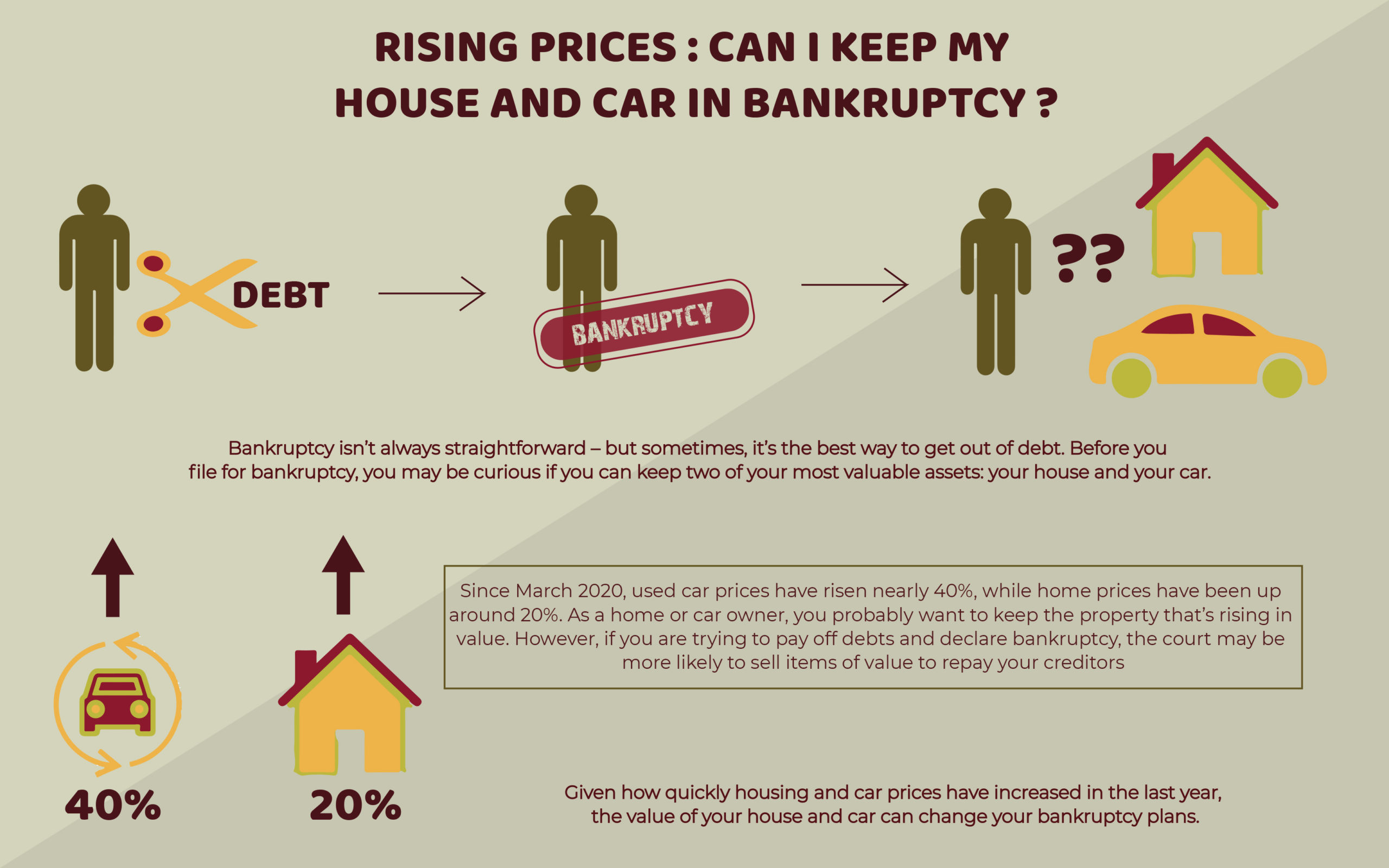
Image Source: www.therollinsfirm.com
Deciphering Chapter 7 Bankruptcy and Vehicle Ownership
Chapter 7 bankruptcy, often referred to as liquidation bankruptcy, involves selling off non-exempt assets to pay creditors. However, not all assets are liquidated. Many essential items, including your car, are protected through chapter 7 car exemption laws. The goal for most filers is to keep their car for daily transportation and work needs. The process involves demonstrating to the court that you intend to continue making payments or that the car’s value is within protected limits.
Fathoming the Role of Equity
The key to keeping your car in Chapter 7 often boils down to the amount of bankruptcy car equity you have. Equity is the difference between what your car is worth and what you still owe on it.
- Low or No Equity: If you owe more on your car than it’s worth, or if its value is very low, it will likely be protected by exemptions.
- Significant Equity: If you own your car outright or owe very little, the equity might exceed the exemption limits. In such cases, the bankruptcy trustee could potentially sell the car, give you the exempt amount, and use the rest to pay creditors.
Exemptions: Your Shield for Car Ownership
Each state has its own set of exemptions that protect certain assets from liquidation in bankruptcy. There are also federal exemptions, which filers can choose if their state allows it.
State vs. Federal Exemptions
The choice between state and federal exemptions can be critical, especially when it comes to chapter 7 asset protection car. Some states offer more generous vehicle exemptions than others.
- State Exemptions: These vary widely. For example, Texas has a generous homestead exemption that can sometimes be used to protect a vehicle, while other states have specific dollar amounts for vehicle equity.
- Federal Exemptions: These offer a standard amount for a motor vehicle. If your state allows you to use federal exemptions, you can compare them to your state’s exemptions to see which provides better protection for your car.
Common State Exemptions for Vehicles
| State | Motor Vehicle Exemption Amount (Approximate) | Notes |
|---|---|---|
| California | $3,500 (or $7,000 for unmarried individuals) | Can sometimes be combined with other wildcard exemptions. |
| Florida | $1,000 | Very limited for vehicles; often requires other exemptions. |
| Texas | $5,000 (per person) | No specific vehicle exemption; often protected through other exemptions. |
| New York | $4,000 | Specific exemption for a motor vehicle. |
| Illinois | $2,400 | Specific exemption for a motor vehicle. |
Note: Exemption amounts can change and may have specific conditions. It’s crucial to consult with a bankruptcy attorney for the most current and applicable information for your state.
Strategies for Keeping Your Car During Bankruptcy
Successfully keeping car during bankruptcy requires a proactive approach. You need to decide how you will handle any outstanding car loan and ensure the car’s value is protected.
Option 1: Reaffirmation Agreement
One of the most common ways to keep your car is through a reaffirmation agreement. This is a legal document where you agree to continue paying your car loan after your bankruptcy case is discharged. By reaffirming, you essentially remove the debt from your bankruptcy, meaning you won’t be discharged from that specific loan.
What is a Reaffirmation Agreement?
A reaffirm car loan chapter 7 agreement is a contract between you and the lender. You promise to keep making payments as agreed, and the lender agrees to let you keep the car.
Requirements for Reaffirmation
- Court Approval: The bankruptcy court must approve the reaffirmation agreement. The judge will want to ensure that this agreement doesn’t pose an undue hardship on you and that you can afford the payments.
- “Bargain” Consideration: The court looks for whether the reaffirmation is a fair deal. This means the car’s value must be at least equal to the amount you’re agreeing to pay.
- Legal Advice: You’ll typically need to sign a statement that you consulted with an attorney about the reaffirmation agreement and its consequences.
Pros and Cons of Reaffirming
- Pros:
- Keeps your car and continues your existing loan terms.
- Helps rebuild your credit history if payments are made on time.
- Avoids the hassle of finding a new car or alternative transportation.
- Cons:
- You are still legally obligated to pay the loan. If you default later, the car can be repossessed, and you won’t be able to discharge that debt.
- The loan balance might be higher than the car’s actual market value.
Option 2: Redemption
Another strategy, though less common than reaffirmation, is car redemption chapter 7. This involves paying the lender the current market value of the car in a lump sum, rather than the total amount owed on the loan.
How Car Redemption Works
- Lump Sum Payment: You need to come up with the cash to pay the fair market value of the car.
- Court Order: The court must approve the redemption.
- New Title: Once you pay, you receive a clear title to the car, free of the old loan.
Suitability for Redemption
Redemption is generally only feasible if you have access to a lump sum of cash, which is rare for individuals filing Chapter 7. It’s more common for those who have significant savings or a windfall.
Option 3: Surrendering the Car
If your car is worth less than you owe, or if you simply cannot afford the payments and don’t want to reaffirm, you can choose to surrender the vehicle. This is sometimes referred to as a chapter 7 voluntary repossession.
The Process of Surrendering
- Notify the Trustee: You inform the bankruptcy trustee and the lender that you will be returning the car.
- Lender Repossession: The lender will then repossess the car.
- Deficiency Balance: If the sale of the repossessed car doesn’t cover the outstanding loan amount, the remaining balance is called a deficiency. In most Chapter 7 cases, this deficiency is discharged, meaning you won’t owe it.
When Surrendering Makes Sense
- Negative Equity: When you owe significantly more than the car is worth.
- Affordability: If the car payment bankruptcy protection is too high for your budget post-bankruptcy.
- Unreliable Vehicle: If the car is old and prone to expensive repairs.
Navigating Filing Chapter 7 with a Car Loan
Filing chapter 7 car loan requires careful planning. Understanding the lender’s rights and your options is paramount.
The Automatic Stay
When you file for Chapter 7 bankruptcy, an automatic stay goes into effect. This is a powerful court injunction that immediately stops most collection actions against you, including repossessions, foreclosures, wage garnishments, and collection calls. This provides immediate breathing room.
- Temporary Relief: The automatic stay gives you time to decide how to handle your car loan and other debts without immediate pressure.
- Lender Restrictions: Creditors are legally prohibited from contacting you or attempting to collect debts while the stay is in place.
Dealing with Secured Debts (Car Loans)
Car loans are considered secured debts because the car itself serves as collateral for the loan. This makes them different from unsecured debts like credit card balances.
What Happens to Your Car Loan?
The bankruptcy trustee generally won’t take your car if it’s subject to a secured loan and you want to keep it. The focus is on your equity and your intent to continue payments.
- Lienholder Rights: The lender (lienholder) has a right to their collateral (the car) if the loan is not paid.
- Your Options: You must either reaffirm the debt, redeem the vehicle, or surrender it. Failing to do one of these can lead to repossession even during bankruptcy.
The Role of the Bankruptcy Trustee
The bankruptcy trustee is appointed to oversee your case. Their primary job is to liquidate non-exempt assets to pay creditors.
- Asset Evaluation: The trustee will review your bankruptcy petition and schedules to determine the value of your car and the amount of equity.
- Exemption Claim: They will verify that you are claiming appropriate exemptions for your vehicle.
- Liquidation Decision: If your car has significant non-exempt equity, the trustee may decide to sell it. However, they typically want to avoid taking vehicles that are essential for your livelihood if the equity is minimal or protected by exemptions.
Frequently Asked Questions About Keeping Your Car in Chapter 7
Here are answers to some common questions:
Q1: What if I own my car outright and have no loan?
If you own your car outright and have equity in it, you’ll rely on chapter 7 car exemption limits. If the car’s value, minus any allowed exemptions, is significant, a trustee might sell it. However, most states have exemptions that cover the full value of a vehicle, or at least a substantial portion, protecting it from liquidation.
Q2: Can I stop making car payments while in Chapter 7?
You can temporarily stop making payments once the automatic stay is in effect, but you must address the loan with the lender before the stay is lifted or your case is discharged. You’ll need to decide whether to reaffirm, redeem, or surrender the car. If you stop payments and don’t reaffirm or redeem, the lender will likely repossess the car.
Q3: What if the lender wants to repossess my car before I file Chapter 7?
If the lender is in the process of repossessing your car (or has already done so) and you file Chapter 7, the automatic stay can stop the repossession or require the lender to return the car. This gives you a chance to formally address the loan within the bankruptcy.
Q4: What if I have more than one car?
If you have multiple vehicles, you can usually only protect one with the full exemption amount. The other vehicle would need to have its equity protected by other available exemptions, or it might be subject to liquidation if the equity is significant.
Q5: Can I get a new car loan while in Chapter 7?
Generally, you cannot incur new debt, including a car loan, while your Chapter 7 case is active without court permission. However, many people are able to obtain car loans after their bankruptcy is discharged, sometimes through “buy here, pay here” lots or dealers specializing in bankruptcy financing.
Q6: What happens if I reaffirm the loan but then can’t make payments?
If you reaffirm a car loan and later can’t make payments, the lender can repossess the car. Crucially, because you reaffirmed, the debt is not discharged. This means you will still owe the deficiency balance (if any) after the car is sold, and the lender can pursue you for that amount.
Q7: How does Chapter 7 affect my existing car loan?
Chapter 7 allows you to discharge many types of debt, but secured debts like car loans require a specific action. You must either reaffirm, redeem, or surrender the vehicle to resolve the loan in relation to your bankruptcy.
Key Considerations for a Successful Chapter 7 Car Outcome
To maximize your chances of retaining vehicle bankruptcy and ensuring successful car ownership chapter 7, focus on these points:
- Accurate Valuation: Get an independent appraisal of your car’s current market value. Websites like Kelley Blue Book (KBB) or Edmunds can provide estimates, but a professional appraisal is more definitive.
- Understand Your State’s Exemptions: Research your state’s specific exemptions for motor vehicles. Some states offer much higher protection than others.
- Consult a Bankruptcy Attorney: This is the most crucial step. An experienced bankruptcy attorney can explain the nuances of exemptions, reaffirmation, and redemption in your specific jurisdiction. They can also advise on the best strategy for your financial situation and help you prepare the necessary paperwork.
- Honesty and Disclosure: Be completely honest and thorough when listing your car and its loan on your bankruptcy petition. Failure to disclose assets can lead to severe consequences, including dismissal of your case or denial of discharge.
- Budgeting: If you plan to reaffirm the loan, ensure you can realistically afford the monthly payments, insurance, and maintenance costs for the car, in addition to your other living expenses.
Conclusion: Driving Forward After Chapter 7
The ability to keep your car while filing Chapter 7 bankruptcy is a very real possibility for many people. By leveraging chapter 7 car exemption laws, making informed decisions about your car loan through reaffirmation or redemption, or strategically surrendering the vehicle, you can navigate this process and maintain essential transportation. The key to success lies in meticulous planning, accurate valuation, and seeking expert legal guidance. With the right strategy, you can drive away from bankruptcy with your car and a clearer path to financial recovery.