
Yes, you can get a car wash after tinting windows, but only after the tint cure time has passed and with proper care. The most common question new car owners have after getting their windows tinted is whether they can wash their car. This guide will walk you through everything you need to know about window tinting aftercare, focusing on car wash after tint installation.
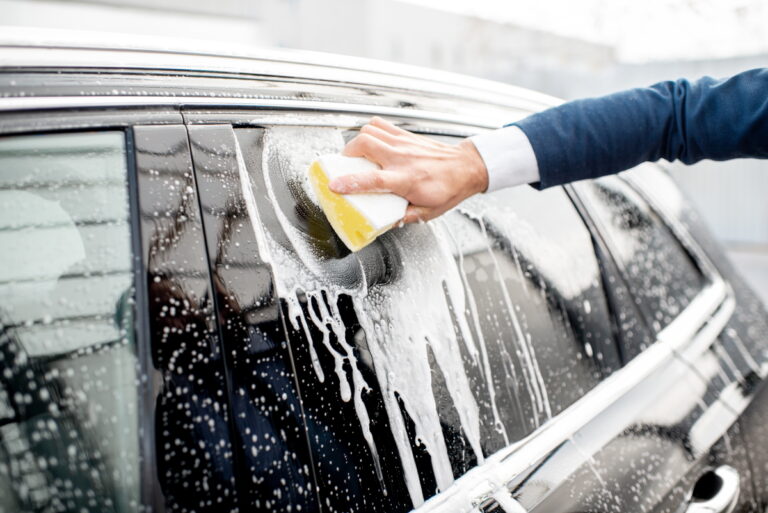
Image Source: qualityautoglasstint.com
Giving Your New Tint the Best Start
When you invest in window tinting, you want it to last. Proper tinting maintenance is key to achieving that. The tint film needs time to bond fully with your windows. Rushing the process can lead to problems.
The Crucial Tint Cure Time
Tint cure time is the most vital factor when deciding when to wash your car. This is the period the tint film needs to dry completely and adhere firmly to the glass.
- What is tint cure time? It’s the timeframe during which the adhesive on the tint film fully cures, creating a strong bond with the glass. During this time, moisture trapped between the tint and the glass evaporates.
- How long does it take? This can vary. Typically, it takes 24 to 72 hours for the tint to dry enough for careful handling. However, for the tint to fully cure and achieve maximum adhesion, it can take up to 30 days, or even longer in cooler, humid weather.
- Why is it important? During the curing process, small water pockets may still exist under the tint. Aggressive washing or touching the tint can dislodge it, cause bubbles, or even peel the film away.
What Happens During Curing?
During the curing period, several things are happening:
- Adhesive bonding: The adhesive on the tint film gradually forms a strong bond with the glass surface.
- Moisture evaporation: Any water used during installation by the professional tint installer is slowly evaporating from between the film and the glass. This is why you might see tiny water droplets or haziness under the tint for a few days. This is normal.
Washing Your Tinted Windows: Do’s and Don’ts
Once your tint has had adequate time to cure, you can wash your car. However, not all car washes are created equal, especially when it comes to new window tint.
The First Wash After Tinting
Your first few washes are critical for long-term tint health.
- Hand washing is best: For the initial washes after the recommended cure time (at least a week, ideally longer), hand washing is strongly recommended. This allows you to control the pressure and the products used.
- Gentle pressure: Use a soft wash mitt and avoid applying excessive pressure on the tinted windows.
- Mild soap: Always use a pH-neutral car wash soap. Harsh chemicals or abrasive cleaners can damage the tint film or its adhesive.
- Avoid the brushes: Never use abrasive brushes or scrub pads on your windows.
- Soft drying: Use clean, soft microfiber towels to dry the windows. Avoid paper towels, as they can be abrasive.
Can You Go Through an Automatic Car Wash?
This is a common question. The answer is generally no, not immediately, and with caution even after curing.
- High-pressure jets: Automatic car washes often use high-pressure water jets that can potentially force water under the edges of the tint film before it’s fully cured, leading to peeling or bubbling.
- Spinning brushes: The spinning brushes in many automatic car washes are made of plastic or other materials that can scratch, scuff, or even tear the tint film.
- Harsh chemicals: The soaps and drying agents used in automatic car washes can be more aggressive than those you’d use for hand washing.
Therefore, it is best to avoid automatic car washes for at least a month or two after tint installation, and always opt for touchless car washes if you must use an automatic one.
Using a Pressure Washer on Tinted Windows
If you use a pressure washer, extreme caution is advised.
- Distance is key: Always maintain a significant distance between the pressure washer nozzle and the tinted windows. A general rule of thumb is at least 2-3 feet.
- Low pressure setting: Use the lowest pressure setting available. High pressure can force water under the film.
- Wide fan spray: Use a wide fan spray pattern rather than a concentrated jet.
Inside Your Car: Cleaning Tinted Windows
Cleaning the inside of your tinted windows requires even more care, as the tint film is applied to the interior side of the glass.
- No abrasive cleaners: Never use ammonia-based cleaners (like Windex) or abrasive cleaners. These can damage the tint film and its adhesive.
- Microfiber cloths only: Use a clean, soft microfiber cloth.
- Gentle wiping: Wipe gently. Avoid pressing hard or scrubbing.
- Spray the cloth, not the window: For cleaning, spray your chosen tint-safe cleaner onto the microfiber cloth, not directly onto the window. This prevents excess liquid from seeping under the tint edges.
- Avoid the edges: Be particularly careful around the edges of the tint where it meets the window seal.
What is Tint Film Drying?
Tint film drying is the process by which the installer’s solution and any residual moisture evaporate from under the tint. This is crucial for the tint to adhere properly.
- Installer’s solution: Professional tint installers use a special solution (often water with a tiny amount of baby soap) to apply the tint. This solution helps the film slide into place and allows the installer to squeegee out most of the liquid.
- Trapped moisture: Despite the best efforts of the installer, tiny amounts of moisture can remain trapped under the film. This is what needs to evaporate.
- Appearing normal: It’s normal to see small water pockets or a hazy appearance for a few days after installation. As the tint film drying process continues, these should disappear. If they persist beyond the recommended curing time, contact your installer.
Dealing with Water on New Tint
You might wonder what to do if you get water on new tint.
- Initial period: If your tint is still within its initial curing period (first 24-72 hours), avoid the urge to wipe away any water droplets you see on the outside of the window. The inside is where the film is, and touching it prematurely can cause damage.
- Gentle blot: If a small amount of water gets on the exterior of the tinted window shortly after installation, gently blot it with a clean, soft microfiber towel. Do not rub.
- Avoid puddles: Try to avoid letting significant amounts of water pool on the tinted windows, especially in the first few days.
When Can You Safely Wash Tinted Windows?
The question of “Can you get a car wash after tinting windows?” can be answered definitively with timing.
| Activity | Recommended Time After Tint Installation | Important Notes |
|---|---|---|
| Gentle Hand Wash | 3-7 days | Use pH-neutral soap, soft wash mitts, and microfiber towels. Avoid excessive pressure. Focus on cleaning the body of the car, being extra gentle around the windows. |
| Interior Window Cleaning | 14-30 days | Use only tint-safe cleaners sprayed onto a microfiber cloth. Avoid ammonia-based products and paper towels. Be very gentle around the edges. |
| Automatic Car Wash | 30-60 days (Touchless Recommended) | Avoid brush-style automatic washes entirely. Opt for touchless washes if necessary, but be aware that high-pressure water can still be a risk for new tint. Hand washing remains the safest option. |
| Pressure Washer Use | 30-60 days | Use on a low-pressure setting and from a safe distance (2-3 feet), with a wide fan spray. |
| Waxing/Polishing | 30-60 days | Ensure any waxes or polishes do not come into contact with the window tint. Some ceramic coatings applied to the car’s paint might drip onto windows; if so, try to wipe them off gently before they dry. |
Special Considerations: Ceramic Coating Tint
If you’ve opted for a ceramic coating tint, this adds an extra layer of protection to your window tint.
- What is ceramic coating tint? This is a clear protective layer applied over the window tint film. It’s designed to enhance gloss, repel water and dirt, and provide scratch resistance to the tint itself.
- Does it change washing rules? Generally, no. The fundamental tint cure time and the need for gentle washing still apply to the underlying tint film. The ceramic coating is a secondary layer.
- Enhanced protection: Once both the tint and the ceramic coating have fully cured (which can take a similar amount of time as the tint curing, sometimes longer for the coating), the combination offers superior durability and makes washing easier due to its hydrophobic properties.
- Ceramic coating maintenance: Follow the manufacturer’s recommendations for cleaning and maintaining the ceramic coating itself. Usually, this involves using pH-neutral cleaners and avoiding abrasive materials, which aligns perfectly with good window tint care.
Wet Sanding Tint: A Professional Touch
You might hear about wet sanding tint. This is a technique used by some professional installers, particularly for certain types of window tint or to achieve a perfect finish.
- What is wet sanding tint? It’s a process where very fine-grit sandpaper, used with water, is employed to smooth out imperfections or to help the tint adhere better in difficult curves.
- Installer’s job: This is a procedure best left to experienced professionals. Improper wet sanding can easily damage the tint film or the glass.
- Impact on washing: If your tint has been wet sanded by a professional, it’s likely to have a very smooth, well-adhered finish. However, it doesn’t change the basic rules of window tinting aftercare regarding washing and drying. You still need to respect the tint cure time.
Protective Film Removal: Another Scenario
Sometimes, installers might apply a temporary protective film removal over the tint after installation to shield it during the initial curing phase.
- When to remove: This film is usually meant to be removed by the customer after a few days or by the installer at a follow-up. Do NOT try to wash your car while this protective film is still on.
- Follow instructions: Always follow the installer’s specific instructions regarding the removal of any protective film. Removing it too soon or too roughly can compromise the tint.
- After removal: Once the protective film is removed, the standard window tinting aftercare guidelines apply regarding washing.
Common Tinting Maintenance Mistakes to Avoid
Maintaining the quality of your window tint involves avoiding common pitfalls.
Mistake 1: Not Waiting Long Enough
The most frequent error is washing the car too soon after tint installation. This can lead to:
- Bubbles or peeling along the edges.
- Dislodged tint film.
- Premature degradation of the tint’s adhesive.
Mistake 2: Using the Wrong Cleaning Products
Harsh chemicals are the enemy of window tint.
- Ammonia-based cleaners: These can dry out and damage the tint film, causing it to become brittle and peel.
- Abrasive cleaners: Scrubbing with abrasive pads or powders will scratch and dull the finish of the tint.
- Dish soap (sometimes): While some mild dish soaps might be okay in very diluted forms for the very first gentle hand wash after curing, it’s generally safer to stick to dedicated pH-neutral car wash soaps or specialized tint cleaners.
Mistake 3: Aggressive Washing Techniques
How you wash is as important as what you use.
- High pressure: As mentioned, high-pressure water can be detrimental.
- Rough scrubbing: Vigorous scrubbing or using stiff brushes will damage the tint.
- Dirty cloths: Using dirty wash mitts or drying towels can introduce grit that scratches the tint.
Mistake 4: Forgetting the Inside
The inside of the windows is where the tint is applied, making it more vulnerable.
- Over-spraying cleaners: Spraying cleaner directly onto the tinted glass can cause it to run down the edges and potentially seep into the door panels or seals.
- Paper towels: Paper towels can be surprisingly abrasive and leave lint behind.
Best Practices for Long-Term Tint Care
To ensure your window tint looks great for years, follow these practices:
- Respect the cure time: This cannot be stressed enough. Wait at least 3-7 days for a gentle hand wash and ideally 30 days for more robust cleaning or automatic washes.
- Hand wash regularly: This is the safest method. Use a two-bucket method (one for soapy water, one for rinsing the mitt) to minimize dirt transfer.
- Use the right tools: Soft microfiber wash mitts, dedicated car wash soap, and clean microfiber drying towels are essential.
- Clean interior with care: Use tint-safe cleaners and apply them to your cloth, not directly to the glass.
- Avoid harsh chemicals: Stick to pH-neutral products.
- Dry gently: Blot or wipe gently with clean microfiber towels.
- Consider a ceramic coating: For added protection and easier cleaning, a ceramic coating tint is a worthwhile investment after the initial cure period.
- Regular inspections: Periodically check the edges of your tint for any signs of lifting or bubbling.
Frequently Asked Questions (FAQ)
Q1: How long does it take for window tint to fully cure?
A1: While the tint might feel dry to the touch within 24-72 hours, it can take up to 30 days or more for the adhesive to fully cure and bond to the glass. This timeframe is influenced by temperature and humidity.
Q2: Can I use Windex on my tinted windows?
A2: No, it is strongly advised not to use Windex or any ammonia-based cleaners on your tinted windows. Ammonia can damage the tint film and its adhesive.
Q3: What’s the best way to clean the inside of my tinted windows?
A3: The best way is to use a clean microfiber cloth and a tint-safe cleaner (avoiding ammonia). Spray the cleaner onto the cloth, not the window, and wipe gently.
Q4: Is it safe to go through an automatic car wash after tinting?
A4: It is generally not recommended, especially in the first month after tint installation. If you must, choose a touchless car wash and be aware of the potential risks from high-pressure water.
Q5: What should I do if I see small bubbles after tinting?
A5: Small water bubbles or a hazy appearance are normal in the first few days as the tint dries. They should disappear as the tint film drying process completes. If they persist beyond the recommended curing time, contact your installer.
Q6: Can I apply a ceramic coating to my new window tint?
A6: Yes, you can apply a ceramic coating to your window tint, but it should be done after the tint has had sufficient time to cure, typically after the initial 30-day period. This provides an extra layer of protection.
Q7: What if I accidentally use a harsh cleaner on my tint?
A7: If you’ve used a harsh cleaner and notice any adverse effects like cloudiness, peeling, or discoloration, it’s best to stop immediately and consult your tint installer. Minor issues might be manageable, but significant damage might require re-tinting.
Conclusion
So, can you get a car wash after tinting windows safely? The answer is a resounding yes, provided you adhere to the crucial tint cure time and follow proper window tinting aftercare guidelines. Prioritizing gentle hand washing for the first few weeks, using only recommended cleaning products, and avoiding abrasive materials will ensure your tint remains vibrant and intact for years to come. Remember, patience and gentle care are the keys to maintaining your car’s newly tinted windows.