
You can typically wash your car after window tinting in 24 to 72 hours, but it’s crucial to follow specific guidelines to ensure the tint adheres properly and lasts for years. Washing too soon or using the wrong methods can damage the new tint.
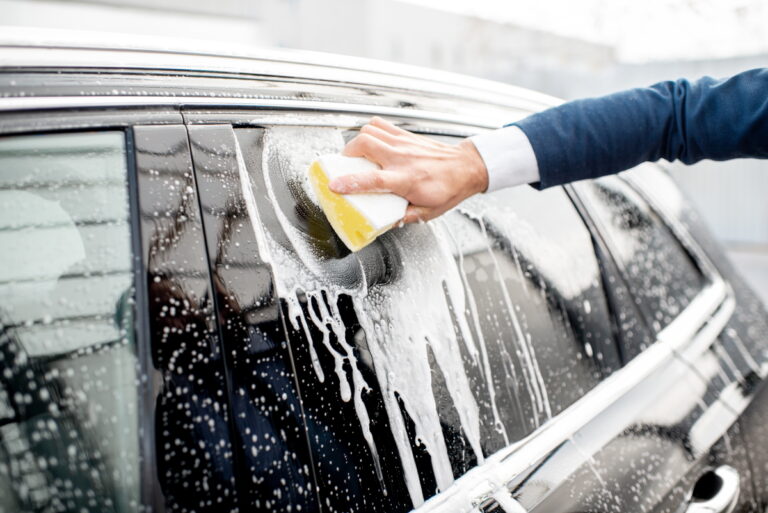
Image Source: qualityautoglasstint.com
The Crucial Waiting Period for Your Tinted Windows
After investing in professional window tinting for your vehicle, the first question on many minds is, “When can I finally give my car a proper wash?” It’s a valid concern, as you want to keep your newly tinted windows looking pristine. The simple answer is that you need to exercise a degree of patience. Most professional tint installers recommend waiting at least 24 to 72 hours before exposing your car to water. However, this is a general guideline, and several factors can influence this timeframe, making it essential to grasp the nuances of tint curing time.
Deciphering Tint Curing Time: More Than Just Drying
The waiting period isn’t just about the tint appearing dry to the touch. Window tint film adheres to your glass using a special adhesive that relies on moisture to bond securely. This process is called curing. During curing, any trapped moisture between the film and the glass evaporates, creating a strong, permanent bond. If you wash your car too early, especially if water gets into the edges of the tint, it can disrupt this crucial bonding process. This can lead to:
- Bubbling: Small pockets of air or water trapped under the film.
- Peeling: The edges of the tint lifting away from the glass.
- Discoloration: Uneven curing can sometimes affect the tint’s appearance.
- Reduced Adhesion: The tint might not stick as well in the long run, leading to premature failure.
The tint curing time is a complex chemical and physical process that can be influenced by several environmental factors. While 24-72 hours is a common recommendation, some installers might suggest a longer period, especially in cooler or more humid conditions.
Factors Affecting How Long to Wait to Wash Car After Tinting
Several elements can impact how long you should wait before your first car wash after tinting:
- Temperature: Warmer temperatures generally accelerate the curing process. If you’re in a very hot climate, the tint might cure slightly faster. Conversely, cooler temperatures can slow down moisture evaporation.
- Humidity: High humidity levels can prolong the curing time because the surrounding air is already saturated with moisture, making it harder for the trapped moisture to evaporate.
- Tint Film Type: Different types of window tint films have varying adhesive properties and curing times. High-performance films might have slightly different requirements than standard films.
- Installation Quality: A skilled installer will meticulously clean the glass and apply the tint with minimal trapped moisture. A less experienced installer might leave more water, requiring a longer curing period.
- Environmental Conditions During Installation: If the car was tinted in very cold or humid conditions, the curing process might naturally take longer.
What the Professionals Advise: The Installer’s Recommendation is Key
The most important advice you can receive regarding washing your car after tinting is to listen to your installer. Your tint professional will provide specific instructions based on the products they used and the conditions under which they installed the tint. They have the most direct knowledge of your vehicle’s specific tint job.
Always ask:
- “How long should I wait before washing my car?”
- “Are there any specific cleaning instructions I should follow?”
- “What should I absolutely avoid when cleaning my car after tinting?”
Following their guidance is the best way to ensure the longevity and appearance of your new window tint.
Navigating Post-Tint Cleaning: Safe Practices for Your Car
Once the initial waiting period has passed, you can start thinking about post-tint cleaning. However, this doesn’t mean you can immediately subject your car to a high-pressure wash. The tint is still “settling” and gaining its full strength. Therefore, a gentle approach is always best for washing tinted windows.
The First Few Weeks: Extra Care for Freshly Tinted Windows
The initial days and weeks after tinting are critical. Even after the recommended waiting period, the tint’s adhesive is still gaining its maximum strength. Think of it as a delicate layer that needs to be treated with respect.
Gentle Washing Techniques for Tinted Windows
When you’re ready for your first car wash after tinting, opt for the gentlest methods possible.
- Hand Washing is Preferred: This allows you to control the amount of water and pressure.
- Use Mild Soap: A pH-neutral car wash soap is ideal. Avoid harsh detergents or abrasive cleaners.
- Soft Microfiber Mitts: These are crucial for preventing scratches on the tint.
- Plenty of Water: Rinse the car thoroughly before washing to remove loose dirt and grit that could scratch the tint.
- Two-Bucket Method: This is a good practice for any car wash, but especially important for new tint. One bucket for soapy water, the other for rinsing your wash mitt. This minimizes the risk of transferring dirt and debris back onto the paint or glass.
- Gentle Wiping: When drying, use a clean, soft microfiber towel. Avoid rubbing aggressively. Blotting or patting the windows dry is a safer approach.
What to Absolutely Avoid When Washing Tinted Cars
To protect your investment, steer clear of certain cleaning methods and products during the initial months after tinting.
Things to Avoid:
- High-Pressure Washers: The intense spray can force water under the edges of the tint or even lift it.
- Automatic Car Washes with Brushes: The stiff brushes can scratch and damage the tint film, especially on the edges. Many automatic car washes also use harsh chemicals that can degrade the adhesive.
- Scrapers or Razor Blades: Never use these on the inside of your tinted windows. They will undoubtedly scratch or tear the film.
- Ammonia-Based Cleaners: Products like Windex, which contain ammonia, can break down the adhesive and damage the tint film over time, causing it to peel or bubble.
- Abrasive Sponges or Pads: These will scratch the tint.
- Excessive Scrubbing: Gentle is the operative word.
- Leaving Water Spots: While not directly damaging to the tint, letting water spots dry on freshly tinted windows can be unsightly. Ensure you dry the windows thoroughly.
Cleaning the Inside of Your Tinted Windows
The interior of your windows requires the same level of care. When cleaning windows after tint application, always use a cleaner specifically designed for tinted windows or a mixture of mild dish soap and water.
Safe Interior Cleaning Tips:
- Use a pH-Neutral Cleaner: Look for products labeled “ammonia-free” or “tint-safe.”
- Soft, Lint-Free Cloths: Microfiber cloths are your best friend here.
- Avoid Paper Towels: They can leave lint and sometimes even scratch the film.
- Spray the Cleaner onto the Cloth, Not the Window: This prevents excess liquid from seeping into the edges of the tint.
- Gentle Wiping Motion: Clean in a consistent direction, either horizontally or vertically, to avoid streaks.
- Never Use a Vacuum Cleaner’s Brush Attachment: The bristles can scratch the tint.
Longevity and Maintenance: Caring for Your Tinted Windows
Proper tint care after installation is key to ensuring your window tint looks great and performs well for years to come. By adhering to a few simple rules, you can maximize the lifespan of your tint.
The First 30 Days: The Critical Curing Phase Continues
While you can wash your car gently after the initial 24-72 hour period, the tint continues to cure for up to 30 days, sometimes even longer depending on the film and conditions. During this entire period, it’s best to continue with the gentlest cleaning methods. Avoid any harsh chemicals or abrasive actions.
Long-Term Tint Maintenance
Once your tint has fully cured (typically after 30 days), you can be a bit less cautious, but still mindful.
Ongoing Tint Care:
- Regular Gentle Washes: Continue to hand wash your car and use mild soap and microfiber cloths for the windows.
- Ammonia-Free Cleaners: Stick to ammonia-free glass cleaners for routine cleaning of the interior and exterior of the tinted windows.
- Inspect Edges Periodically: Keep an eye on the edges of the tint for any signs of lifting or bubbling. If you notice anything, contact your installer immediately.
- Avoid Steaming: While rare, avoid using high-temperature steam cleaners directly on the tint, as this can potentially damage the adhesive.
When to Seek Professional Re-Tinting
Even with the best care, tint film can degrade over many years due to UV exposure and general wear and tear. Signs that your tint may need replacing include:
- Significant Bubbling or Peeling: Especially if it’s widespread.
- Purpling or Discoloration: Many older dye-based tints can turn purple over time.
- Fading: The tint appears less dark than it used to be.
- Chipping or Cracking: Physical damage to the film.
If you notice any of these issues, it’s time to consider professional re-tinting.
FAQ: Your Questions About Washing After Tinting Answered
Here are answers to some of the most common questions regarding washing your car after window tinting.
Q1: How soon can I wash my car after window tinting?
A: Generally, you should wait 24 to 72 hours after window tinting before washing your car. However, always consult your installer for their specific recommendation.
Q2: Can I use an automatic car wash after tinting?
A: It’s highly recommended to avoid automatic car washes with brushes for at least the first few weeks, and ideally longer. The brushes can scratch or damage the new tint. If you must use an automatic wash, opt for touchless washes.
Q3: What is the best way to clean tinted windows?
A: The safest way to clean tinted windows is with a mild, ammonia-free cleaner and a soft, lint-free microfiber cloth. Spray the cleaner onto the cloth, not directly onto the window, and wipe gently.
Q4: Is it okay to use Windex on tinted windows?
A: No, you should never use Windex or any other cleaner containing ammonia on tinted windows. Ammonia can break down the adhesive and damage the tint film.
Q5: What if I see small water bubbles after tinting?
A: Small, hard-to-see dots or very minor haziness are often normal and are part of the curing process. They should disappear on their own within a few days or weeks. However, larger bubbles or bubbles at the edges usually indicate an installation issue and you should contact your installer.
Q6: How long does window tint take to fully cure?
A: While the tint is usually safe to touch and handle after 24-72 hours, the tint curing time can extend up to 30 days, or even longer in cooler or more humid climates. During this period, avoid aggressive cleaning.
Q7: Can I use a power washer on my newly tinted car?
A: It’s best to avoid power washers on your car for at least a few weeks after tinting, and when you do use one, keep the spray at a safe distance and avoid direct, high-pressure spray on the edges of the tint.
Q8: My installer said to wait 48 hours. Can I wash it after 24 hours?
A: It’s always best to adhere to the specific timeframe given by your installer. Waiting the full recommended period ensures the best possible bond and prevents potential damage.
Q9: What’s the best way to dry tinted windows after washing?
A: Use a clean, soft microfiber towel and gently pat or blot the windows dry. Avoid rubbing vigorously.
Q10: My tint looks a bit hazy after installation. Is this normal?
A: Yes, a slight haze or small water droplets trapped under the film are often normal during the initial tint curing time. These usually disappear as the moisture evaporates. If the haze persists or the bubbles are large, contact your installer.
By respecting the waiting periods and following proper cleaning procedures, you can ensure your window tint maintains its clarity, color, and adhesion for years to come, enhancing the look and comfort of your vehicle.