
Yes, a car accident can absolutely cause herniated discs. The forceful impact and sudden movements during a collision can put immense stress on your spine, leading to damage to the intervertebral discs. This damage can manifest as a herniated disc, a condition that often results in significant pain and discomfort.
Image Source: images.squarespace-cdn.com
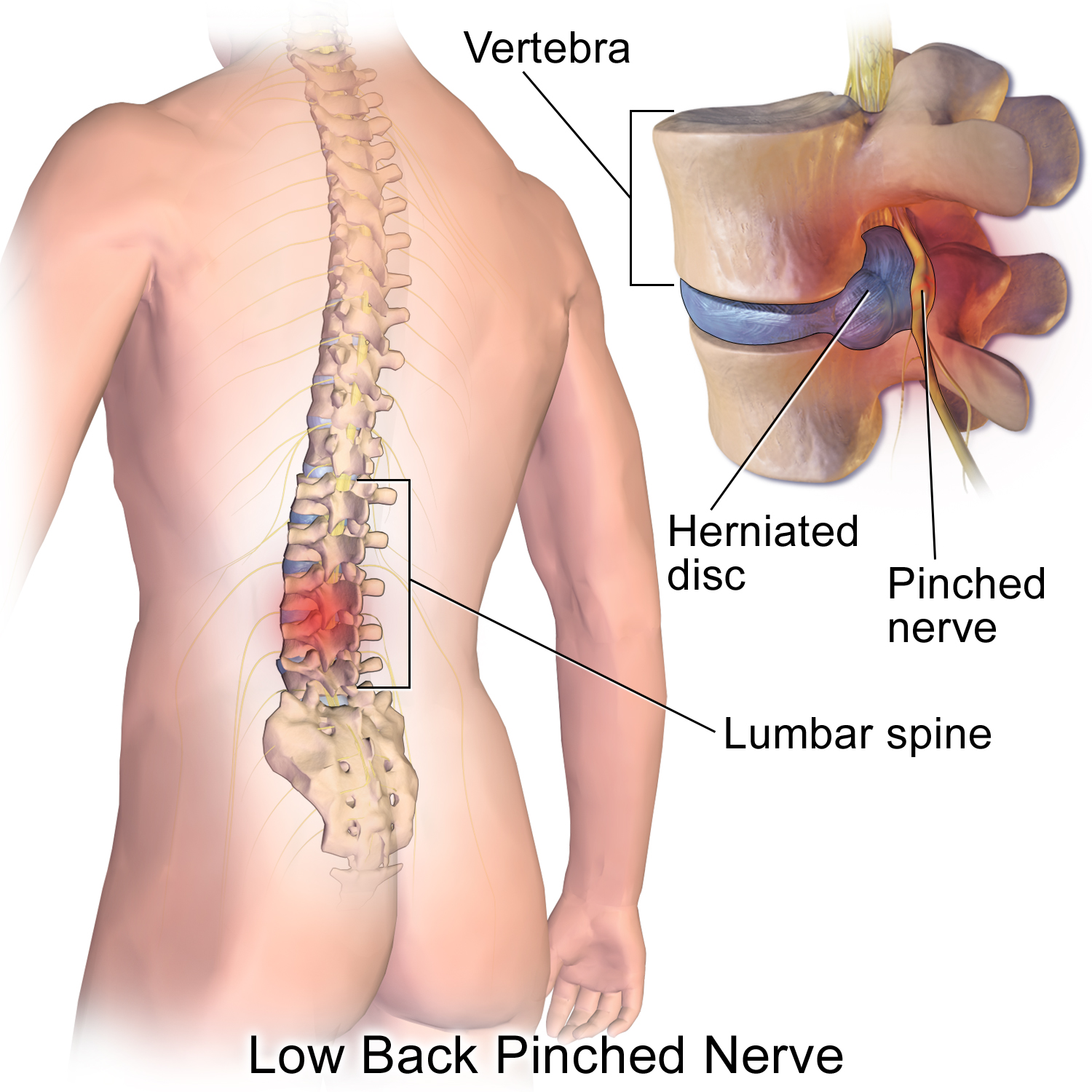
The Mechanics of Spinal Trauma in Auto Accidents
Car crashes are violent events. The rapid deceleration and sudden changes in direction experienced by occupants can subject the spine to extreme forces. Think of your spine as a stack of small bones (vertebrae) separated by cushions called intervertebral discs. These discs have a tough outer layer and a soft, jelly-like center.
When a car accident occurs, several forces can act upon the spine:
- Sudden Deceleration: Imagine hitting a wall at high speed. Your body continues to move forward while the car stops abruptly. This inertia can cause your spine to flex or extend beyond its normal range of motion.
- Rotational Forces: If your car is hit from the side or spins out, your spine can twist. These torsional forces can shear the discs.
- Direct Impact: While less common for disc herniation, a direct impact to the back in certain crash scenarios could contribute to disc damage.
These forces can tear or rupture the outer layer of an intervertebral disc, allowing the soft inner material to bulge or push out. This is what we call a herniated disc, and it can press on nearby nerves, causing pain, numbness, or weakness.
Whiplash Injuries and Their Link to Disc Problems
Whiplash injuries are a common consequence of car accidents, particularly rear-end collisions. This type of injury occurs when the head is suddenly and forcefully thrown backward and then forward, or vice versa. This rapid motion strains the muscles, ligaments, and soft tissues of the neck.
While whiplash is often associated with soft tissue damage, it can also play a significant role in disc herniation in the cervical spine (neck). The extreme extension and flexion of the neck during whiplash can place immense pressure on the cervical discs. This pressure can cause a cervical disc herniation accident, where the disc material protrudes and may irritate or compress the spinal cord or nerve roots exiting the spine. A neck injury car accident can therefore directly lead to or exacerbate existing disc conditions.
Types of Disc Herniation After Collisions
Disc herniations can occur in different parts of the spine. The two most common areas affected by car accidents are the cervical and lumbar regions.
- Cervical Disc Herniation Accident: This involves a herniated disc in the neck. Symptoms often include pain radiating down the arm, numbness, tingling, and weakness in the hand and fingers. Headaches and neck stiffness are also common.
- Lumbar Disc Herniation Car Crash: This occurs in the lower back. It’s a frequent cause of lower back pain after car crash. Symptoms can include pain that shoots down the leg (sciatica), numbness or tingling in the leg or foot, and weakness in the leg muscles.
The Role of Pre-existing Conditions
It’s important to note that individuals with pre-existing degenerative disc disease might be more susceptible to experiencing a herniated disc after a car accident. Even a moderate force could cause a disc that is already weakened to herniate. However, a significant impact can cause a ruptured disc car accident even in a healthy spine.
Recognizing the Signs of a Herniated Disc After a Crash
The symptoms of a herniated disc can vary depending on the location of the herniation and whether it’s pressing on a nerve. Some people may experience immediate pain, while for others, symptoms might develop days or weeks after the accident. This delayed onset can sometimes make it difficult to connect the pain directly to the collision.
Common Symptoms to Watch For
If you’ve been in a car accident, pay close attention to any new or worsening pain or discomfort.
Cervical Disc Herniation Symptoms:
- Neck pain that may radiate to the shoulder, arm, or hand.
- Numbness or tingling in the arm or fingers.
- Weakness in the arm or hand.
- Headaches.
- Stiffness in the neck.
Lumbar Disc Herniation Symptoms:
- Lower back pain that may radiate down the buttock and into the leg (sciatica).
- Numbness or tingling in the leg or foot.
- Weakness in the leg muscles, potentially causing difficulty walking or standing on toes.
- Loss of bladder or bowel control (this is a medical emergency and requires immediate attention).
What to Do If You Suspect a Herniated Disc
If you experience any of these symptoms after a car accident, it is crucial to seek medical attention promptly.
- Consult a Doctor: A thorough medical examination is the first step. Your doctor will ask about your accident, your symptoms, and perform a physical exam to assess your range of motion, reflexes, and muscle strength.
- Diagnostic Imaging: To confirm a herniation, your doctor may order imaging tests such as:
- MRI (Magnetic Resonance Imaging): This is the most common and effective tool for diagnosing herniated discs. It provides detailed images of soft tissues, including discs and nerves.
- CT Scan (Computed Tomography): While less detailed for soft tissues than MRI, a CT scan can also help visualize disc problems and bone structures.
- X-rays: X-rays are primarily used to examine bones and can help rule out other spinal issues like fractures. They don’t directly show discs but can indicate changes in alignment or disc space narrowing.
The Impact of Auto Accident Spinal Damage
The term auto accident spinal damage is broad, encompassing various injuries. A herniated disc is a significant form of this damage. Beyond the immediate pain, a herniated disc can lead to chronic pain, reduced mobility, and a decreased quality of life if not properly managed. The nerve compression can also lead to long-term neurological deficits if left untreated.
When to Seek Legal Counsel After a Herniated Disc Diagnosis
If you’ve suffered a herniated disc due to a car accident, especially if it wasn’t your fault, understanding your legal rights is important. A back injury after auto accident that results in a herniated disc can have significant financial and personal consequences.
Understanding Your Rights After a Collision
- Medical Expenses: You are likely entitled to compensation for all medical bills, including doctor visits, diagnostic tests, surgery, physical therapy, and medication.
- Lost Wages: If your injury prevents you from working, you can seek compensation for lost income and future earning capacity.
- Pain and Suffering: This category compensates for the physical pain, emotional distress, and loss of enjoyment of life caused by the injury.
- Rehabilitation Costs: The cost of long-term rehabilitation and therapy needed to recover can also be claimed.
Working with a Personal Injury Attorney
Navigating the legal and insurance aspects of a car accident claim can be complex. A personal injury attorney experienced in handling spinal trauma from car crashes can:
- Investigate the accident thoroughly.
- Gather all necessary medical documentation and evidence.
- Negotiate with insurance companies on your behalf.
- Represent you in court if a settlement cannot be reached.
They can help ensure you receive fair compensation for all your damages, allowing you to focus on your recovery.
Treatment Options for Herniated Discs Caused by Accidents
The treatment plan for a herniated disc resulting from a car accident will depend on the severity of the herniation, the location, and the specific symptoms experienced. The goal is to reduce pain, improve function, and prevent further damage.
Non-Surgical Treatments
Many herniated discs can be effectively managed without surgery.
- Rest and Activity Modification: Avoiding activities that aggravate the pain is crucial. However, prolonged bed rest is generally not recommended, as gentle movement is beneficial for healing.
- Medications:
- Over-the-counter pain relievers: Nonsteroidal anti-inflammatory drugs (NSAIDs) like ibuprofen can help reduce pain and inflammation.
- Muscle relaxants: These can help alleviate muscle spasms associated with the injury.
- Nerve pain medications: Drugs like gabapentin or pregabalin may be prescribed if nerve pain is a significant component.
- Physical Therapy: This is a cornerstone of treatment. A physical therapist will design a personalized program including:
- Stretching exercises: To improve flexibility and relieve pressure on nerves.
- Strengthening exercises: To support the spine and improve posture.
- Manual therapy: Techniques like massage and mobilization can help reduce muscle tension and improve joint function.
- Modalities: Heat, ice, ultrasound, and electrical stimulation may be used to manage pain and inflammation.
- Epidural Steroid Injections: These injections deliver anti-inflammatory medication directly to the area around the inflamed nerves. They can provide significant pain relief for a period, allowing patients to participate more effectively in physical therapy.
Surgical Interventions
Surgery is typically considered when conservative treatments fail to provide adequate relief, or if there are signs of severe nerve compression, such as significant weakness or loss of bowel/bladder control.
- Microdiscectomy: This is the most common surgical procedure for a herniated disc. A surgeon removes the portion of the disc that is pressing on the nerve root. This is usually done with minimally invasive techniques.
- Laminectomy/Laminotomy: In some cases, a small portion of the bone (lamina) that covers the spinal canal may be removed to create more space for the nerves.
- Spinal Fusion: In more severe cases, or if there is instability in the spine, a fusion procedure may be necessary. This involves joining two or more vertebrae together to restrict movement and provide stability.
Recovery and Rehabilitation
Recovery from a herniated disc, whether treated surgically or non-surgically, is a process. It often involves a phased approach to gradually increase activity levels and rebuild strength.
Table 1: Recovery Timeline (General)
| Treatment Phase | Focus | Typical Duration |
|---|---|---|
| Acute Pain Management | Reducing inflammation and pain | 1-4 weeks |
| Physical Therapy | Restoring flexibility, strength, and function | 4-12 weeks |
| Gradual Return to Activity | Safely resuming daily tasks and work | Ongoing |
| Full Recovery | Return to pre-injury activity levels | 3-12 months+ |
Note: This is a general timeline and can vary significantly based on individual factors.
Long-Term Outlook
With proper treatment and rehabilitation, many people who experience a herniated disc after a car accident can achieve significant recovery and return to their normal activities. However, some may experience persistent pain or a higher risk of recurrence, especially if they return to strenuous activities too soon or do not maintain a consistent exercise regimen.
The Crucial Link: Disc Herniation Car Accident
It’s vital to connect the dots between a car accident and a herniated disc. The disc herniation car accident link is well-established in medical and legal fields. The sudden, jarring forces experienced during a collision are precisely the type of trauma that can compromise the integrity of spinal discs.
Factors Influencing Injury Severity
Several factors can influence the likelihood and severity of a herniated disc after an accident:
- Speed of the Vehicles: Higher speeds generate greater forces.
- Type of Collision: Head-on, rear-end, and side-impact collisions all place different stresses on the spine.
- Seatbelt Usage and Airbag Deployment: These safety features can mitigate some of the forces, but they don’t eliminate the risk of spinal injury.
- Vehicle Safety Features: Modern vehicles often have advanced safety systems that can absorb impact energy.
- Patient’s Anatomy: Age, overall health, and any pre-existing spinal conditions play a role.
Can an Accident Cause a Ruptured Disc?
Yes, as mentioned, a ruptured disc car accident is a direct consequence of the forces involved. The term “ruptured disc” is often used interchangeably with “herniated disc,” both describing the outward bulging or extrusion of disc material. The trauma from a crash can cause the annulus fibrosus (outer layer) to tear, leading to the rupture.
Importance of Prompt Medical Evaluation
Even if you feel fine immediately after a car accident, it is crucial to get checked out by a medical professional. Soft tissue injuries and disc problems can sometimes take time to manifest symptoms. Delaying medical evaluation can complicate your claim and hinder your recovery.
Frequently Asked Questions (FAQ)
Q1: How soon after a car accident can a herniated disc develop symptoms?
Symptoms can appear immediately after the accident, within a few days, or even weeks later. This delay is common for soft tissue and disc injuries.
Q2: Can a minor car accident cause a herniated disc?
While severe accidents pose a higher risk, even a low-speed collision can cause a herniated disc, especially if the impact is at an awkward angle or if there are pre-existing weaknesses in the spine.
Q3: If I have a herniated disc after an accident, will I need surgery?
Not necessarily. Most herniated discs are treated successfully with conservative measures like physical therapy, medication, and lifestyle modifications. Surgery is usually a last resort.
Q4: How long does recovery take for a herniated disc from a car accident?
Recovery times vary widely, but it can range from a few weeks for mild cases to several months or even longer for severe injuries requiring surgery. Consistent adherence to a treatment plan is key.
Q5: What should I do if I think my herniated disc was caused by a car accident?
Seek immediate medical attention. Document all your symptoms and medical visits. If you believe the accident was not your fault, consult with a personal injury attorney specializing in car accidents and spinal injuries.
Conclusion
The link between car accidents and herniated discs is undeniable. The immense forces generated in a collision can easily lead to this painful and debilitating spinal condition. Recognizing the symptoms, seeking prompt medical evaluation, and understanding your rights are crucial steps in managing the aftermath of such an injury. Whether it’s whiplash injuries, spinal trauma from car crashes, or specific conditions like cervical disc herniation accident or lumbar disc herniation car crash, addressing these issues effectively can make a significant difference in recovery and long-term well-being. Don’t underestimate the impact of an accident on your spine; prioritize your health and seek the appropriate care and legal counsel if needed.