
Yes, you can get a car wash after tinting your windows, but there’s a crucial waiting period and specific guidelines to follow to ensure your new tint lasts. This guide will help you navigate the ins and outs of car wash after window tint and washing car with tinted windows.
Tinting your car’s windows can dramatically improve its look and comfort. It blocks UV rays, reduces heat, and adds a sleek, custom appearance. However, after this investment, many car owners wonder about the best way to keep their vehicle clean without damaging the newly applied tint. Specifically, the question of can I get a car wash after tinting windows is common, and the answer involves a bit more than a simple yes or no.
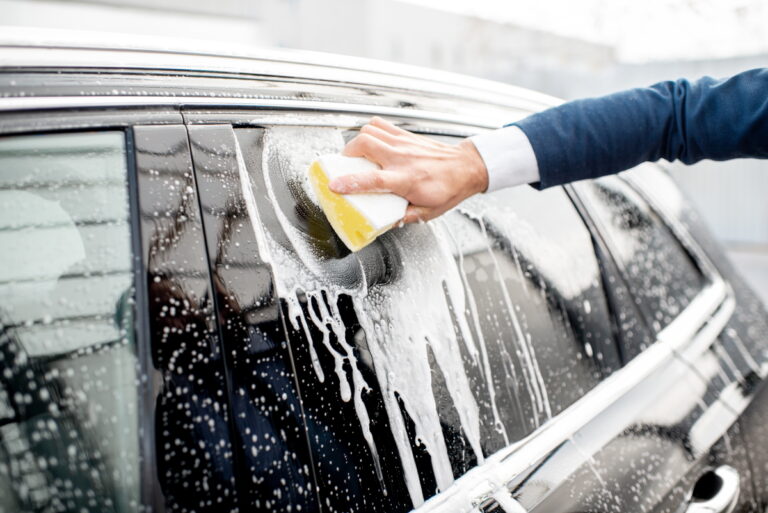
Image Source: qualityautoglasstint.com
The Waiting Game: When Can I Wash Tinted Windows?
The most critical piece of advice from any reputable tint shop car wash advice is to wait. The adhesive used to bond the window film to your glass needs time to cure fully. This process isn’t instantaneous; it involves the moisture within the adhesive evaporating, creating a strong, permanent bond.
How Long Should You Wait?
Most professional tint shops recommend waiting at least 24 to 72 hours before exposing your newly tinted windows to any moisture. However, this is a general guideline. Some manufacturers and tint installers might suggest a longer period, such as up to a week or even two weeks, especially in cooler or more humid conditions where the curing process might be slower.
Always adhere to the specific instructions provided by your tint installer. They know the products they used and the conditions in your area. If you’re unsure, contact the tint shop directly. Asking when can I wash tinted windows directly from the source is always best.
Protecting Your Investment: Safe Car Wash Tinted Windows Practices
Once the waiting period is over, you can safely wash your car. However, not all car washes are created equal when it comes to tint protection car wash. Certain methods and products can prematurely damage or peel your window tint.
Understanding the Curing Process
Before we delve into washing, it’s helpful to grasp the after window tinting care. Window tint film is applied as a wet installation. This means water and a mild soap solution are used to position the film and allow it to adhere smoothly. The moisture trapped between the film and the glass must evaporate completely. During this time, the tint is still delicate. Any forceful rubbing, pressure washing too close, or harsh chemicals can dislodge the film or create bubbles.
Approved Washing Methods for Tinted Windows
When it comes to safe car wash tinted windows, the key is gentle treatment.
Hand Washing: The Preferred Method
The safest way to wash a car with tinted windows is by hand. This allows you to control the pressure and the products you use.
- Gentle Soap: Use a pH-neutral car wash soap specifically designed for automotive use. Avoid abrasive cleaners, ammonia-based products (like many glass cleaners), or anything with harsh solvents.
- Soft Mitts and Cloths: Opt for soft microfiber wash mitts and drying towels. These are less likely to scratch the tint or cause it to peel. Avoid coarse sponges or rough brushes.
- Water Source: A hose with a gentle spray is ideal. Do not use a high-pressure washer directed at the edges of the tinted windows.
- Cleaning the Inside: When cleaning the interior of the windows, use a dedicated automotive glass cleaner that is ammonia-free. Spray the cleaner onto the cloth, not directly onto the window, and wipe gently.
Automatic Car Washes: Proceed with Caution
Many car owners ask, “Can I get a car wash after tint install?” For automatic car washes, the answer is often a qualified “no,” especially in the initial weeks.
- Brush Washes: Avoid automatic car washes that use spinning brushes. These brushes can be abrasive and may scratch the tint or, worse, catch on the edges and lift the film.
- Touchless Car Washes: Touchless car washes are generally safer as they rely on high-pressure water and chemicals. However, even these can pose a risk if the pressure is excessively high or if the chemicals used are too strong for the tint’s adhesive. It’s best to confirm with your tint installer if touchless washes are acceptable and after how long.
What to Avoid When Washing Tinted Windows
To ensure the longevity of your window tint, steer clear of these practices:
- Scrubbing the Tint: Never scrub or scrub aggressively at the tinted film.
- Ammonia-Based Cleaners: Ammonia can break down the adhesive and potentially damage the tint.
- Abrasive Materials: Steel wool, scouring pads, or stiff brushes will scratch and ruin the tint.
- Excessive Pressure: High-pressure washers aimed directly at the tint edges can cause peeling.
- Leaving the Windows Wet: After washing, dry the windows thoroughly with a soft microfiber cloth to prevent water spots, which can be difficult to remove from tint.
How to Wash Tinted Car Windows: A Step-by-Step Guide
For those who want to know how to wash tinted car windows properly, here’s a breakdown of the safe and effective process.
Step 1: Gather Your Supplies
Before you start, ensure you have the right tools:
- Two buckets (one for soapy water, one for rinsing the mitt/cloth)
- pH-neutral car wash soap
- Soft microfiber wash mitts
- Soft microfiber drying towels
- Ammonia-free automotive glass cleaner
- Clean microfiber cloths for interior glass cleaning
Step 2: Pre-Rinse the Vehicle
Use a hose with a gentle spray to rinse off loose dirt and debris from all windows. This prevents grit from scratching the tint during the washing process.
Step 3: Wash the Windows (Exterior)
- Fill one bucket with car wash soap and water, and the other with clean water for rinsing your mitt.
- Dip your wash mitt into the soapy water.
- Gently wash the windows, working from top to bottom.
- Rinse your wash mitt in the clean water bucket before dipping it back into the soap bucket. This prevents transferring dirt back onto the windows.
- Avoid scrubbing motions. Let the soap and mitt do the work.
Step 4: Rinse the Windows
Thoroughly rinse the windows with the hose, ensuring all soap residue is removed.
Step 5: Dry the Windows (Exterior)
- Use a clean, dry microfiber drying towel.
- Gently pat or wipe the windows dry. Avoid pressing hard.
- For stubborn water droplets, you can use a squeegee, but ensure the blade is clean and soft, and use it with light pressure, moving in one direction. Always wipe the squeegee blade dry between passes.
Step 6: Clean the Interior Windows
- Spray a small amount of ammonia-free glass cleaner onto a clean microfiber cloth. Never spray directly onto the window, as overspray can get into sensitive electronics or other interior components.
- Wipe the interior of the window gently in a consistent direction (e.g., horizontal or vertical).
- Use a second dry microfiber cloth to buff the glass to a streak-free shine.
Tint Shop Car Wash Advice: Key Takeaways
When you visit a tint shop car wash advice is typically centered on patience and gentle care. Here are the main points to remember:
- Patience is Key: Adhere strictly to the recommended waiting period before the first wash.
- Gentle is Golden: Always opt for gentle cleaning methods and products.
- Know Your Cleaners: Avoid anything with ammonia or harsh chemicals.
- Microfiber is Your Friend: Use soft microfiber materials for washing and drying.
- Hands-On is Best: Hand washing is the safest method.
- Be Wary of Automatic Washes: Especially those with brushes, and even touchless washes should be approached with caution initially.
Common Issues and Their Solutions
Even with the best intentions, you might encounter issues with your window tint.
Bubbles or Peeling
If you notice small bubbles after the initial drying period, they might be condensation trapped under the film. These often disappear as the film fully cures. However, if the bubbles persist or grow, or if you see edges peeling, it indicates a problem with the installation or the curing process. Contact your tint shop immediately.
Hazy Appearance
A hazy look can sometimes be due to residue from installation or improper cleaning. Ensure you are using the right cleaners. If the haze is persistent, it might be a defect in the film or installation, and you should consult your tint provider.
Scratches
Scratches on tint are often caused by abrasive cleaning materials or debris. Once scratched, the tint may need to be replaced, as scratches are usually permanent. This reinforces the importance of safe car wash tinted windows.
Table: Dos and Don’ts for Washing Tinted Windows
| Do | Don’t |
|---|---|
| Wait 24-72 hours (or as advised) | Wash immediately after tint installation |
| Use pH-neutral car wash soap | Use ammonia-based cleaners |
| Use soft microfiber wash mitts | Use abrasive sponges or brushes |
| Use soft microfiber drying towels | Use paper towels or old rags |
| Hand wash with gentle pressure | Use high-pressure washers on tint edges |
| Clean interior windows with ammonia-free cleaner | Spray cleaner directly onto windows |
| Rinse windows thoroughly | Let soap dry on the windows |
| Dry windows gently | Scrub or rub aggressively |
| Contact tint shop for specific advice | Assume all car washes are safe |
Frequently Asked Questions (FAQ)
Q1: Can I use Windex on my tinted windows?
A1: No, Windex typically contains ammonia, which can damage window tint film and its adhesive. Always use an ammonia-free glass cleaner specifically designed for automotive tint.
Q2: My tint has tiny dots along the edge. Is this normal?
A2: Yes, many vehicles have a dotted or ceramic frit band along the very edge of the windows. It is normal for tint film to adhere slightly differently to this textured area, sometimes resulting in a faint dotted line or a slight difference in appearance. This is a common characteristic of tinting car windows wash and not a defect.
Q3: I accidentally used the wrong cleaner. What should I do?
A3: If you’ve used an ammonia-based cleaner on your tinted windows, gently wipe them with a damp microfiber cloth (using only water) to remove any residue. Then, dry thoroughly. If you notice any signs of damage, such as cloudiness or peeling, contact your tint installer.
Q4: Can I use a car wash subscription that uses brushes?
A4: It’s highly advisable to avoid car washes with brushes for at least several weeks, and even then, it’s risky. The brushes can cause micro-scratches and potentially lift the edges of the tint film. A touchless car wash might be an alternative, but confirm with your installer first.
Q5: My tint looks a little cloudy. Is this permanent?
A5: A temporary cloudiness can sometimes occur due to moisture trapped under the film. This usually dissipates as the tint fully cures. However, if the cloudiness persists after the recommended curing time, it could be an issue with the installation or the film itself. Reach out to your tint shop for evaluation.
Q6: How often should I wash my car after tinting?
A6: There’s no specific restriction on how often you wash your car after the initial curing period. You can wash it as needed, provided you follow the gentle washing guidelines for washing car with tinted windows. Regular, gentle cleaning will help maintain the appearance and integrity of your tint.
Q7: What is the best way to clean the inside of my windshield after tinting?
A7: For the interior of your windshield, use an ammonia-free glass cleaner sprayed onto a microfiber cloth. Gently wipe the glass in a consistent pattern. A clean microfiber cloth can then be used to buff away any streaks.
By following these guidelines, you can ensure your car’s window tint remains in excellent condition, providing you with its benefits for years to come. Remember, proper after window tinting care is crucial for long-term satisfaction.