
Yes, you can wash your car after tinting your windows, but there’s a specific timeline and method you need to follow to ensure the tint adheres properly and lasts. It’s a common question, and the short answer is yes, but the “how” and “when” are crucial for maintaining the quality of your new window tint.
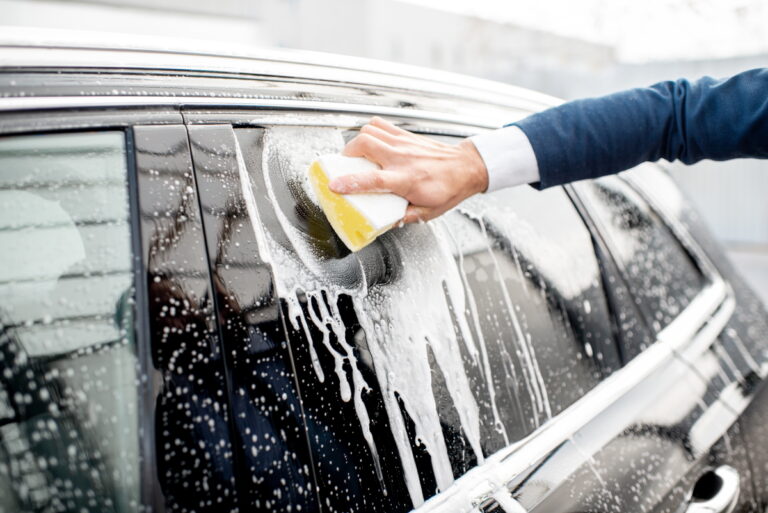
Image Source: qualityautoglasstint.com
The Waiting Game: Tint Curing Time
The most critical factor when it comes to washing your car after tinting is understanding tint curing time. This isn’t just about the tint feeling dry to the touch; it’s about the adhesive fully bonding with the glass and the moisture evaporating from between the tint and the glass. This process is vital for the tint’s longevity and clarity.
Why is Curing Time Important?
When tint is applied, a specialized adhesive is used. This adhesive contains moisture that needs to evaporate completely to create a strong, permanent bond. If you wash your car too soon, especially with high pressure or harsh chemicals, you risk:
- Peeling: The water pressure can get under the edges of the tint before it’s fully bonded, causing it to lift or peel.
- Bubbles or Delamination: Disturbing the moisture before it can fully dissipate can lead to trapped air bubbles or the tint separating from the glass.
- Scratches: Newly applied tint can be more susceptible to scratches, and improper washing can easily damage the surface.
How Long is the Tint Curing Time?
The tint curing time can vary depending on several factors:
- Type of Tint: Different films (e.g., dyed, metalized, ceramic) can have slightly different curing periods.
- Environmental Conditions: Temperature, humidity, and sunlight all play a role. Warmer, drier, and sunnier conditions generally speed up the curing process.
- Professional vs. DIY Installation: Professional installers often have specialized tools and techniques that can influence curing.
Generally, most reputable tint shops will advise a waiting period of 24 to 72 hours before any direct contact with the windows, such as rolling them down. However, the full curing process, where the tint is completely set and moisture is gone, can take anywhere from 30 days to 90 days, depending on the factors mentioned above. During this extended period, it’s essential to be gentle with your windows.
Washing Your Car After Tinting: A Step-by-Step Guide
Knowing when to wash is only half the battle. How you wash your car after tinting is equally important. The goal is to clean your vehicle without compromising the newly applied tint.
The First Wash: When Can I Go Through a Car Wash After Tinting?
The absolute safest bet is to avoid washing tinted windows for at least the first 30 days. This allows ample time for the tint to cure properly. If you absolutely must wash your car before the full curing period, it’s best to do it yourself by hand.
High-pressure car washes are a definite no-go during the initial curing period and should be approached with caution even after. The high-pressure jets can force water under the tint edges and cause damage.
Proper Car Washing After Tinting
When the time is right (after the initial 24-72 hour period and ideally after the 30-day mark for a thorough wash), follow these guidelines for proper car washing after tinting:
H4: The Gentle Approach to Washing Tinted Windows
The key is to be gentle. Think of it as a delicate operation.
H5: Exterior Washing Tips
- Pre-Rinse: Start by thoroughly rinsing the entire car with a hose to remove loose dirt and debris. This prevents scratching when you start the actual washing process.
- Use a pH-Neutral Car Soap: Always opt for a soap and water for tinted windows that is specifically designed for car washing and is pH-neutral. Avoid harsh detergents, ammonia-based cleaners, or abrasive soaps, as these can damage the tint film and its adhesive.
- Two-Bucket Method: This is highly recommended to prevent transferring dirt back onto the car, which can cause scratches.
- Bucket 1: Filled with soapy water.
- Bucket 2: Filled with clean rinse water.
Dip your wash mitt into the soapy water, wash a section of the car, then rinse the mitt thoroughly in the clean water bucket before dipping it back into the soapy water.
- Soft Wash Mitt: Use a high-quality microfiber wash mitt or a soft sheepskin mitt. Avoid coarse sponges or brushes that can scratch the tint.
- Wash from Top to Bottom: Start washing from the roof and work your way down the sides and towards the bottom of the car. This ensures that dirtier water doesn’t run over already cleaned sections.
- Gentle Pressure: Apply minimal pressure when washing the tinted windows themselves. Let the soap and water do the work.
- Rinse Thoroughly: Rinse the car immediately after washing each section to prevent soap from drying on the surface. Ensure all soap residue is removed from the tinted windows.
H5: Interior Washing Tips for Tinted Windows
When cleaning the inside of your tinted windows, you need to be even more careful. The tint is applied to the interior side of the glass.
- Wait for Full Curing: It’s highly advisable to wait until the full tint curing time (up to 90 days) before attempting any interior cleaning beyond a light dusting.
- Use Microfiber Cloths: Always use clean, soft microfiber cloths.
- Ammonia-Free Glass Cleaner: This is crucial. Ammonia-based cleaners can break down the adhesive and damage the tint film over time. Look for glass cleaners specifically labeled “ammonia-free” or “safe for tinted windows.”
- Spray the Cloth, Not the Window: Lightly spray your chosen glass cleaner onto a microfiber cloth rather than directly onto the tinted window. This prevents overspray and excess moisture from seeping into the edges of the tint.
- Gentle Wiping: Wipe the window in a consistent direction (e.g., side-to-side or top-to-bottom). Avoid excessive scrubbing or circular motions, which can create streaks or micro-scratches.
- Clean Edges Carefully: Pay special attention to the edges of the tint. Gently wipe any dust or residue with a dry microfiber cloth. Avoid using sharp objects or fingernails to clean near the edges.
- Avoid Paper Towels: Paper towels can be surprisingly abrasive and can leave behind lint, which is particularly noticeable on tinted windows. Stick to microfiber.
What to Absolutely Avoid When Washing Tinted Cars
Understanding what not to do is just as important as knowing what to do. Here are key things to avoid washing tinted windows with:
H4: Things to Avoid
- Pressure Washers: As mentioned, pressure washing tinted cars should be avoided, especially in the first few weeks. The high-pressure water can easily lift the tint. If you must use a pressure washer on other parts of your car, keep it at a safe distance from the tinted windows and use a low-pressure setting.
- Abrasive Cleaners and Solvents: Never use abrasive powders, scouring pads, steel wool, or any solvent not specifically approved for automotive glass and window tint. This includes common household cleaners that may contain harsh chemicals.
- Ammonia-Based Cleaners: These are the arch-nemesis of window tint. They will degrade the tint and its adhesive, leading to discoloration, bubbling, or peeling. Always check the ingredients list for ammonia.
- Dirty Wash Mitts or Cloths: Using dirty cleaning tools is a surefire way to introduce scratches to your tint. Always ensure your wash mitts and drying towels are clean.
- Leaving Soap to Dry: Don’t let car soap or glass cleaner dry on the tinted windows, as it can leave spots or stains that are difficult to remove without aggressive cleaning.
- Rolling Down Windows Too Soon: Resist the temptation to roll down your windows for the first 24-72 hours. This can cause the edges of the tint to shift or dislodge before the adhesive has fully set.
Detailing Tinted Windows: The Finer Points
Detailing tinted windows requires the same gentle approach. When waxing your car or applying protective coatings, be mindful of the tinted glass.
H4: Detailing Best Practices
- Wax Application: If you are waxing your car’s paintwork, try to avoid getting wax residue on the tinted windows. If wax does get on the tint, remove it immediately with an ammonia-free glass cleaner and a microfiber cloth. Wax can be difficult to remove from tint once it dries.
- Clay Bar Treatment: If you use a clay bar on your car’s paint, be extremely careful around the tinted windows. Clay bars are abrasive by nature and can easily scratch or damage the tint film. It’s often best to avoid claying the tinted glass altogether. If you must, use a very light touch and a plenty of clay lubricant.
- Interior Detailing: When detailing the interior, be particularly cautious around the window seals. Avoid using excessive amounts of water or cleaning solutions that could seep behind the tint.
Drying Tinted Windows: The Final Touch
Proper drying tinted windows is essential to prevent water spots and streaks.
H4: Drying Techniques
- Microfiber Drying Towels: Use clean, high-quality microfiber drying towels. These are highly absorbent and gentle on the tint surface.
- Blotting vs. Wiping: For the best results, gently blot the water away with the microfiber towel rather than aggressively wiping. This reduces the risk of scratching.
- Two Towel Method: Use one towel to absorb the bulk of the water and a second, dry towel for a final polish to remove any remaining moisture and prevent streaks.
- Avoid Air Blowers (Initially): While professional detailers might use controlled air blowers, it’s best to avoid high-pressure air blowers on newly tinted windows, as they can potentially dislodge the edges before the tint is fully cured.
Frequently Asked Questions (FAQ)
Here are some common questions people have about washing their cars after tinting:
H4: Common Questions Answered
Q1: How soon can I wash my car after getting my windows tinted?
A1: It’s best to wait at least 24-72 hours before washing your car. For a thorough wash, it’s recommended to wait 30 days to allow the tint to fully cure. Always use the gentle, hand-washing method.
Q2: Can I use a drive-through car wash?
A2: It is strongly advised to avoid automatic car washes, especially those with brushes or high-pressure sprays, for at least 30 days, and ideally longer. Hand washing is always the safest option.
Q3: What kind of cleaner should I use on tinted windows?
A3: Always use an ammonia-free glass cleaner and a clean microfiber cloth for interior cleaning. For exterior washing, a pH-neutral car soap is recommended.
Q4: What if I see small bubbles after tinting?
A4: Small water bubbles or pockets of air might be present immediately after installation. These are often normal and will dissipate on their own as the tint cures over the next few days or weeks. If they don’t disappear after a week or two, contact your tint installer.
Q5: Can I use Windex on my tinted windows?
A5: Only if the Windex product is specifically labeled as ammonia-free. Traditional Windex contains ammonia, which will damage your tint.
Q6: How do I clean the edges of the tinted windows?
A6: Use a dry, soft microfiber cloth to gently wipe around the edges. Avoid using sharp objects or excessive moisture.
Q7: Is it okay to use a squeegee on tinted windows?
A7: It’s best to avoid squeegees on tinted windows, especially when they are new. Microfiber towels are a safer alternative for drying.
Conclusion
Yes, you can wash your car after tinting your windows, but patience and proper technique are paramount. Respecting the tint curing time and adopting a gentle proper car washing after tinting approach will ensure your tint looks great and lasts for years to come. Remember to always use soap and water for tinted windows that are specifically safe for tint, avoid harsh chemicals, and never resort to pressure washing tinted cars in the early stages. By following these guidelines for detailing tinted windows and drying tinted windows, you’ll maintain the clarity and integrity of your vehicle’s new look.