
If your car displays the message “Shift to Park,” it means the vehicle’s computer believes it’s not safely in the park position, even if you’ve moved the gear selector there. This warning is crucial for your safety and the vehicle’s integrity. The message appears because a sensor or component responsible for detecting the gear position is not registering the “Park” state correctly.
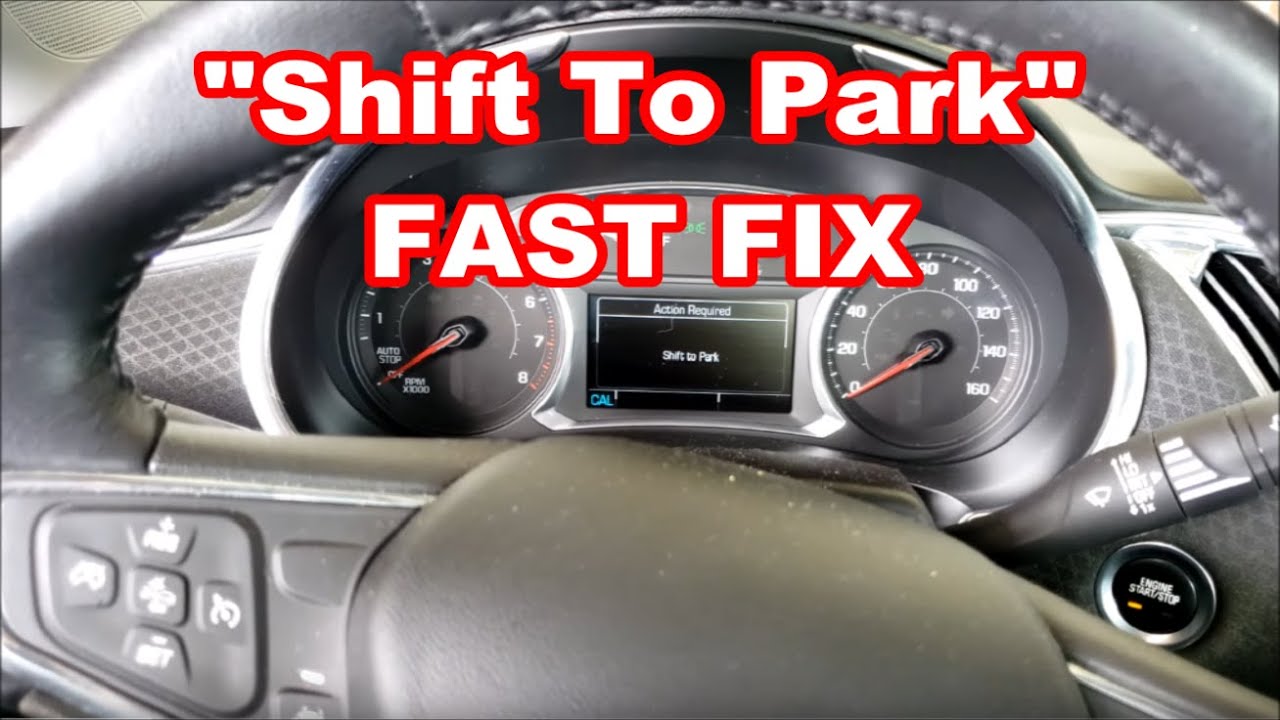
Image Source: i.ytimg.com
Deciphering the “Shift to Park” Warning Light
The “Shift to Park” message is a common alert found in many modern vehicles, particularly those with automatic transmissions. It’s a safety feature designed to prevent the car from rolling away when you think it’s secured. When this message illuminates, it’s your car’s way of telling you that it doesn’t recognize the transmission is in the intended resting state. This can happen for a variety of reasons, ranging from simple user error to more complex mechanical or electrical issues.
What are the main reasons for the “Shift to Park” warning?
The primary reasons your car might say “Shift to Park” include:
* A parked sensor issue.
* A gear selector malfunction.
* A problem with the transmission safety interlock.
* The parking brake engaged (in some systems).
* A neutral safety switch problem.
* A shifter cable binding.
* A faulty shift lock solenoid.
* The vehicle not detecting park.
* A transmission range sensor error.
* Low battery voltage effect.
Exploring the Causes Behind the “Shift to Park” Alert
Let’s dive deeper into each of these potential causes and how they might affect your vehicle.
1. Parked Sensor Issue
Your car’s transmission has sensors that tell the computer where the gear selector is. If one of these sensors is dirty, damaged, or out of alignment, it might not correctly report that the transmission is in “Park.” This is one of the most frequent culprits.
Symptoms of a Parked Sensor Issue:
- The “Shift to Park” message appears intermittently.
- The car might not start in Park.
- The reverse lights or backup camera don’t activate when in Reverse.
Fixes for Parked Sensor Issues:
- Cleaning and Adjustment: Sometimes, the sensor can be cleaned or adjusted by a mechanic.
- Replacement: If the sensor is damaged, it will need to be replaced.
2. Gear Selector Malfunction
The gear selector itself, the lever or dial you use to change gears, can also develop problems. Wear and tear, or damage to the internal components of the selector, can prevent it from fully engaging the “Park” position or sending the correct signal to the transmission.
Signs of Gear Selector Problems:
- The selector feels loose or wobbly.
- It’s difficult to move the selector into different gears.
- The selector doesn’t “click” into place as it should.
Solutions for Gear Selector Issues:
- Lubrication: Sometimes, a lack of lubrication can cause stiffness.
- Repair or Replacement: If internal parts are worn or broken, the entire gear selector assembly may need to be repaired or replaced.
3. Transmission Safety Interlock
This is a critical safety system. It prevents you from shifting out of Park unless certain conditions are met, like having your foot on the brake pedal. While this system primarily prevents accidental shifting, a fault within it can sometimes lead to the “Shift to Park” message, especially if it’s confused about the vehicle’s state.
How the Safety Interlock Works:
- It links the brake pedal switch to the gear selector.
- It often requires the key to be in the ignition or the engine to be running.
Addressing Safety Interlock Concerns:
- Brake Pedal Switch: Ensure the brake pedal switch is functioning correctly.
- Wiring: Check for any damaged wiring related to the interlock system.
4. Parking Brake Engaged
In some vehicle systems, the “Shift to Park” message can be triggered if the parking brake is engaged and the transmission is not fully in Park. This is a way to ensure the vehicle is doubly secured. However, if the system incorrectly interprets the parking brake status or if there’s a communication error between the parking brake system and the transmission control module, this message can appear.
Situations Where This Might Occur:
- You’ve engaged the parking brake, but the car isn’t fully in Park.
- A fault in the parking brake sensor.
Resolving Parking Brake Related Warnings:
- Disengage and Re-engage: Ensure the parking brake is fully released, then firmly shift into Park.
- Check Parking Brake System: If the issue persists, the parking brake mechanism or its sensors might need inspection.
5. Neutral Safety Switch Problem
The neutral safety switch (also known as the park/neutral position switch or transmission range sensor) is essential. It allows the engine to start only when the transmission is in either Park or Neutral. If this switch malfunctions, it can send incorrect signals to the car’s computer, leading to the “Shift to Park” warning, even if the car is physically in Park.
Symptoms of a Faulty Neutral Safety Switch:
- The car won’t crank or start.
- The backup lights don’t work.
- The “Shift to Park” message.
Solutions for Neutral Safety Switch Problems:
- Testing and Replacement: A mechanic can test the switch’s functionality and replace it if it’s faulty.
6. Shifter Cable Binding
The shifter cable connects your gear selector to the transmission. If this cable becomes stretched, corroded, or physically obstructed (binds), it might not allow the transmission to fully engage the Park position, even if the selector lever is moved to the correct spot.
Indicators of Shifter Cable Binding:
- Difficulty moving the gear shifter.
- The shifter feels stiff or jammed.
- The transmission doesn’t shift smoothly.
Addressing Shifter Cable Binding:
- Lubrication and Adjustment: The cable might need lubrication or adjustment.
- Replacement: If the cable is damaged or stretched, it will need replacement.
7. Faulty Shift Lock Solenoid
The shift lock solenoid is a small electronic component that prevents you from shifting out of Park unless your foot is on the brake pedal and the key is in the ignition (or the start button is pressed). A malfunction in this solenoid can prevent the transmission from disengaging from Park or, in some cases, cause the system to wrongly indicate that the car isn’t in Park.
Signs of a Failing Shift Lock Solenoid:
- You can’t shift out of Park even with your foot on the brake.
- The gear selector feels stuck.
Repairing a Faulty Shift Lock Solenoid:
- Replacement: This component usually needs to be replaced if it fails.
8. Vehicle Not Detecting Park
This is a broader category that encompasses many of the issues mentioned above. It signifies that the car’s control module isn’t receiving the correct input from the transmission system to confirm that it is securely in the Park position. This could be due to a faulty sensor, a problem with the transmission itself, or an issue with the wiring that carries the signal.
Troubleshooting “Vehicle Not Detecting Park”:
- System Scan: A diagnostic scan can help pinpoint the specific sensor or module reporting the error.
- Component Testing: Individual components involved in gear position detection will be tested.
9. Transmission Range Sensor Error
The transmission range sensor is another name for the component that detects which gear the transmission is in (Park, Reverse, Neutral, Drive, etc.). If this sensor fails or its wiring is damaged, it will provide incorrect information to the car’s computer, leading to the “Shift to Park” warning. This is very similar to a “parked sensor issue” and “neutral safety switch problem.”
Common Symptoms of Transmission Range Sensor Errors:
- Incorrect gear indications on the dashboard.
- Problems with the anti-lock braking system (ABS) or traction control.
- The “Shift to Park” message.
Solutions for Transmission Range Sensor Errors:
- Sensor Replacement: The sensor itself is typically replaced.
- Wiring Repair: Any damaged wires connected to the sensor will need repair.
10. Low Battery Voltage Effect
Believe it or not, a weak or dying battery can cause a cascade of electronic issues in modern cars. When the battery voltage drops too low, various sensors and modules may not function correctly. This can lead to false readings or system malfunctions, including the transmission control module not receiving accurate data, resulting in the “Shift to Park” alert.
How Low Battery Voltage Impacts Systems:
- Electronic modules may reset or behave erratically.
- Sensors can provide inaccurate data.
Addressing Low Battery Voltage Issues:
- Battery Test: Have your car’s battery tested.
- Charging or Replacement: Recharge or replace the battery if it’s weak.
- Check Alternator: Ensure the alternator is properly charging the battery.
Troubleshooting Steps When Your Car Says “Shift to Park”
When you encounter this message, it’s important to approach it systematically.
Step 1: Simple Checks and Resets
- Firmly Shift to Park: Ensure the gear selector is firmly moved all the way into the Park position. Sometimes, it might feel like it’s in Park but not fully engaged.
- Apply Brake and Shift: With your foot firmly on the brake pedal, try shifting out of Park and then firmly back into Park.
- Turn Engine Off and On: Turn the engine off, wait a few seconds, and then restart the car. Sometimes, a simple electronic reset can clear temporary glitches.
- Check Battery Terminals: Ensure your battery terminals are clean and the connections are tight. Loose or corroded terminals can cause voltage issues.
Step 2: Inspect the Gear Selector Area
- Visual Inspection: Look for any obvious obstructions around the gear selector or the console area.
- Selector Feel: Pay attention to how the selector moves. Does it feel smooth, or is it stiff, loose, or does it not engage with a positive click?
Step 3: Understand the Parking Brake
- Parking Brake Status: Note whether the parking brake is engaged or disengaged. Try releasing it completely and then shifting to Park.
Step 4: Consult Your Owner’s Manual
Your car’s owner’s manual often has specific troubleshooting tips for warning lights and messages. It might offer model-specific advice for the “Shift to Park” alert.
Step 5: Professional Diagnosis
If the simple checks don’t resolve the issue, it’s time to seek professional help.
Why Professional Diagnosis is Important:
- Specialized Tools: Mechanics have diagnostic scanners that can read error codes from the car’s computer, pointing directly to the faulty component.
- Expertise: They have the knowledge to identify complex issues involving sensors, wiring harnesses, and the transmission control module.
- Accurate Repairs: They can perform the necessary repairs or replacements correctly, preventing further damage.
Common Components Involved in the “Shift to Park” System
Let’s look at the parts that are often the cause of this warning.
Table: Key Components and Their Role
| Component | Function | Potential Failure |
|---|---|---|
| Transmission Range Sensor | Detects the position of the gear selector (P, R, N, D, etc.) and sends this information to the car’s computer. | Worn contacts, internal shorts, wiring damage, misalignment. |
| Gear Selector Mechanism | The physical lever or dial used to change gears. It has internal contacts or switches that activate with movement. | Worn detents, broken internal plastic parts, loose connections, electronic component failure. |
| Shifter Cable | Connects the gear selector to the transmission linkage. | Corrosion, stretching, binding due to debris or damage. |
| Shift Lock Solenoid | Prevents shifting out of Park unless specific conditions (like brake pedal applied) are met. | Solenoid coil failure, mechanical sticking, wiring issues. |
| Brake Pedal Switch | Detects when the brake pedal is pressed, a crucial input for the shift interlock system. | Mechanical failure, electrical contact issues. |
| Parking Brake Sensor | Monitors the engagement and disengagement of the parking brake. | Sensor malfunction, wiring faults, physical damage to the brake mechanism. |
| Vehicle Control Module (VCM/ECU) | The “brain” of the car that processes all sensor inputs and controls various functions, including gear selection. | Software glitches, internal electronic failures, communication errors with other modules. |
| Battery & Charging System | Provides power to all electronic systems. | Low battery voltage effect on sensor readings and module operation. |
Frequently Asked Questions (FAQ)
Here are some common questions people have when they see the “Shift to Park” message:
Can I drive my car with the “Shift to Park” message?
It is generally not recommended to drive your car if it is displaying the “Shift to Park” message. The message indicates a potential safety issue, and continuing to drive could lead to further damage to the transmission or the vehicle’s systems. In some cases, the car may not even allow you to shift out of Park.
How much does it cost to fix the “Shift to Park” warning?
The cost can vary significantly depending on the cause. A simple fix like cleaning a sensor might cost a small labor fee. However, replacing a transmission range sensor, gear selector, or shifter cable can range from $200 to over $1000, depending on the vehicle make and model and the specific part.
Is the “Shift to Park” message the same as the “Check Engine” light?
No, they are different. The “Check Engine” light indicates a problem with the engine’s performance or emissions. The “Shift to Park” message specifically relates to the transmission’s gear selection and safety interlock systems.
How do I reset the “Shift to Park” message?
While there isn’t a direct “reset” button for this message, attempting to firmly shift into Park again, or turning the car off and on, might clear a temporary electronic glitch. However, if the underlying problem persists, the message will likely reappear. The true solution is to fix the cause of the warning.
Could a software glitch cause the “Shift to Park” warning?
Yes, in modern cars, software glitches within the vehicle’s computer systems can cause various warnings, including the “Shift to Park” message. This is why a diagnostic scan is often necessary to rule out or confirm software issues.
Conclusion: Addressing the “Shift to Park” Warning Promptly
The “Shift to Park” message is a vital safety indicator that should not be ignored. While it can be frustrating, a systematic approach to diagnosing the problem, starting with simple checks and progressing to professional help, will ensure your vehicle is safe and functioning correctly. Whether it’s a minor sensor issue or a more involved mechanical problem, addressing the root cause promptly will save you from potential headaches and costly repairs down the road. Always prioritize your safety and the integrity of your vehicle by seeking expert advice when needed.