
A clicking noise in your car can be unsettling. Can you ignore it? No, it’s best not to. While a faint click might not seem urgent, it’s your car’s way of telling you something isn’t quite right. Ignoring it can lead to bigger, more expensive problems down the road.
Cars make noises for many reasons. Some are normal, like the hum of the engine or the swish of windshield wipers. But a clicking sound, especially an intermittent car clicking or a car making clicking sound at specific times, often signals a specific issue. This guide will help you decipher these sounds, covering everything from the common culprits to more serious concerns, so you can get to the bottom of your unusual car noises clicking.
Image Source: s7d1.scene7.com
Common Clicking Sounds and Their Likely Sources
When you hear a clicking noise, the first step in identifying car clicking is to note when it happens. Does it occur when you start the car, turn, accelerate, or brake? Each of these situations points to different parts of your vehicle.
Clicking When Starting the Car
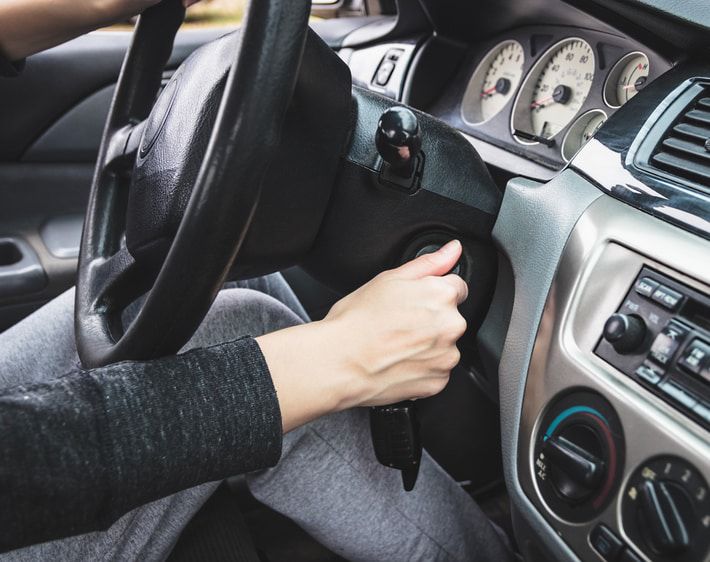
A clicking sound when you try to start your car is a very common problem. It usually indicates an issue with the electrical system, specifically the battery or starter.
Battery Problems
- Low Battery Charge: If your battery doesn’t have enough power, it struggles to turn the starter motor. This can result in a rapid clicking sound. Think of it like trying to turn a key in a lock with a weak hand; it just won’t quite catch.
- Corroded Battery Terminals: The terminals where the battery cables connect can get covered in a white or bluish-green powder (corrosion). This corrosion acts as an insulator, preventing a good electrical connection. Even if your battery is charged, a bad connection can stop the starter from getting the power it needs, causing that clicking.
Starter Motor Issues
- Faulty Starter Solenoid: The starter motor has a solenoid, which is like a powerful switch. When you turn the key, it pushes a gear to engage the engine’s flywheel and then powers the starter motor. If the solenoid is failing, it might make a clicking noise without fully engaging the starter motor or providing enough power.
- Worn Starter Motor: The starter motor itself can wear out over time. A clicking sound might be the motor trying to engage but being unable to spin the engine due to internal wear or damage.
Other Electrical Connections
- Loose or Damaged Wires: While less common for a consistent click, a loose or frayed wire somewhere in the starting circuit could cause an intermittent connection, leading to clicking.
Clicking When Accelerating
Hearing a clicking sound when you accelerate can be alarming and often points to issues within the drivetrain or suspension.
CV Joints (Constant Velocity Joints)
- Worn CV Boots: CV joints are essential for transferring power from the transmission to the wheels, especially on front-wheel-drive cars. They are protected by rubber boots (CV boots) that keep grease in and dirt out. If these boots tear or crack, grease escapes, and dirt gets in, quickly damaging the joint.
- Symptoms of Failing CV Joints: A clicking noise, particularly when turning and accelerating, is a classic sign of a worn CV joint. The clicking usually gets faster as you accelerate. This is one of the most common reasons for car clicking when moving.
Exhaust System Leaks
- Loose Exhaust Manifold: The exhaust manifold collects exhaust gases from the engine cylinders. If the manifold is loose or the gasket between it and the engine is damaged, exhaust gases can escape under pressure, creating a ticking or clicking sound. This sound is often more noticeable when the engine is cold and can sometimes quiet down as the engine warms up and the metal expands.
- Cracked Exhaust Pipe: A small crack in an exhaust pipe can also produce a ticking sound as exhaust gases escape through it.
Engine Knock or Detonation
- Incorrect Fuel Octane: Using a lower octane fuel than recommended for your car can cause the fuel-air mixture in the cylinders to combust unevenly, leading to a knocking or pinging sound that can sometimes be described as a click.
- Carbon Buildup: Excessive carbon deposits in the combustion chambers can create hot spots that prematurely ignite the fuel mixture, also resulting in knocking sounds.
- Timing Issues: If the engine’s ignition timing is off, it can also cause the fuel to burn at the wrong time, leading to knocking.
Valve Train Issues
- Low Oil Pressure: The valve train components, like lifters and rocker arms, rely on oil pressure to function quietly. If oil pressure is low, these parts can become noisy, producing a ticking or clicking sound.
- Worn Lifters: Hydraulic lifters can become clogged or worn, causing them to lose their ability to maintain proper valve lash. This can result in a persistent ticking noise that often increases with engine speed. This is a classic engine clicking noise symptom.
Clicking When Turning
A clicking sound specifically when turning is often a strong indicator of issues with the steering or front suspension components.
CV Joints (Again!)
- Most Common Cause: As mentioned earlier, worn CV joints are the primary suspects for clicking when turning. The clicking is often more pronounced at lower speeds and when turning sharply. The outer CV joints are most prone to wear and failure.
Wheel Bearings
- Damaged Wheel Bearing: A worn or damaged wheel bearing can cause a variety of noises, including clicking, humming, or grinding. The sound may change with speed and often becomes louder when turning in a specific direction, as the weight shifts onto that wheel.
- Loose Wheel Hub: A loose wheel hub can also cause clicking or clunking noises, especially during turns.
Tie Rod Ends and Ball Joints
- Worn Components: Tie rod ends and ball joints are critical for steering. If they become worn or loose, they can produce clicking or clunking sounds when the steering wheel is turned, as there is excessive play in the joints.
Steering Rack or Power Steering Pump
- Internal Issues: While less common for a simple click, internal problems within the steering rack or power steering pump can sometimes manifest as noises during steering. This might be more of a whine or groan, but a clicking is possible.
Clicking When Braking
Clicking during braking can be concerning, as it directly relates to a critical safety system.
Brake Pad Hardware
- Loose or Worn Clips: Brake pads are held in place by various clips and hardware. If these become loose, worn, or are not properly installed, they can shift and make a clicking noise when the brakes are applied.
- Rotor Issues: A warped or damaged brake rotor can sometimes cause unusual noises, although grinding or squealing is more common. A very minor issue might produce a light click.
Loose Brake Calipers
- Mounting Bolts: Brake calipers, which hold the brake pads, are mounted with bolts. If these bolts become loose, the caliper can shift slightly when the brakes are applied, leading to a clicking sound.
Suspension Components
- Loose Ball Joints or Tie Rods: As mentioned for turning, worn suspension components can also make noise under braking if the forces are enough to cause movement.
Other Clicking Scenarios
Intermittent Clicking
- Loose Fasteners: A loose bolt or fastener anywhere on the vehicle’s body, suspension, or drivetrain could cause an intermittent clicking sound as components shift under different loads or vibrations.
- Debris in the Wheel Well: Sometimes, a small stone or piece of debris lodged in the wheel well or brake assembly can cause a clicking sound that might be intermittent and depend on wheel rotation.
Clicking from Under the Dashboard
- HVAC System: The ventilation system often uses small motors and actuators to control air flow. A malfunctioning actuator or a piece of debris in the fan can cause clicking sounds within the dashboard.
- Relays: Electrical relays, which act as switches for various systems (like headlights, fuel pumps), can sometimes make a clicking sound when they activate or if they are failing.
Deciphering the Sound: What to Look For
To help your mechanic diagnose the problem, pay close attention to the details of the clicking sound. This information is crucial for identifying car clicking accurately.
Key Questions to Ask Yourself
- When does the clicking occur? (e.g., starting, accelerating, braking, turning, idling)
- Does the clicking change with speed? (e.g., faster clicking at higher speeds)
- Does the clicking change with engine RPM?
- Is the clicking from a specific side of the car? (e.g., front left, rear right)
- What does the clicking sound like? (e.g., light tick, sharp click, loud rap)
- Does anything make the clicking stop or change? (e.g., turning the steering wheel, applying brakes)
Common Clicking Car Problems and Their Solutions
Here’s a breakdown of common clicking car problems, their causes, and typical solutions.
| Problem Area | Likely Cause | Symptoms | Solution |
|---|---|---|---|
| Starting | Low Battery Charge | Clicking when starting, no crank | Charge or replace battery |
| Corroded Battery Terminals | Clicking when starting, no crank | Clean battery terminals | |
| Faulty Starter Solenoid | Clicking when starting, no crank or weak crank | Replace starter solenoid or starter assembly | |
| Accelerating | Worn CV Joint | Clicking when turning and accelerating, especially at low speeds | Replace CV axle |
| Exhaust Leak (e.g., manifold) | Ticking/clicking from engine bay, louder when cold | Tighten manifold bolts, replace gasket, or repair/replace exhaust component | |
| Engine Knock (detonation) | Ping/click sound under load, especially uphill | Use correct octane fuel, decarbonize engine, check timing | |
| Turning | Worn CV Joint | Loud clicking when turning, especially sharp turns | Replace CV axle |
| Worn Wheel Bearing | Humming/clicking that changes pitch or volume with steering input | Replace wheel bearing | |
| Loose Tie Rod End/Ball Joint | Clicking or clunking during steering | Replace worn steering/suspension components | |
| Braking | Loose Brake Pad Hardware | Click/clunk when brakes applied | Inspect and tighten/replace brake hardware |
| Loose Brake Caliper Mounting | Click/clunk when brakes applied | Tighten caliper mounting bolts | |
| General/Intermittent | Loose Body Panel or Undercarriage Fastener | Random clicking noises, may change with vibration or speed | Inspect and tighten fasteners |
| Debris in Wheel Well/Brake Assembly | Intermittent clicking related to wheel rotation | Remove debris | |
| HVAC Actuator Malfunction | Clicking from dashboard, often when changing temperature or fan speed | Replace faulty HVAC actuator |
The Diagnostic Clicking in Car: What Your Mechanic Will Do
When you take your car to a mechanic with a clicking noise, they will follow a systematic process for diagnostic clicking in car.
- Gather Information: The mechanic will ask you specific questions about when and how the clicking occurs. This is where your observations are invaluable.
- Visual Inspection: They will likely put the car on a lift and visually inspect key areas, including:
- CV Boots: Checking for tears or damage.
- Suspension Components: Looking for loose bolts, worn bushings, or damaged joints.
- Brake Assemblies: Inspecting pads, rotors, and caliper mounting.
- Exhaust System: Checking for leaks or loose parts.
- Battery Terminals: Looking for corrosion.
- Test Drive: The mechanic will often drive the car to replicate the noise themselves. They might test turning at different speeds, accelerating, and braking to pinpoint the conditions under which the click occurs.
- Component Testing: Depending on the suspected cause, they might:
- Test the battery voltage and starter draw.
- Manually inspect suspension components for play.
- Spin wheels to listen for bearing noise.
- Check for exhaust leaks using specialized equipment.
- Pinpoint the Source: By combining your description with their findings, they will aim to pinpoint the exact component causing the clicking.
Why You Shouldn’t Ignore a Clicking Noise
Ignoring a clicking noise, especially if it’s a consistent or worsening sound, can lead to several negative outcomes:
- Increased Repair Costs: Small problems can escalate. A torn CV boot, for instance, can quickly ruin the entire CV joint, turning a relatively inexpensive boot replacement into a much costlier axle replacement.
- Safety Hazards: Issues with brakes, steering, or suspension can compromise your ability to control the vehicle safely. A clicking sound in these areas is a warning sign that needs immediate attention.
- Reduced Vehicle Performance: Some clicking noises, like those from the engine or drivetrain, can indicate inefficiencies that affect fuel economy and overall performance.
- Catastrophic Failure: In extreme cases, a component failure could lead to a complete breakdown, leaving you stranded and potentially causing further damage to other parts of the car.
Conclusion
Hearing a clicking noise in your car is a signal that shouldn’t be ignored. By paying attention to when and how the sound occurs, you can provide your mechanic with crucial information to help them diagnose the problem efficiently. Whether it’s a simple fix like cleaning battery terminals or a more involved repair like replacing a CV axle, addressing the clicking sound promptly will save you money, ensure your safety, and keep your vehicle running smoothly. Don’t let those unusual car noises clicking go unaddressed – your car will thank you for it.
Frequently Asked Questions (FAQ)
Q1: Is a clicking noise always a serious problem?
A clicking noise can range from minor to serious. While some clicking might be related to less critical issues like loose fasteners or debris, others, particularly those related to steering, braking, or the drivetrain (like CV joints), can be serious and pose safety risks. It’s always best to have any persistent clicking noises inspected by a qualified mechanic.
Q2: Can I drive my car if I hear a clicking noise?
It depends on the nature of the clicking sound. If the clicking is faint and occurs only under specific, non-critical conditions (e.g., a very light click from the HVAC system), you might be able to drive short distances. However, if the clicking is loud, constant, occurs during braking or steering, or is associated with performance issues, it’s safer to avoid driving the car and have it towed to a repair shop.
Q3: How much does it typically cost to fix a clicking noise?
The cost varies greatly depending on the cause.
* Minor Repairs: Cleaning battery terminals, removing debris, or tightening loose fasteners might cost very little, often just the labor.
* Moderate Repairs: Replacing brake hardware or an HVAC actuator could range from $100 to $300.
* Major Repairs: Replacing a CV axle typically costs between $200 and $500 per axle. Replacing a starter motor can be $400 to $800. Fixing significant engine issues like internal wear or exhaust manifold problems can cost significantly more.
Q4: What’s the difference between a clicking noise and a grinding noise?
Clicking noises are often sharper and more distinct, typically caused by components that are slightly loose, have play, or are engaging/disengaging intermittently. Grinding noises are usually rougher, more continuous, and often indicate friction between metal parts, such as worn brake pads against rotors or failing wheel bearings.
Q5: How can I prevent clicking noises from occurring?
Regular maintenance is key. This includes:
* Keeping battery terminals clean.
* Having your mechanic inspect CV boots for tears during routine services.
* Ensuring all fluids are at the proper levels.
* Addressing any unusual noises or vibrations promptly.
* Using the correct fuel octane for your vehicle.