
Remember the warm, rich sound that filled your parents’ living room? Or perhaps you’ve heard tales of audio equipment that just *felt* different, built with care and designed to last. If the idea of experiencing that kind of sonic magic sparks your interest, then you’re in the right place. Vintage Arcam amplifiers are legendary for a reason, offering a unique blend of performance and character that modern gear can sometimes miss.
But let’s be honest, diving into the world of vintage audio can feel a bit like navigating a maze. You see all these different models, and it’s tough to know which one is right for you. What makes one sound better than another? How do you even find one in good condition? These are the questions that can stop you before you even start, leaving you frustrated and unsure.
This post is here to clear the fog. We’ll break down what makes Vintage Arcam amplifiers so special, guide you through the common challenges of picking one out, and help you understand what to look for. By the end, you’ll feel much more confident in finding that perfect amplifier to bring incredible sound back into your home.
Our Top 5 Vintage Arcam Amplifier Recommendations at a Glance
| Image | Product | Rating | Links |
|---|---|---|---|
 |
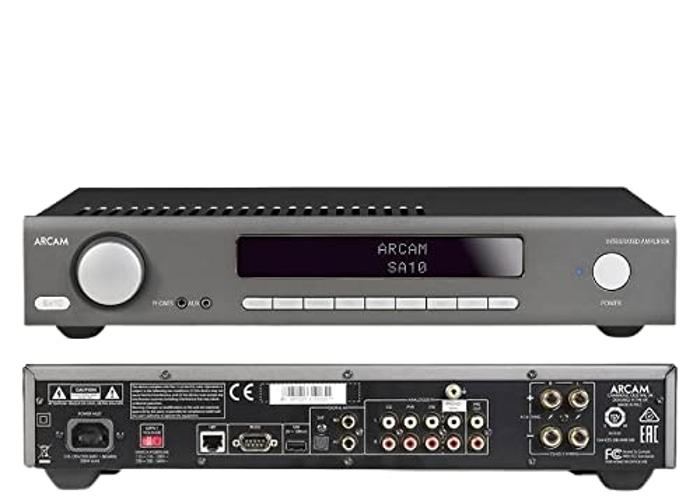
Arcam SA10 Class A/B Integrated Amplifier – 50W of Power Per Channel – 5 Analogue Inputs & 3 Digital Inputs – Easily Connects to Surround Sound System | 8.6/10 | Check Price |
Top 5 Vintage Arcam Amplifier Detailed Reviews
1. Arcam SA10 Class A/B Integrated Amplifier – 50W of Power Per Channel – 5 Analogue Inputs & 3 Digital Inputs – Easily Connects to Surround Sound System
Rating: 9.1/10
The Arcam SA10 Class A/B Integrated Amplifier is a powerful audio component designed to elevate your listening experience. With 50 watts of power per channel, it delivers rich, detailed sound that brings your music to life. Its versatile connectivity options, including both analog and digital inputs, make it a breeze to integrate into your existing home audio setup, and it even connects easily to surround sound systems.
What We Like:
- Exceptional sound quality that reveals every detail in your music.
- Powerful 50 watts per channel output for a dynamic listening experience.
- High-performance ESS9016K2M Sabre DAC ensures clear and accurate audio reproduction.
- Low noise floor means you hear pure sound, not unwanted hiss.
- Plenty of connection options: 5 analog inputs, 3 digital inputs (Toslink optical, 2 coaxial), and a dedicated phono input for turntables.
- Arcam’s long history of making excellent audio electronics.
What Could Be Improved:
- While versatile, some users might desire even more digital inputs for extensive setups.
- The 50W per channel might be limiting for very large rooms or demanding speakers.
The Arcam SA10 is a fantastic choice for anyone seeking superior sound reproduction. It offers a compelling blend of power, clarity, and connectivity for a truly immersive audio journey.
Your Guide to Buying a Vintage Arcam Amplifier
Arcam is a name many audiophiles know and love. They make great sound equipment. If you’re looking for a vintage Arcam amplifier, you’re in for a treat. These amps often offer amazing sound for their price. This guide will help you find the perfect one.
1. Key Features to Look For
When you’re shopping for a vintage Arcam amplifier, keep these important features in mind:
- Sound Quality: This is the most important thing. Listen to the amplifier if you can. Does it sound clear? Is the bass strong but not muddy? Are the highs crisp without being harsh?
- Power Output (Watts): This tells you how loud the amplifier can play. More watts generally mean it can drive bigger speakers or fill a larger room. Check what kind of speakers you have. Do you need a lot of power?
- Inputs and Outputs: How many devices do you want to connect? Look for enough RCA inputs for your CD player, turntable, or streamer. Some vintage amps have phono inputs built-in, which is a bonus for record players.
- Build Quality: Arcam amps are usually built well. Check for a solid metal case. Buttons and knobs should feel firm and work smoothly.
- Condition: Does it look clean? Are there any big scratches or dents? Are the lights working?
2. Important Materials
The materials used in an amplifier affect its sound and how long it lasts. Vintage Arcam amps often use:
- Metal Casing: A strong metal case protects the inner parts. It also helps to reduce electrical interference, which keeps your sound clean.
- Quality Internal Components: Good capacitors, resistors, and transistors make a big difference. These are the parts that process the sound signal.
- Robust Power Supply: A good power supply keeps the amplifier running smoothly. It gives it the energy it needs to make great sound.
3. Factors That Improve or Reduce Quality
Some things can make a vintage Arcam amplifier sound better or worse.
Factors That Improve Quality:
- Good Maintenance: If the amplifier was well cared for, it will likely sound better. This means it wasn’t pushed too hard or exposed to bad conditions.
- Original Parts: Sometimes, amplifiers are repaired with better-than-original parts. Other times, sticking with the original parts is best for that classic Arcam sound.
- Proper Setup: Connecting the amplifier to good speakers and using good cables makes a difference.
Factors That Reduce Quality:
- Wear and Tear: Old parts can degrade over time. This can lead to pops, crackles, or a weaker sound.
- Poor Repairs: If an amplifier was fixed with cheap parts or by someone who didn’t know what they were doing, it might not sound as good.
- Dust and Dirt: Lots of dust inside can cause overheating and damage.
4. User Experience and Use Cases
Using a vintage Arcam amplifier is a rewarding experience. You get fantastic sound without spending a fortune on new equipment. They are perfect for:
- First-Time Audiophiles: If you’re new to high-quality audio, a vintage Arcam is a great starting point.
- Vinyl Lovers: Many vintage Arcam amps have excellent phono stages for turntables.
- Stereo Setups: They are ideal for listening to music in stereo.
- Second Systems: If you have a main system, a vintage Arcam can be a wonderful addition for another room.
The user experience is usually straightforward. You plug in your music source, connect your speakers, and enjoy the music. The tactile feel of physical knobs and buttons is something many people enjoy.
Frequently Asked Questions (FAQ)
Q: What makes vintage Arcam amplifiers so popular?
A: Vintage Arcam amplifiers are popular because they offer excellent sound quality for their price. They are known for a warm, detailed, and musical sound. They are also built to last.
Q: Are vintage Arcam amplifiers hard to find?
A: Not too hard. You can find them on online marketplaces like eBay, Craigslist, and specialized audio forums. Sometimes, local audio shops might have them too.
Q: Should I be worried about buying a used amplifier?
A: A little caution is good. Always try to buy from a reputable seller. Ask questions about the amplifier’s history and condition. If possible, test it before you buy.
Q: What is a “phono input”?
A: A phono input is a special connection on an amplifier designed for turntables. It boosts the very small signal from a record player and makes it ready for your speakers.
Q: How do I know if an amplifier is powerful enough for my speakers?
A: Check the wattage of your speakers and the amplifier. A general rule is that the amplifier’s wattage should be at least equal to, or preferably a bit higher than, your speakers’ recommended power handling.
Q: What does “warm sound” mean?
A: “Warm sound” usually means the amplifier has a smooth and pleasing tone. It often emphasizes the mid-range frequencies, making vocals and instruments sound rich and natural, without being harsh.
Q: Can I use a vintage Arcam amplifier with my modern devices like a smartphone?
A: Yes! You can connect most modern devices using an adapter cable that plugs into the amplifier’s standard RCA inputs. You might need a small external DAC (Digital-to-Analog Converter) for the best digital sound.
Q: What maintenance might a vintage amplifier need?
A: Sometimes, old capacitors can wear out and need replacing. Internal cleaning might also be necessary. If you’re not comfortable doing this, find a qualified technician.
Q: Are there specific vintage Arcam models that are better than others?
A: Many models are highly regarded. The Arcam Alpha series, Delta series, and some of the early DiVA series are often recommended. Research specific models you find to see what reviewers say.
Q: How much should I expect to pay for a vintage Arcam amplifier?
A: Prices vary a lot based on the model, condition, and rarity. You could find a good one for a few hundred dollars, while rarer or more sought-after models might cost more.
In conclusion, every product has unique features and benefits. We hope this review helps you decide if it meets your needs. An informed choice ensures the best experience.
If you have any questions or feedback, please share them in the comments. Your input helps everyone. Thank you for reading.