
Ever cranked up the volume on your TV, only to be met with a tinny, unclear sound? Or maybe you struggle to hear dialogue over background music, forcing you to constantly adjust the settings? If you’ve ever wished your TV’s audio was richer, louder, and more immersive, then you’re in the right place. The world of TV preamplifiers can seem a bit confusing at first, filled with technical terms and a dizzying array of choices. It’s easy to feel lost when trying to find the perfect one to boost your home entertainment experience.
But what if there was a simple way to unlock the full potential of your TV’s sound? By understanding a few key things about preamplifiers, you can transform your movie nights, gaming sessions, and even just your everyday viewing. This post is your friendly guide to the world of TV preamplifiers. We’ll break down what they do, why they matter, and what to look for so you can finally enjoy crystal-clear, powerful audio from your television. Get ready to hear your favorite shows and movies like never before!
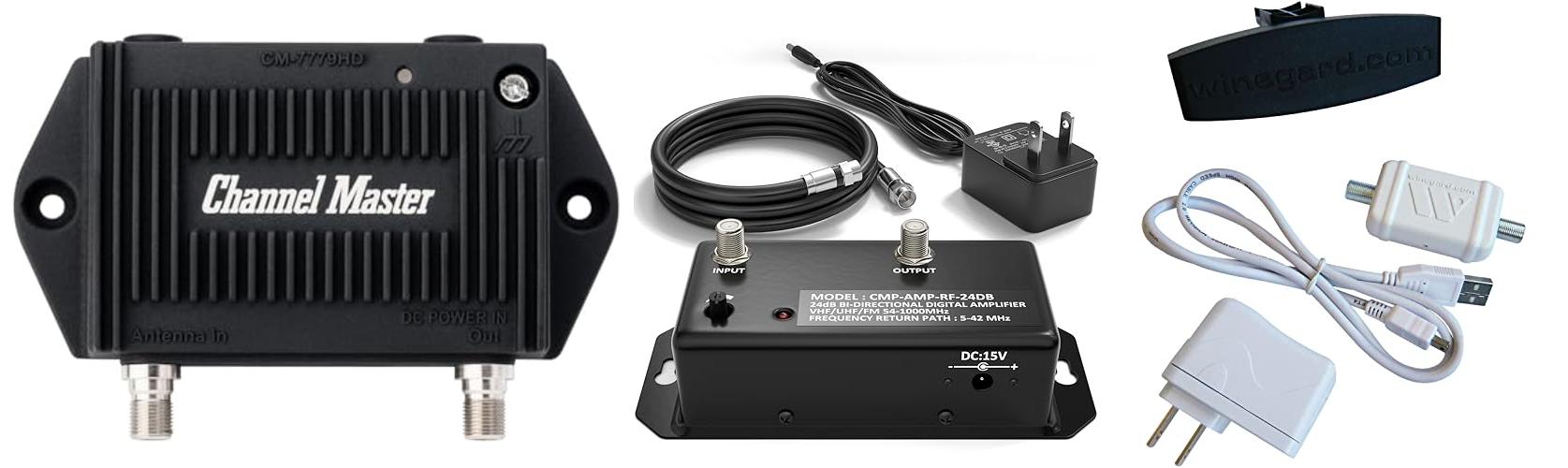
Our Top 5 Tv Preamplifier Recommendations at a Glance
Top 5 Tv Preamplifier Detailed Reviews
1. Channel Master TV Antenna PreAmp 1-1-Port TV Antenna Pre-Amplifier

Rating: 9.3/10
If you’re struggling to get a clear TV signal, the Channel Master PreAmp 1 might be your solution. This device is designed to boost the signal from your non-amplified TV antenna, helping you get better reception, especially in areas with weak signals or when you have long cable runs. It’s built to handle modern digital TV standards and even filters out interference from smartphones.
What We Like:
- Boosts weak TV signals for clearer reception.
- Works with all indoor and outdoor passive TV antennas.
- Built-in LTE filter blocks interference from 3G, 4G, and 5G devices.
- Provides higher power output than distribution amplifiers.
- Can be powered through the coaxial cable, so no outdoor outlet is needed.
- Supports current and future digital TV standards like NextGen TV.
- Works well with Channel Master power-passing splitters for multiple TVs.
What Could Be Improved:
- Won’t fix problems caused by interference, multipath, or obstructions.
- May not work well with attic-mounted antennas; outdoor installation is often better.
- Not compatible with antennas that already have a built-in amplifier.
- Signal improvement might not show on your TV’s built-in signal meter.
- Performance depends on using high-quality passive antennas and accessories.
For those with weak signal issues and a passive antenna, the Channel Master PreAmp 1 offers a significant improvement. Just be sure to install it correctly and consider your antenna’s location for the best results.
2. THE CIMPLE CO Antenna Amplifier Kit

Rating: 9.0/10
Are you tired of fuzzy TV channels and weak signals? The CIMPLE CO Antenna Amplifier Kit is here to help you get the best possible reception for your digital TV. This kit boosts your antenna’s signal, making those hard-to-get channels crystal clear. It works with all sorts of TV signals, including digital (ATSC), older analog (NTSC), and even FM radio. Plus, it comes with everything you need to get started, including a sturdy RG6 coaxial cable.
What We Like:
- It significantly strengthens your TV signal for better picture quality.
- The adjustable gain lets you fine-tune the signal strength.
- It’s built tough with a heavy-duty metal housing.
- It comes with a good quality RG6 coaxial cable.
- It works with a wide range of TV and radio signals (VHF, UHF, FM, ATSC, NTSC).
- The power indicator light lets you know it’s working.
What Could Be Improved:
- This amplifier is for indoor use only, so you can’t use it outside.
- For the best results, the amplifier needs to be set up relatively close to the antenna (within 300 feet).
If you want to improve your TV’s signal reception and enjoy clearer channels, this amplifier kit is a solid choice. It’s easy to set up and provides a noticeable boost to your signal.
3. Winegard LNA-200 Boost XT HDTV Preamplifier

Rating: 9.4/10
Tired of fuzzy TV and missing channels? The Winegard Boost XT LNA-200 is here to help! This clever device attaches to your non-amplified TV antenna and gives your signal a powerful boost. It works by making sure both the high (VHF) and low (UHF) frequency signals are amplified separately. This means you get a clearer picture, can pick up more channels, and experience fewer annoying signal dropouts.
What We Like:
- It makes your existing non-amplified antenna work better.
- It brings in more channels and a clearer picture.
- The Boost Clear Circuit Technology means less pixelation and signal loss.
- It’s designed and built right here in the USA!
- Installation is straightforward with the included parts.
What Could Be Improved:
- This amplifier only works with antennas that are NOT already amplified.
- It needs a separate antenna to work.
- Getting more channels isn’t guaranteed; it depends on your location and antenna.
If you have a non-amplified antenna and want to get the most out of your free over-the-air TV, the Winegard Boost XT LNA-200 is a solid upgrade. It’s a great way to improve your viewing experience without buying a whole new antenna.
4. Televes 1-Input TForce Mast Amplifier with BOSS-Tech and “F” Power Supply Unit

Rating: 9.5/10
Tired of pixelated TV and weak signals? The Televes 1-Input TForce Mast Amplifier with BOSS-Tech is here to boost your viewing experience. This smart amplifier tackles signal issues head-on, ensuring you get the clearest picture possible. It’s designed to make your favorite channels shine.
What We Like:
- It automatically adjusts signal strength for both VHF and UHF channels. This means you get the best picture without fiddling with settings.
- The amplifier offers very low noise. This keeps your signal clear and free from static.
- It has a high output level, delivering strong signals to your TV.
- You get strong amplification with up to 31 dB gain for UHF channels.
- It works well on all VHF channels, providing up to 22 dB gain for both high and low VHF bands.
- It uses standard “F” connectors, making it easy to connect to your existing setup.
What Could Be Improved:
- It is a single-input amplifier. If you need to boost multiple antennas, you’ll need more than one unit.
This amplifier is a powerful tool for improving your TV signal. It’s a smart choice for anyone wanting a better, more reliable TV experience.
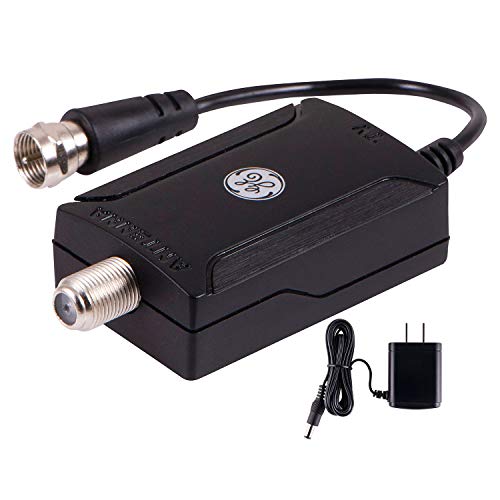
5. GE Indoor TV Antenna Amplifier
Rating: 9.4/10
Are you tired of fuzzy channels and dropped signals on your TV? The GE Indoor TV Antenna Amplifier, model 42178, is here to help. This little black box boosts your antenna’s signal strength. It makes sure you get a clear picture and sound, even if your cables are a bit long. It works with any TV and any regular antenna, so you don’t need to buy new equipment. Plus, it’s ready for the future, supporting crystal-clear 1080p HD channels.
What We Like:
- It boosts your TV signal to prevent lost channels.
- It works with all TV brands and passive antennas.
- It supports future-ready 1080p HD for great picture quality.
- Setup is easy with the included AC power adapter.
- GE offers a lifetime warranty and free U.S.-based technical support.
What Could Be Improved:
- The amplifier is an extra step in setting up your antenna.
- It requires an AC power outlet, so placement might be limited.
If you want to improve your over-the-air TV experience, this GE amplifier is a solid choice. It’s designed to give you better reception and a clearer picture.
The Ultimate Buying Guide: Your TV Sound Upgrade
Are you tired of straining to hear dialogue in your favorite shows or movies? Does your TV’s built-in sound lack the punch you crave? A TV preamplifier might be the answer! This handy device can boost your TV’s audio signal, making everything sound clearer and more powerful. Let’s dive into what you need to know to find the perfect one.
Key Features to Look For
When you’re shopping for a TV preamplifier, keep an eye out for these important features:
- Input Options: Most preamplifiers connect to your TV. Look for options like HDMI ARC (Audio Return Channel) which is super convenient. Other common inputs include optical (digital) and RCA (analog). More inputs mean you can connect other devices too.
- Output Options: This is how the preamplifier sends the boosted sound to your speakers or soundbar. Common outputs include RCA and XLR.
- Volume Control: A simple but essential feature. You want easy control over how loud your sound gets.
- Gain/Boost Level: This tells you how much the preamplifier can increase the audio signal. Higher gain means a stronger boost.
- Tone Controls (Bass/Treble): Some units let you adjust the bass (low sounds) and treble (high sounds) to fine-tune your audio.
- Headphone Jack: If you like to listen late at night without disturbing others, a headphone jack is a must-have.
- Compact Size: You probably don’t want a bulky box cluttering your entertainment center.
Important Materials
The materials used in a preamplifier can affect its durability and sound quality.
- Chassis: A sturdy metal chassis (like aluminum) is better than plastic. It helps reduce vibrations and interference, leading to cleaner sound.
- Internal Components: High-quality capacitors and resistors are used inside. These are like the tiny parts that help the sound flow. Better parts often mean better sound.
Factors That Improve or Reduce Quality
A few things make a big difference in how good your preamplifier sounds and works.
What Makes it Better:
- Good Circuit Design: Smart engineering inside the preamplifier helps keep the sound signal pure and strong.
- Shielding: Metal cases and internal shielding protect the delicate audio signals from outside noise and buzzing.
- High-Quality Power Supply: A stable power source is crucial. It helps the preamplifier perform its best.
What Makes it Worse:
- Cheap Components: Using low-quality parts can lead to fuzzy sound or even humming noises.
- Poorly Shielded Design: If the inside isn’t protected well, you might pick up interference from other electronics.
- Underpowered or Noisy Power Supply: This can cause inconsistent sound and unwanted background noise.
User Experience and Use Cases
Using a TV preamplifier is usually straightforward. You connect it between your TV and your sound system.
Who Needs One and Why?
- Those with Quiet TVs: If your TV’s volume isn’t loud enough, a preamplifier gives it a much-needed boost.
- Audiophiles on a Budget: You can improve your sound significantly without buying a whole new sound system.
- People with Hearing Loss: Clearer dialogue and adjustable tone controls can make a huge difference.
- Gamers: Get more immersive sound for your games.
- Movie Buffs: Experience movies with richer, more dynamic audio.
Most preamplifiers are plug-and-play. You hook them up, and they start working. Some might have a small learning curve if they have extra features, but generally, they are very user-friendly.
TV Preamplifier: Your Top 10 Questions Answered
Q: What exactly is a TV preamplifier?
A: A TV preamplifier is a device that takes the audio signal from your TV and makes it stronger before sending it to your speakers or soundbar. Think of it like turning up the volume knob for your TV sound.
Q: Do I really need a TV preamplifier?
A: You might need one if your TV’s sound is too quiet, unclear, or lacks richness. It’s a great way to improve your listening experience without buying an expensive new sound system.
Q: How do I connect a TV preamplifier?
A: You usually connect it between your TV and your sound system. Common connections include HDMI ARC, optical, or RCA cables.
Q: Will a preamplifier make my TV sound like a movie theater?
A: It can significantly improve your sound, making it clearer and more powerful. For a true movie theater experience, you’ll likely need a full surround sound system, but a preamplifier is a great first step.
Q: Can I use a preamplifier with my existing soundbar?
A: Yes, in many cases. You’ll connect your TV to the preamplifier, and then the preamplifier to your soundbar.
Q: What does “gain” mean on a preamplifier?
A: Gain refers to how much the preamplifier can boost the audio signal. Higher gain means a stronger amplification.
Q: Are preamplifiers difficult to set up?
A: Most TV preamplifiers are designed to be easy to set up. You just need to connect a few cables. Instructions are usually included.
Q: Can a preamplifier help with dialogue clarity?
A: Absolutely. By boosting and sometimes allowing you to adjust bass and treble, a preamplifier can make voices much easier to understand.
Q: What’s the difference between a preamplifier and an amplifier?
A: A preamplifier prepares and boosts the audio signal. An amplifier then takes that signal and makes it powerful enough to drive speakers. Some devices combine both functions.
Q: How much should I expect to spend on a TV preamplifier?
A: Prices can vary widely, from around $50 for basic models to several hundred dollars for high-end units with more features.
In conclusion, every product has unique features and benefits. We hope this review helps you decide if it meets your needs. An informed choice ensures the best experience.
If you have any questions or feedback, please share them in the comments. Your input helps everyone. Thank you for reading.