
Remember the days of fuzzy TV screens and channels that just wouldn’t come in clearly? Many people still face that problem today, even with modern antennas. It’s frustrating when you can’t watch your favorite shows because the signal is weak. Choosing the right TV antenna amplifier and signal booster can feel like a puzzle, with so many different types and features advertised. You might wonder which one will actually make a difference for your home.
This guide is here to help you solve that puzzle. We’ll break down what these boosters do and why they are so important for getting the best possible reception. By the end of this post, you’ll understand how to pick an amplifier that fits your needs. You’ll learn what to look for, what to avoid, and how to finally enjoy crystal-clear TV without all the guessing.
Let’s dive in and discover how to boost your TV signal and say goodbye to those annoying reception problems for good.
Our Top 5 Tv Antenna Amplifier Signal Booster Recommendations at a Glance
| Image | Product | Rating | Links |
|---|---|---|---|
 |
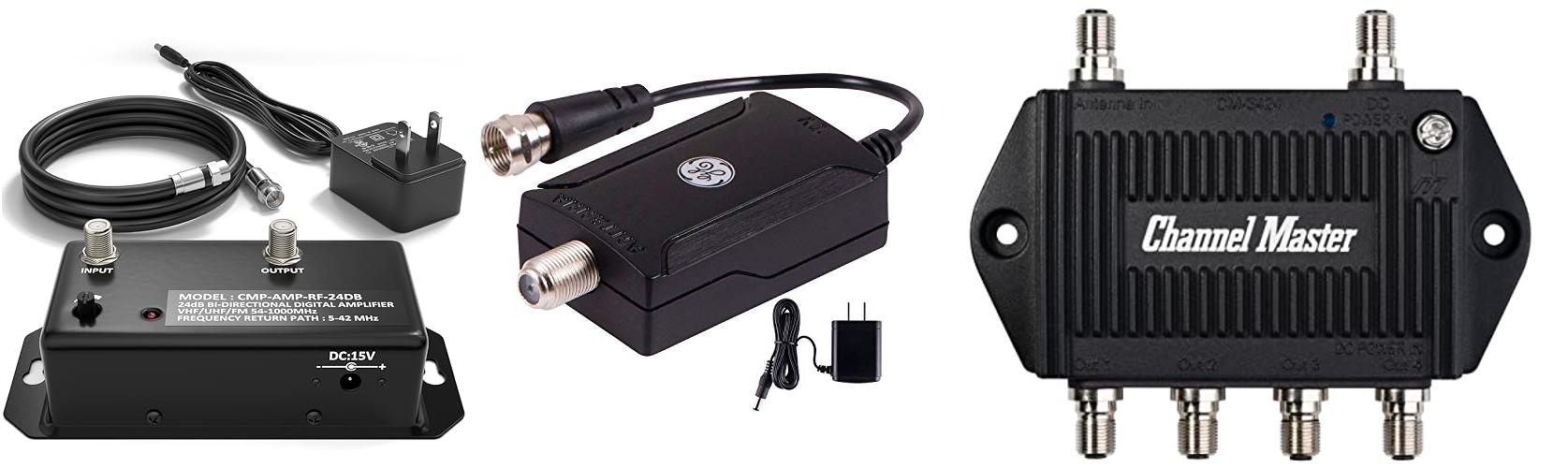
THE CIMPLE CO Antenna Amplifier Kit | 8.8/10 | Check Price |
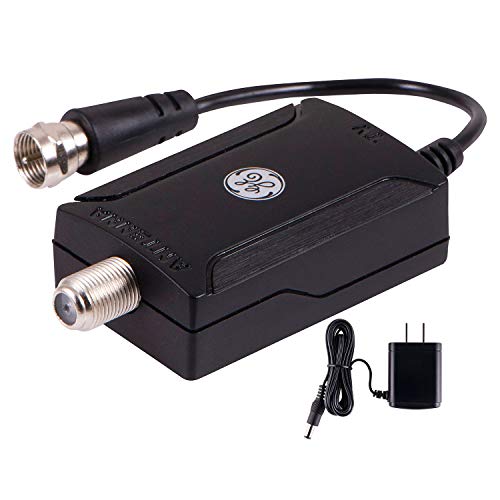 |
GE Indoor TV Antenna Amplifier | 9.4/10 | Check Price |
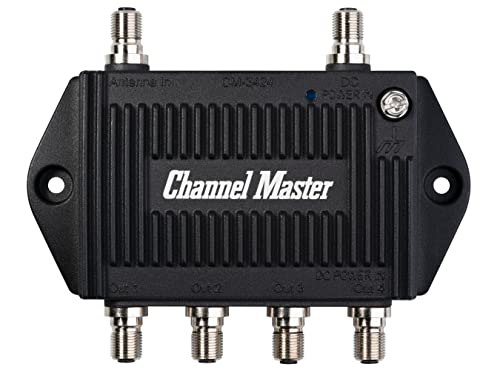 |
Channel Master TV Antenna Booster 4-4-Port TV Antenna Distribution Amplifier | 8.8/10 | Check Price |
 |
TV Antenna Amplifier Signal Booster | 9.3/10 | Check Price |
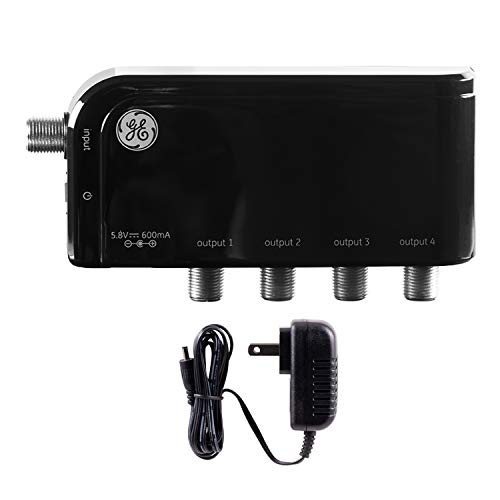 |
GE 4-Way HD Digital TV Antenna Amplifier | 9.2/10 | Check Price |
Top 5 Tv Antenna Amplifier Signal Booster Detailed Reviews
1. THE CIMPLE CO Antenna Amplifier Kit
Rating: 9.5/10
Tired of fuzzy TV channels and dropped signals? The CIMPLE CO Antenna Amplifier Kit is your solution for a clearer, stronger digital TV experience. This kit boosts your antenna’s signal, making sure you get the best reception possible from your over-the-air broadcasts. It works with various TV standards, including ATSC and NTSC, and even picks up FM radio. Plus, it comes with everything you need to get started, including a durable RG6 coaxial cable.
What We Like:
- It boosts your TV signal for better reception.
- The adjustable gain lets you fine-tune the signal strength.
- It’s compatible with many TV and radio bands (VHF, UHF, FM, ATSC, NTSC, FTA, OTA).
- The heavy-duty metal housing makes it durable for indoor use.
- It includes a useful RG6 coaxial cable.
- It has a power indicator light so you know it’s working.
What Could Be Improved:
- It’s designed for indoor use only.
- For the best results, you need to set it up correctly near the antenna.
This amplifier is a solid choice for anyone looking to improve their antenna’s performance. It’s easy to set up and can make a big difference in your viewing quality.
2. GE Indoor TV Antenna Amplifier
Rating: 8.5/10
If you’re tired of fuzzy pictures and dropped channels, the GE Indoor TV Antenna Amplifier (model 42178) is here to help. This black, sleek device is designed to boost your TV antenna’s signal, giving you a clearer, more reliable picture. It’s a simple solution for improving your over-the-air TV experience.
What We Like:
- Signal Booster: This amplifier makes your TV signal stronger. It helps fix problems with weak signals and keeps your picture from cutting out.
- Works with Everything: You can use this amplifier with any brand of TV and any kind of passive antenna. It’s a universal fit.
- Future Ready: It supports full 1080p HD, so you’ll get a high-quality picture and sound. Your favorite shows will look amazing.
- Easy to Use: Setting it up is super simple. It comes with everything you need, including an AC power adapter.
- Great Support: GE is a trusted brand. They offer free U.S.-based tech support if you have any questions.
What Could Be Improved:
- Placement Matters: While it boosts the signal, the antenna’s placement is still key for the best reception.
- Power Outlet Needed: It requires an AC power outlet to work, so you’ll need to make sure one is nearby.
Overall, the GE Indoor TV Antenna Amplifier is a solid choice for anyone looking to improve their over-the-air TV reception. It’s easy to use and offers great support.
3. Channel Master TV Antenna Booster 4-4-Port TV Antenna Distribution Amplifier
Rating: 9.1/10
The Channel Master TV Antenna Booster 4-4-Port TV Antenna Distribution Amplifier is your solution for a clearer, more robust TV signal. This device takes your existing antenna signal and splits it to up to four different rooms without the usual signal loss you get from standard splitters. It’s built to work with any indoor or outdoor TV antenna, making it super flexible. Plus, its tough, weatherproof casing means you can install it anywhere – inside, outside, or even in your attic. It even has a special filter to block unwanted LTE (4G/5G) signals that can mess with your TV reception.
What We Like:
- Effectively splits your TV antenna signal to four locations.
- Boosts your signal by 7.5dB, which can reduce pixelation and add channels.
- Works with all indoor and outdoor TV antennas.
- Built tough with weatherproof housing for indoor or outdoor installation.
- Includes an LTE filter to block interference from cell signals.
- Designed by Channel Master, a trusted name in antenna tech since 1949.
- It’s an enhanced replacement for the popular Ultra-Mini CM-3414 model.
What Could Be Improved:
- This is a distribution amplifier, not a pre-amplifier. It won’t help if your signal is already very weak from a distant tower.
- It is not compatible with cable or satellite TV signals.
This distribution amplifier is a smart upgrade for homes wanting to enjoy better over-the-air TV. It’s a reliable way to get a stronger signal to more rooms.
4. TV Antenna Amplifier Signal Booster
Rating: 8.8/10
Tired of fuzzy pictures and missing channels on your TV? The TV Antenna Amplifier Signal Booster (BLK18) aims to fix that. This little gadget promises to boost your TV antenna’s signal, helping you get clearer reception and find more channels. It’s designed to work with most TV antennas, whether you use them inside or outside your home. Plus, it’s powered by USB, making it easy to plug in almost anywhere.
What We Like:
- It has a super signal boost feature with a 4G/5G LTE filter. This helps block out interference from wireless signals, leading to clearer, smoother pictures.
- It’s easy to install. You just connect it between your antenna and your TV or set-top box.
- The adjustable range feature allows you to fine-tune the signal strength from 5dB to 25dB using a built-in tuner.
- It comes with USB power, which is convenient.
- The company offers after-sale service for technical support if you run into any problems.
What Could Be Improved:
- The effectiveness depends heavily on your location. If you’re already close to broadcast towers and have a strong signal, you might not need it at all.
- It’s not recommended if your current TV antenna already has an amplifier.
- The product description emphasizes checking signal strength in your area before buying. If you have a lot of “green” channels already, you likely won’t benefit.
This antenna amplifier can be a helpful tool for improving your TV reception in areas with weaker signals. Just be sure to check your local signal strength first to see if it’s the right solution for you.
5. GE 4-Way HD Digital TV Antenna Amplifier
Rating: 9.3/10
Tired of fuzzy, pixelated TV channels? The GE 4-Way HD Digital TV Antenna Amplifier, model 34479, is here to boost your signal and bring you clearer reception. This black amplifier works with both indoor and outdoor antennas, and it’s designed to improve the strength of signals from your local broadcast towers. It’s a simple solution to get the most out of your existing antenna setup.
What We Like:
- It really makes fuzzy channels clearer and can even help you get more channels.
- You can connect it to up to four TVs, so everyone can enjoy better picture quality.
- Setting it up is super easy with the included AC adapter and clear instructions.
- GE offers great support from people right here in the U.S. if you have any questions.
- It’s compatible with all brands of passive antennas and TVs.
What Could Be Improved:
- You’ll need to buy coaxial cables separately to connect everything.
- The number of channels you receive can still depend on how far away you are from the broadcast towers.
This GE antenna amplifier is a straightforward upgrade for anyone looking to improve their TV signal. It’s a solid choice for clearer reception and more channel options.
Boost Your TV Signal: The Smart Buyer’s Guide to Antenna Amplifiers
Are you tired of fuzzy pictures and lost channels? A TV antenna amplifier signal booster might be the solution you need. These handy devices can help you get the most out of your over-the-air (OTA) TV antenna. This guide will help you understand what to look for so you can make the best choice.
What is a TV Antenna Amplifier?
A TV antenna amplifier, also called a signal booster, takes the weak signal from your antenna and makes it stronger. This can help you receive more channels and get a clearer picture, especially if you live far from broadcast towers or have obstacles blocking the signal.
Key Features to Look For
1. Gain (dB):
Gain is measured in decibels (dB). It tells you how much the amplifier boosts the signal. A higher dB number means a stronger boost. For most homes, an amplifier with 10-20 dB is usually enough. If you live very far from towers, you might need more.
2. Number of Outputs:
Some amplifiers have one output, while others have multiple. If you want to connect your boosted signal to more than one TV, choose an amplifier with enough outputs.
3. Frequency Range:
Antennas and amplifiers work best within specific frequency ranges. Make sure the amplifier you choose covers the UHF and VHF frequencies used by local TV stations in your area. Most modern amplifiers cover both.
4. Noise Figure:
A lower noise figure is better. This means the amplifier adds less unwanted “noise” to the signal while boosting it. Look for amplifiers with a low noise figure, usually 2 dB or less.
5. Power Source:
Most amplifiers are powered by a small adapter that plugs into an electrical outlet. Some can be powered through the coaxial cable from the TV or a nearby power source. Check what works best for your setup.
Important Materials
Most TV antenna amplifiers are made with durable plastic casings to protect the electronics inside. The internal components are typically high-quality electronic parts designed for signal processing. The coaxial connectors are usually made of metal for a secure and reliable connection.
Factors That Improve or Reduce Quality
Factors That Improve Quality:
- Proximity to Broadcast Towers: The closer you are to TV towers, the stronger the original signal, and the less work the amplifier needs to do.
- Clear Line of Sight: Obstacles like buildings, trees, and hills can weaken signals. A clear view of the towers helps a lot.
- Antenna Quality: A good quality antenna that is properly aimed is the first step. An amplifier can’t fix a bad antenna.
- Low Interference: Some electronic devices can create interference that messes with TV signals.
Factors That Reduce Quality:
- Too Much Gain: If the amplifier boosts the signal too much, it can overload your TV tuner and cause problems. This is called “overdriving” the signal.
- Poor Quality Amplifier: Cheaply made amplifiers might add a lot of noise or not boost the signal effectively.
- Long Coaxial Cable Runs: Very long cables can weaken the signal, even after it’s been amplified.
- Interference: Other electronic devices, like Wi-Fi routers or microwaves, can sometimes interfere with TV signals.
User Experience and Use Cases
Who Benefits from an Amplifier?
- People Living Far from Broadcast Towers: If you’re on the edge of signal range, an amplifier can often bring in channels you couldn’t get before.
- Apartment Dwellers: Indoor antennas in apartments can sometimes struggle to get a strong signal due to building materials and distance.
- Areas with Obstructions: If trees, buildings, or terrain block your signal, an amplifier can help compensate.
- Anyone Wanting More Channels: Even if you get some channels, an amplifier might help you pick up weaker ones for a more complete viewing experience.
Using an amplifier is usually simple. You connect your antenna to the amplifier’s input, and then connect the amplifier’s output to your TV or digital converter box using a coaxial cable. Then, you rescan for channels on your TV.
Frequently Asked Questions (FAQ)
Q: Will an amplifier fix a broken antenna?
A: No, an amplifier boosts an existing signal. If your antenna is broken or not working correctly, the amplifier cannot fix it. You’ll need to repair or replace the antenna first.
Q: Can I use an amplifier with a cable TV signal?
A: These amplifiers are designed for over-the-air (OTA) antenna signals, not cable TV signals. They won’t work with your cable service.
Q: Do I need an amplifier if I live close to the TV towers?
A: Probably not. If you live very close and have a clear line of sight, you likely get a strong signal already. An amplifier might even cause problems by boosting the signal too much.
Q: How do I know if I need more gain?
A: If you’ve tried a basic amplifier and are still missing channels or getting a weak signal, you might need one with higher gain. However, always try to improve your antenna placement and direction first.
Q: Can I connect an amplifier to an outdoor antenna?
A: Yes, you can! Many outdoor antennas benefit greatly from an amplifier, especially if they are mounted far from the TV.
Q: What is the difference between a pre-amplifier and a distribution amplifier?
A: A pre-amplifier is installed close to the antenna to boost the signal before it travels down the cable. A distribution amplifier boosts the signal after it has traveled a distance, often to split it among multiple TVs.
Q: Will an amplifier help with digital TV signals?
A: Yes, amplifiers are essential for digital TV signals. Digital signals are more sensitive to weakness and interference than older analog signals.
Q: How do I install a TV antenna amplifier?
A: Typically, you connect your antenna to the amplifier’s input and your TV to the amplifier’s output using coaxial cables. Then, you plug in the amplifier’s power adapter and rescan for channels on your TV.
Q: Can I use an amplifier with a flat or rabbit-ear antenna?
A: Yes, you can use an amplifier with almost any type of TV antenna, including indoor flat antennas and rabbit-ear style antennas.
Q: How do I choose the right amplifier for my situation?
A: Consider how far you are from broadcast towers, if you have obstructions, and how many TVs you need to connect. Start with a moderate gain amplifier (10-20 dB) and see if that improves your signal.
In conclusion, every product has unique features and benefits. We hope this review helps you decide if it meets your needs. An informed choice ensures the best experience.
If you have any questions or feedback, please share them in the comments. Your input helps everyone. Thank you for reading.