
Imagine a world where your music sounds flat and lifeless, like listening through a cardboard tube. That’s what can happen without the right gear! A stereo preamplifier is like the conductor of your audio orchestra, shaping the sound before it even reaches your amplifier. But picking the perfect one can feel like navigating a maze with confusing terms and a dizzying array of features.
Many music lovers face this challenge. They want their favorite songs to burst with detail and energy, but they’re unsure which preamplifier will unlock that true audio potential. It’s frustrating when you invest in speakers and an amplifier, only to feel something is missing from the sound. You want clarity, power, and a rich listening experience, but finding the device that delivers it all can be tough.
This post is here to clear the fog! We’ll break down what a stereo preamplifier really does and guide you through the choices. By the time you finish reading, you’ll understand what to look for, feel confident in your decisions, and be one step closer to experiencing your music like never before. Let’s dive into the heart of great sound.
Our Top 5 Stereo Preamplifier Recommendations at a Glance
Top 5 Stereo Preamplifier Detailed Reviews
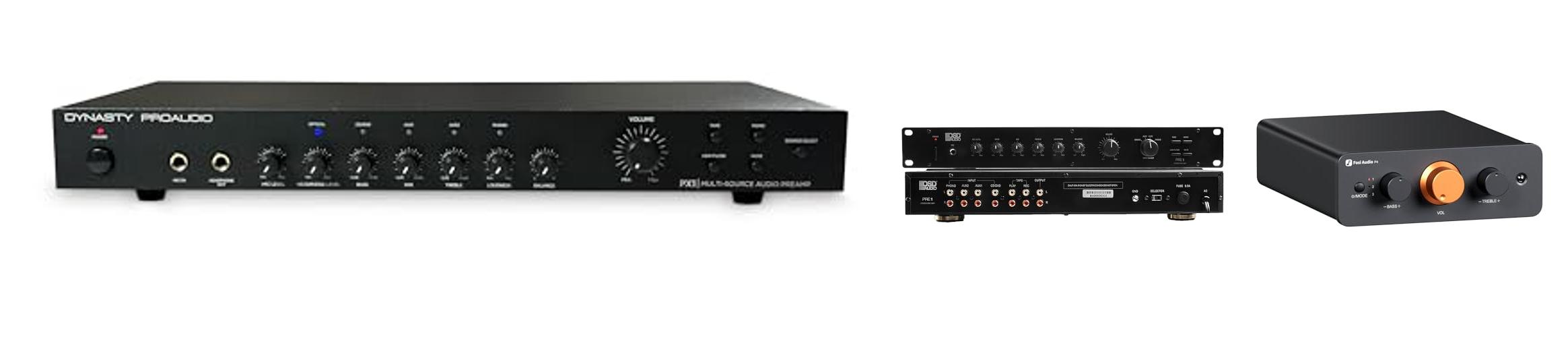
1. Dynasty ProAudio PX1 High Definition Multi-Source Hi-Fi Home Audio Stereo Preamplifier

Rating: 9.4/10
The Dynasty ProAudio PX1 High Definition Multi-Source Hi-Fi Home Audio Stereo Preamplifier brings premium sound and lots of ways to connect your gear to your home audio system. It’s built for clear sound and gives you control over your music.
What We Like:
- Super clear sound with its special low-noise design and a 3-band EQ.
- It has a wide range of sounds it can play, with no distortion.
- You can easily connect many different devices, like record players, TVs, and other audio gadgets.
- It has a special input for turntables with its own built-in preamp.
- A front microphone jack lets you plug in a mic for clear voice sound.
- It offers different output options, including a special one for subwoofers.
- The design fits into a standard 1U rack, or you can use it on a table or shelf.
- It gives you full control over your home audio setup.
What Could Be Improved:
- The manual could be a bit clearer for beginners.
- More digital input options like USB would be a great addition.
The Dynasty ProAudio PX1 is a solid choice for anyone wanting to upgrade their home audio. It offers excellent sound quality and flexibility for a great listening experience.
2. OSD Audio Pre-1 High Definition Preamplifier – Multi Source Select Phono Ready

Rating: 9.0/10
The OSD Audio Pre-1 High Definition Preamplifier – Multi Source Select Phono Ready is a smart addition to any audio setup. It’s designed to make your sound experience better.
What We Like:
- It helps you hear every detail in your music or movies.
- The preamp boosts weak microphone signals for clearer recordings.
- It has easy-to-use controls like volume, bass, and treble.
- A special low-frequency filter gives a wide and strong sound response.
- It can handle different sound sources, making it very flexible.
- The front panel has a mic jack for easy connection.
What Could Be Improved:
- For some users, the advanced features might take a little getting used to.
- It doesn’t include a phono preamplifier built-in, but it is phono ready, meaning you can connect one.
This preamp is a solid choice for anyone wanting better sound quality. It’s great for both home recording and enjoying your favorite music.
3. Fosi Audio P4 Mini Preamp with 3 RCA Inputs

Rating: 8.8/10
The Fosi Audio P4 Mini Preamp is a compact powerhouse that brings order to your home audio setup. It acts as a central hub, letting you easily connect and switch between up to three different sound sources like your CD player, music streamer, or even a turntable. This little box packs a punch, offering control over your sound with bass and treble adjustments, plus a handy remote. Its smart design makes it a great addition to any audio system, helping you get the best sound from your gear.
What We Like:
- It’s a mini control hub, letting you connect and switch between three RCA devices easily, like CD players or streamers.
- It’s practical and user-friendly, with volume, bass, and treble controls, plus a remote for easy adjustments.
- The motorized volume knob provides smooth control and helps keep your sound clean.
- It’s compact and built solidly, so it doesn’t take up much space and resists interference.
- It delivers exceptional performance with clear sound, low noise, and very little distortion.
- You can adjust the gain to three different levels (3/6/9 dB) to match your system.
What Could Be Improved:
- While it has a phono input, it might not be ideal for very high-end turntables.
- The bass and treble controls are analog, which some users might prefer to have digital options.
The Fosi Audio P4 Mini Preamp is a smart choice for anyone looking to simplify their audio setup and improve their listening experience. It offers great sound quality and useful features in a small, affordable package.
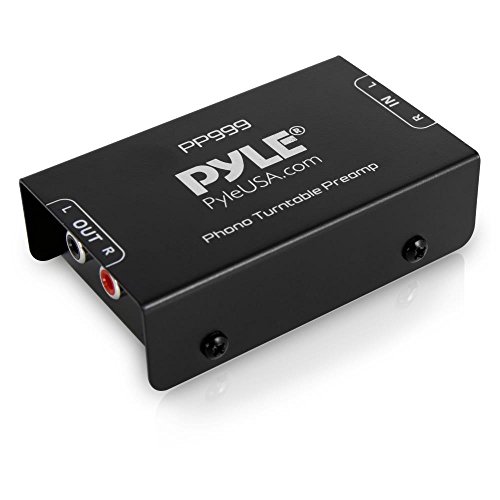
4. Pyle Mini Phono Turntable Preamp – Low Noise Stereo Preamplifier with RCA Input/Output – 12V DC Adapter – High-Fidelity Audio for Vinyl – Phonograph – Home Audio – PP999
Rating: 9.0/10
The Pyle PP999 Mini Phono Turntable Preamp is a handy gadget for anyone who loves vinyl records. It helps you connect your turntable to modern audio gear, even if your receiver doesn’t have a special phono input. This little box takes the weak signal from your turntable and makes it strong enough for your speakers, computer, or other devices to play.
What We Like:
- It easily converts phono signals from your turntable into line-level signals that most audio systems can understand.
- It uses low-noise technology, so your music sounds clear without annoying hum or buzz.
- You can connect almost any turntable to it, and then connect the preamp to your speakers, computer, or laptop.
- It’s super simple to set up. Just plug in your turntable and your audio system, and you’re ready to go.
- It comes with a 12V DC adapter, making it easy to power up.
What Could Be Improved:
- For the best sound, you need to place the preamp close to your turntable to avoid picking up extra noise.
- While it handles magnetic pickups well, users with certain types of turntables might need to check compatibility.
This Pyle preamp is a straightforward and affordable way to enjoy your vinyl collection on modern sound systems. It makes listening to your favorite records simple and clear.
5. Douk Audio Vacuum Tube Preamp: Headphone Amp with VU Meter

Rating: 9.4/10
The Douk Audio TUBE-T5C Vacuum Tube Preamp is a versatile audio device that adds a touch of vintage charm and exceptional sound quality to your home stereo system. It acts as a central hub, letting you connect multiple audio sources and enhance your listening experience. This preamp also doubles as a powerful headphone amplifier, making it a great addition for any audiophile.
What We Like:
- It lets you connect four different audio devices easily with its 4-way RCA selector. You won’t have to switch cables anymore.
- The 180V optimized tube circuit and metal-shielded power deliver super clean sound without annoying interference.
- It can power even demanding headphones, from 16 to 600 ohms, giving you rich and dynamic sound.
- You can adjust the bass and treble to get the exact sound you want.
- The vintage VU meter and glowing vacuum tubes look really cool and add a retro vibe to your setup.
- You can even change the RGB lighting to match your mood or room.
- The design focuses on keeping the audio signal pure with very low noise.
- It’s easy to upgrade the tubes and op-amps, allowing you to customize the sound even further.
What Could Be Improved:
- The user manual could be clearer for beginners trying to understand all the features.
- While the build quality is good, some users might prefer a heavier, more substantial feel for the knobs and switches.
The Douk Audio TUBE-T5C is a fantastic choice for anyone looking to upgrade their audio setup. It brings together classic tube sound with modern convenience for an enjoyable listening experience.
Your Guide to a Better Sound: Choosing a Stereo Preamplifier
A stereo preamplifier is like the conductor of your audio orchestra. It takes the weak signals from your music sources, like a record player or CD player, and makes them strong enough for your power amplifier to play through your speakers. This guide will help you pick the right one for your listening adventures.
Why You Might Need a Stereo Preamplifier
Many modern audio devices have a built-in preamplifier. However, a separate stereo preamplifier can offer better sound quality and more control over your music. If you want to unlock the best sound from your audio gear, a dedicated preamplifier is a great step.
Key Features to Look For
Inputs and Outputs: The Gates to Your Music
- Number of Inputs: More inputs mean you can connect more devices. Think about how many music sources you have now and might want in the future. Common inputs include RCA (for CD players, turntables), XLR (for professional gear), and sometimes digital inputs like USB or optical.
- Phono Input: If you love vinyl, a built-in phono input is essential. It’s specially designed to handle the delicate signal from a turntable.
- Outputs: You’ll need at least one set of outputs to connect to your power amplifier. Some preamps have multiple outputs for different setups.
Volume Control: Your Sound Master
- Smooth Operation: A good volume knob feels solid and adjusts the sound gently. Some preamps use digital controls, which can be very precise.
Tone Controls (Bass and Treble): Shaping Your Sound
- Some preamplifiers let you adjust bass and treble. This can help you fine-tune the sound to your liking or compensate for less-than-perfect recordings.
Remote Control: Convenience at Your Fingertips
- A remote control lets you adjust volume and switch inputs without leaving your seat. This is a nice convenience feature.
Important Materials: What Makes It Sound Good
Chassis: The Preamplifier’s Body
- A sturdy metal chassis is important. It helps block out unwanted electrical noise that can interfere with the sound. Cheaper plastic cases are more prone to this.
Components Inside: The Brains of the Operation
- High-quality internal components, like capacitors and resistors, make a big difference. Manufacturers often highlight these in their product descriptions.
Factors That Improve or Reduce Quality
What Makes it Better:
- Clean Power Supply: A good preamplifier has a power supply that provides stable and clean electricity to its internal parts. This reduces noise.
- Good Circuit Design: Smartly designed internal circuits help the signal stay pure and strong.
- High-Quality Damping: Materials that absorb vibrations help prevent unwanted noise from reaching the sensitive audio circuits.
What Makes it Worse:
- Electrical Interference: Poorly shielded preamplifiers can pick up hums and buzzes from other electronics.
- Cheap Components: Using low-quality parts can lead to less clear sound and a shorter lifespan for the device.
- Vibrations: If the preamplifier isn’t built to resist vibrations, these can travel through the unit and affect the sound.
User Experience and Use Cases
For the Audiophile:
- A preamplifier is for anyone who loves great sound. It’s for people who want to hear every detail in their music. Connect your turntable, CD player, or streamer, and let the preamplifier do its magic.
For the Home Theater Enthusiast:
- While often used for music, some preamplifiers can also be part of a home theater setup, especially those with advanced features or digital inputs.
Simple Setup:
- Most preamplifiers are straightforward. You connect your sources to the inputs, connect the preamplifier to your power amplifier, and then connect your speakers to the power amplifier.
Frequently Asked Questions (FAQ)
Q: What is the main job of a stereo preamplifier?
A: A stereo preamplifier boosts the weak signals from your music sources so your power amplifier can make them loud enough for your speakers.
Q: Do I really need a separate stereo preamplifier?
A: Many devices have one built-in. But a separate preamplifier can offer better sound quality and more features if you want to improve your audio system.
Q: What does a “phono input” do?
A: A phono input is specifically designed to connect a record player (turntable) and handle its special signal.
Q: How many inputs should I look for?
A: Consider how many music sources you have now and might want to add later. More inputs give you more flexibility.
Q: Can a preamplifier change the sound of my music?
A: Yes, some preamplifiers have tone controls (like bass and treble) that let you adjust the sound. The quality of the preamplifier itself also greatly affects the overall sound.
Q: Is a remote control important?
A: A remote control adds convenience. It lets you adjust volume and switch between music sources without getting up.
Q: What makes one preamplifier sound better than another?
A: Better sound comes from high-quality internal parts, a clean power supply, and smart circuit design. A sturdy build also helps reduce noise.
Q: What does “noise” mean in audio?
A: Noise is unwanted sound, like a hum or buzz, that can interfere with your music. Good preamplifiers are designed to minimize this.
Q: Can I use a stereo preamplifier with my computer?
A: Yes, if the preamplifier has a USB or digital input that your computer can connect to. This often provides better sound than your computer’s built-in audio.
Q: How difficult is it to set up a stereo preamplifier?
A: Setting up a preamplifier is usually quite simple. You connect your music sources, connect it to your power amplifier, and then connect your speakers.
In conclusion, every product has unique features and benefits. We hope this review helps you decide if it meets your needs. An informed choice ensures the best experience.
If you have any questions or feedback, please share them in the comments. Your input helps everyone. Thank you for reading.