
Have you ever felt like your favorite TV shows are just out of reach, with fuzzy pictures and dropped signals ruining your viewing experience? You’re not alone! Many people struggle to get the best possible signal from their TV antennas, especially if they live far from broadcast towers or have obstacles in the way. It can be frustrating when you just want to relax and watch something clear and crisp.
Choosing the right preamplifier for your TV antenna can feel like navigating a maze. There are so many different types and features, and it’s easy to get lost. You might wonder which one will actually make a difference, or if it’s even worth the investment. Don’t worry, we’re here to help you cut through the confusion.
In this post, we’ll break down everything you need to know about TV antenna preamplifiers. We’ll explain what they do, why they matter, and how to pick the perfect one for your home. By the end, you’ll have the knowledge to boost your TV signal and enjoy a much better picture. Get ready to finally get the clearest reception possible!
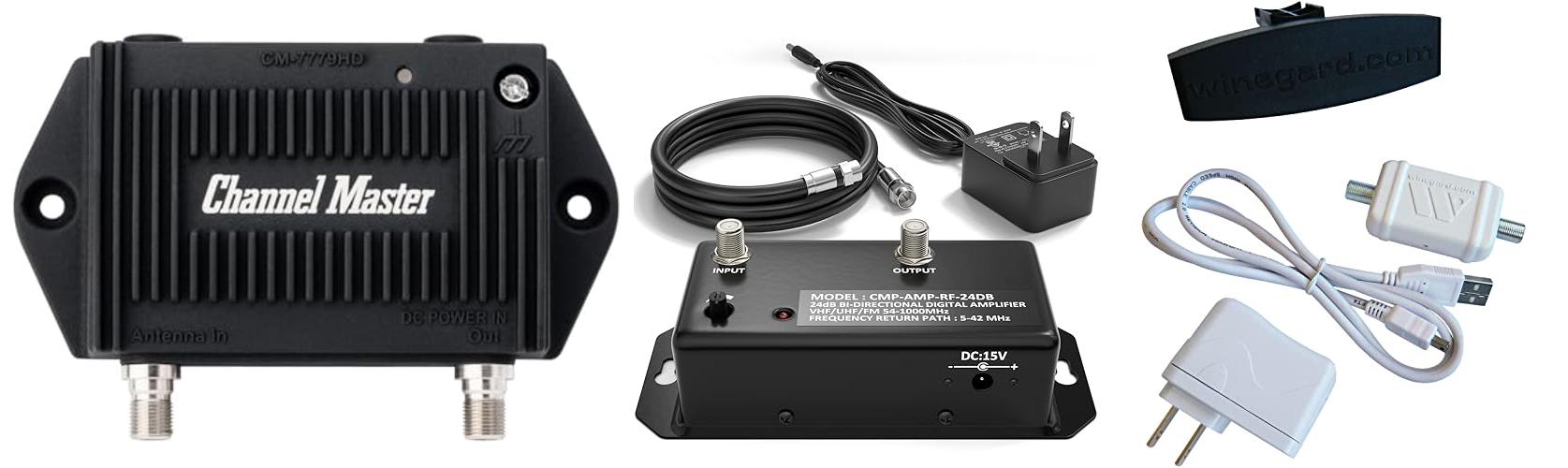
Our Top 5 Preamplifier For Tv Antenna Recommendations at a Glance
Top 5 Preamplifier For Tv Antenna Detailed Reviews
1. Channel Master TV Antenna PreAmp 1-1-Port TV Antenna Pre-Amplifier

Rating: 9.3/10
The Channel Master PreAmp 1 is a powerful tool designed to boost your TV antenna’s signal. If you’re getting a weak signal, this pre-amplifier can help make your favorite shows clearer. It works with most antennas that don’t already have a built-in amplifier. This means it’s great for improving reception in areas with weaker signals or when you have a long cable run from your antenna to your TV. It also blocks unwanted interference from cell phones and other devices.
What We Like:
- Boosts weak TV signals, making your picture clearer when installed correctly.
- Works with most non-amplified indoor and outdoor TV antennas.
- Blocks interference from 3G, 4G, and 5G smartphones and other signals with its built-in LTE filter.
- Offers higher power output than distribution amplifiers and amplified splitters, making it a better choice for weak signal areas.
- Can be used with Channel Master power-passing splitters for whole-home TV distribution.
- New design supports current and future digital TV standards like NextGen TV/ATSC 3.0 and 4K.
- Powered through the coaxial cable, so you don’t need an extra outdoor electrical outlet.
- Suitable for both commercial and residential TV antenna systems.
What Could Be Improved:
- It won’t fix problems caused by physical obstructions, interference, or multipath signals, which can happen with antennas in attics.
- For attic installations, you might need to move your antenna outside for the best results.
- The improvement might not show up on your TV’s signal meter, even though the signal is better.
- It’s not compatible with antennas that already have a built-in amplifier.
- For the best performance, it’s recommended to use it with high-quality passive antennas, coaxial cables, and connectors from Channel Master.
If you’re struggling with a weak TV signal, the Channel Master PreAmp 1 can be a game-changer. Just remember to pair it with good quality antenna equipment for the best results.
2. THE CIMPLE CO Antenna Amplifier Kit

Rating: 9.2/10
Tired of fuzzy TV and missing channels? The CIMPLE CO Antenna Amplifier Kit is here to help! This kit boosts your digital TV signal, making sure you get the clearest picture possible. It works with all sorts of TV signals, including digital (ATSC), old analog (NTSC), and even FM radio. You get an amplifier and a special RG6 coaxial cable in the box, so you have everything you need to get started.
What We Like:
- It makes your TV signal much stronger, so you get more channels and a clearer picture.
- The adjustable gain lets you fine-tune the signal for the best reception.
- It has a tough metal case that will last a long time.
- It comes with the necessary RG6 coaxial cable.
- It works with many different types of TV signals.
What Could Be Improved:
- It’s only for indoor use, so you can’t put it outside.
- For the best results, you need to set it up correctly, which might take a little effort.
This amplifier kit is a smart way to improve your TV viewing experience. By boosting your signal and providing clear reception, it ensures you don’t miss your favorite shows.
3. Winegard LNA-200 Boost XT HDTV Preamplifier

Rating: 9.0/10
Are you tired of fuzzy TV pictures and missing channels? The Winegard Boost XT LNA-200 HDTV Preamplifier might be the solution for you. This handy device works with any non-amplified TV antenna to boost your signal. It aims to give you a clearer picture, more channels, and a better overall viewing experience. This amplifier is designed to help you get the most out of your existing antenna.
What We Like:
- It makes any non-amplified antenna work better.
- It boosts both VHF and UHF signals separately for top performance.
- The Boost Clear Circuit Technology helps reduce pixelation and signal drop.
- It’s built tough and designed in the USA.
- It comes with everything you need to get started, including an adapter and power inserter.
What Could Be Improved:
- It will not work with antennas that already have an amplifier.
- It requires an antenna to function; it is not a standalone product.
- Getting more channels isn’t guaranteed and depends on other factors like your location and antenna.
If you have a non-amplified antenna and want to improve your TV signal, the Winegard Boost XT LNA-200 is definitely worth considering. It’s designed to give you a better picture and more channels by enhancing your current setup.
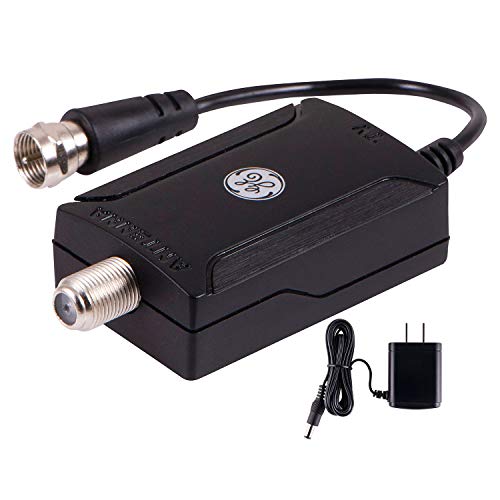
4. GE Indoor TV Antenna Amplifier
Rating: 8.6/10
The GE Indoor TV Antenna Amplifier is here to help you get the best possible TV signal. This device boosts your antenna’s signal strength. It makes sure you don’t miss your favorite shows due to a weak signal. It is designed to work with any TV and any passive antenna. Plus, it’s ready for the future, supporting full 1080p HD for amazing picture and sound quality.
What We Like:
- Boosts your TV signal for better reception and fewer dropouts.
- Works with all brands of TVs and antennas, making it very versatile.
- Supports 1080p HD, so you get a clear and sharp picture.
- Super easy to set up with its simple plug-and-play design.
- Comes with an AC power adapter, so no extra purchases are needed.
- Backed by GE’s reputation as America’s #1 antenna brand.
- Includes a limited lifetime warranty for peace of mind.
- Offers free, U.S.-based technical support from experts.
What Could Be Improved:
- This is an amplifier, so it needs to be plugged into a power outlet.
- It’s designed for indoor antennas, so it won’t help outdoor antennas.
This GE antenna amplifier is a fantastic way to improve your TV viewing experience. It’s easy to use and promises better signal quality for your HD channels.
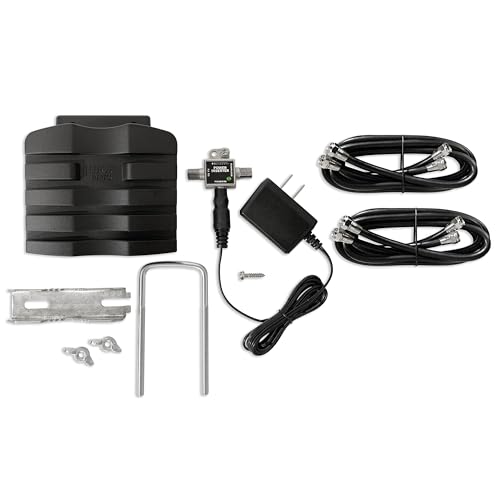
5. Antennas Direct ClearStream Juice Plus Preamplifier for TV Antennas
Rating: 9.4/10
The Antennas Direct ClearStream Juice Plus Preamplifier is your ticket to better TV reception. It boosts signals for UHF, VHF, and FM, giving you clear pictures even when reception is tough. This preamplifier is ready for the future, supporting NEXTGEN TV, 4K, and 8K Ultra HD. Its tough, weatherproof case keeps it safe from the weather. The smart design makes it easy to connect cables and install, whether it’s for your home or a professional setup.
What We Like:
- Boosts UHF, VHF, and FM signals for clearer TV.
- Supports the latest NEXTGEN TV, 4K, and 8K UHD.
- Built with a strong, weatherproof housing to protect from the elements.
- Easy-to-use design makes connecting cables and installation simple.
- Includes a true 5G filter to block unwanted interference.
- Comes with everything you need for installation, including cables and mounting hardware.
- Backed by a 90-day manufacturer warranty and made by a US-based company.
What Could Be Improved:
- The effectiveness can still be impacted by extreme distances to broadcast towers and major obstructions like thick forests or solid building materials.
This preamplifier is a solid upgrade for anyone looking to improve their over-the-air TV experience. It brings future-ready technology and robust protection, making it a worthwhile investment for clearer, more reliable reception.
Boost Your TV Signal: The Ultimate Preamplifier Buying Guide
Tired of fuzzy TV channels and dropped signals? A preamplifier for your TV antenna can be a game-changer. It’s like giving your antenna a super-powered megaphone to shout its signal louder to your TV. This guide will help you pick the right one.
What is a TV Antenna Preamplifier?
A preamplifier sits between your antenna and your TV. It takes the weak signal from the antenna and makes it stronger before it reaches your TV. This helps you get clearer reception, especially if you live far from broadcast towers or have many trees and buildings blocking the signal.
Key Features to Look For
When you shop for a preamplifier, keep these features in mind:
Gain
- What it is: Gain measures how much the preamplifier boosts the signal. It’s usually measured in decibels (dB).
- Why it matters: More gain can mean a stronger signal. But too much gain can sometimes overload your TV and cause problems. Look for a preamplifier with adjustable gain or one that offers a good balance for your area.
Noise Figure
- What it is: This tells you how much extra “noise” the preamplifier adds to the signal. A lower noise figure is better.
- Why it matters: A low noise figure means the preamplifier amplifies the TV signal without adding too much static. This results in a cleaner picture.
Frequency Range
- What it is: This is the range of TV broadcast frequencies the preamplifier can handle.
- Why it matters: Most modern TV signals are in the VHF and UHF bands. Make sure the preamplifier covers these.
Weather Resistance (for outdoor units)
- What it is: If you plan to mount the preamplifier outside near your antenna, it needs to withstand rain, sun, and extreme temperatures.
- Why it matters: This keeps your preamplifier working for a long time.
Power Source
- What it is: Preamplifiers need power. Some get power through the coaxial cable from a special power inserter. Others might need a separate power adapter.
- Why it matters: Choose a power method that is convenient for your setup.
Important Materials
The materials used in a preamplifier can affect its performance and durability.
- Circuit Boards: High-quality circuit boards help ensure stable signal processing.
- Connectors: Sturdy, well-made coaxial connectors (like F-connectors) prevent signal loss and keep out moisture.
- Housing: For outdoor units, durable, weather-resistant plastic or metal keeps the electronics safe from the elements.
Factors That Improve or Reduce Quality
Several things can make your preamplifier work better or worse.
Improving Quality:
- Placement: Putting the preamplifier as close to the antenna as possible is crucial. This amplifies the signal when it’s strongest.
- Proper Installation: Making sure all connections are tight and secure helps prevent signal loss.
- Shielding: Good shielding in the preamplifier and its housing protects the signal from interference from other electronic devices.
Reducing Quality:
- Excessive Gain: As mentioned, too much gain can distort the signal.
- Poor Quality Components: Cheaply made preamplifiers might use low-quality parts that add more noise.
- Long Coaxial Cable Runs: Long cables between the antenna and TV can weaken the signal, even with a preamplifier.
- Interference: Other electronic devices nearby can sometimes interfere with the preamplifier’s signal.
User Experience and Use Cases
Using a preamplifier is usually straightforward.
For the Everyday Viewer:**
* **Problem:** You live in a rural area or a city with tall buildings, and your favorite channels are often pixelated or disappear.
* **Solution:** A preamplifier can boost the signal, giving you a clear, stable picture for all your favorite shows.
For the Tech-Savvy Enthusiast:**
* **Problem:** You want to get the absolute best reception possible and fine-tune your TV setup.
* **Solution:** Adjustable gain and low noise figures allow you to optimize the signal for your specific location and antenna.
Installation:**
Most preamplifiers are installed by connecting them in-line with your existing antenna’s coaxial cable. You’ll typically unscrew the cable from your TV and connect it to the preamplifier’s input, then connect another cable from the preamplifier’s output to your TV. If it’s an outdoor unit, it mounts near the antenna mast.
* **Problem:** You want to get the absolute best reception possible and fine-tune your TV setup.
* **Solution:** Adjustable gain and low noise figures allow you to optimize the signal for your specific location and antenna.
Installation:**
Most preamplifiers are installed by connecting them in-line with your existing antenna’s coaxial cable. You’ll typically unscrew the cable from your TV and connect it to the preamplifier’s input, then connect another cable from the preamplifier’s output to your TV. If it’s an outdoor unit, it mounts near the antenna mast.
—
Frequently Asked Questions (FAQ)
Q: Do I really need a preamplifier for my TV antenna?
A: You might need one if you live far from broadcast towers, have signal issues, or many obstructions. It helps make weak signals stronger.
Q: Will a preamplifier give me more channels?
A: It doesn’t create new channels. It helps your TV receive the channels that are already broadcasting more clearly.
Q: Where should I install the preamplifier?
A: For best results, install it as close to your antenna as possible, before the signal travels down a long cable.
Q: Can I use a preamplifier with any TV antenna?
A: Yes, most preamplifiers work with most passive TV antennas. Make sure the connectors match.
Q: What’s the difference between a preamplifier and a distribution amplifier?
A: A preamplifier boosts a weak signal from the antenna. A distribution amplifier boosts a signal to send it to multiple TVs.
Q: How do I know if my preamplifier is working?
A: You should see an improvement in picture quality, fewer pixelations, and more stable reception on your TV channels.
Q: Can a preamplifier cause interference?
A: A poorly designed or overly powerful preamplifier could potentially add noise or interference. Choosing a quality unit with a low noise figure is important.
Q: Do I need to power my preamplifier?
A: Yes, most preamplifiers need a power source. This often comes through the coaxial cable using a power inserter.
Q: Can I install a preamplifier myself?
A: Yes, installation is usually quite simple. It involves connecting cables in-line with your antenna setup.
Q: How much do preamplifiers cost?
A: Prices can range from $20 to $100 or more, depending on the features and brand.
In conclusion, every product has unique features and benefits. We hope this review helps you decide if it meets your needs. An informed choice ensures the best experience.
If you have any questions or feedback, please share them in the comments. Your input helps everyone. Thank you for reading.