
Imagine this: you’re parked in a beautiful, remote spot, the stars are out, and you want to brew a hot cup of coffee. But wait, your motorhome’s outlets aren’t working for your coffee maker. That’s where a power inverter comes in, turning your motorhome’s battery power into the electricity your appliances need. But choosing the right one can feel like a puzzle. So many numbers, so many types – it’s easy to feel lost and worried about picking the wrong one.
This guide is here to help you solve that puzzle. We’ll break down exactly what you need to know to find a power inverter that will keep your motorhome running smoothly. You’ll learn how to figure out how much power you need, what the different inverter types mean, and what features are important. By the end, you’ll feel confident in choosing an inverter that powers your adventures, from your morning coffee to your evening movie.
Our Top 5 Power Inverter For Motorhome Recommendations at a Glance
Top 5 Power Inverter For Motorhome Detailed Reviews
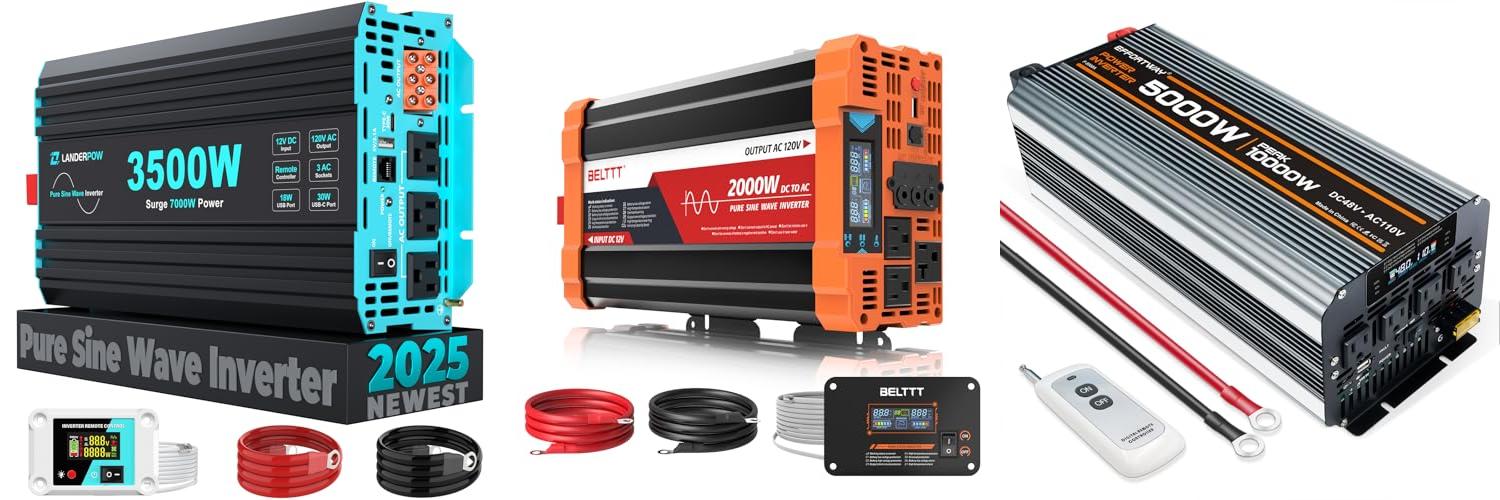
1. LANDERPOW Pure Sine Wave 3500W Power Inverter 12V DC to 120V AC for RV

Rating: 8.8/10
The LANDERPOW Pure Sine Wave 3500W Power Inverter is a powerful and versatile tool. It can convert your 12V DC power into clean 120V AC power, just like what you get from your wall outlet. This makes it ideal for powering all sorts of devices, from your RV and truck to your home during an outage or if you’re living off the grid. It’s built tough and designed to handle demanding jobs.
What We Like:
- Provides 3500W of continuous power and a 7000W surge, perfect for starting up appliances like microwaves and even window AC units.
- Delivers pure sine wave power, which is safe for all your sensitive electronics like laptops and CPAP machines, preventing damage and ensuring they work as intended.
- Offers multiple ways to connect your devices: 3 standard AC outlets, a hardwire terminal for high-current needs, a fast-charging 30W USB-C port, and a 5V 3.1A USB port.
- Comes with high-quality, thick 1AWG battery cables that ensure safe operation and better efficiency.
- Includes a 15ft wired remote control with a smart LED screen to easily monitor battery levels, output power, and any errors, allowing for quick adjustments.
- Built with robust metal casing and multiple safety features like overload and short circuit protection, making it durable for tough environments.
- Offers an impressive 3-year warranty, including a 1-year replacement and 2-year extended support, plus clear instructions and responsive customer service.
What Could Be Improved:
- While it handles heavy loads, users might need to ensure their 12V battery system can adequately support the sustained 3500W draw for extended periods.
This LANDERPOW inverter is a reliable and feature-rich solution for anyone needing portable AC power. Its robust build and comprehensive safety features make it a solid investment for various applications.
2. BELTTT 2000W Pure Sine Wave Inverter

Rating: 9.3/10
The BELTTT 2000W Pure Sine Wave Inverter is a powerful tool that turns your 12V DC power into 110V-120V AC power. This makes it great for powering electronics in your RV, truck, or even when you’re camping. It can handle both regular use and sudden power demands. Plus, its design helps your devices last longer and work better.
What We Like:
- It provides a strong 2000W of continuous power and can handle 4000W of surge power, perfect for starting up appliances.
- The pure sine wave output is safe for sensitive electronics like TVs and stereos, just like the power from your house.
- The smart LCD screen shows you important information like voltage and battery status, helping you spot problems quickly.
- It has lots of ways to connect your devices, including dual AC sockets, a 20A outlet, a USB port, and a hardwire port.
- A long 23-foot remote controller lets you manage the inverter from a distance.
- Multiple safety features like protection against low/high voltage, overload, and short circuits keep your devices and the inverter safe.
- The sturdy aluminum and plastic casing is built to last.
What Could Be Improved:
- While it offers great power, some users might find the initial setup slightly more complex than simpler inverters.
- The 20A socket is a good addition, but for very high-demand appliances, a higher amperage socket might be desired.
This BELTTT inverter offers a robust and versatile power solution for various needs. It’s a reliable choice for anyone needing dependable AC power on the go.
3. Power Inverter DC 48V to AC 110V/120V Converter with.Comes with LCD Display

Rating: 9.1/10
This 48V 5000W Power Inverter is a powerful tool for anyone needing to convert DC power to AC power. It’s built for demanding situations like powering RVs, off-grid solar systems, and even for emergency home backup. You get a reliable 5000 watts of continuous power and a surge of 10000 watts, which is plenty for many appliances.
What We Like:
- It offers strong, steady power with over 90% efficiency, meaning less wasted energy.
- The included wireless remote control and clear LCD display make it super easy to check your power status and control the inverter from a distance.
- It has a wide range of uses, from camping trips to keeping your home powered during an outage.
- Safety is a big plus with built-in protection against overloads, overheating, and short circuits.
- The durable aluminum alloy construction means it’s built to last.
- It comes with all the essential cables and a 12-month warranty for peace of mind.
What Could Be Improved:
- The instructions for using the wireless remote require a specific sequence (inverter off, then remote on) which could be clearer.
- Potential users need to carefully check their appliance power needs and how they install the inverter before use.
This inverter is a robust and versatile solution for your power needs, offering convenience and safety.
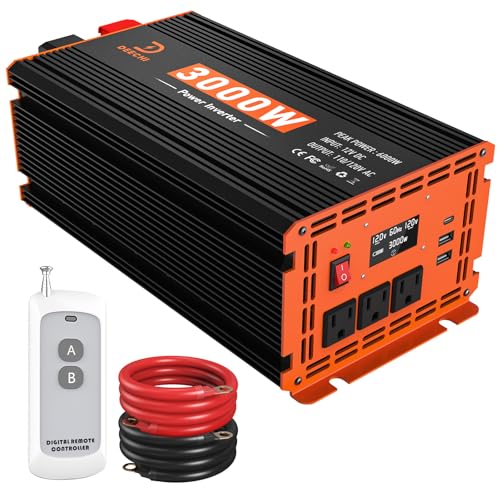
4. 3000W Power Inverter 12V DC to 110V/120V AC Converter for RV/Truck/Boat/Camping/Off-Grid Solar Car Power Inverter Peak Power 6000W with 3 AC Outlets
Rating: 8.8/10
The DEECHI 3000W Power Inverter is a powerful and versatile tool for anyone needing reliable AC power from a 12V DC source. It’s designed for use in RVs, trucks, boats, camping trips, and off-grid solar setups, offering both continuous and peak power to run a variety of devices. With multiple outlets, including USB and Type-C, and advanced safety features, this inverter aims to provide convenience and peace of mind.
What We Like:
- It provides a strong 3000W of continuous power and 6000W of peak power, which is great for running many appliances.
- The inverter has 3 AC outlets, plus USB and Type-C ports, making it easy to charge and power different devices.
- Safety is a big plus, with many built-in protections like over-voltage, short circuit, and overheat protection.
- The LCD screen clearly shows important information like voltage and power usage.
- The 200ft remote control is very handy, allowing you to manage the inverter from a distance.
- It operates quietly, with noise levels below 30dB, so it won’t be disruptive.
- Installation is straightforward with the included pure copper cables.
What Could Be Improved:
- The description doesn’t mention the inverter’s weight or exact dimensions, which could be helpful for planning installation.
- While it mentions a rugged housing, more details on the specific materials used for drop and impact resistance would be beneficial.
This DEECHI power inverter offers robust performance and user-friendly features for various mobile and off-grid power needs. It’s a solid option for reliable electricity on the go.
5. Cantonape 3000W Power Inverter 12V to 110V/120V DC to AC with LCD Display

Rating: 9.4/10
Power up your adventures and keep your devices running with the Cantonape 3000W Power Inverter. This robust inverter transforms your car’s 12V DC power into standard 110V/120V AC, perfect for running appliances on the go. Whether you’re camping, on a road trip, or need backup power, this inverter has you covered with its multiple outlets and USB ports.
What We Like:
- It’s powerful! It gives you 3000 Watts of continuous power and 6000 Watts of surge power.
- You can plug in a lot of things with 4 AC outlets and 4 USB ports.
- The LCD screen shows you important information like voltage and battery life. It also tells you if there’s a problem.
- A remote control makes it easy to turn the inverter on and off from a distance.
- It has many safety features to protect your devices and batteries, like overload and short circuit protection.
- The aluminum body is tough and helps keep the inverter cool.
- It’s great for many uses, from running a hair dryer to a small microwave in your car, truck, boat, or RV.
What Could Be Improved:
- The remote control needs a 12V 23A battery, which isn’t included.
- The inverter uses modified sine wave power, which might not be ideal for all sensitive electronics.
This Cantonape power inverter is a fantastic tool for anyone needing reliable power away from home. Its user-friendly design and strong safety features make it a solid choice for various applications.
Choosing the Right Power Inverter for Your Motorhome Adventure
Taking your motorhome out for a spin means you want all the comforts of home, right? That includes powering your electronics. A power inverter is your ticket to using your 12-volt battery power to run your regular household appliances. But with so many options, how do you pick the best one? Let’s dive in!
Key Features to Look For
1. Wattage: The Heart of the Inverter
Wattage tells you how much power the inverter can deliver. You need to know what appliances you plan to run. A small coffee maker might need 500 watts, while a microwave could need 1000 watts or more. Always aim for an inverter with a higher wattage than you think you’ll need. This prevents the inverter from overheating or shutting down.
2. Wave Type: Pure vs. Modified
This is super important for your electronics.
- Pure Sine Wave: These inverters make power that’s just like the power from your wall outlet. They are best for sensitive electronics like laptops, medical equipment, and some TVs. They cost more but protect your gear.
- Modified Sine Wave: These inverters make a “choppy” power wave. They work fine for simple things like fans or lights. However, they can damage or cause some electronics to hum or not work correctly.
For most motorhome users, a pure sine wave inverter is the safer and better choice.
3. Efficiency Rating: Less Waste, More Power
An inverter’s efficiency rating shows how much of your battery’s power it actually uses to run your devices. A higher efficiency rating (like 85-90%) means less power is wasted as heat. This helps your batteries last longer.
4. Safety Features: Protect Your Investment
Look for inverters with built-in safety features. These include:
- Overload protection: Stops the inverter if too much power is drawn.
- Short circuit protection: Prevents damage if wires touch.
- Over-voltage and under-voltage protection: Keeps the inverter from being damaged by bad battery voltage.
- Over-temperature protection: Shuts the inverter down if it gets too hot.
These features keep you and your motorhome safe.
Important Materials and Build Quality
A good power inverter is built to last. You’ll often see them with sturdy metal casings, usually aluminum. This helps dissipate heat. Look for good wiring connections and a solid feel. The cooling fans should also seem robust. A well-built inverter can handle the vibrations and bumps of travel.
Factors That Improve or Reduce Quality
Improving Quality:
- Reputable Brands: Stick with well-known brands that have good reviews.
- Pure Sine Wave Technology: As mentioned, this is a big quality booster for your devices.
- Robust Cooling Systems: Good fans and heat sinks prevent overheating.
- High Efficiency: More power for your devices, less wasted.
Reducing Quality:
- Cheap, Unbranded Inverters: These often fail quickly and can harm your electronics.
- Modified Sine Wave for Sensitive Devices: This is a recipe for disaster for your laptop.
- Poorly Made Casing or Connections: These won’t last long on the road.
- Low Efficiency: You’ll drain your batteries faster.
User Experience and Use Cases
Imagine waking up and brewing your morning coffee with your favorite machine, or watching TV on a rainy afternoon. A power inverter makes this possible. You can charge your phones and laptops, run a small fan, use a blender for smoothies, or even power a small medical device. The key is matching the inverter’s capability to your needs.
For weekend warriors who just need to charge devices, a smaller modified sine wave inverter might suffice. However, for full-time RVers or those who want to run more demanding appliances like a microwave or hairdryer, a larger, pure sine wave inverter is essential. Think about what you absolutely can’t live without.
Frequently Asked Questions (FAQ) About Motorhome Power Inverters
Q: What is the most important thing to consider when buying a power inverter?
A: The most important thing is matching the inverter’s wattage and wave type to the appliances you want to power.
Q: Do I need a pure sine wave inverter for my motorhome?
A: It’s highly recommended, especially if you plan to run sensitive electronics like laptops, TVs, or medical devices. Modified sine wave inverters can damage these items.
Q: How do I calculate the wattage I need?
A: Check the power label on each appliance. Add up the wattage of all the devices you want to run at the same time. Then, add a buffer of about 20% for surge power.
Q: Can I run a microwave with a power inverter?
A: Yes, but you’ll need a powerful inverter (usually 1000 watts or more) and a good battery bank to support it. Microwaves use a lot of power.
Q: How long will my batteries last with an inverter?
A: This depends on the inverter’s efficiency, the battery capacity, and how much power your appliances use. A more efficient inverter and fewer high-power devices will make your batteries last longer.
Q: What’s the difference between a DC to AC inverter and a power inverter?
A: They are the same thing. A power inverter takes the DC (direct current) power from your motorhome’s batteries and converts it to AC (alternating current) power that your household appliances use.
Q: Can I use a cheap inverter to save money?
A: It’s generally not a good idea. Cheap inverters often have lower efficiency, fewer safety features, and can damage your electronics, costing you more in the long run.
Q: How do I install a power inverter?
A: Installation usually involves connecting the inverter’s DC input terminals directly to your motorhome’s battery terminals using appropriate gauge wires. It’s often best to have a qualified technician do the installation to ensure safety.
Q: What are “surge watts”?
A: Surge watts are the extra burst of power an inverter can provide for a short time when an appliance starts up (like a refrigerator compressor). Your inverter should have a higher surge wattage rating than its continuous wattage rating.
Q: Where should I place my power inverter in my motorhome?
A: Place it in a cool, dry, and well-ventilated area. Avoid enclosed spaces where heat can build up. It should also be close to your battery bank to minimize power loss in the cables.
In conclusion, every product has unique features and benefits. We hope this review helps you decide if it meets your needs. An informed choice ensures the best experience.
If you have any questions or feedback, please share them in the comments. Your input helps everyone. Thank you for reading.