
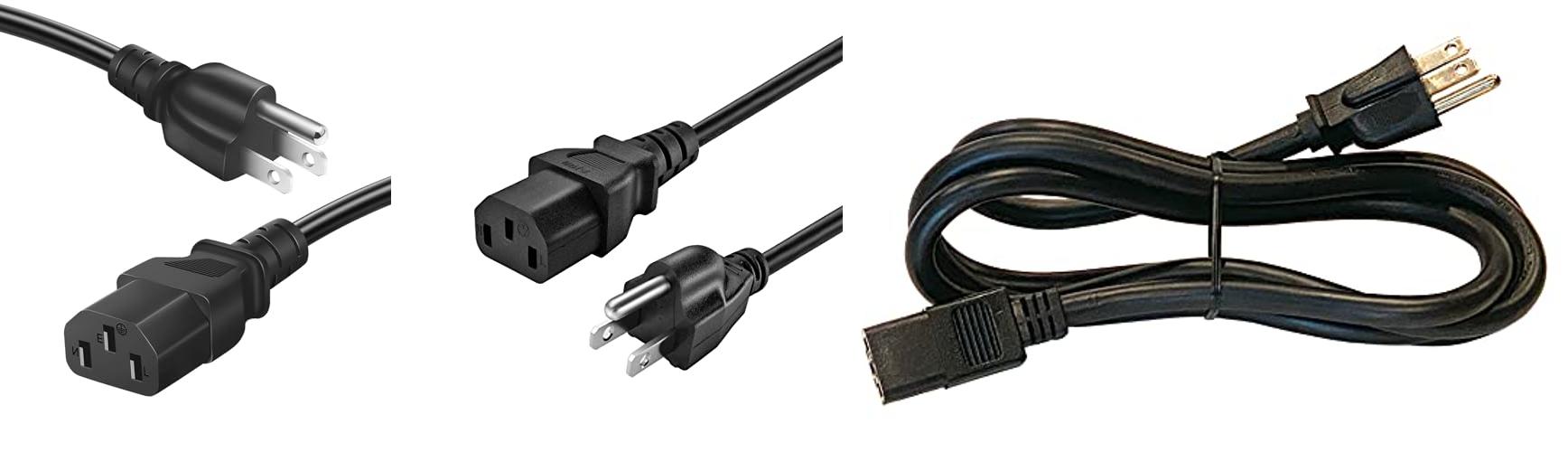
Imagine you’re about to plug in your beloved guitar amplifier for a practice session, only to realize the power cord is frayed or missing. That sinking feeling? It’s a common frustration for guitarists everywhere. Choosing the right power cord might seem like a small detail, but it can actually impact your sound and, more importantly, your safety.
The world of power cords can be confusing. You see different lengths, plug types, and even claims about how they affect your tone. It’s easy to get lost in the technical jargon and wonder if any cord will do. But picking the wrong one could lead to buzzing sounds, a tripped breaker, or even worse. You want your amp to perform its best and for you to play without worry.
This post is here to clear the air. We’ll break down what you need to know about power cords for guitar amplifiers. You’ll learn how to identify the right type for your amp, understand the key features to look for, and discover why a good power cord is more than just a simple wire. By the end, you’ll feel confident in your choice and ready to rock with peace of mind.
Our Top 5 Power Cord For Guitar Amplifier Recommendations at a Glance
Top 5 Power Cord For Guitar Amplifier Detailed Reviews
1. Power Cord Cable for Amplifier Musical Peavey Vox Guitar Amp PC AC Amplifiers

Rating: 9.4/10
This 6-foot universal AC power cord is designed to reliably connect your musical gear and other electronics. It’s built with tough materials and meets important safety standards. This cable ensures your amplifiers, speakers, and computers get the power they need without worry.
What We Like:
- Wide Compatibility: It works with many popular amplifier brands like Peavey, Vox, Marshall, and Fender. It also fits PC power supplies and ION speaker systems. If your device has a 3-prong plug, this cord likely fits.
- Extra Length: The 6-foot cord gives you more freedom to place your equipment where you want it. You won’t be stuck close to an outlet.
- Premium Quality: The cable has a strong PVC cover and a pure copper wire inside. This makes it conduct electricity better. It performs 30% better than regular AC cables.
- Excellent Safety: It’s UL Listed, meaning it’s safe to use. The cord resists heat and flames. It’s also built to last and bend many times without breaking.
- Great Customer Service: The company offers good support from when you buy it to after you receive it. They want you to be happy with your purchase.
What Could Be Improved:
- Specific Connector Type: While it’s a universal 3-prong cable, it’s important to double-check that the C13 connector end is the correct one for your specific device.
This power cord is a solid choice for powering your musical gear. Its durability and safety features offer peace of mind for any user.
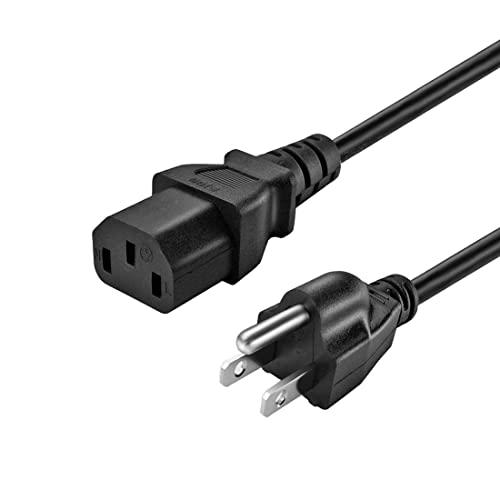
2. Amplifier Power Cord for ION Block Rocker
Rating: 9.3/10
Is your ION Block Rocker or portable speaker system suddenly silent? Don’t let a faulty power cord stop the music! This heavy-duty 3-prong replacement power cable is designed to bring your favorite ION speakers, like the Block Rocker, Job Rocker, and Explorer, back to life. It’s also a perfect fit for many guitar amplifiers, including popular brands like Fender and Marshall, as long as they use a 3-slot power connection. Get your sound system powered up and ready for your next jam session or party.
What We Like:
- It works perfectly with a wide range of ION portable speaker systems.
- It’s also compatible with many guitar amplifiers, making it versatile.
- The cord is UL Listed, meaning it’s tested and safe to use.
- It’s built with strong materials that resist bending and heat.
- The 6-foot length gives you plenty of room to connect your devices.
What Could Be Improved:
- Users need to double-check the connector picture to ensure it fits their specific amplifier.
This power cord is a reliable and safe replacement for your ION speakers and guitar amps. It’s a great way to ensure your music never misses a beat.
3. Heavy Duty 6 Foot 14 AWG AC 3 Prong Power Cord for Guitar Amplifier Musical Amp PC and More

Rating: 8.9/10
This Heavy Duty 6 Foot 14 AWG AC 3 Prong Power Cord is a reliable choice for powering your gear. It’s built tough to handle the demands of musical setups and everyday electronics. The 6-foot length gives you enough reach without being too long. This cord is designed to safely deliver power to your guitar amplifier, musical amp, PC, and other devices.
What We Like:
- The 14 AWG wire is thick and strong. This means it can handle more power safely.
- It’s a 6-foot cord, which offers a good amount of flexibility for placement.
- The 3-prong design provides a secure connection.
- It’s rated for 15A / 125V, making it suitable for many common electronics.
- UL Approval gives peace of mind that it meets safety standards.
What Could Be Improved:
- While sturdy, it’s not the most flexible cord on the market.
- The 6-foot length might be too short for some users with distant outlets.
This power cord is a solid and dependable option for keeping your equipment powered. It offers good value and ensures a safe connection for your important devices.
4. 8ft Power Cord for Fender Champion 20 40 100 Guitar Amplifier Electric Guitar Amplifier 3 Prong Power Cord Replacement AC Cable

Rating: 9.2/10
Is your Fender Champion amp’s power cord looking a little worse for wear? Or maybe you just need a little more wiggle room between your amp and the wall outlet? This 8ft Power Cord Replacement AC Cable is exactly what you need. It’s designed specifically for Fender Champion 20, 40, and 100 guitar amplifiers. This sturdy, three-prong cord is built to last and will get your amp powered up and ready to rock.
What We Like:
- It’s a direct replacement for old, broken, or lost power cords.
- The 8-foot length gives you more flexibility in setting up your gear.
- It’s rated for 125V and 10A, making it safe and reliable for your amp.
- The C13 connector plugs securely into your amplifier.
- It’s an affordable solution to keep your music going.
What Could Be Improved:
- While it’s a great replacement, it’s not an official Fender part, which some purists might prefer.
- The 18AWG wire gauge is standard, but for extremely long runs or higher power amps, a thicker gauge might offer a tiny bit more peace of mind.
This power cord is a practical and budget-friendly way to ensure your Fender Champion amplifier stays connected and playable. Get back to making music without worrying about your power source.
5. Electric Guitar Amplifier Power Cord Replacement for Fender Rumble 40 25 100 200 15 500

Rating: 8.7/10
Is your Fender amplifier’s power cord giving you trouble? This heavy-duty, 3-prong replacement cord is designed to bring your Fender Rumble or Mustang amp back to life. It’s built tough to handle the demands of gigging musicians and home practice alike. With a 5-foot length, it offers a good amount of reach for setting up your gear.
What We Like:
- Wide Compatibility: This cord works with many Fender amps, including the Rumble series (40, 25, 100, 200, 15, 500) and Mustang models (LT25, GT-40, GT-100). It also fits Bassbreaker amplifiers.
- Durable Build: The 18AWG wire gauge and 10A rating mean this cord is built to last and safely deliver power. It’s a heavy-duty option that won’t overheat.
- Standard Connections: It features a NEMA 5-15P plug for your wall outlet and a C13 connector for your amplifier, which are standard and easy to use.
- Convenient Length: The 5-foot (1.5 meters) length is practical for most setups.
What Could Be Improved:
- Specific Model Confirmation: While the list is extensive, always double-check your specific amp model’s power input to ensure a perfect fit.
This power cord replacement is a reliable solution to get your Fender amplifier powered up and ready to rock. It’s a solid choice for anyone needing a dependable replacement.
Your Guitar Amp Needs a Great Power Cord: The Essential Buying Guide
Why Your Guitar Amp’s Power Cord Matters
Your guitar amplifier is the heart of your sound. It takes your guitar’s signal and makes it loud and clear. But even the best amp won’t work without a good power cord. A strong power cord keeps your amp fed with clean electricity. This helps your amp sound its best and keeps it safe.
Key Features to Look For
1. Plug Type
Most guitar amps use a standard three-prong plug. This plug has two flat blades and a round ground pin. Make sure the plug on your new cord matches the outlet where you will plug it in. Some older amps might have a two-prong plug. Always check your amp’s power input before buying a cord.
2. Cord Length
Think about where you play. Do you need to reach across a big stage? Or just plug in at home? Longer cords give you more freedom to move. Shorter cords can be less messy. A good length is usually between 6 and 15 feet. Consider your space and how much room you need.
3. Durability and Build Quality
A good power cord should feel sturdy. It should not feel flimsy or cheap. Look for a cord that is thick and well-made. This means it can handle being moved around and stepped on sometimes. A strong cord lasts longer and protects your amp.
4. Safety Certifications
Look for safety marks like UL or ETL. These mean the cord has been tested and meets safety rules. This is very important for electrical items. It helps prevent fires or shocks.
Important Materials
1. Wire Gauge (Thickness)
The thickness of the wire inside the cord is called its gauge. A lower gauge number means a thicker wire. Thicker wires carry more electricity safely. For guitar amps, a 14-gauge or 12-gauge cord is usually best. This ensures your amp gets enough power without overheating the cord.
2. Insulation and Jacket Material
The outside of the cord is its jacket. It protects the wires inside. Good jackets are made of tough rubber or PVC. This material should be flexible but also strong. It stops the wires from getting damaged. It also keeps you safe from electric shock.
3. Plug Material
The plugs at each end should be made of strong plastic. They should fit snugly into your amp and the wall outlet. Metal contacts inside the plug should be clean and make good contact.
Factors That Improve or Reduce Quality
What Makes a Cord Better:
- Heavy-duty construction: This means the cord is built to last.
- Shielding: Some cords have extra shielding. This can help reduce electrical noise.
- Reinforced connectors: Where the cord meets the plug, it should be strong. This stops the cord from breaking there.
What Makes a Cord Worse:
- Thin, cheap wires: These can overheat and cause problems.
- Poorly made plugs: These can fall out or not make good contact.
- Flimsy insulation: This can crack or tear easily.
- No safety certifications: This means the cord might not be safe.
User Experience and Use Cases
For a gigging musician, a durable, long cord is a lifesaver. You can move around the stage freely. You don’t worry about the cord pulling out. For a home player, a cord with good noise reduction can make a big difference. It helps keep your playing clean. Even for practice, a safe and reliable cord protects your gear.
Choosing the right power cord is an easy way to improve your sound and protect your equipment. Don’t overlook this important part of your setup!
Frequently Asked Questions (FAQ)
Q: What is the most important thing to look for in a guitar amp power cord?
A: The most important thing is safety. Make sure the cord has safety certifications like UL or ETL. Also, check that the plug type matches your amp and outlets.
Q: Should I buy a thicker or thinner power cord?
A: You should buy a thicker cord. Look for a lower gauge number, like 14-gauge or 12-gauge. Thicker cords carry power better and stay cooler.
Q: How long should my guitar amp power cord be?
A: It depends on where you play. For home use, 6-10 feet is often enough. For gigs, 10-15 feet gives you more space to move.
Q: Can a bad power cord hurt my amplifier?
A: Yes, a bad power cord can hurt your amplifier. It might not send enough clean power. It could even cause damage due to overheating or electrical issues.
Q: What does “gauge” mean for a power cord?
A: Gauge refers to the thickness of the wire inside the cord. A lower gauge number means a thicker wire. Thicker wires are better for carrying electricity.
Q: Is it okay to use a regular computer power cord for my guitar amp?
A: It might work if the plug type is the same. However, guitar amps can use more power. A cord made for amps is usually thicker and safer for that job.
Q: What are those certification marks like UL or ETL?
A: UL and ETL are safety marks. They show that the product has been tested by an independent company. It meets safety rules for electrical products.
Q: Do I need a special power cord for a bass amp?
A: Bass amps can use a lot of power. It’s best to use a power cord that is built for amplifiers. Check your bass amp’s manual for specific recommendations.
Q: How can I tell if my current power cord is bad?
A: If your cord feels hot, looks frayed or cracked, or if your amp cuts in and out, your cord might be bad. Replace it if you see any damage.
Q: Where should I buy a good power cord?
A: You can buy good power cords at music stores, electronics stores, or online. Look for reputable brands and check reviews.
In conclusion, every product has unique features and benefits. We hope this review helps you decide if it meets your needs. An informed choice ensures the best experience.
If you have any questions or feedback, please share them in the comments. Your input helps everyone. Thank you for reading.