
Ever feel like your games and music are missing something? That deep rumble that makes explosions feel real or basslines vibrate through you? You’re probably missing a subwoofer. It’s the secret weapon for amazing sound, but picking the right one for your PC can feel like a confusing quest.
So many choices! Do you need a big one? A small one? What even makes a good subwoofer? It’s easy to get lost in technical terms and end up with something that doesn’t quite hit the mark. You want that powerful sound, but you don’t want to waste your money or your time.
This post is here to help you cut through the noise. We’ll break down what makes a PC subwoofer great and show you how to find the perfect match for your setup. By the end, you’ll know exactly what to look for to bring that awesome, booming sound to your desktop.
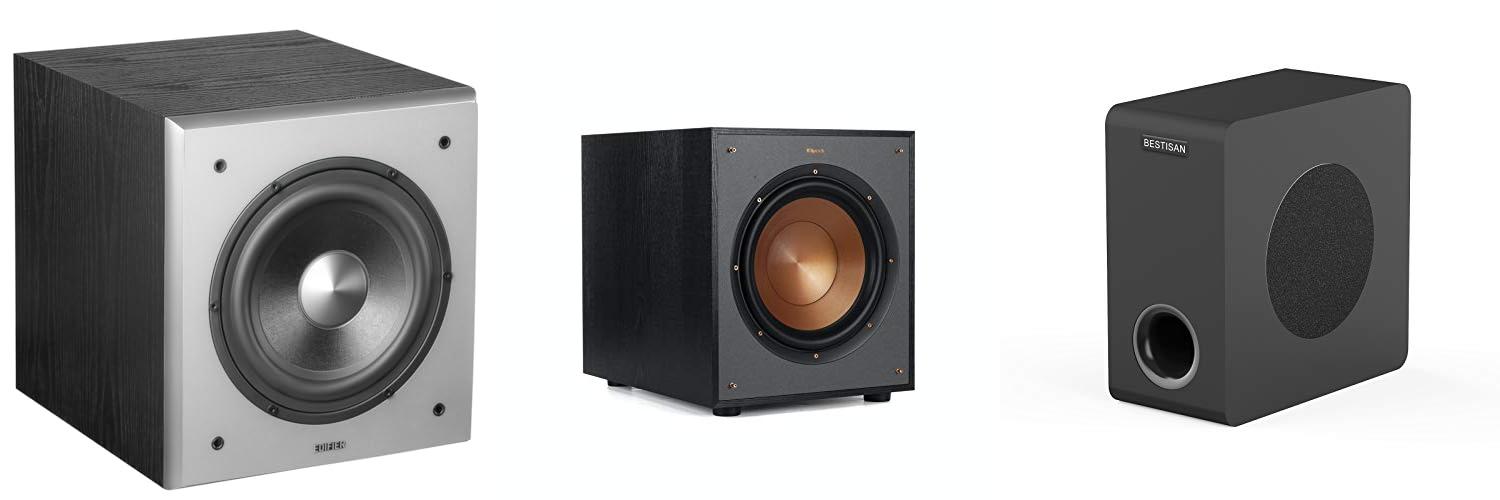
Our Top 5 Pc Subwoofer Recommendations at a Glance
Top 5 Pc Subwoofer Detailed Reviews
1. Edifier T5 Powered Subwoofer – 70w RMS Active Woofer with 8 inch Driver and Low Pass Filter

Rating: 9.3/10
The Edifier T5 Powered Subwoofer brings a whole new level of sound to your home audio. Its 70-watt RMS power and 8-inch driver work together to create deep, clear bass that you can feel. This subwoofer is designed to make your music and movies sound richer and more immersive.
What We Like:
- The 8-inch speaker driver delivers powerful sound and accurate bass for a better listening experience.
- The low pass filter, with a frequency response down to 38Hz, makes sure your woofer handles the lowest sounds. This adds great bass that complements your main speakers.
- The thick MDF wooden enclosure reduces unwanted sound reflections, leading to clearer audio quality.
- An automatic standby feature saves electricity by turning the woofer off when it’s not in use.
- The robust build quality ensures this subwoofer is durable and performs well for a long time.
What Could Be Improved:
- The 70-watt RMS power might be a bit limited for very large rooms or for users who want extremely loud bass.
- While the 8-inch driver is good, some audiophiles might prefer a larger driver for even deeper bass extension.
Overall, the Edifier T5 is a solid choice for anyone wanting to add impactful bass to their audio system. It offers great value and noticeable improvements to your sound.
2. Klipsch R-100SW 10″ Subwoofer

Rating: 9.2/10
Get ready to feel the rumble! The Klipsch R-100SW 10″ Subwoofer delivers incredibly deep bass that will transform your home theater or music listening experience. Its powerful all-digital amplifier and front-firing woofer work together to create a truly immersive sound. This subwoofer is designed for easy setup and maximum compatibility with your existing audio gear.
What We Like:
- Powerful sound with a 10″ spun-copper woofer for deep, clear bass.
- The all-digital amplifier provides 300 watts of peak power to really make your movies and music come alive.
- Easy to adjust settings like volume, low-pass crossover, and phase for the perfect sound.
- Line level LFE RCA inputs ensure it works with almost any home theater receiver.
- Auto power on/off feature saves energy when not in use.
What Could Be Improved:
- While powerful, some might desire even more low-end extension for extreme home theater setups.
- The design is functional but might not be the most stylish centerpiece for some living rooms.
The Klipsch R-100SW offers a fantastic blend of power and performance for its price. It’s an excellent choice for anyone looking to significantly upgrade their audio system’s low-end impact.
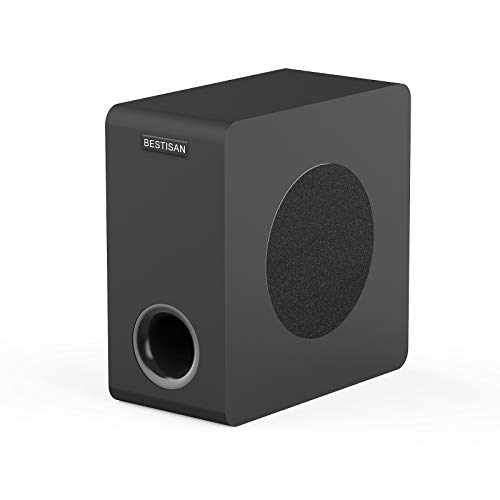
3. BESTISAN Powered Subwoofer
Rating: 9.2/10
Get ready for a serious bass upgrade with the BESTISAN Powered Subwoofer. This compact but mighty 6.5-inch sub delivers thundering low-end sound that makes movies more exciting and music more powerful. It’s designed to fit into your existing home theater, TV setup, or speaker system with easy connections, so you can start enjoying deeper bass without taking up a lot of space.
What We Like:
- Thunderous Bass: Experience deep, powerful bass that brings movies and music to life.
- Compact Design: Its 6.5-inch size fits easily into most rooms without being overwhelming.
- Easy Setup: Connects to almost anything, including TVs, soundbars, and receivers, with various input options.
- Engineered for Impact: The side-firing woofer and smart design create a tight and smooth bass sound.
- Cinematic Upgrade: Transforms your living room into an immersive audio experience.
What Could Be Improved:
- Pairing Recommendation: It’s best to pair it with devices that have a specific output level (≤850mV) to avoid issues, which might require a little extra attention during setup.
This BESTISAN subwoofer is a fantastic way to add serious bass to your home audio. You’ll feel the difference it makes in your entertainment.
4. PreSonus Eris Sub 8BT — 8″ Inch Powered Subwoofer

Rating: 8.5/10
Get ready to feel the bass with the PreSonus Eris Sub 8BT! This compact 8-inch powered subwoofer brings big sound to your home audio, music production, home theater, and gaming setups. With Bluetooth 5.0, it’s super easy to connect wirelessly to your devices, or you can use the wired options for even more flexibility. It’s designed to give you accurate, studio-quality sound that you can really feel.
What We Like:
- It delivers tight, powerful bass down to 30 Hz, so you won’t miss any low-end notes.
- Bluetooth 5.0 wireless connectivity makes it a breeze to connect your phone or other devices.
- It has controls to tune the sound to your room and your speakers, ensuring you get the best audio.
- You can easily switch to headphones with the front-panel headphone output and built-in amplifier.
- It works great with other PreSonus Eris speakers, but also connects to almost any audio setup.
- The power-saving mode turns off the sub when it’s not in use, saving energy.
What Could Be Improved:
- The 8-inch size, while compact, might not be enough for the absolute deepest bass needs of some professional studios.
- While the Bluetooth is convenient, some users might prefer a more robust wireless audio protocol for critical listening.
The PreSonus Eris Sub 8BT is a fantastic choice for anyone wanting to add serious low-end punch to their sound system. It’s versatile, sounds great, and is easy to use.
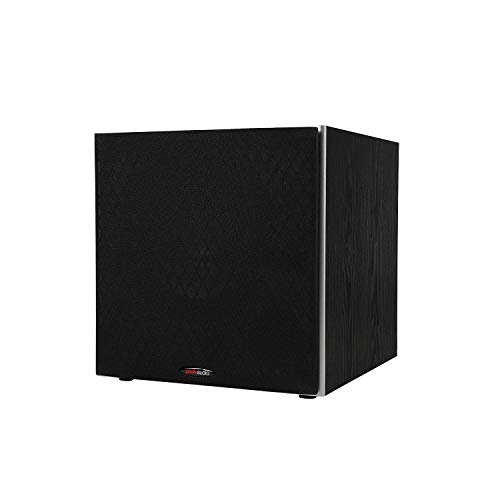
5. Polk Audio PSW10 10″ Powered Subwoofer Home Audio – Power Port Tech
Rating: 8.6/10
Ready to feel the rumble? The Polk Audio PSW10 10″ Powered Subwoofer is here to add some serious punch to your home audio. This compact powerhouse uses Power Port technology to deliver deep, accurate bass that makes your music and movies truly come alive. It’s designed for small to medium-sized rooms, making it a perfect addition to your home theater setup. Plus, it’s built to blend seamlessly with Polk’s Monitor and T-Series speakers, so your sound will be balanced and rich.
What We Like:
- Delivers extra bass and punch for music and movies.
- Provides a thrilling, balanced audio experience with deep sound, even at low volumes.
- Blends easily with most speakers and plays demanding sounds without distortion.
- Offers double the amplifier power with a 50-watt RMS amp for clear, loud sound.
- Durable engineering with resonance-free driver materials ensures it lasts.
- Easy to set up and integrate with your existing audio system.
- Features a continuously variable crossover for precise tuning.
- Includes a sleek detachable grille and flexible input/output options.
What Could Be Improved:
- Not waterproof, so keep it away from moisture.
This Polk Audio PSW10 subwoofer is an excellent way to upgrade your sound system. It brings big bass to your room without taking up too much space.
Upgrade Your Sound: The Ultimate PC Subwoofer Buying Guide
Are you tired of your PC’s tinny sound? Do your games lack that satisfying rumble and your music feel a little flat? A PC subwoofer can completely transform your audio experience. It adds that deep, powerful bass that makes everything sound richer and more immersive. This guide will help you find the perfect subwoofer for your setup.
Key Features to Look For
When you’re shopping for a PC subwoofer, several features make a big difference.
1. Power (Wattage)
Wattage tells you how loud and powerful the subwoofer can get. Higher wattage means more bass. For a typical desk setup, 50-100 watts is usually enough. If you want to feel the bass shake your room, look for 150 watts or more.
2. Size of the Driver (Woofer)
The driver is the part that makes the sound. It’s measured in inches. Bigger drivers (like 8-inch or 10-inch) generally produce deeper bass than smaller ones (like 5-inch or 6-inch).
3. Frequency Response
This shows the range of sounds the subwoofer can produce. Lower numbers mean it can hit those really deep bass notes. Look for a subwoofer that goes down to 30Hz or lower for the best bass impact.
4. Connectivity
How will you connect the subwoofer to your PC? Most use a standard 3.5mm audio jack. Some might offer RCA inputs or even wireless Bluetooth. Make sure it works with your computer’s sound card.
5. Design and Size
Subwoofers come in various shapes and sizes. Some are compact and fit easily under a desk. Others are larger and might sit on the floor. Consider the space you have available.
Important Materials
The materials used in a subwoofer affect its sound and durability.
1. Cabinet Material
The box the driver sits in is called the cabinet. Wood, especially MDF (medium-density fiberboard), is best. It’s dense and helps reduce vibrations, leading to clearer sound. Plastic cabinets can sometimes make the bass sound muddy.
2. Driver Cone Material
The cone is the part of the driver that moves to create sound. Materials like paper, polypropylene, or even treated fabrics are common. High-quality cones are strong and light, allowing for accurate bass reproduction.
Factors That Improve or Reduce Quality
Certain design choices can make a subwoofer sound amazing or just okay.
1. Ported vs. Sealed Enclosures
- Ported: These subwoofers have a hole (port) that helps boost bass output. They often provide louder, more boomy bass.
- Sealed: These have a completely closed cabinet. They usually offer tighter, more precise bass.
2. Amplification Type
Most PC subwoofers have built-in amplifiers. Class D amplifiers are very efficient and produce less heat, making them a good choice for smaller units.
3. Build Quality
A well-built subwoofer feels solid. Loose parts or cheap-feeling materials can mean lower sound quality and a shorter lifespan.
User Experience and Use Cases
Who is a PC subwoofer for, and what can you do with one?
1. Gamers
If you love gaming, a subwoofer adds an incredible layer of immersion. Explosions feel powerful, engines roar, and gunfire has impact. You’ll hear subtle details you never noticed before.
2. Music Lovers
For music, a subwoofer brings out the low end of your favorite tracks. Basslines become more defined, and songs with heavy bass sound much more satisfying.
3. Movie Enthusiasts
Watching movies on your PC can be a whole new experience. The deep rumble of action scenes and the subtle sounds of a soundtrack come alive.
4. Everyday Use
Even for general computer use, a subwoofer can make your speakers sound fuller and more pleasant. Podcasts and videos will have a richer tone.
PC Subwoofer FAQs
Here are some common questions about PC subwoofers.
Q: What is the main purpose of a PC subwoofer?
A: A PC subwoofer’s main purpose is to produce low-frequency sounds, or bass, that smaller speakers can’t. It makes your audio sound fuller and more powerful.
Q: Do I need a separate sound card for a PC subwoofer?
A: Usually, you do not need a separate sound card. Most PC subwoofers connect to your computer’s existing audio output, typically a 3.5mm jack.
Q: How much space do I need for a PC subwoofer?
A: The space needed depends on the subwoofer’s size. Compact models can fit under a desk, while larger ones might sit on the floor. Always check the dimensions before buying.
Q: Can I connect a subwoofer to my laptop?
A: Yes, most laptops have a headphone jack that you can use to connect a PC subwoofer. You might need an adapter if your laptop only has a USB-C port.
Q: What’s the difference between a ported and a sealed subwoofer?
A: A ported subwoofer has a hole that boosts bass, making it louder and boomier. A sealed subwoofer is fully enclosed and usually provides tighter, more accurate bass.
Q: Is a more expensive subwoofer always better?
A: Not always. While higher prices can mean better quality materials and design, you can find excellent value subwoofers at various price points. It’s about finding the right features for your needs.
Q: How do I set up a PC subwoofer?
A: Setup is usually simple. You connect the subwoofer to your PC’s audio output. If it’s part of a speaker system, you’ll connect the satellite speakers to the subwoofer as well. Then, you adjust the volume and crossover settings.
Q: Can a subwoofer damage my hearing?
A: Like any speaker, playing a subwoofer at very high volumes for extended periods can potentially damage your hearing. Always listen at safe levels.
Q: Will a subwoofer make my PC speakers sound better?
A: Yes, a subwoofer works with your existing speakers to handle the bass. This allows your smaller speakers to focus on mid and high frequencies, which can improve their overall clarity and sound quality.
Q: What is a “crossover” setting on a subwoofer?
A: The crossover setting tells the subwoofer where to start producing bass. It prevents higher frequencies from going to the subwoofer and ensures your satellite speakers handle the rest. A good setting is usually between 80Hz and 120Hz.
In conclusion, every product has unique features and benefits. We hope this review helps you decide if it meets your needs. An informed choice ensures the best experience.
If you have any questions or feedback, please share them in the comments. Your input helps everyone. Thank you for reading.