
Imagine having a whole wall of classic amplifiers right at your fingertips, ready to dial in any sound you can dream of. That’s the magic of a modeling amplifier! But with so many choices out there, picking the perfect one can feel like trying to find a needle in a haystack. You want that awesome guitar tone, but you’re tired of being overwhelmed by confusing specs and endless knobs.
Choosing a modeling amp is a big deal because it shapes your entire sound. You might be worried about getting a tone that doesn’t inspire you or spending money on something that doesn’t fit your needs. This guide is here to clear the air and make your amplifier quest a whole lot easier. We’ll break down what makes a modeling amp great and help you understand what to look for.
By the end of this post, you’ll feel confident about what a modeling amp can do for you. You’ll know how to find the one that sparks your creativity and helps you sound your best, whether you’re practicing at home or playing with friends. Let’s dive in and unlock the secrets to finding your dream amp!
Our Top 5 Modeling Amplifier Recommendations at a Glance
| Image | Product | Rating | Links |
|---|---|---|---|
 |
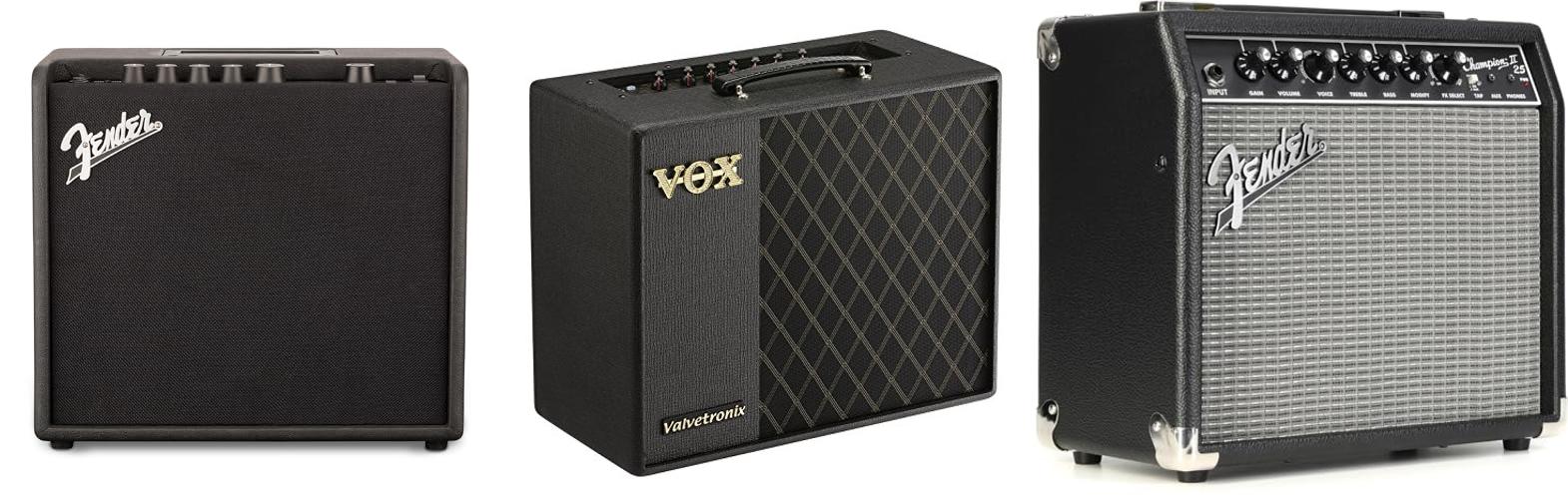
Fender Mustang LT25 Guitar Amp | 9.0/10 | Check Price |
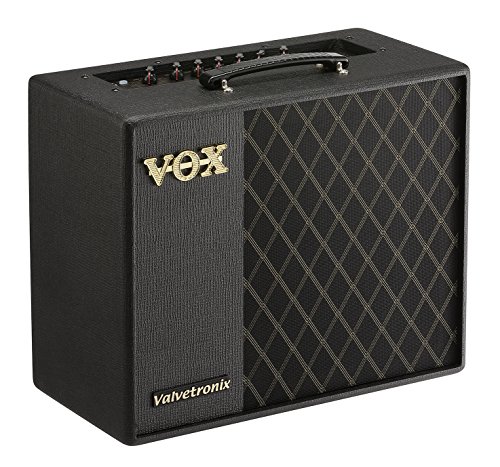 |
VOX Valvetronix VT40X Modeling Electric Guitar Amplifier (40-Watts) | 8.7/10 | Check Price |
 |
Fender Champion II 25 Guitar Amp | 8.7/10 | Check Price |
 |
Line 6 Spider V 20 MKII | 9.1/10 | Check Price |
 |
Peavey VYPYR® X2 Guitar Modeling Amp | 8.8/10 | Check Price |
Top 5 Modeling Amplifier Detailed Reviews
1. Fender Mustang LT25 Guitar Amp
Rating: 8.9/10
The Fender Mustang LT25 Guitar Amp is a 25-watt combo amp packed with features for guitarists of all levels, especially beginners. It’s designed to give you great Fender sound in a compact package. Plus, it comes with a 2-year warranty for peace of mind.
What We Like:
- Great Fender sound from the 8-inch speaker.
- Easy to use with a simple interface and color screen.
- Comes with 30 cool preset effects for lots of different music styles.
- You can record directly from the amp using its USB audio interface.
- The 2-year warranty shows Fender stands behind their quality.
- It’s a good size for practicing at home.
What Could Be Improved:
- Some players might want more power for bigger gigs.
- While great for beginners, more advanced players might want more customization options.
The Fender Mustang LT25 is a fantastic option for anyone starting their guitar journey or looking for a reliable practice amp. Its user-friendly design and versatile effects make learning and experimenting fun.
2. VOX Valvetronix VT40X Modeling Electric Guitar Amplifier (40-Watts)
Rating: 8.7/10
The VOX Valvetronronix VT40X is a 40-watt modeling amp that gives you awesome, real-sounding tube tones. It has a 10-inch VOX speaker that makes your guitar sound clear and strong. This amp uses special technology called VET to make the amp sounds super realistic. It also has a Valvetronix tube preamp that lets you tweak your sound in many ways. You can connect it to your computer or phone with USB. It even has a built-in tuner so you can always play in tune. If you want to practice without bothering anyone, use the headphone jack. This amp is small and light, making it easy to take anywhere. You can even add footswitches for more control. It has tons of different amp sounds and effects to help you be creative.
What We Like:
- It sounds like a real tube amp, giving you authentic tones.
- The 10-inch VOX speaker produces a clear and powerful sound.
- VET technology creates very realistic amp sounds.
- The Valvetronix tube preamp offers many ways to adjust your tone.
- USB connection makes it easy to use with computers and devices.
- The built-in tuner helps you stay in tune easily.
- The headphone jack is great for quiet practice.
- It’s compact and lightweight, perfect for carrying around.
- You can add footswitches for more control over your sounds.
- Lots of amp models and effects are available to spark your creativity.
What Could Be Improved:
- While it has many features, some users might want even more amp models or effects.
- The footswitches are optional, meaning an extra cost for full control.
The VOX Valvetronix VT40X is a fantastic amp for players who want great sound and lots of options. It’s a versatile tool that can help you explore many different guitar tones.
3. Fender Champion II 25 Guitar Amp
Rating: 8.7/10
The Fender Champion II 25 Guitar Amp is a fantastic choice for guitarists of all levels. It packs 25 watts of power, which is enough to practice at home or even play with a band. The amp comes with a reliable 2-year warranty, giving you peace of mind. Plus, it has 12 built-in effects, so you can get a lot of different sounds without needing extra pedals.
What We Like:
- It’s powerful enough for practice and small gigs.
- The 8″ Fender Special Design speaker sounds great.
- You get 12 awesome built-in effects like reverb and delay.
- It offers different amp voicings and distortion types for a variety of sounds.
- The 2-year warranty adds extra value.
- It’s easy to use with a single channel and input.
What Could Be Improved:
- Some players might want more control over the built-in effects.
- For very large venues, 25 watts might not be enough.
The Fender Champion II 25 is a versatile and user-friendly amp. It’s a solid option for anyone looking to expand their sound.
4. Line 6 Spider V 20 MKII
Rating: 8.9/10
The Line 6 Spider V 20 MKII is a fantastic guitar amplifier for players who want a wide range of sounds and easy control. It’s designed to help you explore different tones and get creative with your playing. This amp is a great partner for practicing at home or even for small gigs.
What We Like:
- It has a new classic speaker mode that makes your guitar sound and feel even better.
- You get 16 awesome presets, and you can use three effects at the same time, plus a separate reverb.
- The controls for tone and effects are super simple to figure out and use.
- A built-in tuner and tap-tempo function are really handy for practicing and keeping time.
- You can access over 200 different amps and effects using the free Spider V Remote app.
- You can edit your sounds and even record your music on Mac, PC, iOS, and Android devices.
What Could Be Improved:
- While the app is free, some users might want more advanced editing features directly on the amp itself.
- For very experienced players seeking a truly vintage tube amp feel, the digital modeling might not fully replicate every nuance.
The Line 6 Spider V 20 MKII offers incredible versatility and user-friendliness, making it a top pick for guitarists of all levels.
5. Peavey VYPYR® X2 Guitar Modeling Amp
Rating: 8.7/10
The Peavey VYPYR® X2 Guitar Modeling Amp packs a punch for guitarists of all levels. It gives you tons of sounds to play with. You can get classic amp tones and even switch to acoustic or bass sounds. Plus, it has a bunch of effects built right in.
What We Like:
- It has 36 awesome amp models, including 6 for acoustic guitars and 6 for bass guitars.
- You get 26 effects on board to change your sound.
- The Bluetooth feature lets you control it with your phone and stream music.
- It has a built-in looper for practicing your solos.
- You can save 16 of your favorite sounds as presets.
- It’s a powerful 60-watt amp, so it’s loud enough for practice and small gigs.
- The iOS app gives you even more control.
What Could Be Improved:
- The looper works best with an optional footswitch, which is an extra purchase.
- While it has many sounds, some players might want even more unique amp emulations.
This amp is a fantastic tool for exploring different guitar tones. It offers a huge range of sounds and features at a great value, making it a solid choice for any guitarist.
Choosing Your Perfect Modeling Amplifier
Are you ready to explore a world of amazing guitar sounds without breaking the bank or lugging around heavy gear? A modeling amplifier is your ticket! These awesome amps use digital magic to recreate the sounds of classic and modern amplifiers, effects, and more. This guide will help you pick the right one.
Why Modeling Amps Are Awesome
Modeling amps are super versatile. They can sound like a tiny practice amp, a roaring stadium amp, or even a fancy boutique amp. Plus, they often come packed with built-in effects like distortion, delay, and reverb. This means you can experiment with tons of different sounds right out of the box.
Key Features to Look For
When you’re shopping for a modeling amp, keep these important things in mind:
- Number of Amp Models: More models mean more sounds! Some amps have just a few, while others have dozens.
- Built-in Effects: Look for amps with effects you like, such as distortion, overdrive, chorus, delay, and reverb.
- Power Output (Watts): For practice at home, 10-30 watts is usually plenty. If you plan to play with a band, you might need more.
- Speaker Size: Bigger speakers can often produce a fuller sound.
- Connectivity: Does it have a headphone jack for quiet practice? An aux-in to play along with music? USB for recording?
- Ease of Use: Can you easily switch between sounds and adjust settings?
Important Materials
Most modeling amps have a cabinet made of wood, often plywood or particleboard. The speaker cone is usually made of paper or a special composite material. The control knobs are typically plastic. Good quality materials help the amp sound better and last longer.
Factors That Improve or Reduce Quality
- Good Quality Digital Processing: This is what makes the amp models sound realistic. Better processing means a more authentic sound.
- Speaker Quality: A good speaker makes a big difference in how the amp sounds.
- Build Quality: A well-built amp will feel sturdy and reliable. Cheap plastic parts or flimsy cabinets can make an amp feel less premium.
- User Interface: A confusing control panel can make it hard to get the sounds you want.
User Experience and Use Cases
Modeling amps are fantastic for beginners. They let you try out many different sounds to find what you like. They’re also great for guitarists who play different styles of music. If you play rock, blues, metal, or pop, a modeling amp can deliver the tones you need.
They are perfect for:
- Practicing at home: Use the headphone jack for silent playing.
- Jamming with friends: Many models are loud enough for small gatherings.
- Recording: Some amps have USB outputs to connect directly to your computer.
- Learning new songs: Play along with backing tracks using the aux-in.
Frequently Asked Questions (FAQ)
Q: What is a modeling amplifier?
A: A modeling amplifier is an electronic guitar amplifier that uses digital technology to recreate the sounds of many different amplifiers, cabinets, and effects pedals.
Q: Do modeling amps sound good?
A: Yes, modern modeling amps can sound very realistic and offer a wide range of tones. The quality has improved a lot over the years.
Q: Are modeling amps good for beginners?
A: Absolutely! They are perfect for beginners because they offer many sounds and features in one package, making them a great value.
Q: Can I play live gigs with a modeling amp?
A: For smaller gigs or rehearsals, many modeling amps are powerful enough. For larger venues, you might need a more powerful amp or a PA system.
Q: How many amp models should I look for?
A: It depends on your needs. Having at least 5-10 different amp models is a good starting point. More is always better if you like variety.
Q: What are the most common built-in effects?
A: Common effects include distortion, overdrive, chorus, flanger, phaser, delay, and reverb. Some amps have more.
Q: Is a headphone jack important?
A: Yes, a headphone jack is very important if you want to practice quietly without disturbing others.
Q: What does “watts” mean for an amplifier?
A: Watts measure how loud the amplifier can get. More watts generally mean a louder amp.
Q: Can I use a modeling amp to record music?
A: Many modeling amps have USB outputs that allow you to connect them to a computer for recording.
Q: How do I choose between a modeling amp and a traditional tube amp?
A: Modeling amps are more versatile and affordable. Tube amps are known for their warm, organic sound but are often more expensive and require more maintenance.
In conclusion, every product has unique features and benefits. We hope this review helps you decide if it meets your needs. An informed choice ensures the best experience.
If you have any questions or feedback, please share them in the comments. Your input helps everyone. Thank you for reading.