
Ever wonder why some guitar amp recordings sound so epic, while yours just sound… okay? It’s often not just the amp or the guitar. A big part of that magic comes from the humble microphone. But picking the right one can feel like navigating a maze.
You’ve probably spent hours trying to get that perfect tone, only to be let down by a muffled or harsh recording. The sheer number of microphones out there is confusing! Do you need a dynamic mic, a condenser, or something else entirely? Each one sounds different, and the wrong choice can hide all the hard work you put into your sound.
This guide is here to make that process easy. We’ll break down what makes a microphone great for guitar amps. You’ll learn how different mics capture sound and how to match them to your amp and playing style. By the end, you’ll know exactly what to look for to get the killer tone you hear in your head.
Our Top 5 Microphone For Guitar Amplifier Recommendations at a Glance
Top 5 Microphone For Guitar Amplifier Detailed Reviews
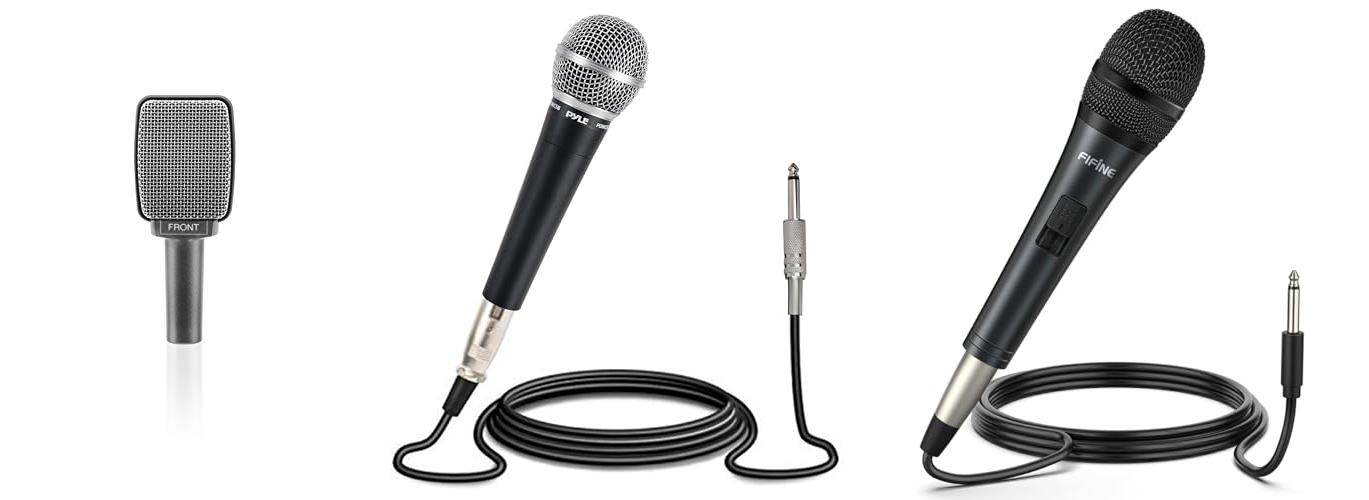
1. Sennheiser Professional e 609 Silver Super-Cardioid Instrument Microphone

Rating: 8.8/10
The Sennheiser e 609 Silver is a fantastic microphone for musicians. It’s built tough and designed to capture the best sound from your instruments. This mic is especially great for guitar amps. It’s easy to use and sounds amazing.
What We Like:
- Its supercardioid pattern keeps other stage sounds out.
- The special capsule is perfect for miking guitar amps up close.
- A hum-canceling coil stops annoying electrical noise.
- It captures clear, bright high notes with its lightweight voice coil.
- The strong metal body makes it super durable.
- You can hang it right on a speaker cabinet without a clip!
- It accurately captures your instrument’s real sound with its midrange peak.
- It handles loud sounds (over 150 dB SPL) without losing quality.
- It comes with a clip and a pouch for protection.
- A 10-year warranty gives you peace of mind.
What Could Be Improved:
- The “Wired, Wireless” in the title might be a bit confusing as it’s a wired microphone.
- While great for amps, it might not be the first choice for every single instrument.
Overall, the Sennheiser e 609 Silver is a reliable and great-sounding microphone for any serious musician. It’s a solid choice for capturing your instrument’s true voice.
2. Pyle Microphone

Rating: 9.1/10
The Pyle Microphone, Dynamic Cardioid, XLR Cable Included, Unidirectional, Rugged Construction, Built-in Pop Filter, Perfect for Stage & Studio, High Gain, Ultra-Wide Frequency Response, 15ft Cable is a solid choice for anyone needing a reliable microphone for live performances or studio recording. Its robust build and thoughtful features make it a versatile tool for vocalists and instrumentalists alike.
What We Like:
- The unidirectional cardioid pickup pattern does a great job of focusing on your voice or instrument. It really helps to cut out background noise, so your sound comes through loud and clear.
- This mic is built tough. The all-metal body means it can handle being moved around a lot, which is perfect for gigs.
- You get a really clean sound. The microphone has high gain, so it picks up sound well without unwanted humming or buzzing.
- The built-in pop filter is a nice touch. It stops those annoying “p” and “b” sounds from ruining your recording or performance.
- It comes with a 15-foot XLR cable, so you can get set up and start using it right away without buying extra gear.
- The frequency response is wide, meaning it can capture a good range of sounds.
What Could Be Improved:
- While good for its price, the sensitivity of -54dB might be a bit lower than some professional-grade microphones, potentially requiring more gain from your mixer or interface for very quiet sources.
- The frequency response, while wide, might not capture the absolute finest nuances that a more expensive condenser microphone could.
This Pyle microphone offers excellent value, providing durability and clear audio for many different applications.
3. Fifine Karaoke Microphone

Rating: 8.7/10
Get ready to shine with the Fifine Karaoke Microphone, a dynamic vocal microphone designed for clear sound and easy use. This wired microphone is perfect for your next karaoke night, presentation, or any event where you need your voice to be heard loud and clear.
What We Like:
- Cardioid Pickup Pattern: This helps reduce background noise and makes sure your voice comes through strong and clear, even in loud places.
- Wide Frequency Range: The mic sounds great for both talking and singing, capturing all the details from low bass to high notes.
- Excellent Speech Intelligibility: It delivers clean sound with very little distortion, making your words and vocals easy to understand.
- Plug-and-Play Simplicity: It comes with an XLR to 1/4” cable, so you can easily plug it into speakers or karaoke machines with a 6.35mm jack.
- Durable Metal Construction: The microphone feels solid and is built to last, with a built-in pop filter to stop those annoying “p” and “b” sounds.
- Convenient On/Off Switch: Easily control your audio with the switch right on the microphone.
- Long Detachable Cable: The 14.8ft cable gives you plenty of room to move around while you perform.
What Could Be Improved:
- Port Compatibility: It only works with 6.35mm (1/4 inch) ports, so it won’t connect to devices with a 3.5mm jack without an adapter.
This Fifine microphone offers great sound quality and user-friendly features for a variety of audio needs. It’s a reliable choice for anyone looking to elevate their vocal performances or public speaking.
4. Behringer B 906 Dynamic Microphone for Instrument and Vocal Applications

Rating: 9.5/10
The Behringer B 906 is a versatile dynamic microphone that works great for both instruments and vocals. It’s built to sound amazing on guitar amps, drums, and even brass instruments. Its special design helps it pick up the sound you want and reject unwanted noise. Plus, it has a switch that lets you change how it sounds, making it easy to get the perfect tone for whatever you’re recording or performing.
What We Like:
- It’s a professional microphone that works well for many sounds.
- The frequency response is tuned just right for instruments like guitar amps, drums, and brass.
- The super-cardioid pickup pattern keeps background noise and feedback away.
- You can switch between different sound settings (low-cut, flat, high-boost) to get the best sound for your instrument.
- It has a very strong signal output, so your sound will easily be heard.
What Could Be Improved:
- While it offers great value, some users might prefer a more premium build quality for heavy touring.
- The included accessories are basic, and serious users might want to upgrade them.
Overall, the Behringer B 906 is a fantastic microphone for anyone looking for professional sound without breaking the bank. It’s a solid choice for getting your instruments and vocals to shine.
5. OneOdio ON55 Wired Microphone for Singing – Mic Clips

Rating: 8.7/10
Ready to amplify your voice? The OneOdio ON55 Wired Microphone for Singing is designed to make your vocals shine, whether you’re belting out your favorite tunes at a party, hosting karaoke night, or even recording in your home studio. This microphone promises clear sound and a durable build, making it a solid choice for various audio needs.
What We Like:
- Produces high-quality sound with good detail, perfect for singing.
- Effectively reduces background noise thanks to its cardioid pickup pattern.
- Built-in pop filter and mesh grille help prevent wind noise and plosives for clearer vocals.
- Robust metal construction and a reinforced cable connector mean it can handle regular use and accidental drops.
- Comes with a 16.4ft XLR to 1/4″ cable that ensures a strong, clear audio signal.
- Works with a wide range of devices like karaoke machines, amplifiers, and speakers.
- Includes a microphone clip, making setup easy.
What Could Be Improved:
- While it’s a dynamic mic, some users might prefer the sensitivity of a condenser mic for extremely quiet recording environments.
- The 16.4ft cable is a good length, but for very large stages or rooms, an extension might be needed.
The OneOdio ON55 delivers impressive performance for its price point, making it a fantastic option for anyone looking to upgrade their vocal sound. It’s a reliable and user-friendly microphone that brings clarity and durability to your performances.
Choosing the Right Mic for Your Amp: A Guitarist’s Guide
Getting the perfect sound from your guitar amp is crucial for any musician. The microphone you use to capture that sound plays a huge role. This guide will help you pick the best microphone for your guitar amplifier.
1. Key Features to Look For
Dynamic vs. Condenser: The Big Two
Most guitar amp microphones fall into two main categories: dynamic and condenser. Dynamic mics are tough and can handle loud sounds well. They are great for live gigs and loud amps. Condenser mics are more sensitive. They pick up more detail and nuance. They are often used in studios for cleaner sounds.
Polar Patterns: How the Mic Listens
A polar pattern shows where a microphone picks up sound best.
- Cardioid: This is the most common. It picks up sound from the front and rejects sound from the sides and back. This helps reduce unwanted noise.
- Supercardioid/Hypercardioid: These are similar to cardioid but reject sound from the sides even more. They pick up a little sound directly from the back.
- Omnidirectional: This mic picks up sound from all directions. It’s good for capturing the sound of a whole room.
For guitar amps, cardioid patterns are usually the best choice. They focus on the amp’s sound and minimize background noise.
Frequency Response: Capturing the Full Sound
Frequency response tells you how well a microphone reproduces different sounds, from low bass notes to high treble. A flat frequency response means the mic captures sound evenly. Some mics have boosts in certain areas to make amps sound brighter or warmer. Look for a mic that matches the tone you want.
Durability and Build Quality
Guitar amps can be loud. Your microphone needs to be strong. Dynamic mics are generally very durable. Check reviews for how well a mic holds up to being moved around and used frequently.
2. Important Materials
Diaphragm
The diaphragm is a thin material inside the mic that vibrates when sound hits it.
- Mylar/Plastic: Common in dynamic mics. It’s tough and handles high sound pressure levels.
- Mica/Metal Foils: Used in some dynamic mics for specific tonal qualities.
- Thin Metal Films (Gold Sputtered): Found in condenser mics. These are very light and sensitive, capturing fine details.
Body and Grille
The outer casing and grille protect the internal components. Metal is common for its strength and ability to block interference. Some mics have foam windscreens to reduce plosives (popping sounds).
3. Factors That Improve or Reduce Quality
Impedance
Impedance is a measure of electrical resistance. A lower impedance is generally better for signal quality and cable length. Most modern microphones have low impedance.
Sensitivity
Sensitivity tells you how much electrical output a microphone produces for a given sound level. Higher sensitivity means the mic can pick up quieter sounds better. This is more important for condenser mics.
Proximity Effect
This is when a directional microphone picks up more bass frequencies as it gets closer to the sound source. It can make an amp sound fuller, but too much can make it muddy. You can use this effect to shape your tone.
4. User Experience and Use Cases
Live Performance
For live shows, you need a rugged microphone that can handle high volumes and stage noise. Dynamic cardioid mics are the go-to choice. They are reliable and sound great on stage.
Studio Recording
In the studio, you have more options. You might use a dynamic mic for a classic rock tone. Or you might choose a condenser mic for a cleaner, more detailed sound. Experimenting with placement is key in the studio.
Home Practice
Even for practicing at home, a good microphone can help you record your ideas or connect your amp to your computer for silent practice. Dynamic mics are still a good option, but smaller condenser mics can also work well.
The best microphone for your guitar amp depends on your budget, your amp, the music style you play, and where you will use it. Don’t be afraid to try different mics and placements to find the perfect sound.
Frequently Asked Questions (FAQ)
Q: What is the best type of microphone for loud guitar amps?
A: Dynamic microphones are best for loud guitar amps. They are built to handle high sound pressure levels without distorting.
Q: Do I need phantom power for a guitar amp microphone?
A: Phantom power is only needed for condenser microphones. Dynamic microphones do not require phantom power.
Q: How close should I place the microphone to my guitar amp speaker?
A: This varies. Placing the mic closer to the center of the speaker cone gives a brighter, more direct sound. Moving it towards the edge or further away gives a warmer, fuller sound.
Q: Can I use a microphone designed for vocals on my guitar amp?
A: Some vocal microphones can work, but microphones specifically designed for instruments or guitar amps often capture the nuances of an amp better.
Q: What does “frequency response” mean for an amp mic?
A: It shows which sounds (low, middle, high) the microphone picks up best. A flat response means it captures all sounds evenly.
Q: Are expensive microphones always better?
A: Not always. Many affordable microphones sound fantastic. Your playing style and amp are just as important.
Q: How does the material of the microphone affect its sound?
A: The diaphragm material is most important. Light materials like thin metal films capture more detail, while tougher materials like Mylar handle loudness well.
Q: What is a “polar pattern” and why does it matter for guitar amps?
A: A polar pattern shows where the mic hears sound. A cardioid pattern focuses on the amp and reduces background noise, which is good for live use.
Q: Should I get a mic with a pop filter?
A: Pop filters help reduce popping sounds from plosives. While not essential for all amp mics, they can be useful in certain recording situations.
Q: How can I improve the sound quality of my guitar amp microphone without buying a new one?
A: Experiment with microphone placement. Try different distances and angles to the speaker. Also, ensure your cables and audio interface are good quality.
In conclusion, every product has unique features and benefits. We hope this review helps you decide if it meets your needs. An informed choice ensures the best experience.
If you have any questions or feedback, please share them in the comments. Your input helps everyone. Thank you for reading.