
Does your car’s windshield fog up quickly on cold or rainy days? You’re not alone! This common issue makes driving dangerous and frustrating. Can you really stop car windows from fogging up? Yes, with the right techniques and a bit of preventative care. This guide will teach you everything you need to know about defogging car windows and how to prevent window fogging effectively. We’ll cover the causes of car interior condensation, how to stop window condensation, provide excellent car defroster tips, how to de-fog windshield areas, effective car window anti-fog methods, manage humidity in car spaces, improve car window ventilation, and stress the importance of cleaning car windows.
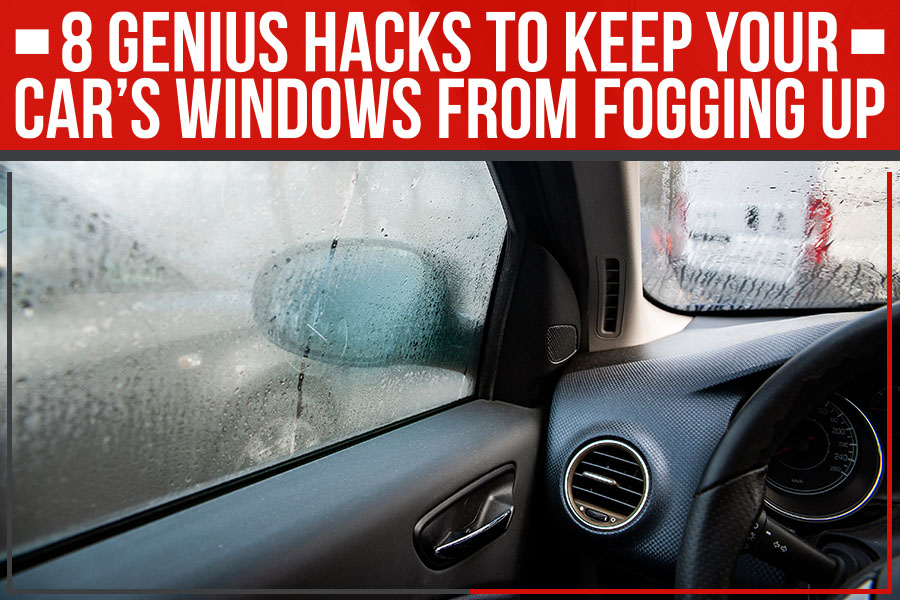
Image Source: www.yorkchryslerdodgejeepram.com
Fathoming the Cause: Why Do Car Windows Fog Up?
The condensation that causes foggy car windows happens when warm, moist air inside your car comes into contact with the cooler surface of the glass. This temperature difference causes the water vapor in the air to turn into tiny liquid droplets. Think of it like a cold glass of water on a summer day – water droplets form on the outside.
Several factors contribute to this:
- Breathing: When you and your passengers breathe, you release warm, moist air.
- Wet Items: Bringing wet coats, umbrellas, or damp floor mats into the car introduces moisture.
- Outside Temperature vs. Inside Temperature: When it’s cold outside and warm inside, the temperature difference is significant, leading to rapid fogging. Similarly, on humid days, the air holds more moisture, exacerbating the problem.
- Poor Ventilation: If the air inside the car isn’t circulating well, the trapped moisture has nowhere to go.
Interpreting Car Interior Condensation
Car interior condensation is essentially the visible sign of this temperature and moisture imbalance. It clings to the windows, obscuring your view. The key to preventing this is to manage both the temperature and the moisture levels within your vehicle.
Quick Fixes: How to Defog Car Windows Instantly
When fog appears suddenly, you need solutions that work fast. Here are some immediate actions you can take:
Using Your Car’s Defroster and Climate Control
Your car’s built-in systems are designed to combat fog. Learning how to use them efficiently is the first step to defogging car windows.
- Turn on the Front Defroster: This is usually a button with an icon resembling a windshield with wavy arrows. It directs air directly onto the windshield.
- Select the “Recirculate” or “Fresh Air” Setting:
- Fresh Air: This setting brings in cooler, drier air from outside. On a cool, dry day, this is often the best option to prevent window fogging. It helps remove the moist air from inside.
- Recirculate: This setting keeps the air circulating within the car. While it can warm up the cabin faster, it can also trap moisture, making fogging worse if the air inside is already humid. For immediate defogging, sometimes using recirculate momentarily can help clear initial fog, but switching to fresh air is crucial for longer-term prevention.
- Turn Up the Fan Speed: A higher fan speed pushes more air over the heating elements (if the system is set to heat) or the A/C evaporator, speeding up the defogging process.
- Turn Up the Temperature: Warmer air can hold more moisture, but when directed onto the glass, it can help evaporate the condensation. However, be careful not to make the interior too warm, as this can also contribute to fogging if the outside temperature is significantly cooler.
- Turn on the Air Conditioning (A/C): This might seem counterintuitive in cold weather, but the A/C system acts as a dehumidifier. It draws moisture out of the air, even when you have the heat on. So, if you have dual climate control, setting it to heat and turning on the A/C simultaneously is a highly effective way to de-fog windshield areas.
The Power of the Air Conditioner for Defogging
Many people are hesitant to use the A/C in winter, but it’s a secret weapon for defogging car windows. The A/C system works by cooling the air and removing moisture. When you combine this dehumidified air with the car’s heater, you get warm, dry air blown onto the windshield, which is the ultimate combination for rapid defogging.
Cracking a Window for Ventilation
If you don’t have a powerful defroster or the fog is persistent, opening your windows slightly can make a huge difference. This allows the humid air inside the car to escape and be replaced by drier outside air. This is a simple yet effective method of car window ventilation.
Preventing Window Fogging: Long-Term Strategies
While quick fixes are great, the best approach is to prevent the fog from forming in the first place. This involves managing humidity in car interiors and maintaining clean windows.
Maintaining Clean Car Windows
Dirty windows provide more surface area for condensation to cling to. Residue from smoking, oily films from hands, and road grime all contribute to fogging. Regular cleaning car windows is essential.
Effective Cleaning Car Windows Techniques
- Use a Quality Glass Cleaner: Opt for ammonia-free cleaners, especially if your car has tinted windows.
- Microfiber Cloths are Key: Use two clean microfiber cloths. One to apply the cleaner and wipe away the grime, and another to buff the glass dry to a streak-free finish.
- Clean Inside and Out: Don’t forget the interior surfaces. The inside is often where the oily film that causes the most persistent fog builds up.
- Clean in the Shade: Avoid cleaning windows in direct sunlight, as the cleaner can dry too quickly, leaving streaks.
Addressing Humidity in Car Interiors
Reducing the overall moisture content within your car is crucial for preventing fog.
Methods to Reduce Humidity in Car
- Check for Wet Floor Mats: Remove and dry any damp floor mats. Consider using all-weather mats that can be easily emptied and dried.
- Dry Wet Items: Don’t leave wet umbrellas, towels, or clothing in the car for extended periods.
- Ventilate Regularly: Even on cold days, briefly open your windows to allow moist air to escape. This is a key aspect of car window ventilation.
- Use Dehumidifying Products: Silica gel packs or commercial car dehumidifiers can be placed in the car to absorb excess moisture.
- Fix Leaks: Ensure that your car doesn’t have any water leaks from the door seals or sunroof, which can constantly introduce moisture.
Utilizing Car Window Anti-Fog Treatments
There are several products designed to create a barrier on your glass that prevents condensation from forming. These are excellent additions to your car window anti-fog arsenal.
Types of Car Window Anti-Fog Solutions
- Commercial Anti-Fog Sprays and Wipes: These are readily available at auto parts stores. Apply them according to the product instructions, usually after cleaning car windows.
- DIY Anti-Fog Treatments:
- Shaving Cream: Apply a small amount of shaving cream to the inside of the glass, wipe it on, and then buff it off completely with a clean, dry cloth. The residue left behind can act as an anti-fog agent.
- Potato Method: Cut a raw potato in half and rub the cut side on the inside of your windows. Let it dry to a haze, then buff it off with a clean cloth. The starch in the potato can create a barrier.
- Dish Soap Solution: Mix a few drops of mild dish soap with water in a spray bottle. Lightly spray the inside of the windows and wipe clean. This can create a thin, invisible film that reduces surface tension and prevents fogging.
Important Note: When applying any car window anti-fog treatment, always test it on a small, inconspicuous area first to ensure it doesn’t affect your window tint or clarity.
Advanced Car Defroster Tips for Optimal Performance
Beyond the basic functions, a few advanced car defroster tips can enhance your experience and safety.
Optimizing Airflow and Temperature Settings
- Direct Air to All Windows: If your car allows, try to direct some airflow to the side windows. This helps equalize the temperature and reduce condensation across all glass surfaces.
- Lowering the Temperature (Counterintuitive but Effective): Sometimes, if the outside air is very cold and dry, using the A/C and a lower temperature setting can be more effective at clearing fog than blasting hot air, as it prioritizes dehumidification. Experiment with your car’s settings to find what works best.
Checking and Maintaining Your Defroster System
- Cabin Air Filter: A clogged cabin air filter can restrict airflow, making your defroster less effective. Check your owner’s manual for its location and replacement schedule. Replacing it regularly is a simple maintenance task that can significantly improve car window ventilation.
- Recirculation vs. Fresh Air: Reiterate the importance of using the “Fresh Air” setting after initial defogging to keep the air dry.
- Heater Core and A/C System: If your defroster is consistently weak or smells musty, there might be an issue with your heater core or A/C system. Consult a mechanic if you suspect a deeper problem.
Troubleshooting Persistent Window Fogging
Sometimes, even with all these tips, fog can be a persistent problem. Here’s how to address stubborn cases.
Common Causes of Persistent Fogging
- Mold and Mildew: If your car has had water leaks or persistent dampness, mold and mildew can grow in the ventilation system or on interior surfaces, releasing moisture and contributing to fogging.
- Leaky Seals: Door seals, window seals, and sunroof seals can degrade over time, allowing water to enter the cabin.
- Blocked Drainage Holes: Small drain holes in the car’s body, often near the windshield wipers or sunroof, can become blocked with leaves and debris, preventing water from escaping and leading to moisture buildup.
Steps to Stop Window Condensation Effectively
- Thorough Interior Cleaning: Beyond just the windows, clean all interior surfaces. Use an upholstery cleaner on seats and carpets if they feel damp.
- Check and Dry the Cabin: Leave all doors open on a dry, sunny day if possible to air out the interior thoroughly.
- Inspect Seals: Check your door and window seals for any signs of wear or damage. Replace them if necessary.
- Clean Drainage Holes: Locate and clear any debris from the car’s drainage points.
Practical Application: When to Use Which Method
Here’s a quick guide on when to employ different strategies:
| Situation | Recommended Actions |
|---|---|
| Sudden Fog (Cold Day) | Turn on front defroster, use Fresh Air setting, turn up fan speed, turn up heat, engage A/C. If persistent, crack windows slightly. |
| Fog on Rainy Day | Similar to cold day: Defroster, Fresh Air, A/C. Ensure floor mats are dry. |
| Preventing Fog Daily | Regular cleaning car windows, manage humidity in car by drying wet items, use car window anti-fog treatments periodically, ensure good car window ventilation. |
| Persistent Fog Issues | Thorough cleaning car windows (interior/exterior), check for leaks, dry out cabin, inspect/clear drainage holes, consider professional inspection if issues persist. |
| General Maintenance | Regular cleaning car windows, replace cabin air filter, check defroster system functionality. |
| Quick Spot Defogging | A quick wipe with a clean microfiber cloth can clear small patches temporarily. Using a car window anti-fog wipe is also very effective. |
Frequently Asked Questions (FAQ)
Q1: Can I use my car’s heater to defog the windshield?
Yes, using your car’s heater, especially in conjunction with the defroster setting and the A/C, is a primary method to defog windshield areas. The warm air helps evaporate moisture.
Q2: Why does my car fog up even when it’s not cold outside?
Fogging can occur on humid days regardless of temperature. The difference in moisture content between the inside and outside air, combined with poor ventilation, can lead to car interior condensation.
Q3: How often should I clean my car windows for optimal visibility?
It’s recommended to perform a thorough interior and exterior cleaning car windows at least once a month, or more frequently if you notice a buildup of grime or film that could contribute to fogging.
Q4: Are there any natural remedies for preventing window fogging?
Yes, natural remedies like using shaving cream, a raw potato, or a dilute dish soap solution on the inside of your windows can act as temporary car window anti-fog agents.
Q5: What is the role of the A/C in defogging my car?
The A/C system dehumidifies the air. By running the A/C alongside the heater, you create warm, dry air that effectively removes moisture and clears fog from your windows. This is a key part of advanced car defroster tips.
Q6: What if my defroster isn’t working effectively?
If your defroster is weak, check your cabin air filter for blockages. If the filter is clean, there might be an issue with the blower motor, heating elements, or the system’s ductwork, which may require professional attention. Ensuring good car window ventilation starts with a functioning defroster.
By implementing these strategies, you can significantly reduce or eliminate the frustrating and dangerous issue of foggy car windows, ensuring clearer visibility and safer driving. Remember that consistent maintenance and attention to car interior condensation are your best defenses against this common problem.