
Do my car windows fog up because of the temperature difference between the inside and outside of my car? Yes, the primary reason your car windows fog up is due to the difference in temperature and humidity levels between the car’s interior and the exterior environment. This causes condensation to form on the cooler window surfaces.
Foggy car windows are more than just an annoyance; they are a significant safety hazard. When your visibility is compromised, your ability to react to changing road conditions diminishes, increasing the risk of accidents. This comprehensive guide will delve into the science behind interior car fog, explore the common culprits, and provide actionable solutions to prevent foggy windows and ensure a clear view of the road ahead. We’ll cover everything from quick fixes to long-term strategies, helping you master how to defog car interiors effectively.
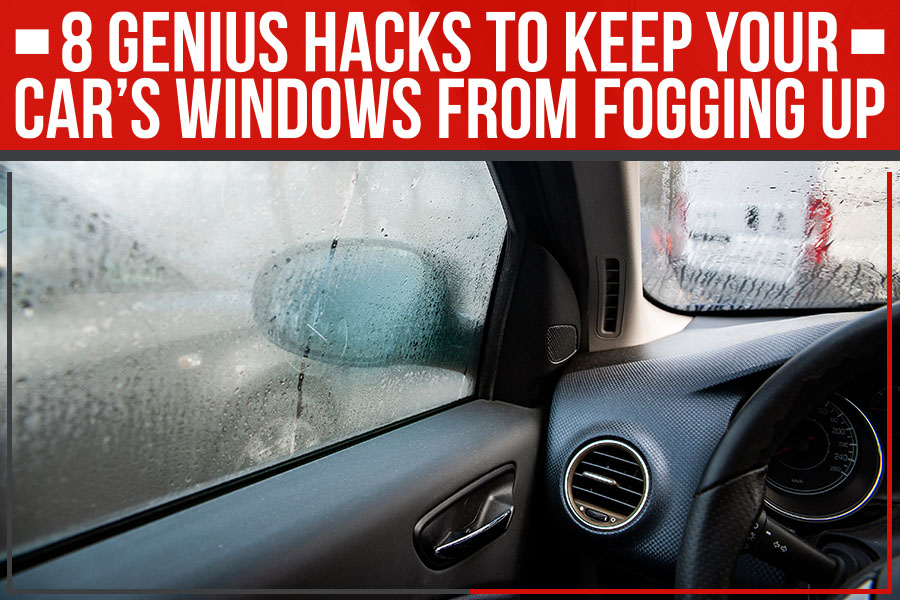
Image Source: www.yorkchryslerdodgejeepram.com
The Science of Condensation: Why Your Windows Fog
The formation of fog on your car windows is a classic example of condensation. This happens when warm, moist air inside your car comes into contact with the cooler glass surfaces of your windows. The air closest to the glass cools down, and its ability to hold moisture decreases. This excess moisture then turns into tiny water droplets, which we see as fog.
Several factors contribute to the amount of moisture in your car’s interior and the temperature of the glass:
- Occupants: People exhale moist air. The more people in your car, the more moisture is introduced into the cabin.
- Wet Items: Wet coats, umbrellas, damp floor mats, and even spilled drinks all release moisture into the air.
- Outside Humidity: On humid days, the air entering your car from the outside can be moist, contributing to interior humidity.
- Temperature Difference: The larger the gap between the inside and outside temperatures, the more likely condensation is to form. This is particularly prevalent during cold weather, leading to the common issue of winter car fog.
Factors Contributing to Interior Condensation
Let’s break down the key elements that lead to that frustrating car interior condensation:
- Humidity Levels: The concentration of water vapor in the air is the main driver. Higher humidity means more moisture available to condense.
- Temperature Gradients: A significant temperature difference between the inside air and the window surface is crucial for condensation to occur.
- Air Circulation: Poor airflow within the car can trap moist air against the windows.
Common Culprits Behind Foggy Windows
Understanding what causes the fog is the first step to stopping it. Let’s look at the most frequent offenders that contribute to windshield fogging and other window fogging issues.
Breathing and Body Heat
As mentioned, our bodies naturally release moisture through breathing and perspiration. In a closed car environment, this moisture accumulates. When the inside temperature is significantly warmer than the outside, this warm, moist air hits the cold glass, leading to fog. This is a constant process as long as there are people inside the car.
Dampness from Outside
- Rain and Snow: Entering the car with wet clothing, shoes, or umbrellas brings external moisture directly into the cabin. This moisture then evaporates, increasing the humidity.
- Car Wash Residue: If your car was recently washed, residual moisture on windows or interior surfaces can contribute to fogging.
- Leaky Seals: Though less common, faulty door or window seals can allow external moisture to enter the car.
Interior Material Moisture
- Floor Mats: Especially carpeted ones, can absorb water from wet shoes and, if not dried properly, can act as a continuous source of moisture.
- Upholstery: Fabric seats and carpets can also hold moisture, particularly if spills have occurred and not been completely dried.
- Air Conditioning Systems: While designed to dehumidify, a malfunctioning or poorly maintained AC system can sometimes contribute to moisture problems.
Effective Strategies to Prevent Foggy Windows
Now that we know why our windows fog up, let’s explore proven methods to prevent foggy windows and maintain clear visibility.
Utilizing Your Car’s Climate Control System
Your car’s climate control system is your primary weapon against foggy windows. Knowing how to use it effectively is key.
Maximizing the Defroster and Demister
- Front Defroster: This setting directs air specifically to the windshield. Ensure the fan speed is set to a higher setting.
- Rear Defroster: This uses heating elements embedded in the rear window to evaporate moisture.
- Recirculation vs. Fresh Air:
- Recirculation Mode: This mode recycles the air already inside the car. While it can quickly warm or cool the cabin, it can trap moisture, making fogging worse if the air inside is already humid.
- Fresh Air Mode: This mode brings in outside air. In dry conditions, this can help reduce interior humidity. However, in very cold or humid conditions, it might introduce more moisture.
How to Defog Car Windows with Climate Control:
- Turn on the Defroster: Engage the front defroster setting.
- Set Airflow: Direct airflow to the windshield.
- Use Fresh Air Mode: Switch from recirculation to fresh air intake. This brings in drier outside air, which helps absorb moisture from inside.
- Increase Fan Speed: A higher fan speed circulates air more effectively.
- Turn on the Air Conditioning (AC): Even in winter, running the AC with the heat on can help dehumidify the air before it’s blown onto the windshield. The AC system acts as a car dehumidifier, drying the air.
- Lower the Temperature Slightly: While counterintuitive, sometimes slightly lowering the interior temperature can reduce the temperature difference, thus slowing down condensation. Experiment to find what works best.
- Crack Open a Window: For quick relief, slightly opening a window on the opposite side of the car can help equalize humidity and temperature, allowing moist air to escape.
The Role of the Air Conditioner as a Car Dehumidifier
Many people associate the AC with cooling, but it’s also an incredibly effective car dehumidifier. When air passes through the AC evaporator coil, it cools down, and moisture condenses on the cold coil and is drained away. This dry air, when directed at your windows, rapidly removes condensation. So, even on a chilly morning, using the AC with your defroster can be the fastest way to demist car windows.
Physical Cleaning and Preparation
A clean car interior is less prone to fogging. Dirt and grime on windows can provide nucleation sites for water droplets to form.
Cleaning Your Windows Thoroughly
- Interior Glass Cleaner: Use a high-quality glass cleaner specifically designed for automotive interiors. Avoid ammonia-based cleaners, as they can damage window tinting and some interior surfaces.
- Microfiber Cloths: Use clean, lint-free microfiber cloths. One for applying the cleaner and another for buffing dry.
- Technique: Spray the cleaner onto the cloth, not directly onto the window, to prevent overspray onto other interior surfaces. Wipe in a consistent pattern (e.g., horizontal on the inside, vertical on the outside) to easily spot any missed areas.
Removing Interior Residue
Oils from skin, smoke, and other residues on the glass can exacerbate fogging. A thorough cleaning removes these.
Anti-Fog Treatments and Sprays
For long-lasting protection, consider using specialized products.
Applying an Anti-Fog Spray
There are many anti-fog spray products available. These create a thin, invisible barrier on the glass that prevents water droplets from forming.
- Application: Clean the windows first. Then, spray the anti-fog product onto a clean cloth and wipe it evenly across the interior glass surface. Allow it to dry according to the product instructions, then buff gently with a separate clean cloth.
- Frequency: Reapply as needed, usually every few weeks to a month, depending on the product and environmental conditions.
DIY Anti-Fog Solutions
While commercial sprays are often best, some DIY solutions can offer temporary relief.
- Shaving Cream: Apply a small amount of shaving cream to the inside of your windows, spread it evenly, let it dry to a haze, and then buff it off with a clean, dry cloth. The residue left behind can act as an anti-fogging agent.
- Potato Method: Rubbing a cut raw potato on the inside of your windows can leave a starchy residue that helps prevent fogging. Wipe it off with a clean cloth afterward.
Managing Moisture Inside the Car
Beyond climate control, actively reducing moisture sources is crucial.
Using a Car Dehumidifier
A car dehumidifier can be a lifesaver, especially in persistently damp climates or for vehicles that often sit unused.
-
Types of Dehumidifiers:
- Silica Gel Packs: These are reusable packets that absorb moisture. Once saturated, they can be dried out (often by microwaving or placing in a low oven) and reused.
- Desiccant Bags: Similar to silica gel, these bags contain moisture-absorbing crystals.
- Electric Dehumidifiers: Small, plug-in units are available but require a power source and are generally not practical for most car use.
-
Placement: Place dehumidifier packs or bags on the dashboard, under seats, or in door pockets to effectively absorb ambient moisture.
Ventilation Strategies
Even when it’s cold, some air exchange can prevent moisture buildup.
- Crack Windows Slightly: As mentioned, opening windows just a fraction of an inch can allow humid interior air to escape and be replaced by drier outside air, especially when you’re driving.
- Avoid Recirculation: Continuously using the recirculation setting traps moisture. Opt for fresh air whenever possible.
Interior Maintenance for Dryness
The condition of your car’s interior plays a significant role in moisture management.
Keeping Floor Mats Dry
- Rubber or All-Weather Mats: These are excellent for trapping water and snow, preventing it from soaking into your carpets. They are also easy to remove and dry.
- Regular Drying: If you have carpeted mats, remove them regularly and allow them to dry completely, especially after rain or snow.
Cleaning Spills Promptly
Any spilled liquids, from water to coffee, should be cleaned up immediately and the area dried thoroughly to prevent them from becoming a continuous source of humidity.
Dealing with Winter Car Fog
Winter car fog is a particularly persistent problem due to the drastic temperature difference between the warm, moist interior and the frigid exterior. The strategies mentioned above are even more critical during colder months.
Specific Tips for Winter
- Pre-heat the Car: If possible, start your car a few minutes before you leave and run the defroster to warm up the glass and start the drying process.
- Wipe Down Surfaces: Before you start driving, take a moment to wipe down any condensation that has already formed on the windows with a clean, dry cloth.
- Clear Snow and Ice from Wipers: Ensure your windshield wipers are clear of snow and ice. They can help spread moisture, but their effectiveness is reduced if frozen.
- Consider Snow Brushes with Scrapers: These can help remove snow and ice that might melt and contribute to interior moisture.
Advanced Solutions and Maintenance
For persistent issues or those who want the ultimate clarity, consider these more involved approaches.
The Effectiveness of a Car Window Defogger (Permanent Solutions)
While a car window defogger often refers to the built-in system, there are also aftermarket products and treatments that can provide a more permanent solution than temporary sprays.
- Window Coatings: Some professional detailing services offer advanced hydrophobic or anti-fog coatings that can last for months, or even years. These are often more durable than sprays.
- Regular HVAC Check-ups: Ensure your car’s HVAC system, including the cabin air filter, is functioning optimally. A clogged filter can reduce airflow and affect the system’s ability to dehumidify effectively.
Maintaining Optimal Interior Air Quality
A clean and well-maintained interior is key to preventing interior car fog.
- Cabin Air Filter: Replace your cabin air filter according to your vehicle manufacturer’s recommendations. A dirty filter restricts airflow and can harbor moisture and mold, contributing to fogging.
- Regular Detailing: Periodic professional detailing can ensure that all interior surfaces are clean and free of moisture-trapping contaminants.
Troubleshooting Common Fogging Scenarios
Let’s address some specific situations and how to tackle them.
Why Do My Windows Fog Up Immediately After Starting the Car?
This is usually due to the immediate influx of warm, moist air from your breath and body hitting the already cold windshield. Using the fresh air setting and the AC in conjunction with the defroster will help clear this rapidly.
My Car Windows Fog Up on the Inside Even When It’s Not Cold. Why?
This can happen on humid days even when it’s not cold. The principle is the same: humid air inside the car meets cooler glass surfaces. This might be due to:
- High ambient humidity: The air entering your car is already moist.
- Internal moisture sources: Damp floor mats or recent spills are contributing significantly.
- Poor ventilation: Not enough air exchange is happening.
What if My Defroster Isn’t Working Effectively?
If your car window defogger system seems weak or ineffective, check the following:
- Cabin Air Filter: Replace it if it’s dirty.
- HVAC System: Ensure all vents are open and airflow is directed correctly.
- AC System: As discussed, the AC is vital for dehumidifying. Make sure it’s functioning correctly.
- Leaks: Check for any obvious leaks in the HVAC system.
Summary of Key Solutions
To effectively stop foggy car windows, remember these key actions:
- Utilize your climate control: Use the defroster with fresh air mode and the AC.
- Keep your windows clean: Both inside and out.
- Reduce moisture sources: Dry out floor mats, clean up spills, and manage wet items.
- Consider anti-fog treatments: For added protection.
- Ventilate: Crack windows slightly when appropriate.
- Maintain your car: Replace cabin air filters and service your HVAC system.
By implementing these strategies, you can significantly reduce or eliminate the frustrating and dangerous problem of foggy car windows, ensuring a safer and more enjoyable driving experience year-round.
Frequently Asked Questions (FAQ)
Q1: Can I use a hair dryer to defog my car windows?
A1: While a hair dryer can provide a quick burst of warm air to clear a small area, it’s not a practical or efficient solution for defogging an entire windshield. It can also potentially damage the glass if used improperly due to rapid temperature changes.
Q2: How often should I apply anti-fog spray?
A2: The frequency of application depends on the specific product and your driving conditions. Most anti-fog sprays recommend reapplication every few weeks to a month. Check the product’s instructions for the best results.
Q3: Is it safe to drive with slightly foggy windows?
A3: No, it is not safe to drive with compromised visibility. Even slight fogging can impair your ability to see hazards, pedestrians, and other vehicles. Always ensure your windows are completely clear before driving.
Q4: My car smells musty, and my windows fog up. What could be the cause?
A4: A musty smell often indicates mold or mildew growth, which thrives in damp environments. This is likely contributing to your fogging issue. Check for damp carpets, headliners, or issues with your HVAC system’s drain tube. Cleaning these areas and ensuring proper ventilation is crucial.
Q5: Can I use rain repellent on the inside of my windows?
A5: It’s generally not recommended to use rain repellent products on the inside of your car windows. These products are designed for exterior application and can leave a hazy or streaky film on the interior, which can worsen visibility and be difficult to remove. Stick to dedicated interior glass cleaners and anti-fog treatments.