
Can you wash pollen off a car easily? Yes, you can wash pollen off a car easily with the right steps and supplies. This guide will show you the best way to clean pollen from your car, focusing on effective and simple methods for car pollen cleaning.
When spring and summer arrive, so does pollen. This fine, powdery substance coats everything, especially our cars. Pollen dust on car surfaces can be more than just an eyesore; it can be abrasive and potentially cause damage if not removed properly. Fortunately, DIY car pollen cleaning is a straightforward process that anyone can do. We’ll cover everything from pollen removal from car exterior to how to clean pollen off car windows, ensuring your vehicle looks its best and stays protected.
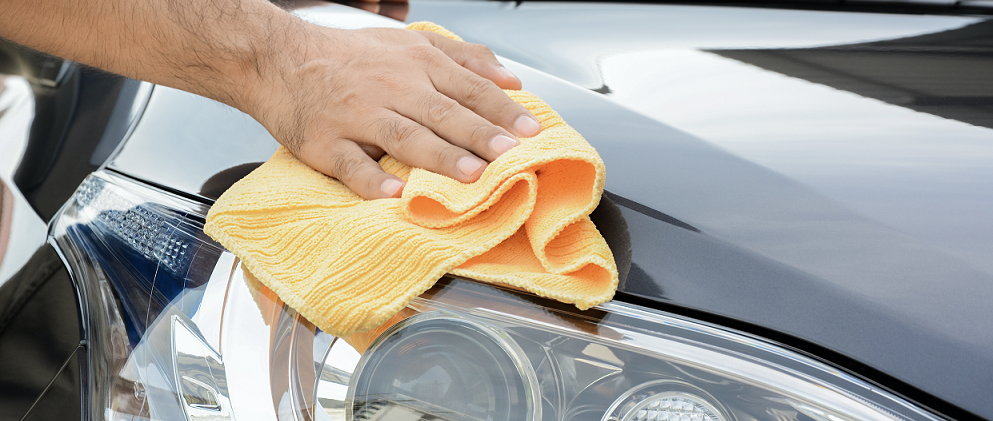
Image Source: static.foxdealer.com
The Impact of Pollen on Your Car
Pollen is essentially the male reproductive cell of flowering plants. It’s incredibly light and travels easily on the wind. When it settles on your car, it forms a yellowish film. While it might seem harmless, this yellow pollen on car can cause problems if left untreated.
- Abrasive Nature: Pollen grains are tiny but can have sharp edges. When you rub them against your car’s paintwork, especially with a dry cloth, you can create microscopic scratches. Over time, these scratches build up, making the paint look dull and worn.
- Acidic Properties: Some pollens can be slightly acidic. When combined with moisture from rain or dew, these acidic compounds can etch into your car’s clear coat, leaving permanent marks.
- Staining: Prolonged exposure to pollen, especially when it’s wet, can lead to staining. This is particularly noticeable on lighter-colored vehicles. This is where car pollen stain removal becomes important.
- Clogging: In extreme cases, heavy pollen buildup can potentially clog air intake vents, affecting your car’s performance and air quality inside the cabin.
Preparing for Pollen Removal
Before you start the car pollen cleaning process, gathering the right supplies is key. Having everything ready will make the job much smoother and more effective. Think of this as your initial car detailing pollen prep work.
Essential Supplies
Here’s a list of what you’ll need for a thorough pollen removal from car exterior:
- Two Buckets: One for soapy water and one for rinsing your wash mitt. This prevents transferring dirt and pollen back onto your car.
- Car Wash Soap: Use a pH-neutral car wash soap. Avoid dish soap, as it can strip protective waxes and sealants from your car’s paint.
- Wash Mitt: A microfiber or sheepskin wash mitt is gentle on paint and effectively lifts dirt.
- Microfiber Drying Towels: High-quality, plush microfiber towels are crucial for drying your car without scratching.
- Hose with Spray Nozzle: For rinsing.
- Glass Cleaner: A good quality glass cleaner specifically for automotive use.
- Glass Microfiber Towels: Separate towels for cleaning and drying windows.
- Wheel Cleaner (Optional): If pollen has accumulated on your wheels.
- Tire Dressing (Optional): To finish off the wheels and tires.
- Bug and Tar Remover (Optional): If pollen has mixed with other contaminants.
Choosing Your Location
The best way to clean pollen from car involves selecting the right environment.
- Shade is Best: Always try to wash your car in the shade. Direct sunlight can cause soap and water to dry too quickly, leaving water spots and streaks.
- Avoid Windy Days: While you can’t always control the weather, trying to wash your car on a less windy day will minimize the amount of new pollen dust on car landing while you work.
Step-by-Step Guide to Pollen Removal
Now, let’s get to the core of car pollen cleaning. This detailed guide will walk you through each stage.
Step 1: Pre-Rinse the Vehicle
This is a crucial first step in pollen removal from car exterior.
- Thorough Rinse: Start by rinsing your entire car with water from the hose. Use a strong spray to dislodge as much loose pollen as possible. Focus on areas where pollen tends to accumulate, like the grille, windshield wipers, and panel gaps. This initial rinse removes a significant amount of the yellow pollen from car before you even touch the paint with a mitt.
Step 2: Wash the Wheels and Tires (Optional but Recommended)
Wheels often accumulate more brake dust and road grime, which can mix with pollen.
- Separate Mitt: If you have a dedicated wash mitt for wheels, use it now. This prevents transferring brake dust onto your paint.
- Apply Wheel Cleaner: Spray wheel cleaner onto the wheels and tires, following the product’s instructions.
- Agitate and Rinse: Use a wheel brush to scrub stubborn grime. Rinse the wheels thoroughly.
Step 3: The Two-Bucket Wash Method
This is the gold standard for safe car pollen cleaning.
- Fill Buckets: Fill one bucket with your car wash soap and water mixture. Fill the second bucket with plain rinse water.
- Wash Mitt Technique:
- Dip your wash mitt into the soapy water bucket.
- Wash one section of your car at a time, working from the top down (roof, hood, trunk, then sides).
- Use straight-line motions, not circles. This minimizes the risk of creating swirl marks.
- After washing a section, rinse the wash mitt thoroughly in the plain water bucket. Rub it against the grit guard if you have one.
- Dip the rinsed mitt back into the soapy water bucket and move to the next section.
- Repeat: Continue this process until the entire car is washed. This method ensures that any pollen or grit removed from the car is left behind in the rinse bucket, not transferred back onto the paint. This is a key aspect of pollen wash for cars.
Step 4: Rinse Off the Soap
- Thoroughly Rinse: Once the entire car is washed, rinse it completely with the hose. Start from the top and work your way down. Ensure all soap residue is removed. Pay attention to crevices and panel gaps.
Step 5: Drying the Car
Proper drying is as important as washing to prevent water spots and new pollen from adhering.
- Use Microfiber Towels: Gently pat or blot the car dry with your plush microfiber drying towels. Avoid rubbing motions.
- Work Top Down: Again, start from the top and work your way down.
- Change Towels: If a towel becomes saturated, switch to a dry one. You might need several towels for a large vehicle.
Step 6: Cleaning the Windows and Mirrors
This is where how to clean pollen off car windows comes into play. Pollen can make windows streaky and reduce visibility.
- Spray Glass Cleaner: Spray a dedicated automotive glass cleaner onto a clean microfiber glass towel. Avoid spraying directly onto the window, as overspray can land on cleaned paintwork.
- Wipe in One Direction: Wipe the window in a consistent direction (e.g., horizontal on the outside, vertical on the inside). This helps identify which side of the glass the streaks are on.
- Buff Dry: Use a second, dry microfiber glass towel to buff the window until it’s streak-free.
- Don’t Forget Mirrors: Clean your side mirrors and rearview mirror using the same method.
Step 7: Cleaning the Interior (Optional but Important)
While this guide focuses on the exterior, pollen often finds its way inside your car.
- Vacuum: Thoroughly vacuum your carpets, floor mats, and upholstery. Pay attention to seams and under seats.
- Wipe Down Surfaces: Use an interior cleaner and a microfiber cloth to wipe down your dashboard, door panels, and center console.
- Air Vents: Use a soft brush or a microfiber detailing brush to clean pollen from air vents. You might need to replace your cabin air filter if pollen buildup is significant.
Advanced Techniques for Stubborn Pollen
Sometimes, pollen can be stubborn, especially if it’s been on the car for a while or has been baked on by the sun. Here are some tips for tackling tougher situations.
Dealing with Pollen Stains
If you’re facing car pollen stain removal, you might need a bit more power.
-
Clay Bar Treatment: For embedded pollen or light etching that washing alone doesn’t remove, a clay bar treatment is highly effective.
- Lubrication is Key: Use a clay lubricant or a diluted quick detailer spray.
- Gentle Rubbing: Gently glide the clay bar over the surface in straight lines. The clay will grab and lift the contaminants.
- Fold and Recharge: Fold the clay bar to expose a clean surface regularly. If you drop the clay, discard it.
- Follow Up: After claying, re-wash and dry the car. You might want to apply a wax or sealant for protection.
-
All-Purpose Cleaner (APC) for Tough Spots: A diluted All-Purpose Cleaner (APC) can sometimes help break down stubborn pollen, especially on trim or wheels. Always test in an inconspicuous area first and rinse thoroughly.
Protecting Your Car After Cleaning
Once you’ve completed your DIY car pollen cleaning, consider protecting your car’s finish.
- Wax or Sealant: Applying a quality car wax or paint sealant will create a protective barrier. This makes it harder for future pollen dust on car to adhere and makes cleaning easier. It also adds a layer of shine to your paint.
- Ceramic Coating: For longer-lasting protection, a ceramic coating is an excellent option. It provides superior protection against environmental contaminants, UV rays, and makes washing much easier.
Table: Pollen Cleaning Supplies Checklist
| Supply Name | Purpose | Notes |
|---|---|---|
| Two Buckets | Separate wash water from rinse water | Essential for the two-bucket method. Use grit guards if possible. |
| pH-Neutral Car Wash Soap | Safely cleans paint without stripping protection | Avoid dish soap. |
| Microfiber Wash Mitt | Gentle and effective for lifting dirt and pollen | Use a separate one for wheels if possible. |
| Microfiber Drying Towels | Absorb water without scratching | Plush, high-pile towels are best. |
| Hose with Spray Nozzle | Rinsing the vehicle | Provides good water pressure. |
| Automotive Glass Cleaner | Cleans windows without streaking | Look for ammonia-free formulas for tinted windows. |
| Microfiber Glass Towels | For cleaning and buffing windows | Separate from paint towels. |
| Clay Bar | Removes embedded contaminants and light imperfections | Requires lubricant. |
| Clay Lubricant / QD Spray | Lubricates surface for clay bar application | Quick detailer spray can often double as a lubricant. |
| Wax or Sealant | Protects paint and enhances shine | Apply after cleaning for best results. |
Frequently Asked Questions (FAQ)
Here are some common questions about dealing with pollen on your car.
Q1: How often should I wash pollen off my car?
A: Ideally, you should wash pollen off your car as soon as you notice a significant buildup, especially if it’s been raining or the pollen is wet. Leaving it on for extended periods, particularly in the sun, increases the risk of etching and staining. A general rule is to wash it every 1-2 weeks during peak pollen season.
Q2: Can I use a pressure washer to remove pollen?
A: Yes, you can use a pressure washer, but with caution. Set it to a lower pressure setting and keep the nozzle at a safe distance (at least 1-2 feet) from the paintwork. High pressure or holding the nozzle too close can damage paint, trim, or even force water into sensitive areas. Always start with a gentle rinse.
Q3: Is pollen harmful to car paint?
A: Yes, pollen itself isn’t inherently harmful, but when combined with moisture and UV rays, it can become acidic and cause etching or staining on your car’s clear coat. The physical act of trying to wipe dry pollen off without proper lubrication can also cause scratches.
Q4: What’s the difference between pollen and dust?
A: Pollen is a specific type of fine, powdery substance produced by flowering plants for reproduction. Dust is a broader term that can include soil particles, sand, fabric fibers, and other tiny airborne particles. On a car, both can settle, but pollen is particularly prevalent during certain seasons.
Q5: How do I remove yellow pollen stains from my car?
A: For yellow pollen stains that washing doesn’t remove, try a clay bar treatment after washing and drying. If the stains are deeper and feel like they are in the paint, you might need a polishing compound. Always start with the least aggressive method.
Q6: Can I use a leaf blower to remove pollen?
A: A leaf blower can be helpful for removing loose, dry pollen from larger areas like the hood or roof before washing. However, it won’t remove all of it, and it might just redistribute the pollen to other areas. It’s a good supplementary tool but not a replacement for washing.
Q7: What is a good DIY car pollen cleaning solution?
A: A simple DIY solution involves mixing a pH-neutral car wash soap with water in a bucket. For stubborn spots or to enhance cleaning, you can use a diluted all-purpose cleaner (follow product instructions carefully and test on a small area first).
Q8: How do I remove pollen from car windows without streaks?
A: Use a dedicated automotive glass cleaner sprayed onto a microfiber glass towel. Wipe the window with the towel in one direction. Then, use a second, dry microfiber glass towel to buff the window until it’s clear. Avoid using paper towels, which can leave lint.
By following these steps and tips, you can effectively tackle pollen dust on car surfaces, keeping your vehicle looking clean and protected throughout the seasons. Remember, consistent car pollen cleaning is key to maintaining your car’s paintwork.