
Can you protect your car from snow without a garage? Yes, absolutely! While a garage offers the best protection, there are many effective ways to shield your vehicle from the harsh effects of snow, ice, and freezing temperatures even without one. This guide will walk you through smart hacks and essential winter car care practices to keep your car in top shape.
Winter brings beautiful snowfalls, but it can also be tough on your car. Salt, ice, and moisture can cause damage. Without a garage, protecting your vehicle from these elements requires a bit more effort. We’ll explore various methods, from simple covers to clever DIY solutions, all aimed at making your winter a little easier and keeping your car protected from snow.
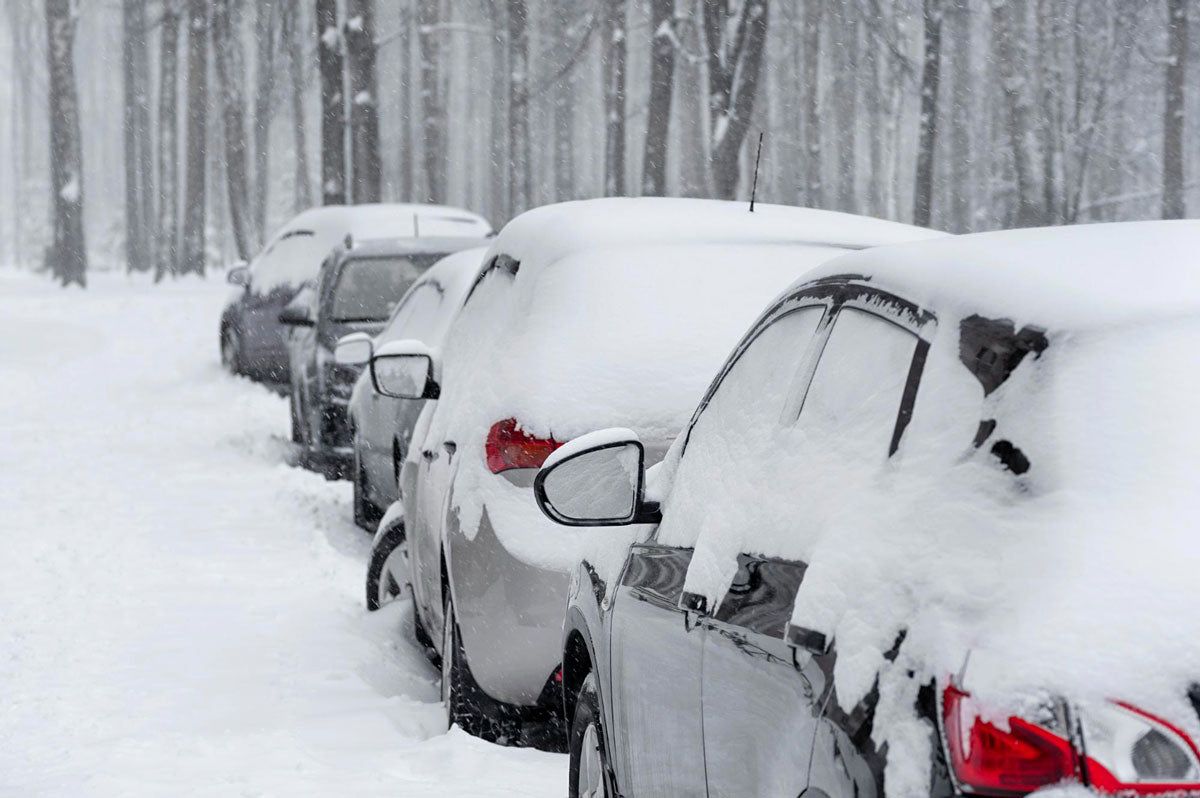
Image Source: cdn.sanity.io
The Impact of Snow and Ice on Your Vehicle
Before diving into protection methods, it’s helpful to know why it’s important. Snow and ice aren’t just inconvenient; they can actively harm your car.
Chemical Damage from Road Salt
Road salt, while crucial for melting ice and improving traction, is a major culprit in car corrosion. When salt mixes with moisture, it becomes highly corrosive.
- Metal Components: Salt can attack metal parts like the chassis, brake lines, exhaust system, and body panels, leading to rust and eventual structural weakness.
- Paint Finish: The salty slush kicked up by other vehicles can scratch and erode your car’s paint, exposing the metal underneath to further damage.
- Electrical Systems: Salt can seep into electrical connections, causing corrosion and potential malfunctions in sensors, lights, and even the engine control unit.
Physical Damage from Ice and Snow
Beyond chemicals, the sheer weight and texture of snow and ice can cause physical harm.
- Paint Scratches: Improperly clearing snow with hard brushes or scrapers can leave fine scratches on your car’s paint.
- Frozen Components: Doors, windows, and trunks can freeze shut, leading to broken seals or damaged mechanisms if forced open.
- Weight Stress: Heavy snow accumulation, especially on fragile parts like mirrors or antennas, can cause them to break.
- Windshield and Wiper Damage: Ice buildup can damage wiper blades, and frozen wipers can be torn from their mounts if you try to activate them without clearing the ice.
Extreme Temperatures
Cold weather itself can impact your car’s performance.
- Battery Life: Cold temperatures significantly reduce battery efficiency, making it harder to start your engine.
- Fluid Viscosity: Engine oil and other fluids become thicker in the cold, making it harder for the engine to run smoothly.
- Tire Pressure: Tire pressure drops in colder weather, affecting handling and fuel efficiency.
Essential Car Snow Protection Strategies
Protecting your car from snow without a garage means creating barriers and using smart practices. Here are key strategies for effective car snow protection.
High-Quality Snow Covers for Your Car
A dedicated snow cover for car is one of the most effective ways to shield your vehicle. These are designed to withstand harsh winter conditions.
Types of Car Tarp for Snow and Covers
- Full Vehicle Covers: These are the most comprehensive. They cover your entire car, offering protection from snow, ice, dust, and UV rays. Look for ones made from durable, waterproof, and breathable materials.
- Pros: Maximum protection for the entire vehicle.
- Cons: Can be bulky to store when not in use; requires careful installation to avoid scratches.
- Windshield Covers (Car Windshield Cover): These are specifically designed to cover your windshield, side mirrors, and sometimes even the roof. They are excellent for preventing frost and ice buildup on the most crucial viewing areas.
- Pros: Quick to install and remove; prevents frost and ice on glass, saving you scraping time.
- Cons: Only protects the glass and mirrors, not the rest of the car.
- Roof and Window Covers: Some covers are designed to protect specific areas, like just the roof and windows, offering a lighter alternative.
- Pros: Easier to handle and store than full covers.
- Cons: Limited protection for the car’s body.
What to Look for in a Good Snow Cover
- Material: Heavy-duty, waterproof, and UV-resistant materials are best. Look for multi-layer fabrics that offer insulation.
- Fit: Ensure the cover is the right size and shape for your car model for a snug fit. Many come with elastic hems and tie-downs.
- Durability: Check reviews for covers that hold up well in extreme temperatures and strong winds.
- Ease of Use: Consider how easy it is to put on and take off, especially when you’re in a hurry or dealing with cold hands.
DIY Car Snow Cover Solutions
If a commercial cover isn’t in your budget or you need a quick fix, DIY options can be surprisingly effective.
Using Tarps and Blankets
- Heavy-Duty Tarps: A large, sturdy tarp can be a makeshift car tarp for snow. Secure it firmly with bungee cords, weights, or even rope tied to your wheels.
- Pros: Inexpensive and readily available.
- Cons: Can be difficult to secure properly, may flap in the wind, and can trap moisture if not breathable.
- Old Blankets or Quilts: Thick blankets can offer some insulation and prevent light frost. Lay them over your car and secure them.
- Pros: Very cheap if you have old ones lying around.
- Cons: Not waterproof, so they can get soaked and freeze, becoming heavy and potentially damaging. Best for light frost protection.
Creating a Temporary Car Snow Shield
- Cardboard: Large pieces of cardboard can be cut to fit windshields and windows to prevent ice buildup. They can be held in place with the wiper blades or by tucking them into door frames.
- Pros: Cheap and easy to cut to size.
- Cons: Not waterproof; can disintegrate in wet snow.
- Pool Noodles: Cut pool noodles and place them along the edges of your windshield cover (like a tarp or cardboard) to create a seal and prevent snow from blowing underneath.
Pre-emptive Maintenance for Winter Car Care
Good winter car care is crucial. Addressing potential issues before winter hits can save you a lot of trouble.
Battery Check
- Test Your Battery: Cold weather is a major drain on batteries. Get your battery tested at an auto shop before winter.
- Clean Terminals: Corroded battery terminals can impede power flow. Clean them with a wire brush and a mixture of baking soda and water.
- Consider a Battery Blanket: If you have a block heater, a battery blanket can provide extra warmth to aid starting in extreme cold.
Tire Care
- Winter Tires: If you live in an area with significant snow and ice, investing in winter tires is highly recommended. They provide much better grip than all-season tires.
- Tire Pressure: Check your tire pressure regularly. As mentioned, it drops in cold weather. Proper inflation ensures optimal handling and safety.
- Tread Depth: Ensure your tires have sufficient tread depth for good traction.
Fluid Checks
- Antifreeze: Make sure your antifreeze is at the correct level and mixture to prevent your engine from freezing.
- Windshield Wiper Fluid: Use a de-icing windshield washer fluid to prevent the fluid from freezing in the lines and washer nozzles.
Wiper Blades
- Inspect and Replace: Worn-out wiper blades won’t clear your windshield effectively, especially in snowy conditions. Replace them if they’re cracked or leave streaks.
- Winter Wiper Blades: Consider specialized winter wiper blades that have a rubber boot to prevent ice buildup.
Snow Removal Best Practices
When snow does fall, clearing it properly is vital to avoid damage.
The Right Tools
- Snow Brush with Ice Scraper: A combination tool is essential. Ensure the brush bristles are soft enough not to scratch paint.
- Snow Shovel: A sturdy, lightweight shovel is useful for clearing snow around your tires if you get stuck or to create pathways.
- Car Snow Shield Brush: Some brushes have angled heads or extensions for easier reach.
Clearing Techniques
- Start from the Top: Always begin clearing snow from the roof and work your way down. This prevents snow from sliding onto already cleared windows.
- Gentle Brushing: Use light, sweeping motions with your snow brush. Avoid excessive pressure.
- Clear All Snow: Remove all snow and ice from windows, lights, mirrors, and the roof. Blocked lights are a safety hazard, and snow on the roof can become a projectile.
- Wiper Blades: Lift your wiper blades off the windshield before a snowfall or heavy frost to prevent them from freezing to the glass.
Protecting Your Windshield and Mirrors
These are critical for visibility and often the first to freeze over.
Car Windshield Cover and Mirror Covers
As mentioned earlier, dedicated windshield covers are excellent. Many also come with matching side mirror covers.
Anti-Frost Sprays
- Commercial Sprays: You can buy sprays designed to prevent frost formation on glass. Apply them the night before a cold snap.
- DIY Solutions: A mixture of rubbing alcohol and water (70% isopropyl alcohol, 30% water) can also help prevent frost. Spray it on the glass. Be cautious with this on painted surfaces.
Using Your Car’s Defroster Effectively
- Start Slow: When ice is present, start your car and let it idle for a few minutes to warm up the engine and defroster.
- Direct Airflow: Direct the defroster vents to the windshield and windows.
- Avoid Hot Water: Never pour hot water on a frozen windshield, as the rapid temperature change can cause the glass to crack.
Automotive Winter Storage and Protection
If you’re not using your car regularly during winter, proper automotive winter storage is key.
Long-Term Snow Protection
For cars that will be parked for an extended period, the protection needs to be more robust.
- Full Vehicle Covers: A high-quality, breathable, waterproof car tarp for snow is essential. Ensure it’s well-secured to prevent wind damage or shifting.
- Underbody Protection: If possible, try to park on a layer of cardboard or thick mats to prevent moisture from seeping up from the ground.
- Fuel Stabilizer: If storing for months, add a fuel stabilizer to prevent fuel degradation.
- Battery Tender: Connect a battery tender to maintain the battery’s charge.
- Pest Deterrents: Rodents can nest in cars. Place mothballs or dryer sheets in the engine bay and interior to deter them.
Protecting Car From Ice and Moisture Intrusion
Even when parked, cars can collect moisture.
- Ventilation: While covering your car, ensure the cover is breathable to allow trapped moisture to escape.
- Check Door Seals: Make sure door seals are in good condition. If they’re cracked, moisture can get into the cabin, leading to mold and mildew. You can treat seals with silicone spray to keep them supple.
Advanced Protection Methods and Hacks
Beyond basic covers, consider these extra measures.
Car Snow Shielding Innovations
- Magnetic Windshield Covers: These often attach via magnets to the car’s frame, providing a strong hold without requiring straps.
- Inflatable Car Covers: While more for storage, some inflatable systems can provide a protective bubble.
Smart Hacks for Daily Use
- Petroleum Jelly: Applying a thin layer of petroleum jelly to the edges of your car doors can prevent them from freezing shut. Wipe it off once spring arrives.
- Lock De-icer: Keep a small bottle of lock de-icer in your pocket or bag. Never use a lighter to warm up a frozen lock, as this can damage it.
- Hand Warmers: Place disposable hand warmers inside your car overnight to help prevent window condensation from freezing onto the inside of the glass.
Table: Comparing Car Protection Methods
| Method | Primary Benefit | Best For | Pros | Cons |
|---|---|---|---|---|
| Full Vehicle Cover | Comprehensive protection from snow, ice, elements | All-weather protection, longer parking | Maximum coverage, protects paint and components | Can be bulky, requires proper fit and securement |
| Windshield Cover | Prevents ice/frost on glass | Daily drivers, quick protection | Saves scraping time, maintains visibility | Only protects glass/mirrors, may blow off in high winds if not secured |
| DIY Tarps | Basic snow and debris protection | Budget-conscious, temporary | Inexpensive, adaptable | Can be difficult to secure, may trap moisture, not always aesthetically pleasing |
| Cardboard/Newspaper | Frost/ice prevention on glass | Short-term, budget-friendly | Very cheap, easy to cut | Not waterproof, easily damaged by moisture, not durable |
| Petroleum Jelly | Prevents doors from freezing shut | Cold, icy conditions | Effective, inexpensive, easy to apply | Needs reapplication, can attract dust |
| Snow Brush/Scraper | Removing snow and ice | Regular snow clearing | Essential for safe driving, readily available | Risk of paint scratches if used improperly or with worn tools |
Frequently Asked Questions (FAQ)
Q1: How often should I remove snow from my car if it’s parked outside?
You should remove snow whenever it accumulates significantly, especially before driving. It’s also important to clear your windshield, windows, and lights even if you’re not driving to prevent damage and ensure safety for others.
Q2: Can I use a leaf blower to clear snow from my car?
A leaf blower can be effective for clearing light, fluffy snow from your car’s surface. However, it won’t remove packed snow or ice, and the exhaust from the blower could potentially leave residue on your paint.
Q3: Is it bad to leave snow on my car for a long time?
Yes, leaving snow on your car for extended periods can be detrimental. The melting and refreezing cycle can create ice dams, potentially damaging seals and paint. The moisture trapped can also accelerate rust, and the weight of heavy snow can stress certain parts of the vehicle.
Q4: What is the best way to prevent my car doors from freezing shut?
Applying a thin layer of petroleum jelly or silicone spray to the rubber door seals is highly effective. This acts as a barrier against moisture freezing the rubber to the car frame. Keeping a lock de-icer handy is also crucial.
Q5: Can I wash my car in winter?
Yes, you can wash your car in winter, but it’s best to do so on a warmer day when temperatures are above freezing. Ensure you thoroughly dry all door seals, locks, and window channels afterward to prevent freezing. Avoid using high-pressure water directly on door seals, as it can force water into crevices.
By implementing these smart hacks and maintaining consistent winter car care, you can effectively protect your car from snow and ice, even without the luxury of a garage. Stay safe and enjoy the winter season!