
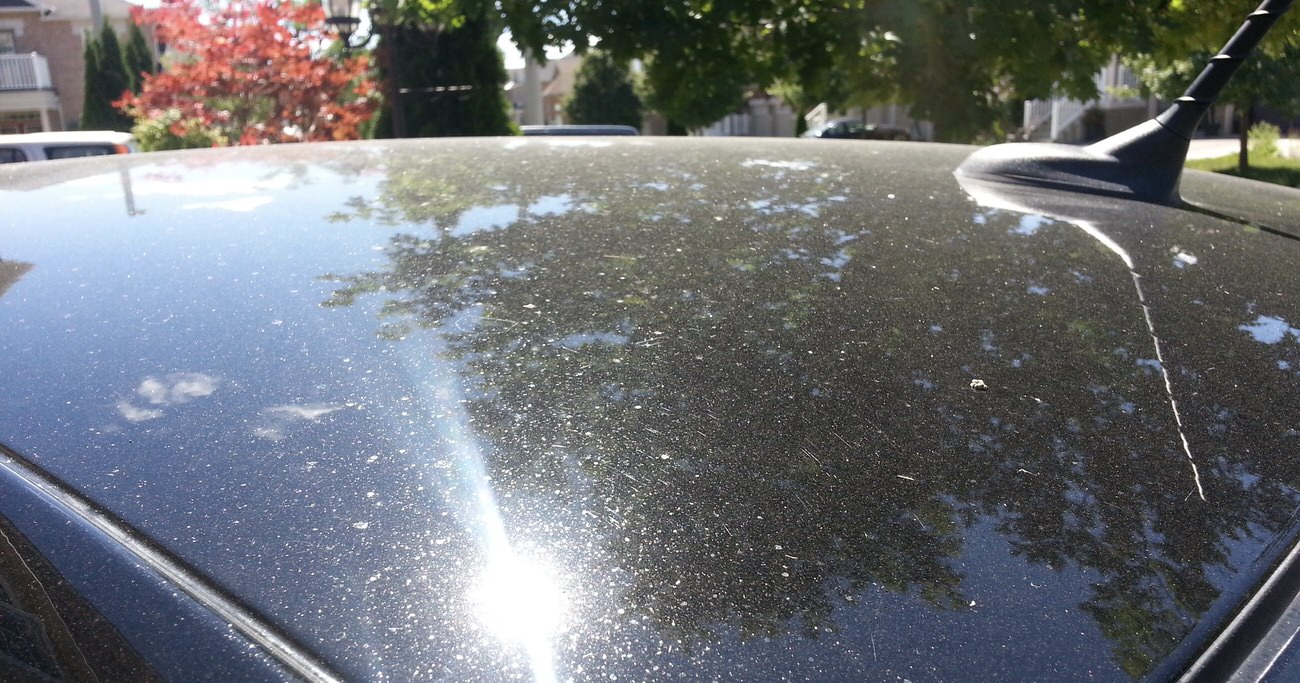
Image Source: cjsautobling.com
How to Prevent Tree Sap on Car: Your Quick Guide
Can you prevent tree sap from getting on your car? Yes, you can take proactive steps to minimize contact with tree sap. What is tree sap? Tree sap is a sticky, sugary liquid produced by trees, often during warmer months, and can cause significant cosmetic damage to your vehicle if not addressed promptly. This guide will walk you through effective methods to prevent tree sap from landing on your car and offer solutions for when it inevitably happens.
Why Tree Sap is a Problem for Your Car
Tree sap might seem harmless, but it’s a tenacious substance that can lead to lasting damage if left untreated. This sticky residue is more than just an unsightly mess; it’s an active agent of harm to your car’s paintwork.
The Nature of Sticky Tree Sap
When tree sap lands on your car, it’s like a tiny, sugary glue. Over time, especially under the sun’s heat, this sap hardens and bonds itself to your car’s clear coat. The longer it sits, the more difficult it becomes to remove. This is particularly true for sticky tree sap, which is often more concentrated and prone to bonding quickly.
How Tree Sap Damages Car Paint
The damage from tree sap isn’t just superficial. The acidic nature of some tree saps, combined with the way they bake into the paint under sunlight, can etch into your car’s finish. This means that even after you manage tree sap removal, you might be left with dull spots or even permanent discoloration. Fathoming this damage means recognizing that time is of the essence when sap makes contact.
The Impact of Tree Sap Stains on Car Paint
Tree sap stains on car paint are a common frustration for car owners. These stains can appear as yellow, brown, or even black marks, depending on the tree and how long the sap has been present. They detract from your car’s appearance and can lower its resale value. The goal is to avoid these stains altogether or to tackle them before they become deeply set.
Proactive Strategies to Prevent Tree Sap on Your Car
The best offense is a defense. By implementing a few preventative measures, you can significantly reduce the chances of your car becoming a sticky target for tree sap.
Choosing Parking Spots Wisely
Where you park your car makes a huge difference. Always consider the trees above and around your parking area.
Avoiding Sap-Dripping Trees
Some tree species are notorious for dripping sap. Oaks, maples, and pines are common culprits. If you know a particular tree is a sap producer, steer clear. Look for signs like sticky residue on the ground beneath the tree.
Seeking Shaded Parking
While shade is good for keeping your car cool, it can sometimes be misleading. Some shade trees are also heavy sap producers. Always look up before you park.
Utilizing Parking Garages and Covered Areas
The most effective way to avoid tree sap is to park in a covered environment. Parking garages, carports, or even shaded multi-story structures offer complete protection from falling sap. This is the most foolproof method.
Protecting Your Car’s Finish
You can add layers of protection to your car’s paint to make sap removal easier.
Waxing and Sealing Your Car
A good coat of car wax or a ceramic sealant acts as a barrier between the tree sap and your car’s paint.
- Wax: Provides a sacrificial layer that can be reapplied regularly. It offers good protection and a nice shine.
- Sealant: Typically lasts longer than wax and offers enhanced durability against environmental contaminants, including tree sap.
Regular waxing or sealing makes it much harder for sap to bond directly to the paint.
Using Car Covers
A high-quality car cover is an excellent investment if you frequently park outdoors. It provides a physical barrier against sap, bird droppings, and other airborne debris. Make sure the cover is breathable to prevent moisture buildup.
What to Do When Tree Sap Lands on Your Car
Despite your best efforts, sometimes tree sap is unavoidable. Knowing how to deal with it quickly is key to preventing damage.
The Importance of Immediate Action
The longer tree sap sits on your car, the harder it is to remove. Acting fast is the most critical step in cleaning sap from car paint.
The Bonding Process
As mentioned earlier, tree sap hardens and bonds to your car’s clear coat when exposed to heat and UV rays. This makes it difficult to scrape or wipe off without damaging the paint.
Why Quick Removal is Crucial
Tree sap removal is significantly easier when the sap is fresh and has not had time to cure. Prompt action saves you time, effort, and potential damage to your car’s finish.
Safe and Effective Tree Sap Removal Methods
There are several ways to tackle tree sap, ranging from commercial products to simple DIY solutions.
Using Dedicated Car Sap Removers
The market offers a variety of car sap remover products specifically designed for this task. These are often the most effective and safest options.
- Commercial Sprays: Many detailing brands offer sprays that are formulated to break down tree sap without harming your car’s paint. Always follow the product instructions carefully.
- Detailing Wipes: Pre-moistened wipes infused with sap-removing agents are convenient for quick cleanups.
When choosing a best sap remover for cars, look for products that are paint-safe and explicitly state they are for tree sap.
What About Homemade Tree Sap Remover Options?
Many people wonder if there are homemade tree sap remover solutions. Some common household items can be effective, but caution is advised.
- Rubbing Alcohol (Isopropyl Alcohol): Diluted rubbing alcohol can be effective. Mix one part isopropyl alcohol with one part water. Apply to a microfiber cloth and gently wipe the sap. Test in an inconspicuous area first, as high concentrations can damage some finishes.
- WD-40: This lubricant can sometimes help loosen sap. Spray a small amount onto the sap, let it sit for a minute, then gently wipe. Ensure you wash the area thoroughly with soap and water afterward, as WD-40 can leave an oily residue.
- Baking Soda Paste: Mix baking soda with a little water to form a paste. Gently rub the paste onto the sap with a soft cloth. Rinse thoroughly. Be careful not to scrub too hard, as baking soda is abrasive.
Always rinse the area thoroughly with water and car wash soap after using any homemade solution to remove any residue.
The Role of a Car Wash in Sap Removal
A standard car wash sap removal might not be enough if the sap has been on for a while or is particularly stubborn. However, a good wash with a quality car shampoo is always a good first step, especially for fresh sap.
- Pre-wash Rinse: Thoroughly rinse the car to remove loose dirt and debris.
- Hand Wash: Use a dedicated car wash mitt and a pH-neutral car shampoo. Gently wash the affected area.
- Rinse and Dry: Rinse the car completely and dry it with a clean microfiber towel.
If the sap remains after a thorough wash, you’ll need to move to more targeted methods.
Step-by-Step Guide to Removing Tree Sap
Here’s a detailed process for tackling stubborn tree sap.
Step 1: Assess the Sap
First, look at the sap. Is it fresh and sticky, or is it hardened and baked on? This will determine the intensity of your cleaning method.
Step 2: Initial Cleaning Attempt
Start with the gentlest method.
Gentle Washing
A good wash with car shampoo and water might remove fresh sap. Use a microfiber wash mitt to avoid scratching the paint.
Using a Clay Bar
If washing isn’t enough, a clay bar can be very effective.
- Purpose of Clay Bar: A clay bar is designed to lift contaminants from your car’s paint surface that regular washing cannot remove.
- How to Use: Lubricate the area with a clay lubricant or a spray bottle filled with water and a few drops of car wash soap. Gently glide the clay bar over the sap. You should feel it start to lift. Fold the clay as it picks up sap to expose a clean surface.
Step 3: Targeted Tree Sap Removal Techniques
For tougher spots, you’ll need something more potent.
Using a Commercial Car Sap Remover
- Application: Spray the car sap remover directly onto the sap.
- Dwell Time: Allow the product to sit for the time recommended on the label, usually a few minutes, to break down the sap.
- Wiping: Use a clean microfiber towel to gently wipe away the dissolved sap. You might need to repeat this process for stubborn patches.
Applying Homemade Solutions (with Caution)
- Alcohol-Based: Lightly dampen a microfiber cloth with your diluted alcohol solution. Dab at the sap, then gently rub. Avoid aggressive rubbing.
- WD-40: Spray a small amount on the sap. Let it sit for a minute. Wipe with a microfiber cloth.
- Baking Soda Paste: Apply the paste to the sap. Use a soft cloth and gently rub in a circular motion. Rinse thoroughly.
Remember to always test any product or solution in an inconspicuous area first.
Step 4: Post-Removal Care
Once the sap is gone, protect your paint.
Rinsing and Washing
After using any cleaning agent, it’s crucial to wash the area thoroughly with car shampoo and water to remove any chemical residue.
Drying
Gently dry the area with a clean, soft microfiber towel.
Protecting the Paint
- Apply Wax or Sealant: After removing the sap, it’s a good idea to reapply a coat of wax or sealant to the cleaned area. This restores the protective layer and helps prevent future issues. This is especially important if the sap had started to etch the paint.
Factors Affecting Tree Sap Removal
Several variables influence how easily you can remove tree sap.
Type of Tree
Different trees produce sap with varying chemical compositions. Some are stickier and more acidic than others.
Age of the Sap
Fresh sap is generally much easier to remove than sap that has been on your car for days or weeks.
Weather Conditions
Heat and direct sunlight bake sap into the paint, making it harder to remove. Humid or rainy conditions might make it slightly easier to soften, but can also spread it further.
Car’s Paint Condition
A car with a well-maintained paint finish, including a good layer of wax or sealant, will be more resistant to sap bonding than a car with neglected paint.
What NOT to Do When Removing Tree Sap
Certain actions can cause more harm than good.
Avoid Harsh Scrubbing
Never use abrasive materials like paper towels, rough sponges, or scouring pads. These will scratch your paint.
Do Not Use Household Cleaners Not Designed for Cars
Avoid using general household cleaners like window cleaner, kitchen degreasers, or all-purpose cleaners unless they are specifically approved for automotive paint. They can strip away wax and damage the clear coat.
Do Not Scrape with Sharp Objects
Never use razor blades, knives, or other sharp objects to scrape off hardened sap. This will almost certainly scratch your paint.
Frequently Asked Questions About Tree Sap on Cars
Here are some common questions car owners have about dealing with tree sap.
Q1: How long can tree sap stay on my car before it causes permanent damage?
A1: Tree sap can start to etch into your car’s clear coat within hours, especially in hot, sunny weather. The longer it remains, the greater the risk of permanent damage. Aim to remove it as soon as possible, ideally within 24-48 hours.
Q2: Is it safe to use bug and tar remover for tree sap?
A2: Yes, many bug and tar removers are also effective at breaking down tree sap due to their solvent properties. However, always test in an inconspicuous area first, and ensure you wash the area thoroughly with car soap afterward to remove any residue.
Q3: Can I wash my car at an automatic car wash if I have tree sap?
A3: While an automatic car wash might remove some lighter sap, it’s generally not recommended for stubborn or hardened sap. The harsh brushes can sometimes smear the sap and potentially scratch your paint if the sap is already bonded. Hand washing with appropriate products is safer.
Q4: What is the best way to protect my car from tree sap during spring and summer?
A4: The best protection involves a combination of parking in protected areas (garages, carports), applying a quality car wax or ceramic sealant regularly, and being vigilant about any sap spots that do appear, removing them promptly.
Q5: My car has hardened tree sap stains. What’s the strongest product I can use?
A5: For hardened stains, you might need a dedicated automotive-grade sap and tar remover, or a clay bar treatment. If the paint is etched, you might need to consult a professional detailer for paint correction. Always start with the least aggressive method that is effective.
By following these preventative measures and removal techniques, you can keep your car looking its best and protect its paintwork from the sticky menace of tree sap. Remember, prompt action is your greatest ally in the battle against tree sap stains on car paint.