
Can you get video of a car accident from traffic cameras? Yes, it is often possible to obtain traffic camera video of a car accident. This guide will walk you through the steps involved in requesting and acquiring this valuable evidence. Obtaining surveillance footage can be crucial for accident reconstruction, insurance claims, and legal proceedings, making evidence acquisition for traffic accident investigations a priority for many.
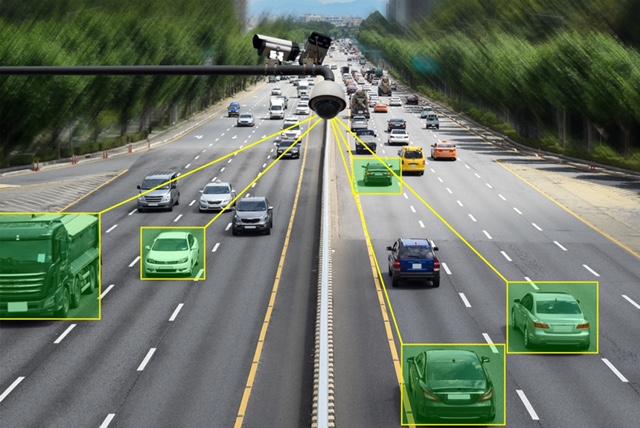
Image Source: www.romanowlawgroup.com
The Importance of Traffic Camera Footage
Traffic camera footage can be a game-changer in a car accident case. It provides an objective, unbiased record of what happened. Unlike eyewitness accounts, which can be prone to misremembering or subjective interpretation, video evidence captures the event as it unfolded. This makes it incredibly powerful for establishing fault, understanding the sequence of events, and supporting your case. Whether you’re dealing with an insurance company or navigating the complexities of civil litigation, video evidence can solidify your claims.
Why Video Evidence Matters
- Objectivity: Cameras record without personal bias.
- Detail: Footage can reveal crucial details like speed, light signals, and driver actions.
- Verification: It can corroborate or refute statements from involved parties.
- Proof of Fault: Clear video can definitively assign blame.
Initial Steps After an Accident
The moments immediately following an accident are critical for preserving potential evidence. While your safety and well-being are paramount, keep the possibility of obtaining traffic camera video in mind.
Securing Your Safety and Gathering Basic Information
- Ensure Safety: Move vehicles to a safe location if possible, or ensure you are out of harm’s way.
- Call Emergency Services: Report the accident, especially if there are injuries or significant damage.
- Exchange Information: Get contact and insurance details from all parties involved.
- Document the Scene: Take photos and videos of the accident scene from various angles. Note the location of traffic lights, signs, and any visible cameras.
Identifying Potential Camera Locations
Think about where cameras might be situated. This includes:
- Traffic Signal Poles: Many intersections are equipped with cameras for traffic management and surveillance.
- Businesses: Stores, restaurants, and office buildings often have exterior surveillance cameras that might cover the roadway.
- Government Buildings: Public facilities might have cameras monitoring surrounding areas.
- Residential Properties: Some homes have security cameras that could capture a wider view.
- Dashcams: While not traffic cameras, other vehicles at the scene might have dashcam recording retrieval capabilities.
The Process of Requesting Traffic Camera Footage
The procedure for obtaining traffic camera video varies significantly depending on who operates the cameras and your jurisdiction’s laws.
Who Operates Traffic Cameras?
Traffic cameras are typically managed by government entities, most commonly:
- Department of Transportation (DOT): State or local DOTs often manage cameras for traffic flow monitoring.
- Law Enforcement Agencies: Police departments may use cameras for traffic enforcement and accident investigations.
- Municipalities/City Governments: City public works or transportation departments can also operate these systems.
Making a Formal Request
The most effective way to obtain this footage is through a formal request. This usually involves a traffic camera footage request submitted to the relevant authority.
Filing a Public Records Request
In many jurisdictions, traffic camera footage is considered a public record. You can leverage public records request traffic camera laws to obtain this information.
- Identify the Responsible Agency: Determine which government body manages the cameras at the accident location. This might involve contacting your local police department or city hall to inquire about traffic camera oversight.
- Locate the Correct Department: Once identified, find the specific department or division responsible for records requests.
- Craft Your Request:
- Be Specific: Clearly state the date, time, and exact location of the accident. Provide cross streets and landmarks.
- Specify the Footage: Request video footage from all cameras that may have captured the incident, including traffic signals, intersection cameras, and any other relevant surveillance.
- State Your Purpose: Briefly explain why you need the footage (e.g., for an insurance claim, accident investigation).
- Provide Contact Information: Ensure they have your name, address, and phone number.
- Include Case Information: If a police report was filed, include the report number and the investigating officer’s name.
- Submit the Request: Follow the agency’s specified procedure for submitting requests, which may include online forms, email, mail, or in-person submission. Keep a copy of your submitted request for your records.
Timelines for Footage Retention
It’s crucial to act quickly. Traffic accident investigation video is often retained for a limited time.
- Short Retention Periods: Many systems, especially those used purely for traffic monitoring, might only store footage for a few days or weeks.
- Active Investigations: If law enforcement is actively investigating the accident, the footage may be held longer as part of the investigation file. This can include police department dashcam video if officers responded to the scene.
Table: Typical Footage Retention Periods (Illustrative)
| Camera Type | Typical Retention | Notes |
|---|---|---|
| Traffic Signal Cameras | 7-30 days | May be overwritten quickly. |
| Police Surveillance | Varies | Held longer if part of an active investigation. |
| Business Surveillance | 30-90 days | Standard for many private security systems. |
Note: These are general guidelines. Actual retention policies vary widely by jurisdiction and agency.
What If the Footage Isn’t Public Record?
If the cameras are privately owned (e.g., by a business), they are not subject to public records laws. In these cases, you will need to:
- Identify the Business: Determine which business’s cameras might have captured the event.
- Contact the Business Directly: Politely explain the situation and request access to their surveillance footage.
- Formal Letter: If a verbal request is unsuccessful, a formal letter outlining your request and purpose may be more effective.
- Legal Counsel: If the business refuses to cooperate, you may need to involve an attorney who can issue a subpoena or demand letter.
Working with Law Enforcement
Law enforcement agencies often have the most immediate access to relevant footage, especially if they responded to the accident scene.
The Role of the Police Report
When police respond to an accident, they create an official police report. This report is a vital document in the evidence acquisition traffic accident process.
- Incident Details: It includes information about the vehicles, drivers, witnesses, and the initial assessment of fault.
- Camera Information: The responding officer may note the presence of any traffic cameras or surveillance systems that could provide footage.
- Evidence Collection: If officers collect video evidence themselves (e.g., from a dashcam recording retrieval of a witness), it will be documented in the report.
Requesting Footage from the Police Department
If the police have secured accident video evidence, you can request it.
- Obtain the Police Report: Get a copy of the official accident report.
- Identify the Investigating Officer: Note the name and badge number of the officer who investigated the accident.
- Follow Department Procedures: Contact the police department’s records division or the specific precinct that handled the accident. They will have a process for releasing evidence.
- Be Prepared for Fees: There may be administrative fees for copying and processing the footage.
- Patience is Key: The release of evidence can sometimes take time, especially if the investigation is ongoing.
Police Department Dashcam Video
If police officers were at the scene and their dashcams captured relevant information, this police department dashcam video can also be a crucial piece of evidence. The process for obtaining this is similar to requesting other police records, usually through the department’s records division.
Legal Strategies for Obtaining Footage
When informal requests are not enough, legal avenues can be pursued. This is where civil litigation video evidence becomes particularly important.
Hiring an Attorney
An experienced personal injury attorney can significantly streamline the process of obtaining traffic camera video.
- Expertise: Attorneys know the local laws, the correct agencies to contact, and the proper procedures.
- Legal Demands: They can issue formal demand letters or subpoenas to compel the release of footage.
- Negotiation: They can negotiate with businesses or government entities on your behalf.
- Preservation Letters: An attorney can send a preservation letter to relevant parties, legally requiring them to preserve any potential evidence, including video footage. This is critical to prevent footage from being overwritten.
Subpoenas and Court Orders
If all other attempts fail, your attorney can seek a subpoena or court order to compel the production of the video evidence. This is a powerful legal tool to ensure evidence acquisition traffic accident is successful.
- Legal Basis: A subpoena is a court order requiring a person or entity to produce evidence.
- Court Order: A judge can issue a court order if the evidence is deemed essential for a legal case.
Private Surveillance Footage
Beyond official traffic cameras, private surveillance systems are a significant source of obtaining surveillance footage.
Businesses and Private Property
Many businesses have security cameras pointed at parking lots, entrances, and the street.
- Location Identification: As mentioned earlier, identify businesses near the accident site.
- Direct Contact: The most common method is to contact the business directly.
- Courtesy and Persistence: Be polite and persistent. Businesses are not legally obligated to share footage unless compelled by law or a court order.
- Time Sensitivity: Emphasize the urgency due to limited storage.
Residential Security Cameras
Homeowners often have doorbell cameras or driveway cameras that might capture relevant angles.
- Neighborly Approach: If you know your neighbors, approach them politely to inquire about their camera footage.
- Offer Assistance: You might offer to help them retrieve the footage or cover any associated costs.
- Privacy Concerns: Respect their privacy. If they are unwilling to share, do not pressure them excessively.
Challenges and Considerations
Obtaining traffic camera video isn’t always straightforward. Be prepared for potential obstacles.
Footage is Not Always Available
- No Cameras Present: There might simply be no cameras covering the specific location of the accident.
- Camera Malfunctions: Cameras can be out of order or not recording at the time of the incident.
- Blind Spots: Even if cameras are present, they might not have captured the specific angle or moment you need.
Footage Retention Policies
As highlighted earlier, footage retention periods are often short. Delaying your request significantly reduces your chances of success.
Privacy Laws and Regulations
While you are seeking public records or general surveillance, privacy concerns can sometimes be raised, especially with residential cameras.
Costs Associated with Footage
Some agencies or businesses may charge fees for retrieving, copying, or storing the footage. These costs can vary.
Maximizing Your Chances of Success
To increase your likelihood of obtaining the video evidence you need:
Act Swiftly
The sooner you initiate your traffic camera footage request, the better. Time is your biggest enemy due to data deletion policies.
Be Thorough in Your Request
Provide as much detail as possible about the accident location, date, and time. This helps agencies or businesses locate the correct footage efficiently.
Follow Up Consistently
If you haven’t received a response to your request within the expected timeframe, follow up politely.
Document Everything
Keep records of all communications, requests, and any fees paid.
Consider Professional Help
If the accident is serious or the footage is critical, hiring a personal injury lawyer is often the most effective strategy for successful evidence acquisition traffic accident. They can handle the complexities of the request and use legal means if necessary.
Frequently Asked Questions (FAQ)
Q1: How long does traffic camera footage typically get saved?
A1: This varies greatly by jurisdiction and camera operator. Many traffic signal cameras only save footage for 7 to 30 days, while police recordings might be held longer, especially if part of an active investigation. It’s crucial to request footage as soon as possible.
Q2: Can I get footage if the accident wasn’t reported to the police?
A2: Yes, you can still request footage. However, without a police report number, identifying the correct agencies or businesses might be more challenging. You’ll need to rely on your own documentation of the scene and camera locations.
Q3: What if the footage shows I was partially at fault?
A3: The footage is objective evidence. If it reveals any fault on your part, it’s important to be prepared to address this with insurance adjusters or legal counsel. An attorney can help you navigate these complex situations and explain how comparative negligence might apply.
Q4: Are there fees to obtain traffic camera footage?
A4: Yes, government agencies and sometimes private entities may charge fees for administrative costs, copying, or data retrieval. These fees are usually modest but can add up depending on the amount of footage.
Q5: What should I do if a business refuses to provide surveillance footage?
A5: If a business has footage relevant to your accident but refuses to share it, your next step would typically be to consult with an attorney. They can issue a formal demand letter or a subpoena to legally compel the release of the footage as part of discovery in a legal case.
This comprehensive guide should equip you with the knowledge to navigate the process of obtaining traffic camera video of a car accident. Remember that prompt action, thoroughness, and potentially professional legal assistance are key to successful evidence acquisition traffic accident and securing crucial accident video evidence.