
What percentage of car accident cases go to trial? Typically, a very small percentage of car accident cases end up going to trial. Most are resolved through settlement or other forms of dispute resolution.
Deciding whether a car accident case will proceed to court can feel like navigating a maze. Many people involved in car accidents wonder about the likelihood of their case actually reaching a courtroom. The answer, in short, is that most car accident cases do not go to trial. Instead, they are resolved through other avenues. This blog post aims to shed light on the real numbers behind this question, exploring settlement rates, trial frequency, and the various paths claim resolution can take. We’ll delve into the world of personal injury lawsuits and the mechanisms of dispute resolution that often prevent cases from reaching a full trial.
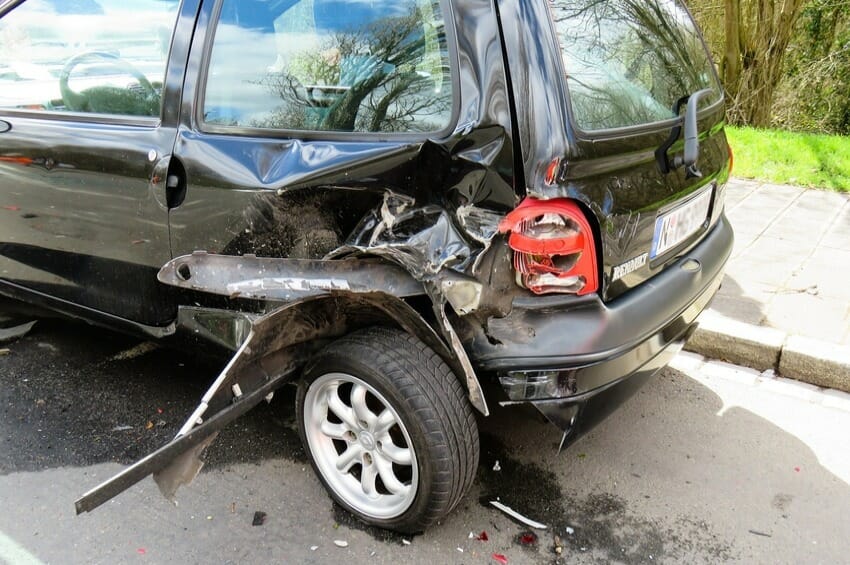
Image Source: www.manninjurylaw.com
The Settlement Landscape
The vast majority of car accident cases find their conclusion long before a judge or jury has a chance to hear them. This is primarily due to the prevalence of settlements. A settlement is a formal agreement where the parties involved agree to resolve the dispute without a court judgment. This is a mutually beneficial outcome for many, as it saves time, money, and the emotional toll of a protracted legal battle.
Several factors contribute to the high settlement rates in car accident claims:
- Risk Aversion: Both the plaintiff (the injured party) and the defendant (the party at fault) face risks if a case goes to trial. The plaintiff might receive less than they expect, or even nothing, if the jury finds in favor of the defendant. The defendant, on the other hand, could face a much larger judgment than initially anticipated. A settlement allows both sides to control the outcome to some extent.
- Cost of Litigation: Pursuing a case through a full trial is incredibly expensive. Attorney fees, expert witness costs, court filing fees, and other expenses can quickly escalate. Settling early often means significantly lower legal costs for both parties.
- Time Investment: Trials can take months, or even years, to conclude. This is a substantial time commitment for everyone involved, including witnesses and the parties themselves. Settlements provide a much faster claim resolution.
- Uncertainty of Verdicts: Juries are unpredictable. Even with strong evidence, there’s no guarantee of a favorable verdict. Settlements eliminate this uncertainty, providing a known outcome.
Common Settlement Mechanisms
While “settlement” is a broad term, it encompasses several specific ways cases can be resolved without trial:
- Direct Negotiation: This is the most common method, where the injured party or their attorney negotiates directly with the at-fault party’s insurance company.
- Demand Letter: An attorney will typically send a demand letter to the insurance company outlining the details of the accident, the injuries sustained, and the damages sought. This often initiates the negotiation process.
- Arbitration: In some cases, parties may agree to submit their dispute to an arbitrator (or a panel of arbitrators) who will hear evidence and make a binding decision. This is a more formal process than direct negotiation but less formal than a trial. Arbitration can be a faster and less expensive alternative to court.
- Mediation: This involves a neutral third party, the mediator, who facilitates discussions between the parties to help them reach a voluntary agreement. The mediator does not make a decision but guides the conversation towards a mutually acceptable resolution. Mediation is a non-binding form of dispute resolution.
Deciphering Trial Frequency
While settlements are the norm, understanding the actual trial frequency is crucial for a complete picture. Litigation statistics consistently show that only a small fraction of personal injury lawsuits related to car accidents actually proceed to a full jury trial.
Estimates vary depending on the jurisdiction and the specific types of cases included, but it’s generally accepted that anywhere from 5% to 10% of car accident cases might go to trial. Some sources suggest this number could be even lower, with some studies indicating that as few as 2% to 3% of all filed personal injury lawsuits reach a verdict.
Table 1: Typical Car Accident Case Resolution Paths
| Resolution Path | Approximate Percentage of Cases | Key Characteristics |
|---|---|---|
| Settlement | 85% – 95% | Agreement reached between parties before trial; negotiation, demand letters. |
| Arbitration/Mediation | 3% – 7% | Formal or informal dispute resolution involving a neutral third party; binding or non-binding. |
| Trial | 2% – 5% | Case heard by a judge or jury; involves presentation of evidence and arguments. |
| Case Dismissal/Withdrawal | 1% – 2% | Case dropped due to lack of evidence, procedural issues, or other reasons. |
Note: These percentages are estimates and can fluctuate based on various factors.
The data suggests a clear preference for dispute resolution methods that avoid the courtroom. This is a testament to the efficiency and cost-effectiveness of settlements and alternative dispute resolution (ADR) methods.
What Influences the Decision to Go to Trial?
While most cases settle, certain circumstances can push a personal injury lawsuit towards a trial. These often involve situations where a fair settlement cannot be reached, or where there are significant disputes regarding liability or damages.
Key factors that may lead to a trial include:
- Disagreements on Liability: If there is a genuine dispute about who was at fault for the accident, or if fault is shared, a trial might be necessary to determine responsibility.
- Disputes Over the Extent of Injuries: Insurance companies may dispute the severity or cause of the plaintiff’s injuries, leading to a disagreement on the value of the claim. This is particularly common in cases involving soft tissue injuries or pre-existing conditions.
- High Value Claims: Cases involving severe injuries, permanent disabilities, or significant economic losses (like lost wages) often have higher settlement demands, making negotiations more complex and potentially leading to trial if a significant gap remains.
- Punitive Damages Sought: In cases of egregious negligence or intentional misconduct (though rare in typical car accidents), plaintiffs might seek punitive damages, which are intended to punish the defendant. These cases are more likely to go to trial due to the higher stakes and the need for a jury to determine punitive awards.
- Lack of Good Faith by Insurance Company: If an insurance adjuster acts in bad faith, refusing to negotiate reasonably or making unfairly low offers, the injured party may feel compelled to take their case to court.
- Complex Legal Issues: Cases involving intricate legal arguments, novel legal interpretations, or significant evidentiary challenges might be better suited for a judicial determination.
Navigating Legal Proceedings
When a car accident case does proceed, it enters the realm of legal proceedings. This is a structured process governed by court rules and designed to ensure fairness and a just outcome.
Stages of a Car Accident Lawsuit
- Filing the Complaint: The injured party (plaintiff) initiates the lawsuit by filing a complaint with the appropriate court. This document outlines the facts of the case, the alleged negligence, and the damages sought.
- Service of Process: The defendant is formally notified of the lawsuit through a process server.
- Answer: The defendant files an answer to the complaint, admitting or denying the allegations and potentially raising defenses.
- Discovery: This is a crucial phase where both sides gather information. It involves:
- Interrogatories: Written questions that must be answered under oath.
- Requests for Production of Documents: Demands for relevant documents, such as police reports, medical records, and repair estimates.
- Depositions: Out-of-court testimony given under oath, where attorneys ask questions of parties and witnesses.
- Requests for Admission: Written statements that the opposing party must admit or deny.
- Motions: Either party can file motions with the court, such as motions to dismiss the case or motions for summary judgment (asking the court to rule in their favor without a trial if there are no genuine disputes of material fact).
- Pre-Trial Conferences: The court may hold conferences to discuss the case, explore settlement possibilities, and set trial dates.
- Trial: If no settlement is reached, the case proceeds to trial. This involves jury selection, opening statements, presentation of evidence and witness testimony, closing arguments, jury deliberation, and a verdict.
- Judgment and Appeals: After a verdict, the court enters a judgment. The losing party may have the option to appeal the decision to a higher court.
The Role of Attorneys
For individuals involved in car accidents, especially those considering litigation, hiring an attorney is often advisable. Attorneys specializing in personal injury lawsuits are familiar with the intricacies of legal proceedings, dispute resolution techniques, and the negotiation tactics used by insurance companies. They can:
- Evaluate the strength of your case.
- Gather necessary evidence.
- Communicate with insurance adjusters.
- Negotiate settlements effectively.
- Represent you in court if a trial becomes necessary.
Comprehending Case Outcomes
The case outcomes in car accident litigation can vary widely. While settlements provide a predictable resolution, trials introduce the possibility of a broader range of results, from zero compensation to substantial awards.
Typical Settlement Outcomes
In most settlements, the compensation received will reflect the documented damages, including:
- Medical Expenses: Past and future costs of treatment, rehabilitation, and medication.
- Lost Wages: Income lost due to the inability to work.
- Pain and Suffering: Compensation for physical pain, emotional distress, and loss of enjoyment of life. This is often the most subjective component.
- Property Damage: Costs to repair or replace the damaged vehicle.
Insurance companies aim to settle claims for an amount they deem fair and reasonable, considering the evidence and the potential cost of litigation.
Potential Trial Outcomes
If a case goes to trial, the potential outcomes include:
- Favorable Verdict for Plaintiff: The jury or judge finds the defendant liable and awards damages to the plaintiff. The amount awarded can be higher or lower than what was offered in settlement.
- Unfavorable Verdict for Plaintiff: The jury or judge finds the defendant not liable, or finds that the plaintiff’s damages are not significant, resulting in little or no compensation.
- Comparative Negligence Findings: In many jurisdictions, if the plaintiff is found to be partially at fault for the accident, their damages award may be reduced proportionally. In some states, if the plaintiff’s fault exceeds a certain percentage (e.g., 50%), they may be barred from recovering any damages.
- Hung Jury: In rare instances, a jury may be unable to reach a unanimous or required majority verdict. This can lead to a mistrial, and the case may be retried or settled.
Frequently Asked Questions (FAQs)
Q1: If I’ve been in a car accident, will I have to go to court?
No, most car accident cases are settled out of court. The vast majority of claims are resolved through negotiation with the insurance company.
Q2: What’s the main reason most car accident cases don’t go to trial?
The primary reasons are the cost, time, and uncertainty associated with trials. Settlements offer a more controlled and often faster resolution.
Q3: What is the typical settlement rate for car accident cases?
Settlement rates are very high, with estimates often ranging from 85% to 95% of all cases being resolved through settlement or other forms of alternative dispute resolution.
Q4: When is it likely that a car accident case will go to court?
Cases are more likely to go to court if there are significant disagreements about who was at fault, the extent of injuries, the value of the claim, or if an insurance company is acting in bad faith.
Q5: What are alternatives to going to court for a car accident claim?
Alternatives include direct negotiation with the insurance company, mediation (a facilitated negotiation), and arbitration (where a neutral third party makes a decision).
Q6: How long does it take to resolve a car accident case?
The timeline varies greatly. Simple cases with clear liability and minimal injuries might settle within a few months. Complex cases involving severe injuries or disputes can take years to resolve, especially if they go to trial.
Q7: Can I handle my car accident case without a lawyer?
Yes, you can, especially for minor accidents with straightforward claims. However, for more serious injuries or complex liability situations, an attorney can significantly increase your chances of a favorable outcome.
Q8: What are “litigation statistics”?
Litigation statistics are data and numbers collected about lawsuits, including how many cases are filed, how many go to trial, and the outcomes of those trials. These statistics help us understand the trends in the legal system.
Q9: What is the difference between mediation and arbitration?
In mediation, a neutral third party helps the parties reach their own agreement; the mediator does not decide the outcome. In arbitration, the arbitrator hears evidence and makes a binding decision, much like a judge.
Q10: How do I know if a settlement offer is fair?
A fair settlement offer typically covers all your documented economic losses (medical bills, lost wages) and provides reasonable compensation for your pain and suffering. An attorney can help you assess the fairness of an offer.
By grasping the statistics and the common pathways to claim resolution, individuals involved in car accidents can better prepare for the legal proceedings that may or may not lie ahead. While the allure of a courtroom victory might exist, the reality is that most personal injury lawsuits related to car accidents find their resolution through the pragmatic and efficient channels of settlement and alternative dispute resolution.