
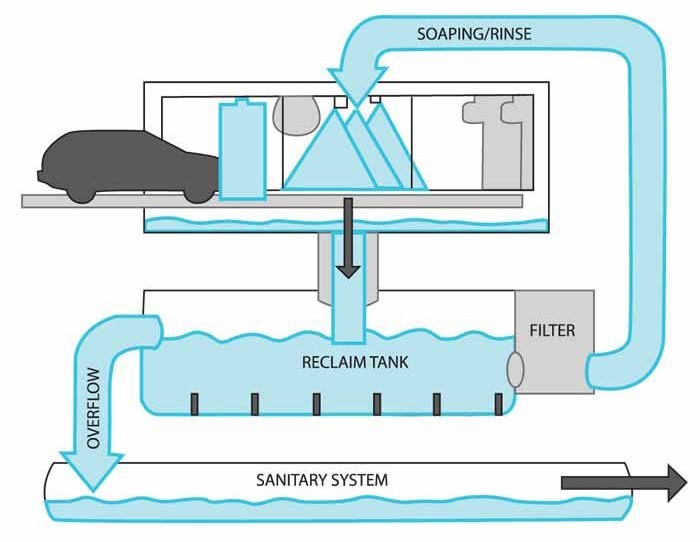
Image Source: wcwa.site-ym.com
How Much Water Does A Car Wash Use?
A typical car wash uses anywhere from 15 to 150 gallons of water per vehicle, with professional car washes generally using significantly less water than washing a car at home. This blog post will delve into the complexities of car wash water consumption, exploring the factors influencing water usage car wash operations, and the remarkable advancements in water efficiency car wash practices. We’ll examine the role of car wash water recycling, discuss how to achieve a water saving car wash, present the average water use car wash for various types of washes, explore the broader car wash water footprint, and highlight key aspects of water conservation car wash initiatives. Ultimately, we aim to shed light on the gallons per car wash and effective car wash water management.
Deciphering Car Wash Water Consumption
The amount of water a car wash uses is not a simple, fixed number. It’s a dynamic figure influenced by several variables, including the type of car wash, the specific equipment used, and the wash cycle chosen by the customer.
-
Type of Car Wash:
- In-Bay Automatic Washes: These are common at gas stations. They use a series of brushes, high-pressure sprays, and dryers. Their water consumption can vary widely.
- Tunnel Washes: These are longer, conveyor-belt systems where cars move through different stations. They often have more advanced water management systems.
- Self-Serve Bays: Customers use high-pressure wands and brushes themselves. Usage here depends heavily on the individual.
- Hand Washing (Home vs. Professional): Washing a car in your driveway can be very water-intensive, often using more water than many commercial washes. Professional hand washes, however, are often more controlled.
-
Equipment and Technology:
- High-Pressure Nozzles: Modern, efficient nozzles use less water while still providing effective cleaning. Older or poorly maintained equipment might be less efficient.
- Water Reclamation Systems: Advanced car washes incorporate systems that filter and reuse water, drastically reducing their overall intake.
-
Wash Cycle Selection:
- Most car washes offer different tiers of service, from a basic exterior wash to a premium wash that includes undercarriage cleaning, wheel cleaning, and interior detailing. More extensive washes naturally require more water.
Gallons Per Car Wash: A Closer Look
Let’s break down the gallons per car wash more granularly for different scenarios:
| Type of Wash | Estimated Water Usage (Gallons per Car) | Notes |
|---|---|---|
| Home Driveway Wash | 100 – 300+ | Using a hose with no nozzle, frequent rinsing. |
| Home Driveway Wash (Hose with Nozzle) | 50 – 100 | More controlled, but still can be high if not mindful. |
| Self-Serve Bay | 20 – 60 | Varies greatly based on user duration and technique. |
| In-Bay Automatic Wash | 15 – 60 | Modern facilities with water recycling can be at the lower end. |
| Tunnel Wash | 10 – 40 | Often incorporates extensive water recycling and efficient spray patterns. |
| Professional Hand Wash | 15 – 50 | Typically uses controlled sprayers and buckets. |
These figures are estimates and can fluctuate. It’s crucial to remember that many modern car washes are actively working to minimize their car wash water consumption.
The Role of Water Efficiency Car Wash Practices
Water efficiency car wash is becoming a cornerstone of responsible car care businesses. This involves employing strategies and technologies to use less water without compromising on cleaning quality.
Advanced Spray Technologies
Modern car washes utilize precisely engineered spray nozzles that create specific patterns to maximize cleaning contact while minimizing water flow. These nozzles are designed to atomize water into finer droplets, allowing for better coverage and penetration with less volume.
Optimizing Rinse Cycles
Rinse cycles are often the most water-intensive part of a car wash. Efficient washes employ timed rinses, multi-stage rinsing, and targeted spray patterns to remove soap and residue effectively with the least amount of water.
Water-Saving Equipment
Manufacturers are continuously developing more water-efficient equipment, from pumps to brushes. Investing in newer, high-efficiency machinery is a significant step towards reducing water usage car wash operations.
The Power of Car Wash Water Recycling
Car wash water recycling, also known as water reclamation, is arguably the most impactful strategy for reducing a car wash’s water footprint. This process involves capturing, treating, and reusing water that would otherwise be sent to the sewer.
How Water Recycling Works
- Collection: Water from the wash and rinse cycles is collected in a pit or collection tank.
- Filtration and Treatment: The collected water passes through a multi-stage filtration system that removes dirt, soap residue, and other contaminants. Treatments may include settling tanks, screen filters, and sometimes biological or chemical treatments to ensure the water is clean enough for reuse.
- Disinfection: To prevent bacterial growth and ensure hygiene, the recycled water may be disinfected using UV light or other methods.
- Reuse: The treated water is then pumped back into the car wash system for use in pre-rinses, undercarriage washes, or other stages where the highest purity water isn’t strictly necessary.
Benefits of Recycling
- Significant Water Savings: Recycled water can significantly reduce reliance on fresh water sources, often by 50-80% or more.
- Reduced Utility Costs: Less fresh water used translates directly to lower water bills.
- Environmental Responsibility: Minimizes strain on local water supplies and reduces wastewater discharge.
- Consistency: Properly treated recycled water can provide a consistent and effective wash.
Many businesses actively promote their use of recycled water, highlighting their commitment to a water saving car wash.
Achieving a Water Saving Car Wash
Beyond recycling, several other practices contribute to a water saving car wash:
- Water Audits: Regularly assessing water usage points to identify leaks, inefficiencies, and areas for improvement.
- Employee Training: Educating staff on water-conscious practices, such as not letting hoses run unnecessarily.
- Smart Scheduling: If applicable, optimizing operational times to avoid peak water demand periods.
- Low-Flow Fixtures: Using low-flow nozzles and sprayers wherever possible.
The Average Water Use Car Wash: A Comparative View
The average water use car wash can be categorized as follows:
- Low End (Highly Efficient/Recycling): 10-30 gallons per car. These are typically modern tunnel washes or well-managed in-bay automatics with robust recycling systems.
- Mid Range: 30-60 gallons per car. This could include many in-bay automatic washes without extensive recycling or well-operated self-serve bays.
- High End (Less Efficient/No Recycling): 60-150+ gallons per car. This often includes older facilities, or home washes where water is not managed carefully.
It’s important to note that these are averages, and individual experiences may vary. The trend is undeniably towards greater water conservation car wash efforts.
The Car Wash Water Footprint: Broader Implications
The car wash water footprint extends beyond the direct water usage. It encompasses the entire lifecycle, including:
- Water Source: Where the water comes from (municipal supply, well, rainwater harvesting) and its environmental impact.
- Wastewater Treatment: The energy and resources required to treat the wastewater before discharge.
- Energy Consumption: Water pumps, heating systems (if used), and drying equipment all consume energy, which often has its own water footprint.
- Chemical Use: The water used to dilute and rinse away cleaning chemicals.
A comprehensive approach to car wash water management considers these broader aspects to truly minimize environmental impact.
Water Conservation Car Wash: A Community Effort
Water conservation car wash is not just the responsibility of the car wash operator; consumers can also play a role.
- Choosing Wisely: Opting for car washes that advertise water-saving practices or recycling systems.
- Frequency: While a clean car is desirable, washing your car too frequently when it’s not necessary can contribute to water usage.
- Home Washing Alternatives: When washing at home, using a bucket and sponge, turning off the hose while soaping, and parking on a lawn or gravel area can help reduce runoff.
Car Wash Water Management: Best Practices
Effective car wash water management involves a combination of technology, operational procedures, and regular maintenance.
Key Elements of Good Water Management:
- Regular Equipment Checks: Ensuring all hoses, nozzles, and pumps are in good working order and free from leaks.
- Monitoring Water Bills: Tracking water usage over time can help identify anomalies that might indicate leaks or inefficiencies.
- Investing in Water-Efficient Technology: Prioritizing equipment upgrades that offer better water performance.
- Implementing a Recycling System: This is a significant investment but offers substantial long-term savings and environmental benefits.
- Water Quality Testing: Regularly testing recycled water to ensure it meets hygiene standards.
- Staying Informed: Keeping up with the latest advancements in water-saving technologies and best practices within the car wash industry.
Regulatory Considerations
Many regions have regulations or incentives related to water usage and wastewater discharge. Car washes must comply with these, and often, forward-thinking businesses go beyond compliance to adopt leading water conservation strategies.
Frequently Asked Questions (FAQ)
Q1: Is it better to wash my car at home or at a professional car wash?
A1: Generally, professional car washes, especially those with water recycling systems, use significantly less water and are more environmentally friendly than most home washes.
Q2: Do all car washes recycle water?
A2: No, not all car washes recycle water. However, the number of facilities incorporating water recycling technology is growing rapidly due to environmental awareness and potential cost savings.
Q3: How much water can a car wash save by recycling?
A3: Water recycling systems can reduce a car wash’s fresh water consumption by 50-80% or even more, depending on the system’s efficiency and the amount of water that can be effectively treated and reused.
Q4: What happens to the water used in a car wash that doesn’t get recycled?
A4: In facilities without recycling, this water, containing soap, dirt, and other contaminants, is typically sent to the municipal sewer system for treatment by local wastewater facilities.
Q5: Are there ways to make washing my car at home more water-efficient?
A5: Yes, using a bucket and sponge, turning off the hose when not rinsing, and using a spray nozzle with an automatic shut-off are effective methods to reduce water use when washing at home.
Q6: What are the environmental benefits of using a water-saving car wash?
A6: Environmental benefits include conserving precious freshwater resources, reducing the strain on municipal water supplies, minimizing wastewater discharge into local waterways, and often reducing the energy consumption associated with water treatment.
Q7: How can I tell if a car wash is water-efficient?
A7: Look for signage or information from the car wash about their water recycling practices or water conservation efforts. Choosing newer facilities or those that highlight their environmental commitment can be a good indicator.
By understanding the nuances of car wash water consumption and embracing technologies and practices that promote water efficiency car wash operations, the industry can continue to clean vehicles effectively while minimizing its car wash water footprint and contributing positively to water conservation car wash efforts.