
Many people wonder, “How much water do car washes use?” The answer varies significantly, but a typical modern, professional car wash uses between 30 to 60 gallons of water per vehicle. This is often much less than washing a car at home, especially when considering the potential for water runoff and less efficient methods used in driveways.
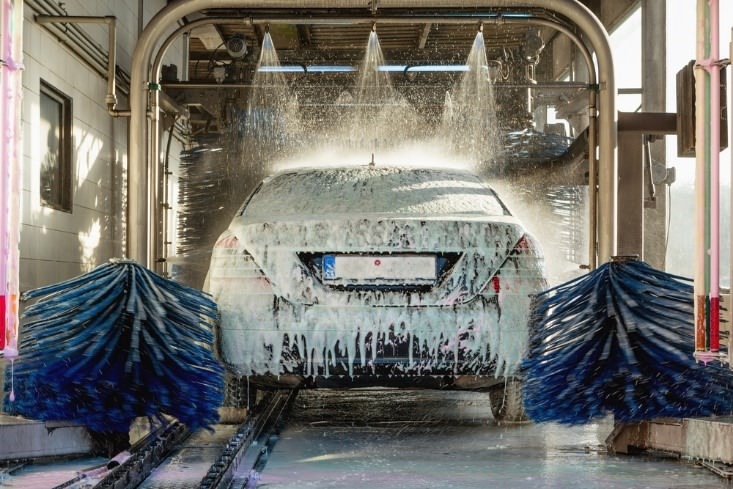
Image Source: earth911.com
Deciphering Car Wash Water Consumption
The amount of water used in car washes, known as car wash water consumption, is a topic of increasing interest as communities focus on water conservation. While it might seem like a lot of water, professional car washes are often designed with efficiency in mind, employing technologies and practices that aim to minimize their water footprint. This contrasts with home car washing, which can be far less controlled and often results in greater water wastage.
Water Usage in Car Washes: A Closer Look
When we talk about water usage in car washes, it’s important to differentiate between different types of car wash operations. Automatic car washes, self-service bays, and hand car washes all have distinct water needs.
- Automatic Car Washes: These are typically the most water-efficient. They use high-pressure spray nozzles, which deliver water more effectively to clean the vehicle. Many also incorporate sophisticated recycling systems.
- Self-Service Bays: These allow customers to wash their own vehicles, usually with a high-pressure wand. Water usage can vary greatly depending on how long the customer washes their car and how efficiently they use the equipment.
- Hand Car Washes: While sometimes perceived as more gentle, traditional hand car washes where buckets and hoses are used can be very water-intensive, especially if a hose is left running.
How Much Water for a Car Wash? The Numbers Game
The question of “how much water for a car wash” doesn’t have a single, simple answer because it depends on many factors. However, industry averages provide a good starting point for understanding car wash water consumption.
Table 1: Estimated Water Usage Per Vehicle by Car Wash Type
| Car Wash Type | Estimated Water Use (Gallons) | Notes |
|---|---|---|
| Modern Automatic | 30 – 60 | Utilizes high-pressure systems and often water recycling. |
| Self-Service Bay | 40 – 80 | Varies based on customer usage duration and technique. |
| Home Car Wash (Hose) | 100+ | Without proper controls, a running hose can use a significant amount of water. |
| Home Car Wash (Bucket) | 20 – 50 (if managed well) | Can be efficient if the hose is only used for rinsing and buckets are used for washing. However, many people leave the hose running. |
These figures highlight a key point: professional car washes, especially modern automated ones, are often significantly more water-efficient than washing a car at home.
The Water Footprint of a Car Wash
The “water footprint of a car wash” refers to the total amount of freshwater used to perform the car wash. This includes water for pre-rinsing, soaping, rinsing, and drying (if applicable). For a professional car wash, this footprint is heavily influenced by their commitment to water conservation practices.
Fathoming Car Wash Water Efficiency
Car wash water efficiency is a measure of how effectively a car wash operation uses water to clean vehicles. This involves looking at the technology employed, the operational procedures, and any water-saving initiatives in place.
Key Factors in Car Wash Water Efficiency:
- Nozzle Technology: High-pressure, low-flow nozzles are crucial for reducing water use while maintaining cleaning power.
- Water Recycling Systems: This is a major contributor to improving car wash water efficiency. These systems filter and treat water used in previous washes, making it suitable for reuse in the washing process.
- Operating Procedures: Training staff on efficient water use and ensuring equipment is well-maintained also plays a role.
- Pre-Soaking and Foam Application: Using these methods can help loosen dirt, meaning less water is needed for the main wash and rinse cycles.
Car Wash Water Management: Best Practices
Effective car wash water management is essential for any operator looking to reduce their environmental impact and operational costs. This involves a holistic approach to how water is sourced, used, and disposed of.
Strategies for Effective Car Wash Water Management:
- Install Water-Efficient Fixtures: Use low-flow spray nozzles and spray guns.
- Implement Water Recycling: Invest in a good quality water recycling system. This can significantly reduce the amount of fresh water needed.
- Regular Equipment Maintenance: Leaky hoses, faulty sprayers, and inefficient pumps can all lead to wasted water. Regular checks and repairs are vital.
- Educate Staff: Ensure all employees are trained on the importance of water conservation and the correct procedures for using water efficiently.
- Optimize Wash Cycles: Review and adjust the length and intensity of wash cycles to use only the necessary amount of water.
- Consider Waterless or Low-Water Wash Options: For some situations, these methods might be viable alternatives.
Water Recycling Car Wash: A Key Solution
A “water recycling car wash” system is one of the most impactful ways to reduce water consumption. These systems typically work by collecting wastewater from the washing and rinsing stages.
How Water Recycling Works in Car Washes:
- Collection: Water from the wash bays is collected in a holding tank or underground reservoir.
- Filtration: The collected water is passed through a series of filters to remove dirt, soap residue, oil, and other contaminants. This can include sediment filters, carbon filters, and even UV sterilization.
- Treatment: Depending on the system’s sophistication, further treatment processes like ozonation or chemical treatment might be used to sanitize the water.
- Re-circulation: The treated water is then pumped back into the wash system for use in pre-rinse, soaping, or final rinse cycles.
The effectiveness of a water recycling system depends on the quality of filtration and treatment. However, even basic systems can significantly reduce the demand for fresh water. Some advanced systems can recycle up to 70-80% of the water used in a car wash.
Average Water Use Car Wash: Comparing Apples to Oranges
When discussing the “average water use car wash,” it’s crucial to specify the type of car wash. As shown in Table 1, the average can vary wildly. A modern, automated car wash with recycling will have a much lower average than a less sophisticated operation or a home car wash. This is why consumers often hear that professional car washes are more water-efficient than washing at home.
Reducing Water Use Car Wash: Practical Steps
For car wash operators, “reducing water use car wash” is not just an environmental goal but also a sound business practice. Lower water bills directly impact profitability.
Simple Ways to Reduce Water Use:
- Educate Customers: Encourage customers to turn off their engines when waiting and to be mindful of water usage if they are using a self-service bay.
- Implement Timers: For self-service bays, using timers on spray wands can help manage customer usage.
- Sweep Instead of Hose: For cleaning driveways and walkways, using a broom is far more water-efficient than hosing them down.
- Landscape Wisely: If the car wash has landscaping, opt for drought-tolerant plants that require less water.
- Monitor Water Bills: Regularly review water bills to identify any unexpected spikes that might indicate leaks or inefficiencies.
Car Wash Water Conservation: The Broader Picture
Car wash water conservation is a vital component of urban and suburban water management. By adopting efficient practices and technologies, car washes can contribute significantly to local water supply efforts, especially in drought-prone regions.
Why Car Wash Water Conservation Matters:
- Resource Preservation: Conserving water helps protect a finite natural resource.
- Reduced Strain on Infrastructure: Less water usage means less demand on municipal water treatment and supply systems.
- Lower Utility Costs: For both operators and consumers, reducing water use means lower water and sewer bills.
- Environmental Protection: Improper disposal of wash water from home car washes can lead to pollutants entering storm drains and waterways. Professional car washes typically have systems to capture and treat wastewater, preventing environmental contamination.
Complying with Regulations and Standards
Many local municipalities and environmental agencies have regulations regarding water usage and wastewater discharge for businesses, including car washes. Adhering to these standards is crucial for legal compliance and responsible operation. Some areas may even offer incentives or rebates for installing water-saving technologies like water recycling systems.
The Environmental Impact of Home Washing vs. Professional Washing
A common misconception is that home car washing is always better for the environment because it’s done by the individual. However, when you consider the gallons of water used and the potential for pollutants to enter storm drains, home washing can often have a larger negative impact.
-
Home Washing Concerns:
- High Water Use: A hose left running can easily use over 100 gallons.
- Pollutant Runoff: Soap, grease, oil, and road grime are washed directly into storm drains, which often lead to local rivers and lakes without treatment.
- Inefficient Cleaning: Less effective cleaning methods can mean multiple rinses are needed, further increasing water use.
-
Professional Washing Advantages:
- Water Efficiency: As discussed, modern car washes use significantly less water per vehicle.
- Wastewater Treatment: Professional car washes typically capture and treat their wastewater, often removing pollutants before discharge or reusing the water.
- Recycling Technology: The widespread adoption of water recycling systems further boosts efficiency and reduces the demand on fresh water supplies.
Innovations in Car Wash Technology
The car wash industry is continually evolving to become more sustainable. Innovations are constantly being developed to further improve car wash water efficiency.
Examples of Innovations:
- Advanced Filtration Media: New filter materials offer even better removal of contaminants from recycled water.
- Smart Control Systems: Automated systems can adjust water flow and spray patterns based on vehicle size and dirt level, optimizing usage.
- Biodegradable Cleaning Agents: Using environmentally friendly soaps and detergents reduces the chemical load on wastewater treatment systems.
- Solar-Powered Car Washes: While still niche, some car washes are exploring solar power to reduce their overall energy footprint, which indirectly relates to water management as energy is often needed for water pumping and treatment.
Deciphering the Actual Water Use Figures
Let’s break down the numbers further. If a modern automatic car wash uses an average of 45 gallons per car, and a typical home wash using a hose uses 100 gallons, that’s a significant difference. Even if a home car wash is done meticulously with buckets and a minimal hose rinse, it’s still difficult to match the efficiency of a well-managed professional facility.
Consider a car wash that cleans 100 cars a day.
* Using 45 gallons per car: 100 cars * 45 gallons/car = 4,500 gallons per day.
* If those cars were washed at home with a hose (100 gallons/car): 100 cars * 100 gallons/car = 10,000 gallons per day.
This simple calculation demonstrates the substantial savings in freshwater when opting for a professional wash.
The Role of Water Recycling Car Wash Systems in Saving Water
As highlighted earlier, water recycling is a game-changer. Imagine a car wash using a system that recycles 70% of its water. If the total water needed without recycling is 60 gallons per car, the recycled system might only require an additional 18 gallons of fresh water per car (30% of 60 gallons).
This means instead of 60 gallons, the car wash only pulls 18 gallons of fresh water from the municipal supply. Over thousands of cars, this represents millions of gallons of water saved annually. This is why a “water recycling car wash” is often the most environmentally responsible choice.
Making Informed Choices: Consumer Impact
As consumers, our choices can influence the demand for sustainable practices. By choosing to patronize car washes that demonstrate a commitment to water conservation, we encourage the widespread adoption of efficient technologies and practices.
What Consumers Can Look For:
- Water Recycling Signs: Many car washes proudly display that they use recycled water.
- Cleanliness and Maintenance: A well-maintained facility often reflects a commitment to overall operational excellence, which can include water management.
- Local Regulations: Be aware of local water restrictions and choose car washes that comply with or exceed these standards.
The Future of Car Wash Water Use
The trend is clearly moving towards greater efficiency and sustainability in the car wash industry. As water becomes an increasingly precious resource, regulations will likely become stricter, and consumer demand for eco-friendly options will grow. This will drive further innovation in areas like water recycling, advanced filtration, and even exploring entirely new methods for vehicle cleaning.
The focus on “reducing water use car wash” will continue to be a primary driver for investment and development in the sector.
Frequently Asked Questions (FAQ)
Q1: Is washing my car at home actually worse for the environment than going to a car wash?
A1: Generally, yes. Modern professional car washes use significantly less water than most home washing methods, especially if a hose is left running. Furthermore, professional car washes typically capture and treat wastewater, preventing pollutants from entering local waterways.
Q2: How much water does a high-pressure washer use for car washing at home?
A2: Even high-pressure washers can use a considerable amount of water if left running. While more efficient than a standard hose, a typical pressure washer might still use 50-100 gallons or more for a thorough wash, depending on the duration.
Q3: What is the most significant factor in reducing a car wash’s water consumption?
A3: The most significant factor is the implementation of a water recycling system. These systems can dramatically reduce the need for fresh water by filtering and reusing wash water.
Q4: Are there car washes that don’t use water at all?
A4: Yes, these are known as waterless car washes or rinseless car washes. They use specialized cleaning solutions and microfiber towels to clean vehicles with minimal or no water. These are excellent options for water conservation, though they may be best suited for lightly soiled vehicles.
Q5: What kind of water is used in car wash water recycling systems?
A5: The water used in recycling systems is reclaimed wastewater from previous washes. After going through filtration and treatment processes, it is typically clean enough to be reused for various stages of the washing process, such as the initial rinse or soap application.
Q6: How can I check if a car wash is water-efficient?
A6: Look for signs indicating they use water recycling or water-saving technologies. You can also ask the staff about their water conservation practices. Choosing car washes that belong to industry associations that promote water efficiency can also be a good indicator.
Q7: Does the type of car wash soap affect water usage?
A7: While not a primary driver of water volume, the type of soap can affect the quality of wastewater. Environmentally friendly, biodegradable soaps are preferable, as they reduce the chemical load on water treatment systems, whether at a professional facility or in terms of runoff from home washing.
Q8: What are the environmental benefits of car wash water conservation beyond saving water?
A8: Conserving water also reduces the energy needed to pump, treat, and heat water. It also minimizes the amount of detergents and contaminants entering the environment, protecting aquatic ecosystems.
Q9: Can I get a refund if I use too much water at a self-service car wash?
A9: Refunds for excessive water use at self-service bays are highly unlikely. These bays are typically metered, and the customer pays for the time or volume of water used. It’s up to the customer to use the water efficiently.
Q10: Is it legal to wash my car in my driveway?
A10: This varies by location. Many municipalities have restrictions on home car washing due to water usage and potential pollution of storm drains. It’s best to check your local ordinances.