
Shipping a car from Australia to the USA can be a significant undertaking, and the cost is a primary concern for most people. The cost to ship a car from Australia to the USA typically ranges from AUD $3,500 to AUD $7,000 (approximately USD $2,300 to USD $4,600), depending on various factors such as the vehicle type, shipping method, origin and destination ports, and any additional services required. This wide range reflects the complexity of international car transport Australia to US. Many factors influence these overseas car shipping Australia USA prices, making it essential to get personalized quotes.
This guide will help you navigate the process and understand the key elements that contribute to the overall vehicle shipping cost Australia to USA. We’ll cover everything from the types of shipping available to potential hidden fees and tips for making the process smoother. Whether you’re shipping a standard sedan, an SUV, a valuable classic car, or even a motorcycle or truck, the principles remain similar, although the specific costs will vary.
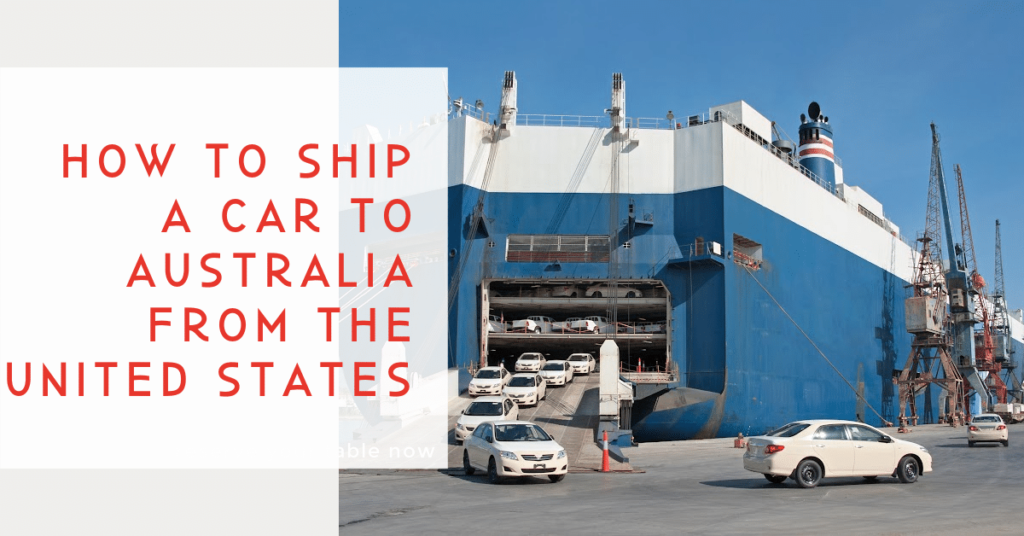
Image Source: www.shipoverseas.com
Factors Affecting Your Car Shipping Cost
Several elements play a crucial role in determining how much you’ll pay to ship your vehicle. Let’s break them down:
Vehicle Size and Type
The dimensions and weight of your vehicle are fundamental in calculating shipping costs. Larger and heavier vehicles naturally require more space on the ship and consume more fuel, leading to higher charges.
- Standard Sedans and Hatchbacks: Generally the most cost-effective to ship.
- SUVs and Larger Sedans: Will incur slightly higher costs due to increased size and weight.
- Trucks and Vans: Shipping a truck Australia to USA or a van will typically be more expensive than smaller passenger vehicles.
- Motorcycles: Shipping motorcycle Australia to USA is usually more affordable than cars, often requiring specialized crating.
- Classic Cars: Shipping classic car Australia to USA often involves specialized handling and potentially enclosed transport to protect its value, which can increase costs.
- Boats and Caravans: Boat shipping Australia to USA and caravan shipping Australia to USA are specialized services with their own pricing structures, often more complex than standard vehicle shipping.
Shipping Method: RoRo vs. Container Shipping
The choice of shipping method significantly impacts the price. The two primary methods are:
Roll-On/Roll-Off (RoRo) Shipping
- How it works: Your vehicle is driven onto a specialized car carrier ship, secured, and then driven off at the destination.
- Pros: Generally the most economical option for standard, drivable vehicles. It’s faster as there’s no need to load and unload the vehicle from a container.
- Cons: Your vehicle is exposed to the elements during transit (though enclosed decks offer some protection). You cannot ship personal belongings inside the vehicle.
- Cost: Typically lower than container shipping.
Container Shipping
- How it works: Your vehicle is loaded into a shipping container. You can choose a shared container (less expensive) or a dedicated container (more expensive but offers greater security and flexibility).
- Pros: Offers superior protection from weather and damage. Allows you to ship personal belongings inside the vehicle (check regulations). Dedicated containers provide enhanced security and privacy.
- Cons: More expensive than RoRo. Requires more handling at the ports.
- Cost: Varies based on whether you use a shared or dedicated container. A shared container is more economical, splitting the container cost among multiple vehicles. A dedicated container offers exclusivity and convenience.
Distance and Ports of Origin and Destination
The specific ports in Australia and the USA you choose will influence the transit time and cost. Major ports usually have more frequent sailings and competitive pricing.
- Australian Departure Ports: Common ports include Sydney, Melbourne, Brisbane, and Fremantle.
- US Arrival Ports: Los Angeles, Long Beach, Seattle, and New York are popular choices. The distance from the Australian coast to the US West Coast (e.g., Los Angeles) is generally shorter than to the US East Coast (e.g., New York), potentially affecting the shipping duration and cost.
Insurance
Marine insurance is crucial for protecting your vehicle against loss or damage during transit. While not always mandatory, it’s highly recommended.
- Cost: Typically a percentage of the declared value of your vehicle, often around 1% to 2%.
- Coverage: Ensure you understand what the insurance policy covers (e.g., total loss, partial damage).
Additional Services
Beyond the basic shipping, you might opt for extra services that add to the overall car moving cost Australia to America:
- Door-to-Door Service: The shipping company collects your car from your Australian address and delivers it to your US address. This is the most convenient but also the most expensive option.
- Port-to-Port Service: You drop off your vehicle at the departure port in Australia and pick it up from the arrival port in the USA. This is cheaper but requires you to arrange local transport at both ends.
- Customs Clearance: Handling customs documentation and duties in both countries. This can be included in the quote or be an additional fee.
- Vehicle Preparation: Some services might include cleaning or minor preparation for shipping.
- Storage: If you need to store your vehicle before or after shipping.
Customs Duties and Taxes
When importing a car into the USA, you’ll be subject to US Customs and Border Protection (CBP) regulations and potential duties.
- Import Duty: Generally, a 2.5% duty applies to cars imported into the US, calculated on the CIF (Cost, Insurance, Freight) value of the vehicle.
- EPA and DOT Compliance: Vehicles imported into the US must meet Environmental Protection Agency (EPA) and Department of Transportation (DOT) standards. If your Australian-spec vehicle doesn’t comply, you may need to modify it or pay significant fees for an exemption. Older vehicles (typically over 25 years old) are often exempt from these compliance requirements, making shipping classic car Australia to USA sometimes simpler in this regard.
- GST/VAT: While you typically don’t pay Australian GST/VAT on exported vehicles if properly documented, you might encounter fees at the destination if not handled correctly.
Estimating Your Vehicle Shipping Cost Australia to USA
To give you a clearer picture, let’s look at some estimated automobile shipping Australia to USA rates. These are approximate figures and can vary significantly.
Table 1: Estimated Shipping Costs (AUD)
| Vehicle Type | RoRo Shipping (AUD) | Shared Container (AUD) | Dedicated Container (AUD) |
|---|---|---|---|
| Small Car | $3,500 – $4,500 | $4,000 – $5,500 | $5,500 – $7,000 |
| SUV/4WD | $4,000 – $5,500 | $4,500 – $6,500 | $6,500 – $8,500 |
| Truck/Large Vehicle | $4,500 – $6,000 | $5,500 – $7,500 | $7,500 – $9,500 |
| Motorcycle | $1,500 – $2,500 | $2,000 – $3,000 | N/A (often crated) |
| Classic Car | $4,000 – $6,000 | $4,500 – $7,000 | $6,500 – $9,000+ |
Table 2: Estimated Shipping Costs (USD)
| Vehicle Type | RoRo Shipping (USD) | Shared Container (USD) | Dedicated Container (USD) |
|---|---|---|---|
| Small Car | $2,300 – $3,000 | $2,600 – $3,700 | $3,700 – $4,700 |
| SUV/4WD | $2,600 – $3,700 | $3,000 – $4,300 | $4,300 – $5,700 |
| Truck/Large Vehicle | $3,000 – $4,000 | $3,700 – $5,000 | $5,000 – $6,300 |
| Motorcycle | $1,000 – $1,700 | $1,300 – $2,000 | N/A (often crated) |
| Classic Car | $2,600 – $4,000 | $3,000 – $4,700 | $4,300 – $6,000+ |
Note: These prices are indicative and can change based on market conditions, fuel surcharges, and specific service providers. It’s essential to get a precise quote.
Breakdown of Potential Costs:
- Base Shipping Fee: This covers the actual transport of your vehicle on the ship.
- Port Handling Fees: Charges at both the Australian and US ports for loading, unloading, and storage.
- Customs Clearance Fees: Costs associated with processing your vehicle through US Customs.
- Marine Insurance: If purchased.
- Detention Fees: If you exceed the free days allowed for pickup at the destination port.
- Brokerage Fees: If you use a customs broker.
- Modifications: If your vehicle needs to be modified to meet US EPA/DOT standards.
- Taxes and Duties: As applicable.
The Process of Shipping a Car from Australia to the US
Navigating the journey of your car from the Land Down Under to the Stars and Stripes involves several key steps:
1. Get Quotes and Choose a Shipping Company
- Research: Look for reputable international car shipping companies with experience in international car transport Australia to US. Read reviews and check their credentials.
- Get Multiple Quotes: Contact at least three companies to compare overseas car shipping Australia USA prices and services. Ensure quotes are detailed and clearly outline what is included.
- Ask Questions: Don’t hesitate to ask about their experience, insurance options, customs handling, and transit times.
2. Prepare Your Vehicle
- Cleanliness: Most shipping companies require your vehicle to be thoroughly cleaned, both inside and out. This is for customs inspections and to prevent the transfer of foreign soil or pests.
- Fuel Level: Typically, you’ll need to leave about a quarter tank of fuel in your vehicle. Too much fuel can be a safety hazard on board.
- Personal Belongings: If using container shipping and permitted by the company, remove all personal items. Some items may not be allowed, and others could be damaged or stolen.
- Documentation: Gather all necessary documents, including proof of ownership (title, registration), your passport or driver’s license, and any specific shipping forms required by the company.
3. Book Your Shipping and Arrange Transit
- Booking: Once you’ve chosen a company, you’ll book your shipping space. Confirm the pickup date and location or your drop-off date at the port.
- Transit: Your car will be transported to the designated departure port in Australia.
4. Shipping and Transit Time
- Loading: Your vehicle will be loaded onto the ship using either RoRo or container methods.
- Transit: The journey across the Pacific Ocean can take anywhere from 3 to 6 weeks, depending on the route and specific shipping line. Factors like weather can also cause delays.
5. Customs Clearance in the USA
- Arrival: Upon arrival at the US port, your vehicle will be processed by US Customs and Border Protection (CBP).
- Required Documents: You will need to provide the vehicle’s title, bill of sale, and potentially other documents.
- Compliance: As mentioned, ensure your vehicle meets EPA and DOT standards. A customs broker can be invaluable in navigating this process.
- Payment of Duties: Any applicable import duties will need to be paid.
6. Pick Up Your Vehicle
- Collection: Once customs clearance is complete and all fees are paid, you can pick up your vehicle from the arrival port.
- Inspection: Inspect your vehicle thoroughly for any damage that may have occurred during transit before signing any release forms.
Shipping Specific Vehicle Types: Considerations
While the core process is similar, certain vehicle types require special attention:
Shipping Motorcycle Australia to USA
- Preparation: Motorcycles are typically crated for protection. This crate needs to be sturdy and properly secured.
- Fluid Drainage: Fuel tanks may need to be drained, and batteries disconnected for safety.
- Cost: Generally more affordable than car shipping due to size and weight.
Shipping Classic Car Australia to USA
- Value Protection: Owners often opt for dedicated container shipping or specialized enclosed trailers for added security and protection from the elements.
- Compliance Exemptions: Vehicles 25 years or older are usually exempt from EPA and DOT compliance, simplifying the import process.
- Insurance: Comprehensive insurance coverage is highly recommended for valuable classic vehicles.
Shipping Truck Australia to USA
- Size: Larger trucks will naturally incur higher automobile shipping Australia to USA rates due to their size and weight.
- Customs: Ensure the truck’s specifications meet US standards if it’s a modern commercial vehicle.
Boat Shipping Australia to USA and Caravan Shipping Australia to USA
- Specialized Services: These are highly specialized and require companies experienced in handling oversized and non-standard cargo.
- Preparation: Boats may need to be de-rigged, have fuel tanks drained, and batteries disconnected. Caravans may need windows secured and propane tanks removed.
- Transport: Often shipped on specialized vessels or as oversized cargo, requiring specific permits and handling procedures. The cost will be considerably higher than standard vehicle shipping.
Tips for a Smoother Shipping Experience
- Start Early: Begin your research and get quotes well in advance of your desired shipping date.
- Read the Contract Carefully: Ensure you understand all terms, conditions, and responsibilities.
- Be Honest: Provide accurate information about your vehicle’s condition and specifications.
- Use a Customs Broker: Especially if you are unfamiliar with the import process, a broker can save you time and prevent costly mistakes.
- Document Everything: Keep copies of all quotes, receipts, shipping documents, and correspondence. Take photos of your vehicle before it’s shipped.
- Stay Informed: Keep in touch with your shipping company for updates on your vehicle’s progress.
Frequently Asked Questions (FAQ)
Q1: Can I ship personal belongings in my car from Australia to the USA?
A1: It depends on the shipping method. With RoRo shipping, you cannot ship personal items. With container shipping, it’s often permitted, but you must check with your chosen shipping company and be aware of any restrictions or potential customs issues.
Q2: How long does it take to ship a car from Australia to the USA?
A2: The transit time typically ranges from 3 to 6 weeks, but this doesn’t include the time for preparation, customs clearance, and port handling, which can add several weeks to the overall process.
Q3: What documents do I need to ship my car?
A3: You’ll generally need proof of ownership (like the vehicle title), registration documents, your identification, and any specific forms required by the shipping company and customs authorities.
Q4: Do I need to worry about EPA and DOT compliance?
A4: Yes, unless your vehicle is 25 years or older. Non-compliant vehicles may be denied entry or require costly modifications.
Q5: Who handles customs clearance?
A5: You can handle customs clearance yourself, but it’s highly recommended to use a customs broker specializing in vehicle imports to ensure compliance and efficiency. Many shipping companies offer this service.
Q6: What is CIF value?
A6: CIF stands for Cost, Insurance, and Freight. It’s the value used to calculate import duties and taxes, representing the total cost of the goods to the border of the importing country.
Shipping your car from Australia to the USA is a complex but manageable process with careful planning and the right information. By considering all the factors influencing vehicle shipping cost Australia to USA, obtaining detailed quotes, and understanding each step, you can ensure a successful and less stressful relocation for your automobile.