
Can you sandblast a whole car? Yes, you can sandblast an entire car, and it’s a highly effective method for stripping paint, rust, and other contaminants from its metal surfaces. This process, often referred to as media blasting car or automotive sandblasting, prepares the vehicle’s body for a pristine new finish. But how much does this essential automotive restoration step cost? This guide will break down the sandblasting car cost, automotive sandblasting prices, and factors influencing sandblasting services cost.
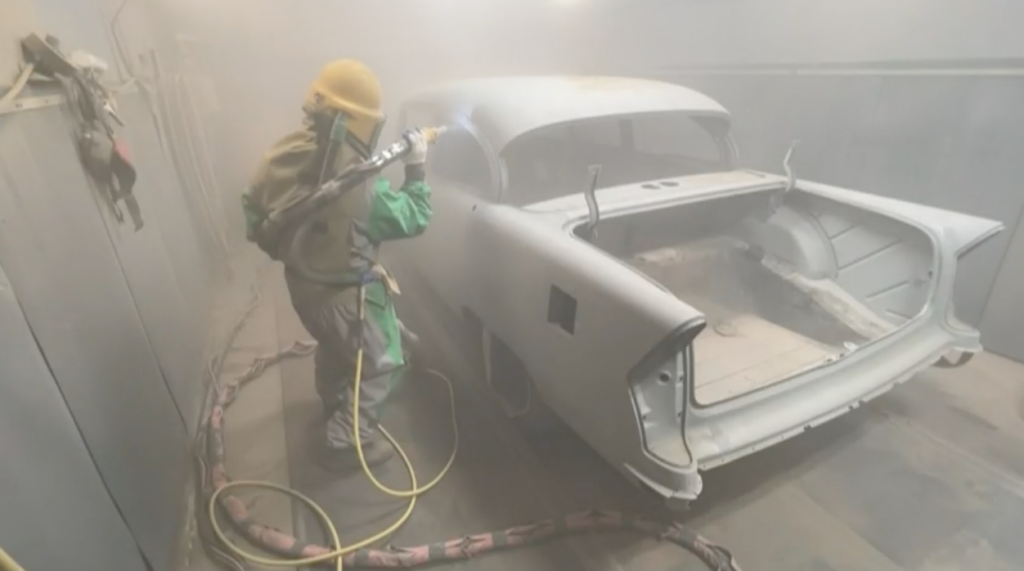
Image Source: www.americandrystripping.com
Decoding the Price of Automotive Sandblasting
The sandblasting car cost can vary significantly, but generally, you can expect to pay anywhere from $800 to $3,500 or more for a complete vehicle. Several key elements influence this price range, making it crucial to get a detailed car sandblasting estimate before committing.
Factors Affecting Sandblasting Costs
Several variables play a significant role in determining the final sandblasting auto body price:
- Vehicle Size and Complexity: A small compact car will naturally cost less to sandblast than a large SUV, truck, or classic muscle car with intricate body lines. More surface area and harder-to-reach areas mean more labor and material.
- Type of Media Used: Different blasting media have different costs and effectiveness. Common media include:
- Sand (Silica Sand): This is the most traditional and often the cheapest. However, it can be harsh and cause damage if not used carefully. It also poses health risks due to silica dust.
- Glass Bead: Creates a smoother finish and is less aggressive than sand. It’s a good choice for classic cars where preserving metal integrity is paramount.
- Walnut Shells: A softer, eco-friendly option suitable for delicate surfaces or when you want to avoid damaging the metal. It’s effective at removing paint and grime but might struggle with heavy rust.
- Soda (Baking Soda): Very gentle and ideal for extremely delicate surfaces or when you need to avoid any metal warping. It’s also excellent for cleaning without altering the surface profile.
- Garnet: A natural abrasive that’s effective at removing tough coatings like paint and rust. It’s a good balance between aggressiveness and surface preservation.
- Dry Ice: The most expensive option, but it’s non-abrasive, leaves no residue, and is excellent for cleaning without damaging underlying materials. It’s often used for intricate components or when environmental concerns are high.
- Condition of the Vehicle: A car with extensive rust, multiple layers of old paint, or body filler will require more time and abrasive material to strip down to bare metal, increasing the overall cost.
- Labor Rates: The sandblasting shop prices will vary depending on the geographic location and the experience of the technicians. Skilled operators who can effectively sandblast a vehicle without causing damage command higher rates.
- Scope of Work: Are you looking to blast the entire car exterior, or just specific parts like the frame or undercarriage? The extent of the job directly impacts the price. For example, the cost to sandblast frame will be a fraction of the full vehicle cost.
- Preparation and Masking: Proper masking of sensitive areas (windows, engine components, rubber seals) before sandblasting adds to the labor time and thus the cost. Some shops may charge extra for this meticulous preparation.
- Facility Overhead: Larger, well-equipped facilities with advanced dust collection systems and specialized equipment may have higher overhead, reflected in their pricing.
Breaking Down the Costs: A Closer Look
To provide a clearer picture of automotive sandblasting prices, let’s look at typical cost ranges for different parts of the sandblasting process.
Cost to Sandblast the Entire Car Exterior
For a complete exterior sandblasting, expect the sandblasting car cost to fall within these general ranges:
- Small Cars (Compact, Economy): $800 – $1,500
- Mid-Size Cars (Sedans, Coupes): $1,000 – $2,000
- Large Cars/SUVs/Trucks: $1,500 – $3,500+
- Classic Cars/Muscle Cars: $1,200 – $3,000+ (often higher due to intricate details and the need for extreme care)
These figures are for basic paint and rust removal down to bare metal. Additional costs can arise if significant bodywork or rust repair is needed after the blasting reveals underlying damage.
Cost to Sandblast Specific Components
Sometimes, you might only need specific parts of your vehicle sandblasted. Here are some common examples:
- Chassis/Frame: The cost to sandblast frame can range from $400 to $1,200, depending on the size and complexity of the frame and the severity of rust. This is a crucial step for restoring older vehicles.
- Body Panels (Doors, Fenders, Hood, Trunk): Each panel might cost between $100 and $300 to sandblast, depending on its size and condition.
- Wheels: Sandblasting a set of wheels typically costs $200 to $500, depending on size and design complexity.
- Engine Bay Components: Parts like the engine block, suspension components, or subframes can cost anywhere from $50 to $200 per piece, depending on size and how much rust or grime they have.
DIY Car Sandblasting Cost
If you’re considering a DIY approach, the DIY car sandblasting cost can seem appealing, but it’s important to be realistic.
Initial Investment:
- Sandblaster Unit: Renting can be $50-$150 per day, while buying a decent unit for automotive use can range from $150 to $600+. Industrial-grade units are significantly more expensive.
- Air Compressor: You’ll need a robust compressor with a high CFM (Cubic Feet per Minute) rating. Renting might cost $50-$100 per day, while purchasing one can range from $300 to $1,000+. This is often the biggest hurdle for DIYers.
- Blast Media: A bag of sandblasting media can cost $20-$50. For a whole car, you might go through several bags.
- Safety Gear: Essential! This includes a high-quality respirator with fresh air supply ($150-$500), a blast suit ($50-$200), gloves ($10-$30), and eye protection ($10-$20).
- Hoses and Fittings: $50-$150.
Total DIY Initial Outlay: For a one-time project, renting equipment might be more cost-effective. However, if you plan on future projects, purchasing can save money in the long run. Expect an initial investment of $500 – $2,000 for equipment and supplies, plus the cost of media and consumables.
Labor and Time: This is where DIY truly differs. The sandblasting auto body process is labor-intensive and time-consuming. It can take days or even weeks to properly sandblast an entire vehicle yourself, not including prep time and cleanup.
Risks of DIY:
- Uneven Blasting: Can lead to inconsistent finishes and potential damage.
- Over-Blasting: Thinning or damaging the metal, especially on older vehicles.
- Health Hazards: Inadequate respiratory protection can lead to serious lung conditions.
- Property Damage: Sandblasting creates a significant mess and requires a controlled environment.
For these reasons, many opt for professional sandblasting services cost to ensure quality and safety.
Professional Sandblasting Services: What to Expect
When you take your car to a professional sandblasting shop prices, they typically offer a comprehensive service. Here’s what you can usually expect as part of the sandblasting services cost:
- Initial Inspection and Estimate: The shop will assess your vehicle’s condition and provide a detailed car sandblasting estimate, outlining the scope of work and the chosen media.
- Preparation: This includes thorough cleaning of the vehicle, masking sensitive components, and sometimes disassembly of certain parts for better access.
- Media Blasting: The core process where the chosen media is applied to the vehicle’s surfaces to remove contaminants. Professional shops use powerful equipment and trained operators.
- Dust Collection and Containment: Reputable shops have sophisticated systems to contain dust and debris, ensuring a cleaner work environment and minimizing environmental impact.
- Post-Blasting Cleaning: After blasting, the vehicle is thoroughly cleaned to remove all residual media and dust.
- Inspection: A final inspection is performed to ensure all areas have been properly stripped.
Some shops may offer additional services like rust treatment, etching for primer adhesion, or priming immediately after blasting. These will add to the overall sandblasting car cost.
Finding a Reputable Sandblasting Shop
When searching for a place to sandblast a vehicle, consider these points:
- Experience with Automotive Restoration: Do they specialize in cars, or is it an occasional service?
- References and Reviews: Look for testimonials from previous clients.
- Insurance: Ensure they are properly insured.
- Equipment: Do they have the right equipment for the job? Ask about their compressor size and type of blasting equipment.
- Media Options: Do they offer a variety of media to suit your car’s needs?
- Clear Estimates: Do they provide detailed, itemized estimates?
Media Blasting vs. Sandblasting: A Subtle Distinction
While often used interchangeably, “media blasting” is a broader term that encompasses using various abrasive or non-abrasive materials, including sand. Media blasting car is the technically more accurate term as professionals may use alternatives to traditional sand. Understanding the different media types is key to discussing your needs with a shop and influencing the sandblasting car cost.
Choosing the Right Media
The choice of blasting media significantly impacts the final finish and the sandblasting auto body price.
- For Heavy Rust and Thick Paint: Garnet, Aluminum Oxide, or even Coarse Glass Bead are effective. They are more aggressive and may require a higher sandblasting shop prices due to the media cost and potential for increased labor if care is needed.
- For General Paint Removal and Moderate Rust: Medium Glass Bead or Sand can be suitable. Sand is often the cheapest but carries the most risk.
- For Delicate Surfaces or Removing Paint Without Damaging Metal: Walnut Shells, Soda, or Dry Ice are preferred. These are typically more expensive media, potentially increasing the cost to sandblast frame or delicate panels.
Table: Media Comparison for Automotive Sandblasting
| Media Type | Aggressiveness | Surface Finish | Best For | Approximate Media Cost (per lb) |
|---|---|---|---|---|
| Sand (Silica) | High | Rough | Heavy rust, tough coatings (use with caution) | $0.10 – $0.30 |
| Glass Bead | Medium | Smooth | Paint removal, light rust, cleaning | $0.50 – $1.50 |
| Walnut Shells | Low | Smooth | Delicate surfaces, paint removal | $1.00 – $2.50 |
| Soda (Baking) | Very Low | Smooth | Very delicate surfaces, cleaning | $1.00 – $2.00 |
| Garnet | Medium-High | Textured | Rust removal, paint stripping | $0.40 – $0.80 |
| Aluminum Oxide | High | Rough | Heavy rust, preparing for coating | $0.30 – $0.70 |
| Dry Ice | None | Pristine | Cleaning, delicate parts, no residue | $5.00 – $15.00+ |
Note: Media costs are approximate and can vary greatly based on supplier and quantity.
The choice of media will directly influence the sandblasting services cost per hour or per project.
The Importance of Proper Post-Blasting Treatment
Once your car has been sandblasted, the metal is bare and highly susceptible to flash rust. This is a critical stage, and how it’s handled can impact the long-term health of your vehicle’s body.
- Immediate Protection: Most professional shops will apply a rust inhibitor or a primer immediately after blasting. This is essential to prevent rust from forming on the bare metal.
- Etch Priming: An etch primer is often applied to create a surface that is ideal for subsequent primer layers, enhancing adhesion and preventing corrosion.
- Sealing: Some restorations include a seal coat to further protect the bare metal.
The cost of these protective treatments is often separate from the basic sandblasting price but is highly recommended. A good car sandblasting estimate should detail these post-blasting steps and their associated costs.
Deciphering Your Sandblasting Estimate
When you receive a car sandblasting estimate, pay close attention to what’s included:
- Labor: How many hours are estimated for the job?
- Media Cost: Is the cost of media included, or is it billed separately?
- Preparation and Masking: Is this included, or will it be an additional charge?
- Cleanup: Is the shop responsible for waste disposal?
- Protective Coatings: Does the estimate include primer, rust inhibitor, or etching?
- Disassembly/Reassembly: If parts need to be removed for blasting, is this covered?
Don’t hesitate to ask questions and ensure you have a clear picture of the sandblasting car cost before work begins. Comparing estimates from multiple sandblasting shops prices is always a good idea.
Conclusion: Investing in a Pristine Finish
Sandblasting a vehicle is a foundational step in many automotive restoration projects, crucial for removing old finishes and preparing surfaces for a flawless new paint job. While the sandblasting car cost can seem substantial, it’s an investment in the longevity and aesthetic appeal of your car. By understanding the factors that influence automotive sandblasting prices, choosing the right media, and working with reputable professionals, you can ensure this critical process is done right, providing a durable and beautiful foundation for your vehicle’s next chapter. Remember to always get detailed estimates and clarify any points you’re unsure about to manage your sandblasting services cost effectively.
Frequently Asked Questions (FAQ)
Q1: How long does it take to sandblast a car?
The time it takes can vary greatly. A professional shop might take 2-5 days for a complete vehicle, depending on its size, condition, and their workflow. DIY can take weeks.
Q2: Is sandblasting bad for car metal?
Sandblasting, if done incorrectly or with the wrong media, can damage car metal by thinning it or causing warping. Professionals use the right media and techniques to minimize this risk.
Q3: What happens after sandblasting a car?
After sandblasting, the bare metal must be protected immediately to prevent flash rust. This usually involves applying a rust inhibitor or an etch primer.
Q4: Can I sandblast my car in my driveway?
While technically possible with DIY equipment, it’s highly discouraged due to environmental regulations, safety hazards (dust inhalation), and the significant mess created. Professional shops have controlled environments for this.
Q5: What’s the difference between sandblasting and soda blasting a car?
Sandblasting is more aggressive and removes rust and old paint effectively but can be harsh. Soda blasting is much gentler, ideal for delicate surfaces or cleaning, but less effective on heavy rust. The sandblasting car cost will differ based on the media chosen.